
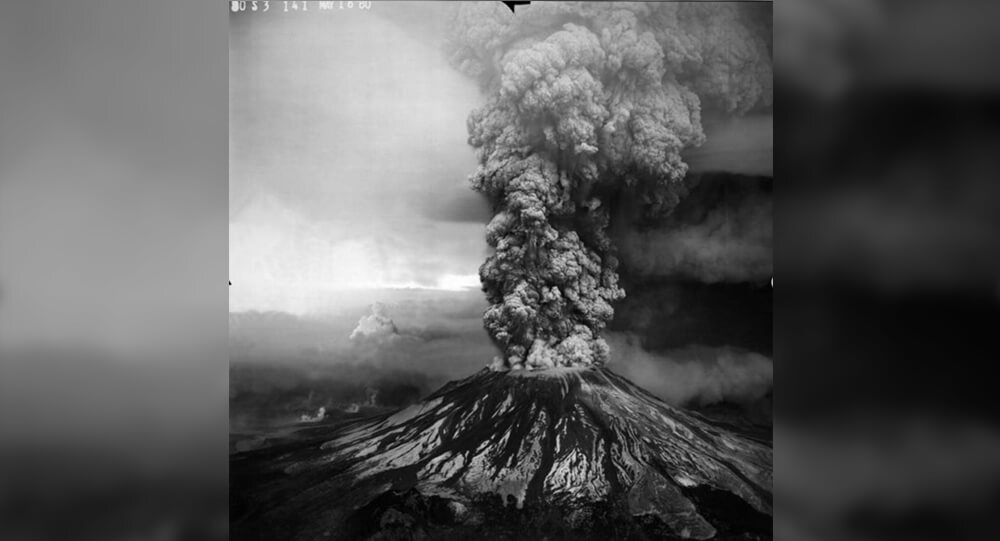

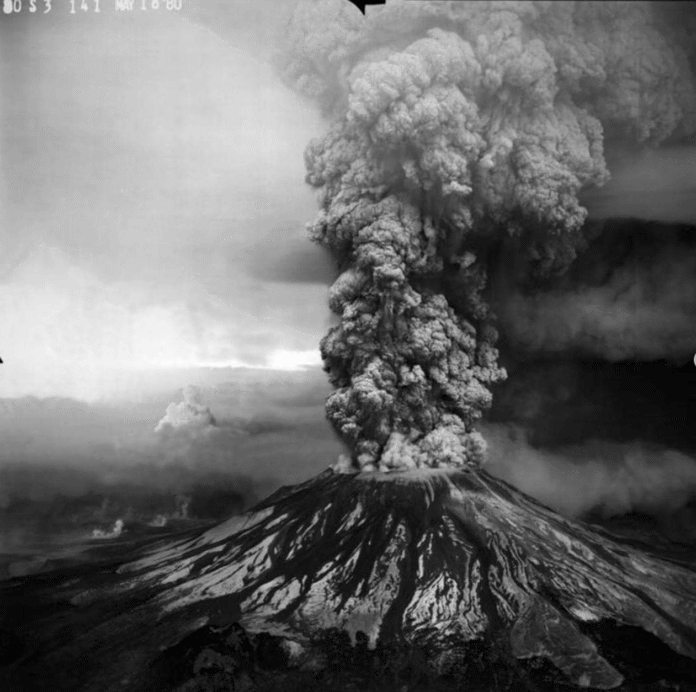
The Terrifying Mount St. Helens Eruption is Captured by the Robert Landsburg Photographs
May 18, 1980 Proved To Be A Fateful Day
Freelance photographer Robert Landsburg perished while capturing images of Mount St. Helens on the day it erupted.
Robert Landsberg was within four miles from the summit when the huge volcano erupted. He had been going to the mountain since April and was there particularly to record the incident. He had made several successful travels during that period by going above and beyond and ascending to various vantage spots.
The outcome? He eventually managed to capture the evolving volcano that had been erupting for several weeks. However, on that crucial day, this did not shield him.
Who Was Robert Landsburg?

November 1931 saw Robert Landsburg’s birth, and he died on May 18, 1980. He was born in Seattle, Washington, and at the time of his death, he was a resident of Portland, Oregon.
There isn’t much information available about him save his great contributions to photography and study. Ironically, there are not many images of him online.
Documenting A Natural Disaster
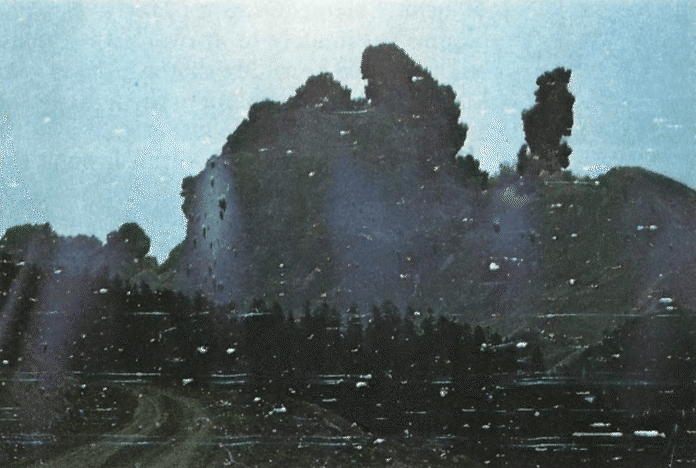
The dedicated photographer produced a journal post on May 17 while setting up camp close to the volcano. The volcano “Feels just on the verge of anything,” he observed. He had no supporting scientific proof for this remark, though. His stomach sensed it. Volcanologists were monitoring everything from emissions to ground temperature to the speed of “bulge movement.”
Their tools could not compete with Landsburg’s intuition.
It was fateful on May 18. He could make out the distant boom. Unfortunately, it wasn’t “far” enough. He was aware that he would not be able to flee the explosion in time to rescue himself.
He continued to take pictures up until the very end as a result. He then removed the roll of film from his camera, put it in a case, and stowed it away in his bag. Then, in order to help preserve things as much as possible, he placed his body down on his backpack as his last act of self-sacrifice.
17 days later, his body was discovered. His film was unharmed, but he was covered in ash. The National Geographic magazine’s January issue included some of his amazing photographs.
Landsburg Wasn’t The Only Photographer There To Capture The Day
On May 18, Reid Blackburn, a photojournalist, also passed dead. He was employed by both National Geographic magazine and a nearby newspaper.
He has till May 17 to remain atop the mountain. Sadly, he chose to stay an extra few days. The landslide and pyroclastic flow that resulted from the eruption completely wrecked the area where he was shooting.
The day after the explosion, they found Blackburn’s body. He had no chance of surviving because the windows of his car were covered in ash. The car was facing away from the mountain, and he was still sat at the wheel. This suggests that he was attempting to escape his demise but was unable to do so.
It seemed for years that none of his photographs could be saved. Nevertheless, several of his photographs were found in an undeveloped roll in 2013 by a photo assistant at The Columbian, where he worked.
40 Years Later, A Legacy Remembered
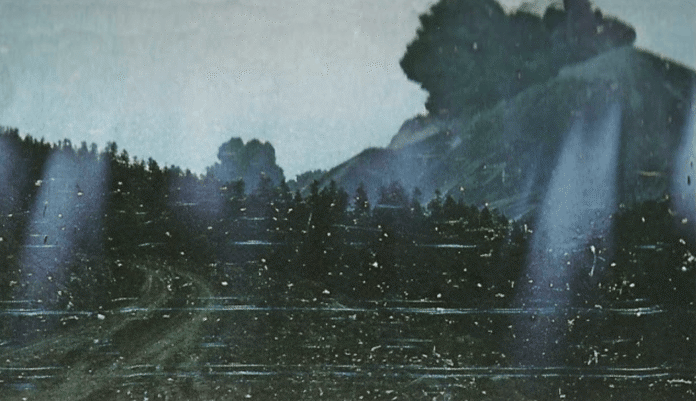
40 years after his passing, Robert Landsburg’s legacy is still very much alive. Of course, they’ve been able to restore his photos a lot thanks to the development of digital processing and media over the previous 40 years.
What some people will do for their trade is amazing. Robert Landsburg was a true adventurer since he was aware that he might perish at any time.
Mount St. Helens’ cataclysmic eruption claimed the lives of 57 people. I pray for their eternal peace.
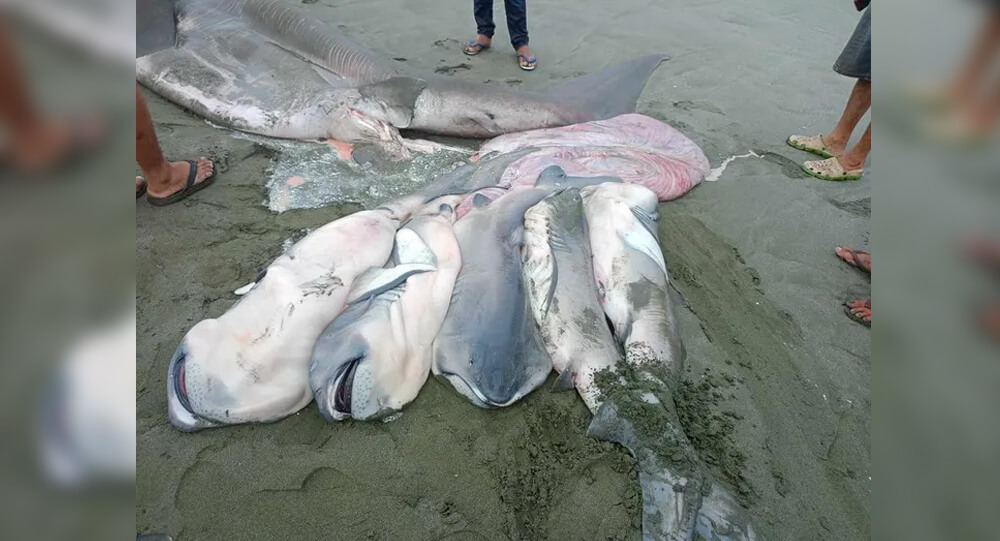
Megamouth Shark And Her Babies Found Dead In The Philippines
Filipino zoologists have recorded a pregnant megamouth shark for the first time ever since the rare aquatic specie was discovered in 1974.

A story of a man Survived Inside Sunken Ship For Three Days
A man survived a sunken ship for nearly three days, 279 feet underwater and in complete darkness, while listening to fish eat the bodies of his shipmates.

Lafayette pizza delivery driver who saved 5 from burning house
Nicholas Bostic a 25-year-old pizza delivery man from Lafayette, Indiana, ran into a burning house to rescue four children, who told him there is one more inside. He ran back inside, he found the six-year-old girl, jumped out of a window, carried her to a cop who captured the moment on his bodycam.


Drive-Thru Weddings in Las Vegas: The Ultimate Fast, Fun, and Legal Way to Say “I Do”
Inspired by fast food convenience, Las Vegas offers drive-thru weddings where couples can legally marry in under 5 minutes—without leaving their car. Some chapels even offer curbside Elvis impersonators and 24/7 ceremonies, complete with “to-go” marriage licenses.

Estonians save a wolf from the ice by mistaking it for a dog
Two young construction workers in Estonia discovered what they thought was a dog caught in a frozen lake. They carried it to their car and brought him to an animal shelter, not realizing it was a wolf.

Croatian teenager wakes up from coma speaking fluent in German In 2010
In 2010, a Croatian teenager awoke from a coma to discover she could no longer speak Croatian but was fluent in German, a language she had just recently begun studying at school in the United Kingdom. reports in the press

A subway in Chongqing passes through a building (images)
A train has been constructed through an apartment complex in Chongqing, China. The 19-story residential structure is not only passed by the light rail passenger train, but it also serves as a transit stop. Apartment residents can simply get a ride from the sixth to eighth levels.

'Press Your Luck' Was Hacked in 1984 by an Ice Cream Man
in 1984 an contestant made it onto the game show Press Your Luck. He discovered using his stop-motion VCR that the presumed random patterns of the game board were not random and memorized the sequences. On the game he was on, he won 45 consecutive spins. winning $110,237 in cash & prizes.

A man who was saved from committing suicide 16 years ago now assists people dealing with mental health issues
Kevin Berthia traveled to the Golden Gate Bridge in 2005 to commit suicide. He ended up spending 92 minutes on the edge of the bridge talking to officer Kevin Briggs about his life. In much better circumstances, they cross paths at the same bridge ten years later.

Before "The Rock," There Was "Rocky Maivia"
Dwayne “The Rock” Johnson’s first WWF persona was Rocky Maivia, a face (good guy). The audience rejected him due to his cheesy character, with chants of “Die, Rocky, die!”. After this, he became a heel (villain), referring to himself in the third person as “The Rock” and insulting the audience.

stranded hikers rescued by a life-saving iPhone feature
Stranded hikers were rescued by a life-saving iPhone feature that an awful lot of folks don't know a lot about.
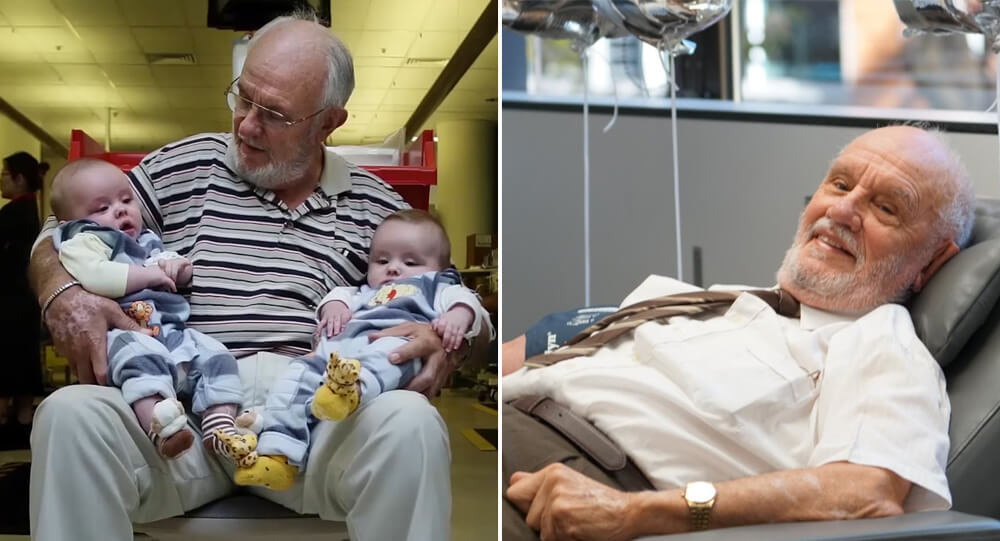
Man's Blood Helped Save Millions of Babies
Australian blood donor James Harrison has been one of our most impressive and valued donors, having donated for 60 years. Know his story, how he was a pioneer of our Anti-D program, and why this matters.
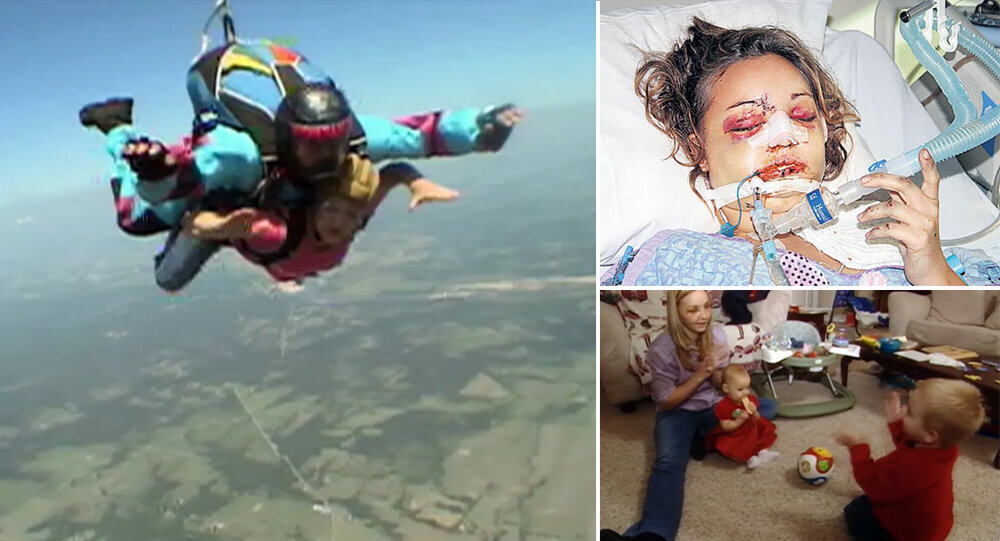
Woman survives skydiving accident, discovers she's pregnant
2005, a woman performing her first solo skydive jump survived a parachute malfunction which caused her to slam face first into a parking lot at 50 MPH. During surgery doctors discovered she was pregnant. She made a full recovery and the baby was fine.
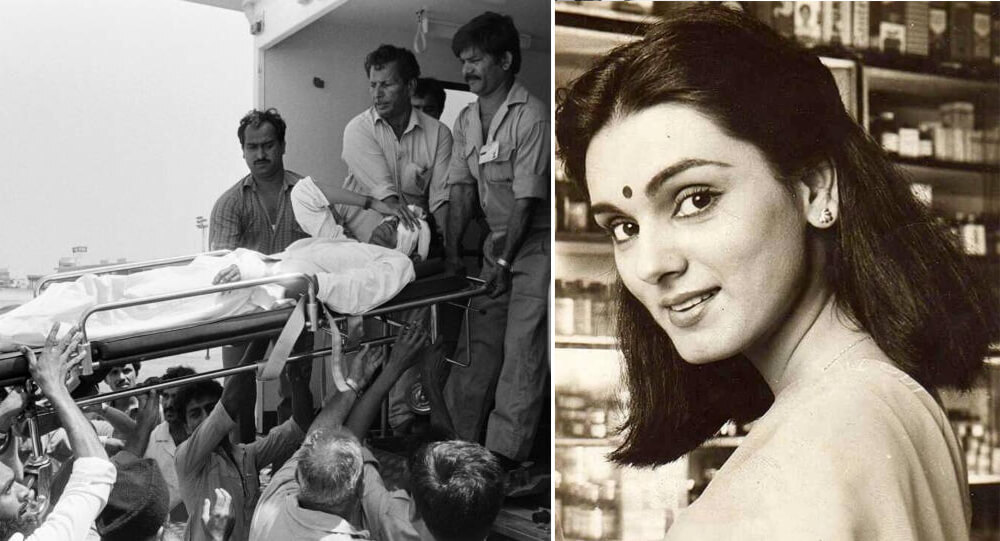
Neerja Bhanot, the braveheart flight attendant was never run away from a crisis
Neeja Bhanot, a 22 year old Indian flight attendant who helped hides 41 American passports aboard a hijacked plane. She died shielding three children from gunfire and was posthumously awarded bravery medals from India, Pakistan, and the United States.

Man uses first-class ticket to eat for free at airport's VIP lounge for almost a year
A Chinese man purchased a First Class Ticket, which included admission to a VIP Lounge with free food. Over the course of a year, he rescheduled over 300 times in order to receive over 300 free dinners. When questioned, it was discovered that he is rescheduling his reservation to another date after eating. He eventually cancelled the ticket and got a full refund.

The actions of a 7-year-old girl protected her mother from bullets
A 7-year-old girl jumped in front of her mother to save her from a man who was attempting to kill her in 2007. She was shot six times and survived, as well as saving her mother.

From Ocean Trash to Trendy Kicks: Adidas Sells 1 Million Eco-Friendly Shoes Made from Plastic Bottles
Adidas has sold over 1 million eco-friendly shoes made from ocean plastic. Each pair reuses the equivalent of 11 plastic bottles
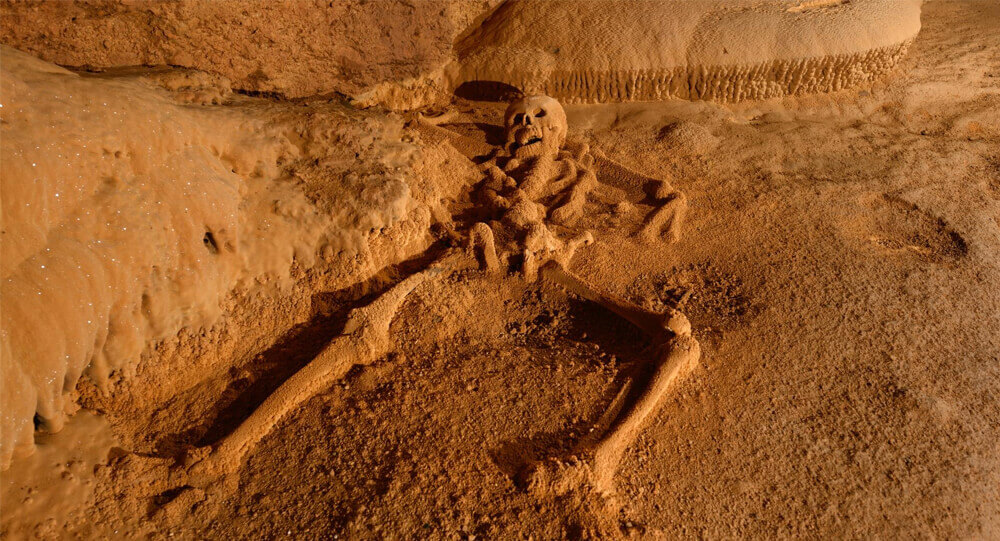
The Crystal Maiden of the Actun Tunichil Muknal Cave
Located in Belize, there is a cave where the remnants of ancient Maya human sacrifices can be witnessed. However, reaching the back of the cave system requires swimming, wading through a cave river, and crawling through narrow, uneven rocky passages in darkness. Once there, visitors can walk among the numerous corpses of sacrifice victims, including The Crystal Maiden, an 18-year-old whose skeleton has become calcified to the point of sparkling.
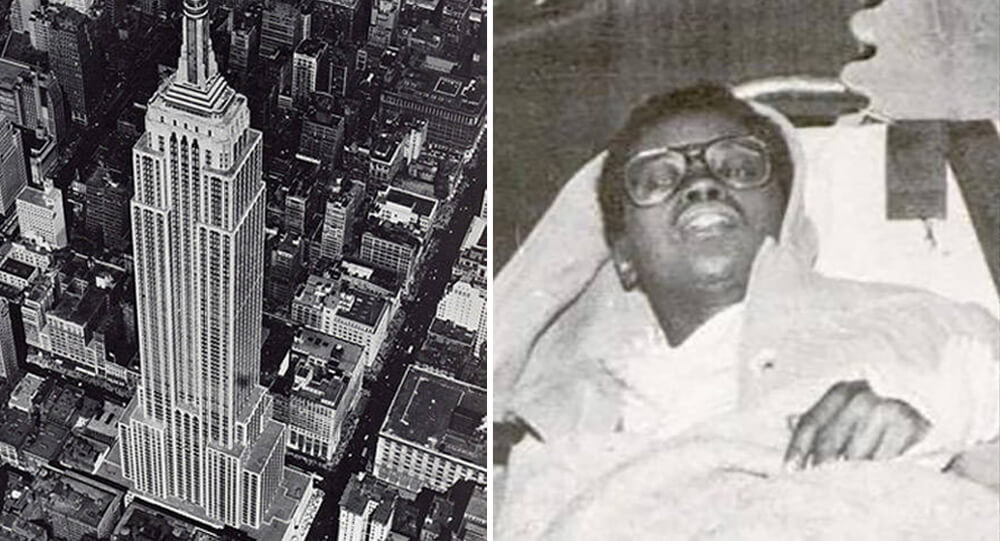
Elvita Adams jumps from the Empire State Building and amazingly survived
Elvita Adams once tried to commit suicide by jumping off the empire state building. She Jumped from the 86th floor but was blown back to 85th floor by a strong gust of wind.
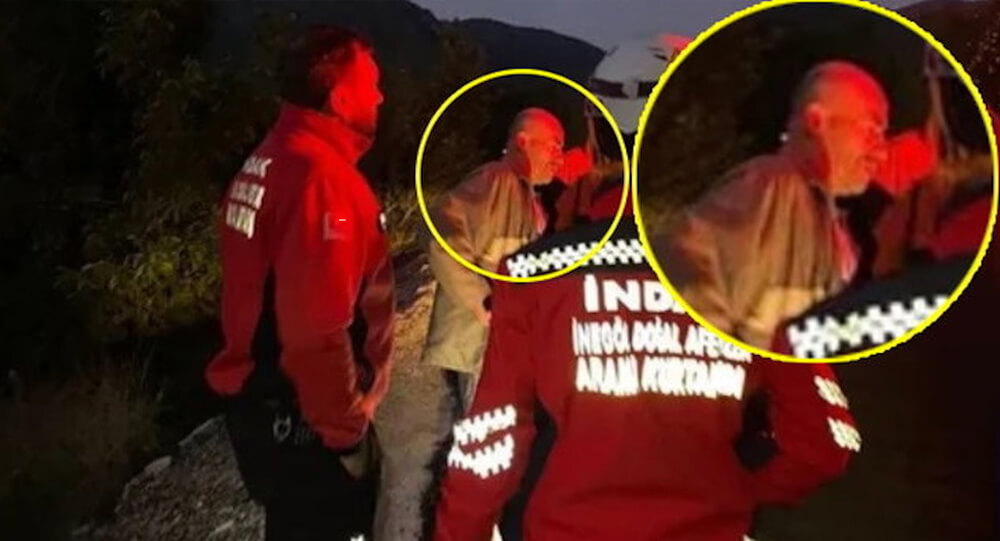
A man joins a search operation without realizing he is the missing person
Beyhan Mutlu, a Turkish national, was reported missing by local media and unintentionally joined search teams looking for himself in a forest. He was drunk and lost in the woods when he ended up in a group with others looking for himself.

The Inspiring Journey of Francis Tsai, Marvel Comics artist diagnosed with ALS
Francis Tsai, an American illustrator and conceptual artist who worked for Marvel Comics, was diagnosed with ALS in 2010. After he lost the ability to move his hands and arms, he started painting digitally on his cellphone with his right big toe. After he could not move his feet anymore, he began using eye-gaze technology to keep drawing.
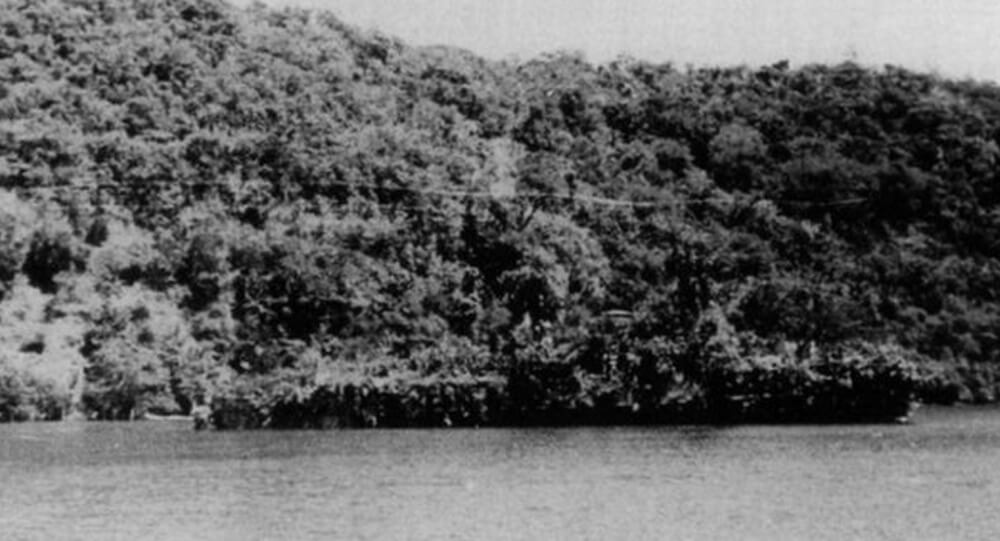
Abraham Crijnssen – The Ship That Disguised Itself As An Island
During World War II a Dutch minesweeper evaded the Japanese for eight days disguised as an island. The crew covered the decks in cut trees and painted exposed surfaces to look like rocks. They moved only at night and anchored closed to shore by day, eventually escaping to Australia.

Whang-od Oggay, The legendary tattoo artist from the Philippines
This is Whang-od Oggay, a 106-year-old tattoo artist from the Philippines. She is often described as the last and oldest Kalinga tattoo artist, and has been performing the traditional art of hand-tapped tattoos since the age of 15

World's largest iceberg breaks off Antarctica
In 1986, the iceberg known as A23a broke away from the Antarctic coast. However, it quickly grounded in the Weddell Sea, effectively turning into an ice island.
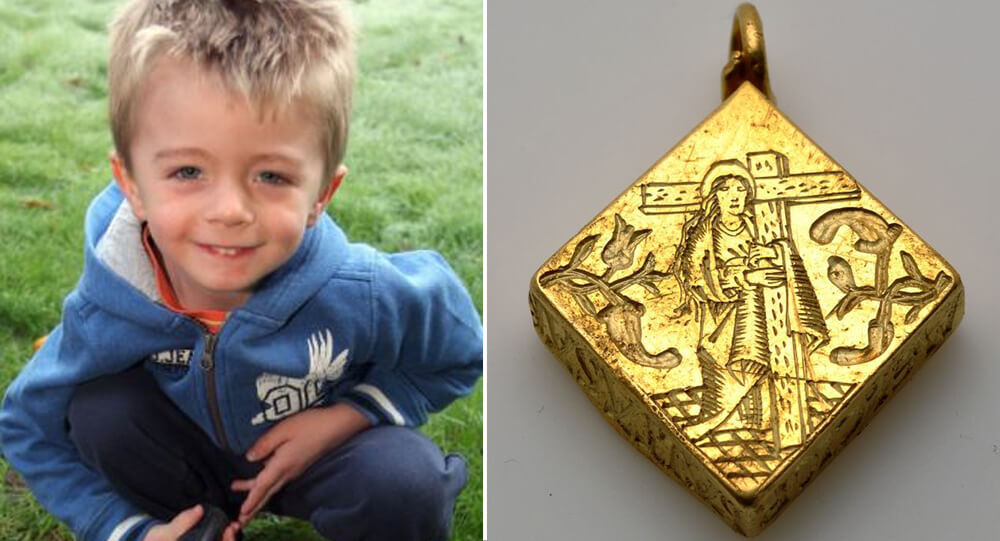
A three-year-old boy discovers a $4 million pendant in England
A $4 million 16th-century gold pendant was discovered in 2010 by a three-year-old boy using his father's metal detector.