
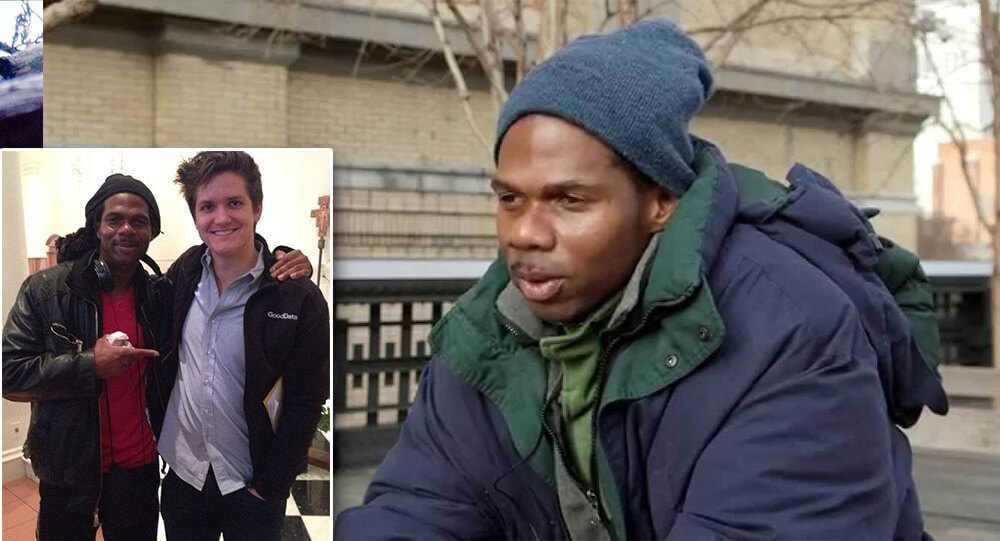
Leo Grand, a homeless man, learned how to code with the assistance of Patrick McConlogue, a programmer. When Patrick saw Leo sitting on the sidewalk in New York City in 2013, he gave him the option of accepting $100 cash or a cheap laptop and coding classes.
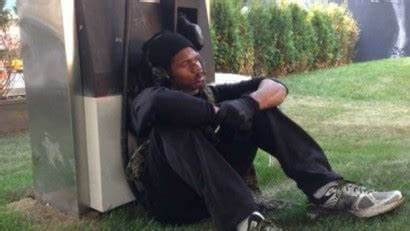
Leo decided on a laptop and lessons, and Patrick taught him how to code over the course of several months. They collaborated to create the “Trees for Cars” software, which facilitates carpooling. Leo worked long hours, frequently staying up late to code.
When the software was finally complete, Patrick assisted Leo in releasing it on the Apple App Store. The app garnered excellent reviews and was featured by media, including The New York Times and CNN.

Leo’s story captured the nation’s attention and motivated a lot of individuals. He later discussed his transition from being homeless to being an app developer in speeches at TEDx events and other conferences. His life is a tribute to the value of learning and mentoring, as well as to the possibility for anyone, from any background or situation, to learn and do something worthwhile.
Trees for Cars App – Available on iOS & Android – YouTube
Leo’s mobile applications

The “Trees for Cars” app appears to be no longer accessible through the Apple App Store. The app’s ending is unclear, however, Leo or Patrick may have removed it for a number of reasons, including maintenance issues, a lack of financing or support, or simply because they went on to other projects.
But, the popularity of “Trees for Cars” gave Leo chances and notoriety outside of the app. He continued to work on other projects while pursuing his passion for programming. “Human Resource Machine,” a puzzle game that Leo and Tomorrow Company released in 2016, has garnered positive reviews and can be found on a variety of platforms, including Steam and the Nintendo Switch.
Eventually, even though the “Trees for Cars” app is no longer accessible, Leo’s inspiring tale and his ascent to the position of app developer serve as a reminder of the transformational potential of education and mentoring.
What happened to Leo Grand?
Leo Grand’s current activities and location are unknown. There hasn’t been much news about him in the media since his tale first made headlines around the country a few years ago.
Leo appears to be passionate about coding and is still pursuing his interests in technology based on his prior appearances and interviews, nevertheless. Leo has stated an interest in creating further apps and games in the future, in addition to “Trees for Cars” and “Human Resource Machine.”

It’s also important to note that Leo’s tale has motivated a lot of people and has served as an illustration of the transforming potential of mentoring and education for those facing homelessness or other difficulties. His tale serves as a reminder that anyone can overcome their circumstances and accomplish their goals with effort, commitment, and support.

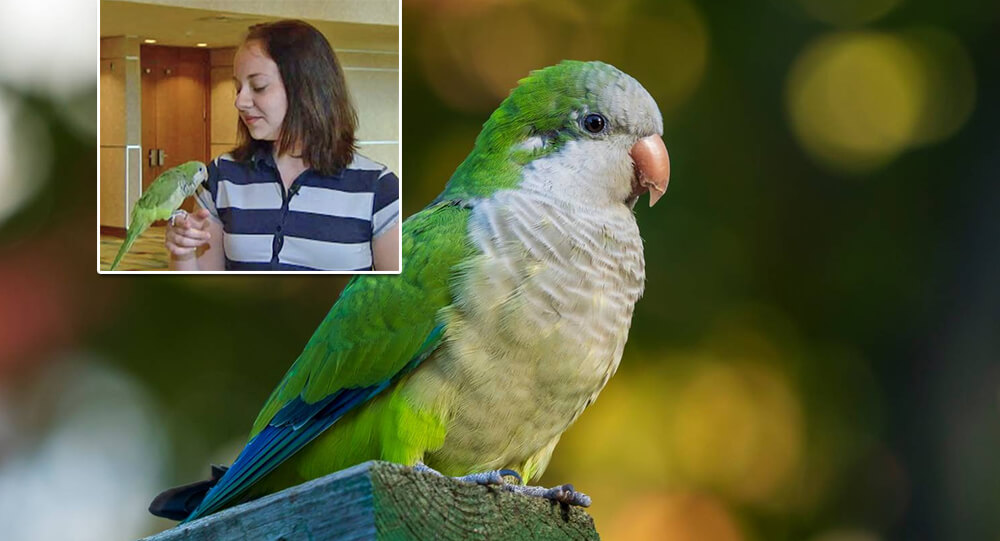
How hero parrot saved little girl who was choking on her breakfast
In 2008 Quaker parrot Willie alerted his owner Megan Howard when the little girl she was babysitting began to choke. Howard was in the bathroom when the parrot repeatedly yelled "Mama! Baby!" flapping his wings. Megan rushed and performed the Heimlich maneuver, saving her life. Willie received the Red Cross Animal Lifesaver Award.
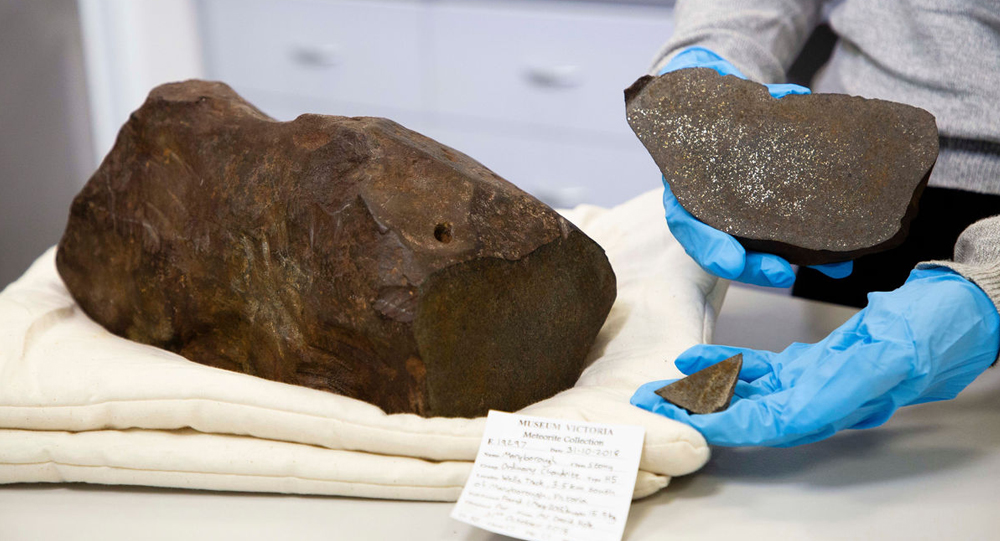
The Man Who Kept a “Gold” Rock for Years—Only to Discover It Was a 4.6-Billion-Year-Old Meteorite Worth a Fortune
A man cherished a heavy 17-kilogram rock for years, believing it to be solid gold. The surprising twist? Experts later revealed it was a rare, 4.6-billion-year-old iron meteorite—an ancient cosmic relic worth far more than gold. Dive into the fascinating story of this celestial treasure and what makes it so valuable.


Why Is the N Lowercase in 7-Eleven?
7-ELEVEN is thought to have a lowercase "n" in its logo because the company president's wife believed that a logo with all caps would seem harsh, while a lowercase "n" would make it more graceful.
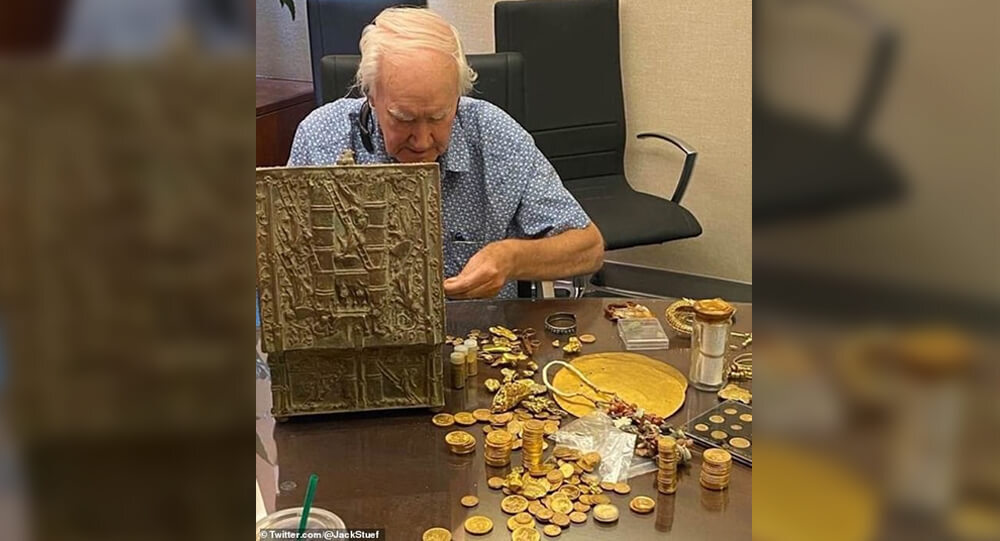
Story of Forrest Fenn and who he hid a bronze chest treasure full of gold and other jewels
Forrest Fenn, an art dealer, hid a bronze chest full of gold and other jewels somewhere in the Rocky Mountains ten years ago. In a poem, he hinted at its location. Thousands of people tried and failed to find the treasure, which is said to be worth over a million dollars, and at least four people died in the process. In June 2020, the Fenn treasure was discovered.
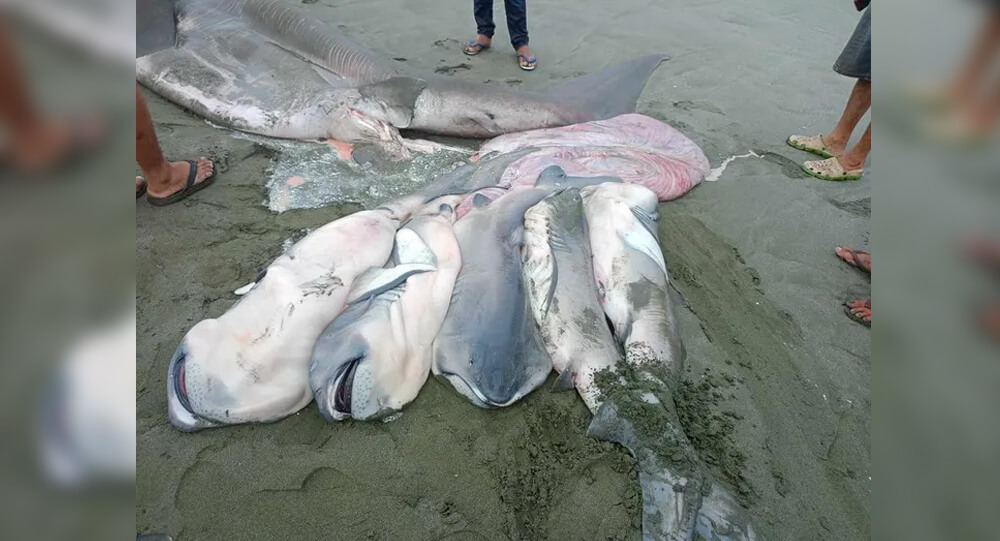
Megamouth Shark And Her Babies Found Dead In The Philippines
Filipino zoologists have recorded a pregnant megamouth shark for the first time ever since the rare aquatic specie was discovered in 1974.
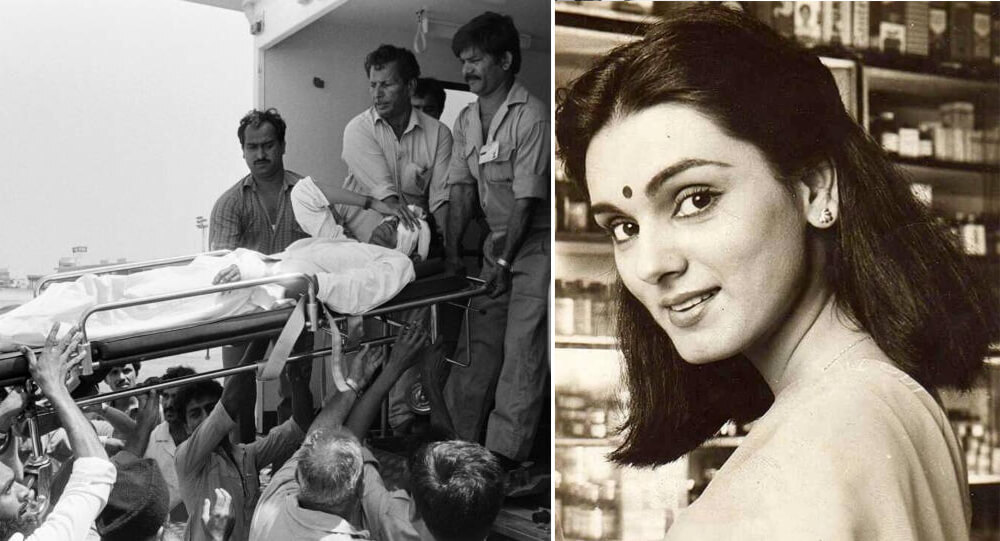
Neerja Bhanot, the braveheart flight attendant was never run away from a crisis
Neeja Bhanot, a 22 year old Indian flight attendant who helped hides 41 American passports aboard a hijacked plane. She died shielding three children from gunfire and was posthumously awarded bravery medals from India, Pakistan, and the United States.
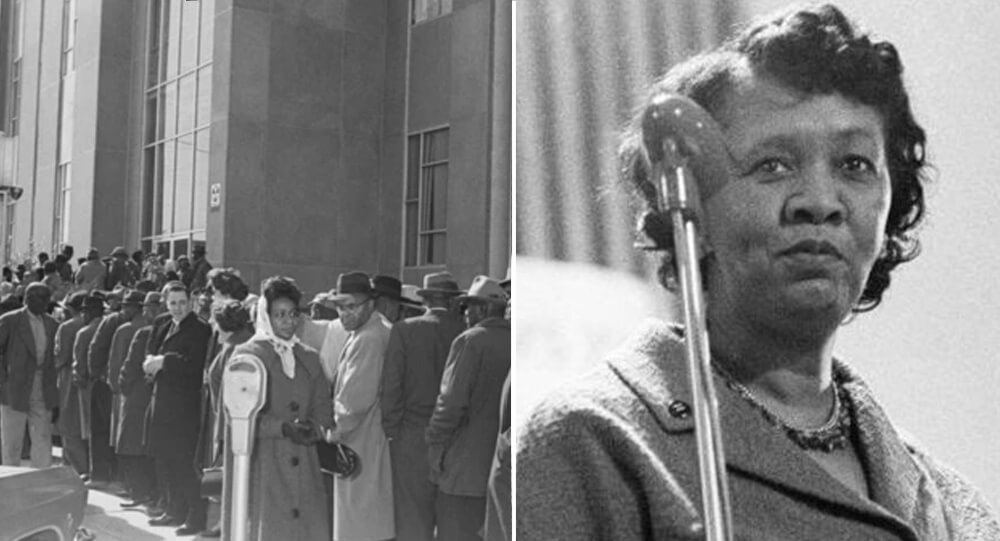
The fearless Annie Lee Cooper
Annie Lee Cooper was fired in 1963 after attempting to register to vote. She attempted it once more in 1965, but the sheriff ordered her to leave after prodding her in the neck with a club. She then punched him, causing him to fall to the ground. She was imprisoned before ultimately registering to vote. Following the passage of the Voting Rights Act, the sheriff was ousted and subsequently imprisoned for collaborating to transport drugs, but Annie Lee Cooper lived to reach 100 years old and bears her name to this day.

Before "The Rock," There Was "Rocky Maivia"
Dwayne “The Rock” Johnson’s first WWF persona was Rocky Maivia, a face (good guy). The audience rejected him due to his cheesy character, with chants of “Die, Rocky, die!”. After this, he became a heel (villain), referring to himself in the third person as “The Rock” and insulting the audience.
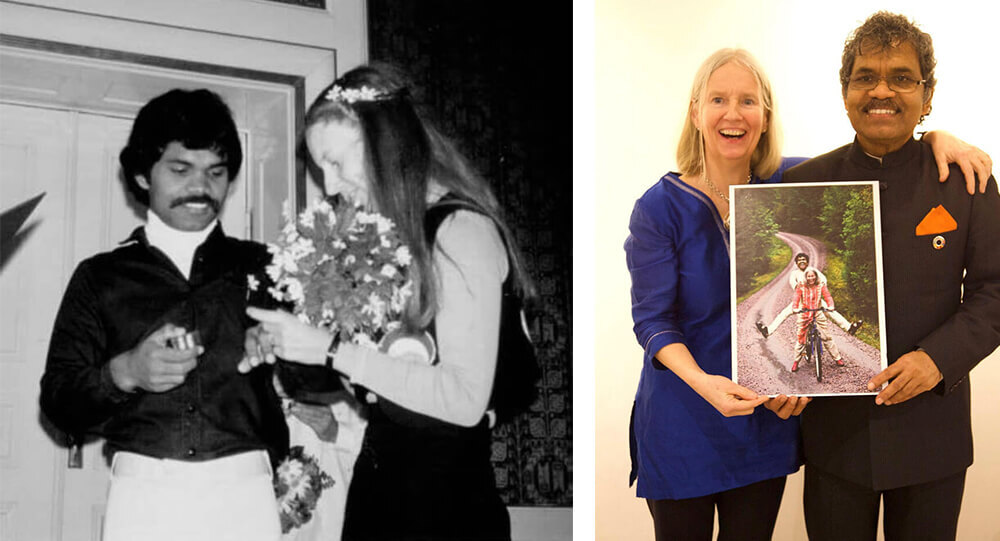
Photos: This man sold everything 45 years ago to buy a bike and travel 6,000 miles from India to Sweden to see his love.
An Indian man traveled from India to Sweden on a bicycle to meet his Swedish wife in 1978. The journey took him 4 months and through eight countries.
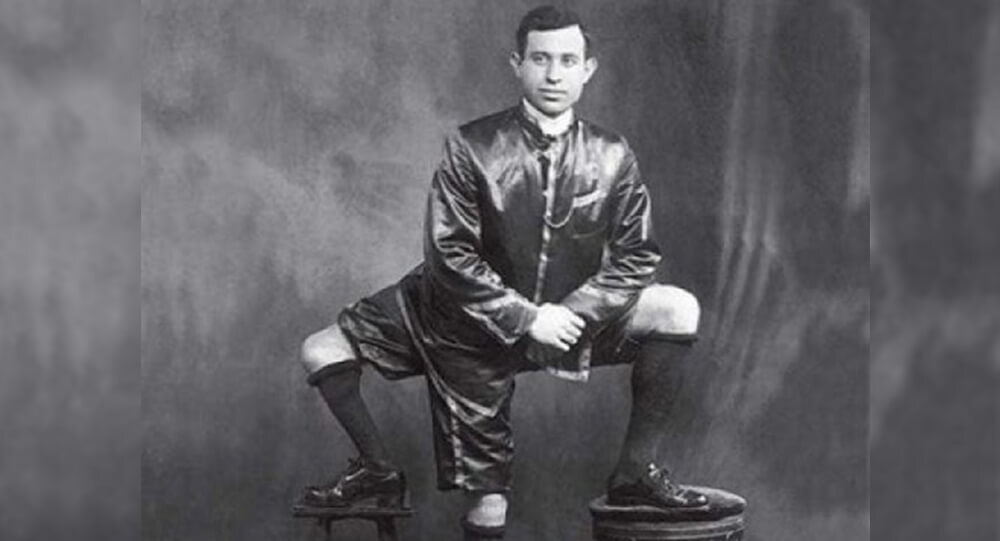
Frank Lentini, The Three-Legged Sideshow Performer
Francesco Lentini was a man with three legs, four feet, sixteen toes, and two sets of functional male genitals. He worked for the circus and lived to be 78 years old.

Morgan’s Wonderland, the world’s first ultra-accessible amusement park
Gordon Hartman was heartbroken when his special needs daughter, Morgan, was rejected by a group of children playing by the hotel poolside. He then set out to build a place where all children can play together. This led to the development of the world’s first ultra-accessible amusement park, Morgan’s Wonderland

Self-taught William Kamkwamba built a windmill for his town
A Malawian teenager who taught himself how to build a windmill out of junk and bring power to his village. He then went on to build a second, larger windmill to power irrigation pumps. He did this all from books he read in the library.

A Pilot Survived 20 Minutes Outside A Flying Jet
In 1990, the captain of flight 5390 Timothy Lancaster got sucked out of his own plane when the window of the plane fell off. The crew held the captain’s leg for 30 minutes while the plane performed emergency landing. Everyone survived.

The WWII Parachute Wedding Dress
Major Claude Hensinger jumped out of a B-29 bomber during World War II when the engine caught fire. He was saved by his parachute. Later, he requested that his fiancée Ruth make him a gown out of the same parachute. The dress is now on display at the Smithsonian Institute.

Estonians save a wolf from the ice by mistaking it for a dog
Two young construction workers in Estonia discovered what they thought was a dog caught in a frozen lake. They carried it to their car and brought him to an animal shelter, not realizing it was a wolf.
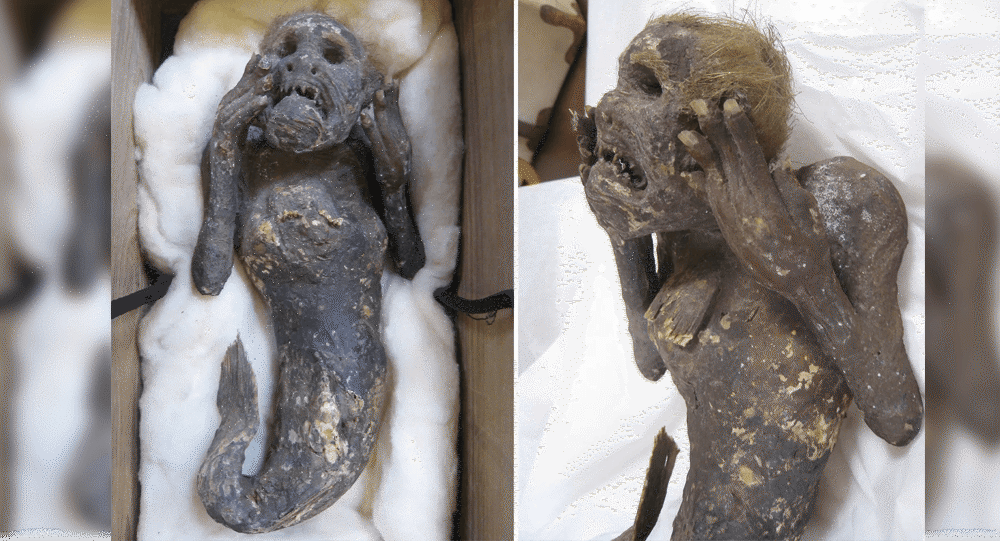
Mystery of 300-year-old mummified mermaid is being probed
There is a 300-year-old mummified mermaid with 30 centimetres tall and features a human-like head, two hands with what appear to be fingernails, and its lower body that look like a fish tail. The “mermaid mummy” is being probed by Japanese scientists in an attempt to unravel the mystery of its existence.
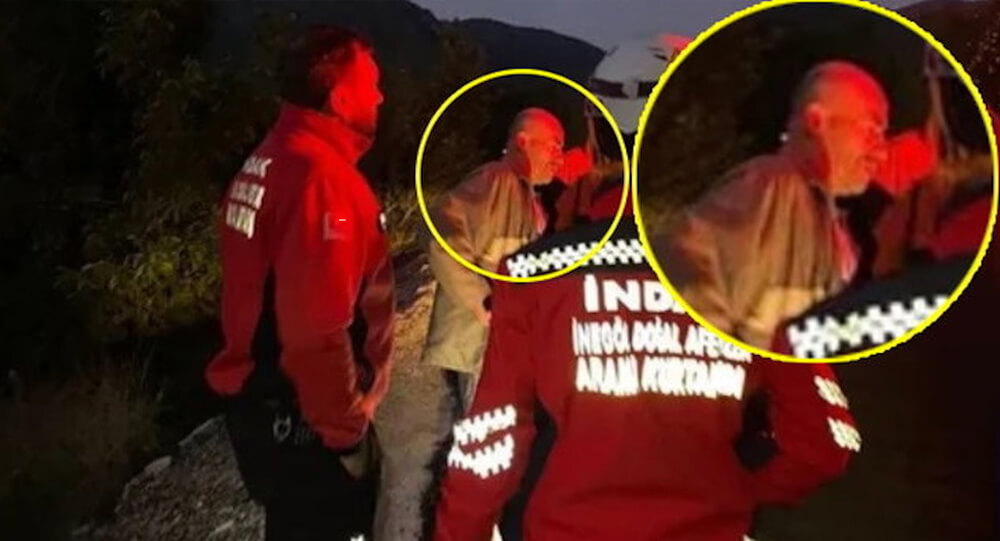
A man joins a search operation without realizing he is the missing person
Beyhan Mutlu, a Turkish national, was reported missing by local media and unintentionally joined search teams looking for himself in a forest. He was drunk and lost in the woods when he ended up in a group with others looking for himself.

A story of a man Survived Inside Sunken Ship For Three Days
A man survived a sunken ship for nearly three days, 279 feet underwater and in complete darkness, while listening to fish eat the bodies of his shipmates.

Inspiring story of Emma Schols who Saved Her Six Kids From A Burning House
Emma Schols, a Swedish mother, saved all six of her children from a devastating house fire in 2019, running from room to room through flames while bleeding and losing skin. Against all odds, she survived with severe burns covering 90% of her body.

How Magic Johnson Missed Out On $7 Billion Nike deal
Magic Johnson turned down a deal with Nike in 1979 that offered him 100,000 shares of stock and $1 for every pair of shoes sold. Instead, he chose Converse, which offered him $100,000 per year. Johnson lost about $5 billion by declining the Nike deal.

Restaurant owner offers burglar a job rather than filing charges
On April 13, 2021, Diablo’s Southwest Grill was robbed, but instead of pressing charges, owner Carl Wallace decided to offer the burglar a job in his business and said “There are better opportunities out there than this path you’ve chosen,”.
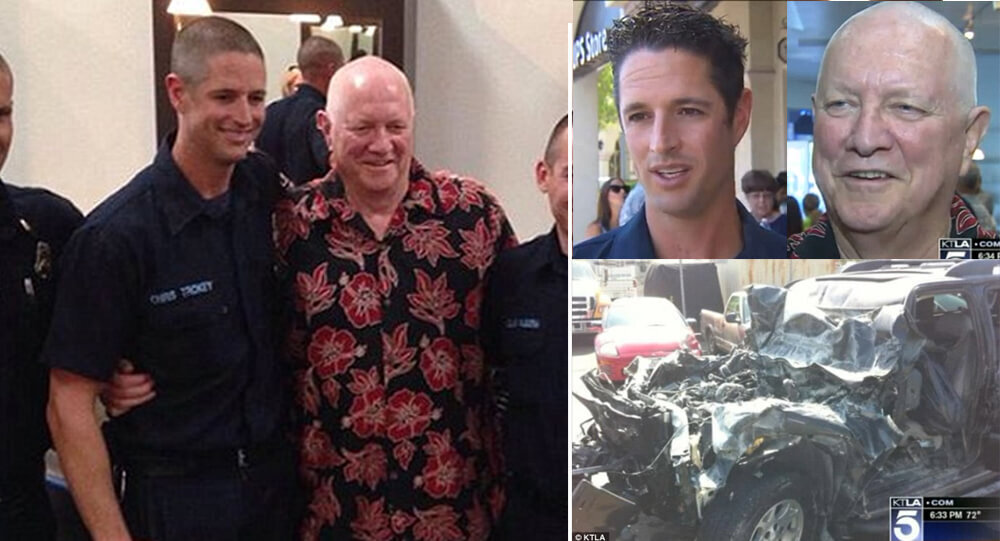
Paramedic Rescues Doctor Who Saved Him 30 Years Earlier
In 1981, a doctor helped save the life of a 3.2 pounds premature baby boy. Thirty years later, the boy, who had grown up to be a firefighter-paramedic, helped in saving the same doctor from a car accident.

Aitzaz Hasan, Pakistani school boy who sacrificed his life from suicide bomber
Aitzaz Hasan, a 15 year old Pakistani school boy, sacrificed his life while preventing a suicide bomber from entering his school of 2000 students. His father said "My son made his mother cry but saved hundreds of mothers from crying for their children."
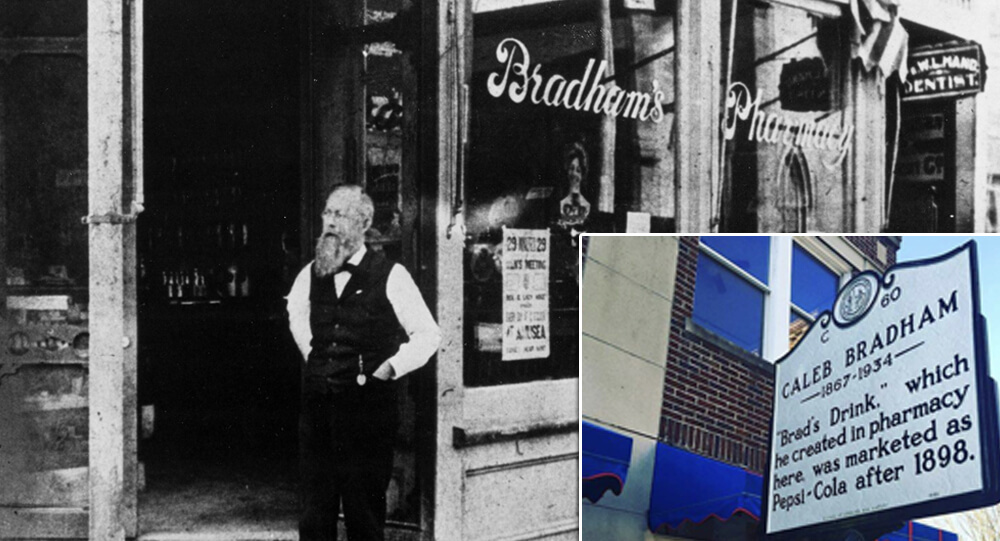
How 'Brad's Drink' Became Pepsi-Cola
Pepsi was first introduced as “Brad’s Drink” in New Bern, North Carolina, United States, in 1893 by Caleb Bradham, who made it at his drugstore where the drink was sold. It was renamed Pepsi Cola in 1898, named after the digestive enzyme pepsin and kola nuts used in the recipe.

Timothy Ray Brown, who inspired millions of HIV-positive people, died of leukemia
Timothy Ray Brown, also known as "The Berlin Patient," was the first person to be HIV-free. He was diagnosed with leukemia in 2006 and had a bone marrow transplant in 2007 as part of his treatment. The transplant helped him overcome the otherwise incurable disease thanks to the rare, HIV-resistant donor.