
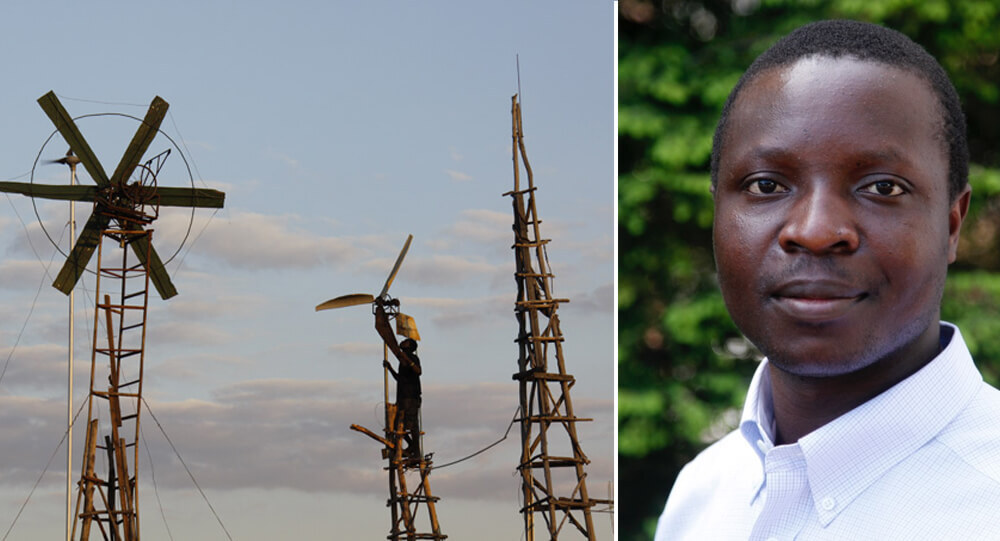
Self-taught William Kamkwamba has received praise from business leaders and climate change activists all around the world, including Al Gore.
Given that he was forced to leave school at age 14 because his family could no longer afford the $80-a-year (£50) tuition, his incredible achievements are all the more impressive.
His prospects appeared limited when he returned to his parents’ modest acreage in the Masitala community in rural Malawi.
However, this was not another story of how poverty has hampered the promise of Africa.
Defense against hunger
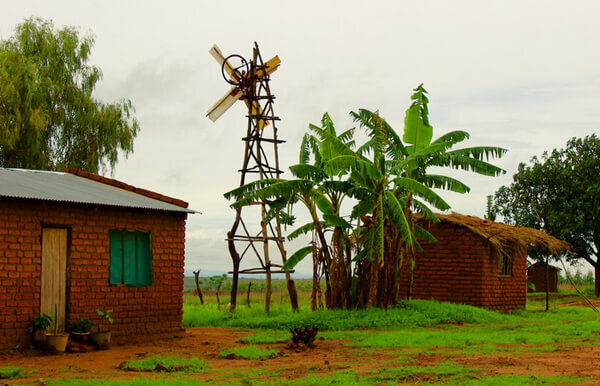
The village in which the kid lived has never had running water or electricity.
And he wasn’t going to wait for officials or humanitarian organizations to act on his behalf.
After one of Malawi’s worst droughts, which resulted in thousands of deaths and put his family in danger of starving in 2002, there was an even greater need for action.
Because he was unable to go to school, he continued his studies by accessing a nearby library.
His life was forever altered when, as a science enthusiast, he picked up a worn-out textbook and discovered a drawing of a windmill.
“I was quite excited when I discovered the windmill could create energy and pump water,” Mr. Kamkwamba told the BBC News website.
I reasoned, “That might be a defense against hunger. Perhaps I might construct one for myself.”
He labored on his prototype while working with a paraffin lamp in the nights when he wasn’t helping his family grow maize.
But his clever proposal was met with blank stares in his 200-person community.
He says that “many, including my mother, feared I was going mad.” They had never before seen a windmill.
The shock
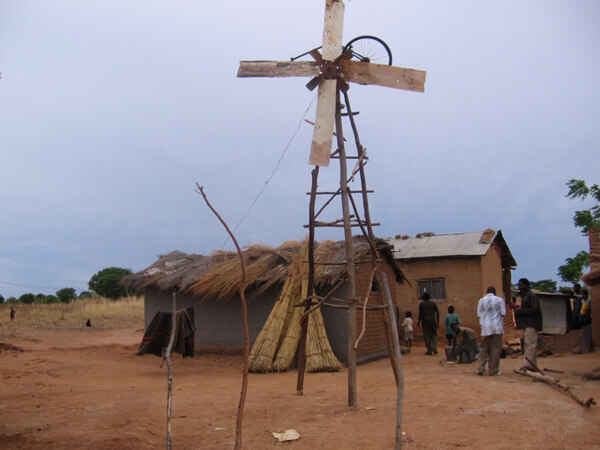
The fact that the boy spent so much time exploring trash dumps further confused the neighbors.
People mistook me for a pot smoker, he claimed. I explained to them that I was merely creating something for juju (magic), and they said, “Ah, I understand.”
Mr. Kamkwamba, who is now 22 years old, made the blades for the turbine out of plastic tubing that had been flattened by being held over a fire, together with a tractor fan blade and an old shock absorber.
In a regretful recollection of his months of laborious labour, Mr. Kamkwamba recounts, “I got a couple electric shocks climbing the [windmill].”
The completed design, a 5-m (16-ft) tall blue-gum tree wood tower that was swaying over Masitala, appeared to be little more than a vain tinkerer’s blunder.
However, when Mr. Kamkwamba climbed the windmill and attached a vehicle light bulb to the turbine, his neighbors’ amusement quickly turned to surprise.
A gathering of amazed witnesses went wild when the light sparked to life and the blades started to spin in the breeze.
The genius child’s 12-watt marvel soon began supplying power to his family’s mud-brick home.
Electric wind
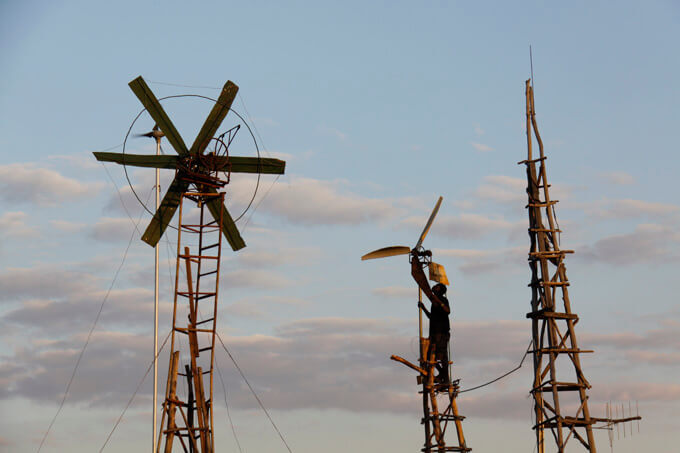
The paraffin lanterns were replaced with light bulbs, a circuit breaker fashioned from the magnets and nails from an old stereo speaker, and a light switch constructed from bicycle spokes and flip-flop rubber.
Soon, locals began standing in line to charge their phones.
When a writer from the Daily Times newspaper in Blantyre produced an article about Mr. Kamkwamba in November 2006, the story was propelled around the blogosphere.
While doing this, he added water storage tanks, constructed a mechanical pump powered by solar energy above a borehole, and provided the area around his town with its first source of potable water.
Having had the wooden base of his initial windmill eaten away by termites, he upgraded it to 48 volts and anchored it in concrete.
Then he constructed a second windmill, which he called the “Green Machine,” to drive a water pump that irrigated his family’s field.
Soon, people from all over the place came to watch at the boy prodigy’s magetsi an mphepo, or “electric wind.”
He received an invitation to the famous Technology Entertainment Design conference in Arusha, Tanzania, in the middle of 2007 as word of his renewable energy projects spread.
Cheetah generation
He remembers how thrilled he was to use a computer for the first time at the occasion.
He remarks, “I had never seen the internet, it was incredible. “I Googled windmills and discovered a lot of information.”
Standing ovations followed the native Chichewa speaker’s hesitant onstage retelling of his tale as he moved the jaded venture capitalists.
He was then featured on the Wall Street Journal’s main page in a glistening photograph.
He is currently enrolled on scholarship at Johannesburg, South Africa’s prestigious African Leadership Academy.
The world is at Mr. Kamkwamba’s feet, but he is determined to go home after his studies. He has been flown to conferences all over the world to share his life story.
With only 2% of Malawians having access to electricity, the local hero wants to finish providing power to the entire country.
I want to use everything I’ve learnt to benefit my country, he declares. I believe there is a great deal of work to be done.
Bryan Mealer, a former reporter for the Associated Press news agency, had been covering conflict in Africa for five years when he learned Mr. Kamkwamba’s tale.
The amazing event was the kind of inspiring tale that New Yorker Mealer had long wished to write about.
The Boy Who Harnessed the Wind, which has just been released in the US, was written by the author for a year with Mr. Kamkwamba.
Mealer claims that Mr. Kamkwamba is a representative of Africa’s new “cheetah generation,” a group of youthful, tech-hungry individuals who are taking charge of their own fate.
The 34-year-old Mr. Mealer says, “Spending a year with William writing this book reminded me why I fell in love with Africa in the first place.
It’s the kind of story that reminds us of our own potential and connects with every person.
How long until the film rights to the inspirational tale of overcoming adversity are bought up and William Kamkwamba, the young man who dared to dream, appears on the big screen?

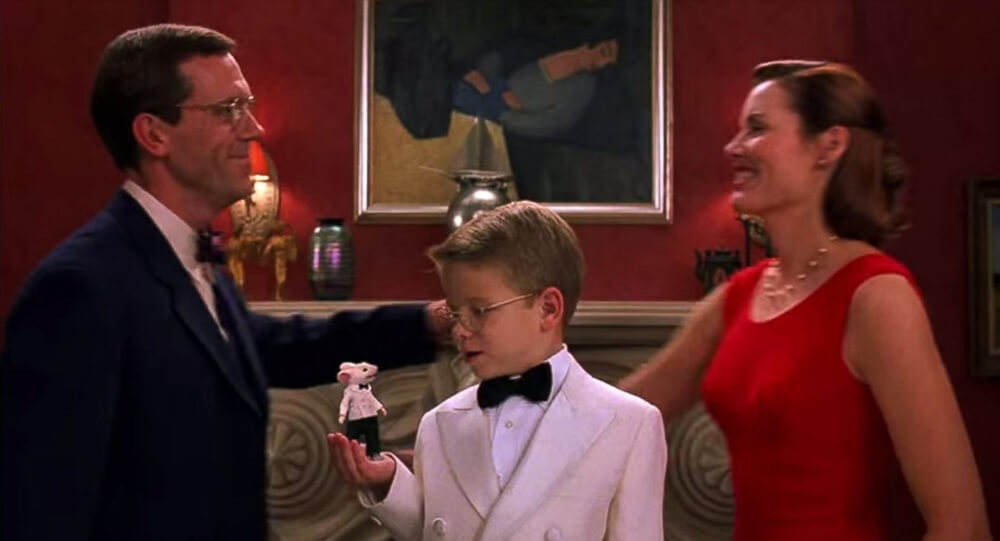
Missing Masterpiece Discovered in the Background of ‘Stuart Little’
In 2009, Gergely Barki, an art historian, was watching the film Stuart Little (1999) when he spotted an original long-lost painting used as a prop. Called Sleeping Lady with Black Vase, this painting was the work of Hungarian avant-garde painter Róbert Berény. The painting had been considered lost after World War II.


Mystery of 300-year-old mummified mermaid is being probed
There is a 300-year-old mummified mermaid with 30 centimetres tall and features a human-like head, two hands with what appear to be fingernails, and its lower body that look like a fish tail. The “mermaid mummy” is being probed by Japanese scientists in an attempt to unravel the mystery of its existence.

The Man Who Survived Falling Through a Thunderstorm, William Rankin
William Rankin was a fighter pilot who survived an ejection into a thunderstorm. He suffered frostbite, violent wind and lightning, severe decompression, and nearly drowned from breathing in rain water. He was in the cloud for over 40 minutes in total.

Estonians save a wolf from the ice by mistaking it for a dog
Two young construction workers in Estonia discovered what they thought was a dog caught in a frozen lake. They carried it to their car and brought him to an animal shelter, not realizing it was a wolf.

The Terrifying Mount St. Helens Eruption is Captured by the Robert Landsburg Photographs
Robert Landsburg, a photographer who upon realisation that he is going to die in the mount St. Helens eruption of 1980 lay down on top if his equipment to preserve the photographs he had taken of the events. Landsburg‘s body was found 17 days later, buried in ash with his film intact.

A man who was saved from committing suicide 16 years ago now assists people dealing with mental health issues
Kevin Berthia traveled to the Golden Gate Bridge in 2005 to commit suicide. He ended up spending 92 minutes on the edge of the bridge talking to officer Kevin Briggs about his life. In much better circumstances, they cross paths at the same bridge ten years later.

A little girl survived a 1-hour submersion in freezing creek water
On June 10, 1986, two-and-a-half-year-old Michelle Funk fell into an icy creek and was submerged for 66 minutes. When rescuers pulled her out of the water, she was not breathing, had no pulse, and appeared lifeless. The doctors used various techniques to rewarm her blood and bring her back to life. She was successfully resuscitated and went on to lead a healthy life.
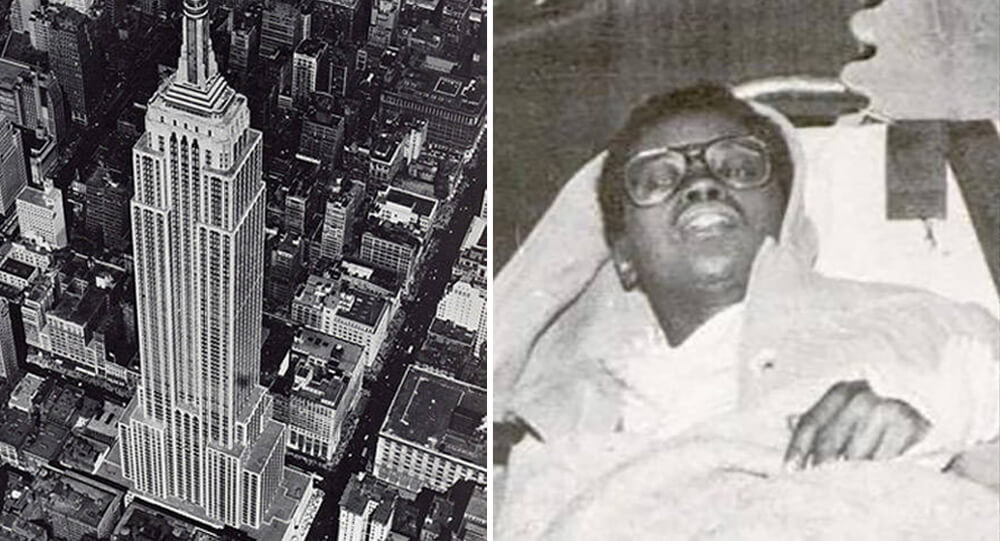
Elvita Adams jumps from the Empire State Building and amazingly survived
Elvita Adams once tried to commit suicide by jumping off the empire state building. She Jumped from the 86th floor but was blown back to 85th floor by a strong gust of wind.
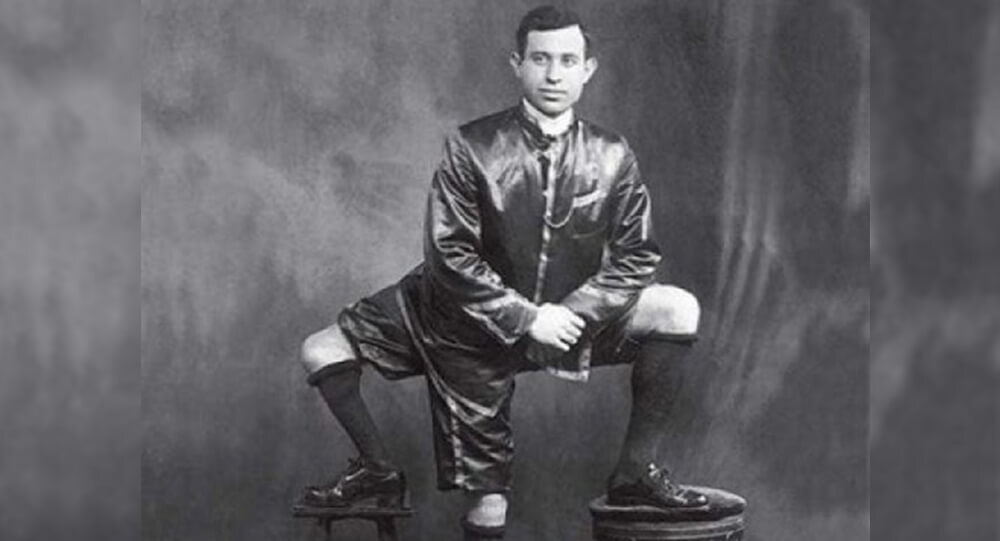
Frank Lentini, The Three-Legged Sideshow Performer
Francesco Lentini was a man with three legs, four feet, sixteen toes, and two sets of functional male genitals. He worked for the circus and lived to be 78 years old.
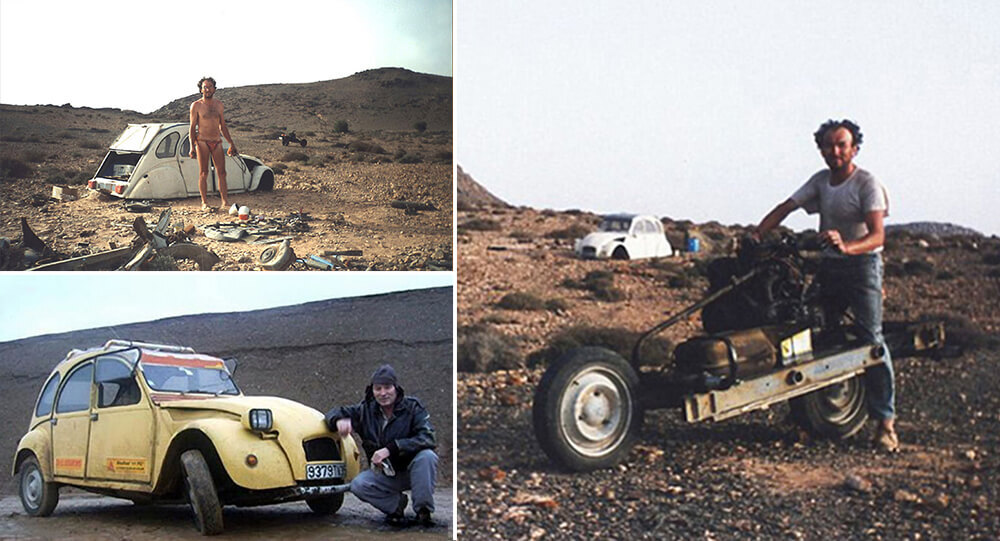
Man Trapped in the Sahara Desert Constructs a Bike From His Broken-Down Car to Save His Life
A man who became lost in the desert disassembled his broken-down car and turned it into a functional motorcycle, which he used to escape.

ILOVEYOU Virus, the worst computer virus of all time
The ILOVEYOU Virus, also known as Love Letter for You or Love Bug, had a high infection rate due to its ability to spread itself by copying entries from users' email address books. It is a virus that was created in 2000 by a college student in Manilla, Philippines, and was recognized by the Guinness Book of World Records as the worst computer virus of all time, causing more damage than anything before it.

Troy Leon Gregg: the death row inmate murdered the same night he escaped
In July 1980, Troy Leon Gregg escaped from Georgia State Prison the night before his execution. However, he was killed in a fight in a bar just a few hours later.

Croatian teenager wakes up from coma speaking fluent in German In 2010
In 2010, a Croatian teenager awoke from a coma to discover she could no longer speak Croatian but was fluent in German, a language she had just recently begun studying at school in the United Kingdom. reports in the press
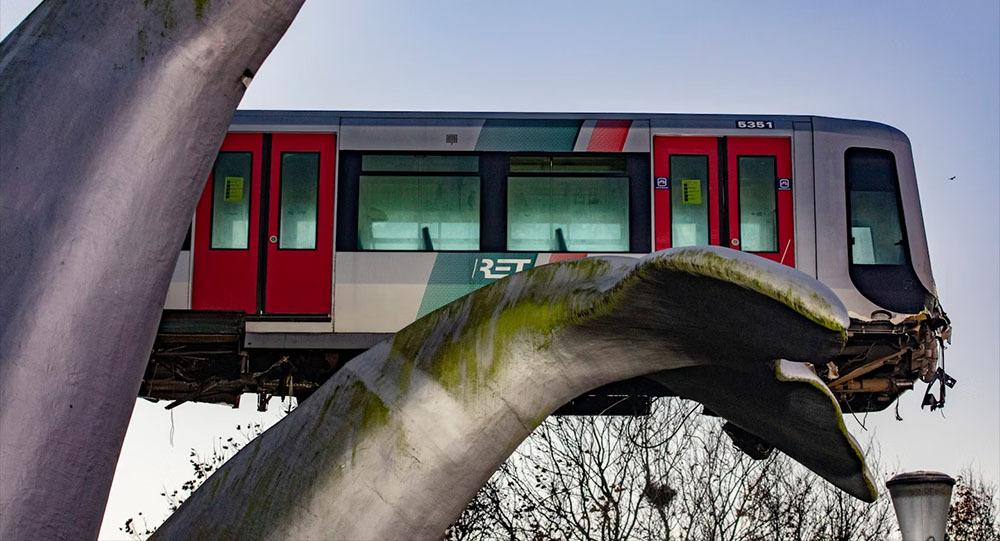
This whale tail sculpture saved a train that went off the rails
A train in the Netherlands failed to stop in time and broke through the emergency barrier. It's being held up by the statue of a whale's tail.

JBJ Soul Kitchen: Bon Jovi's community restaurant
JBJ Soul Kitchen is a community restaurant by Jon Bon Jovi with no prices on the menu; customers donate to pay for their meals. If you are unable to donate you may do volunteer work in exchange for your family’s meal.

The beauty and uniqueness of Fukang Meteorite
This Fukang meteorite is around 4.5 billion years old and weighs more than 2,000 pounds. It was discovered in China in 2014 and is assumed to have formed when our solar system initially formed.

'Press Your Luck' Was Hacked in 1984 by an Ice Cream Man
in 1984 an contestant made it onto the game show Press Your Luck. He discovered using his stop-motion VCR that the presumed random patterns of the game board were not random and memorized the sequences. On the game he was on, he won 45 consecutive spins. winning $110,237 in cash & prizes.
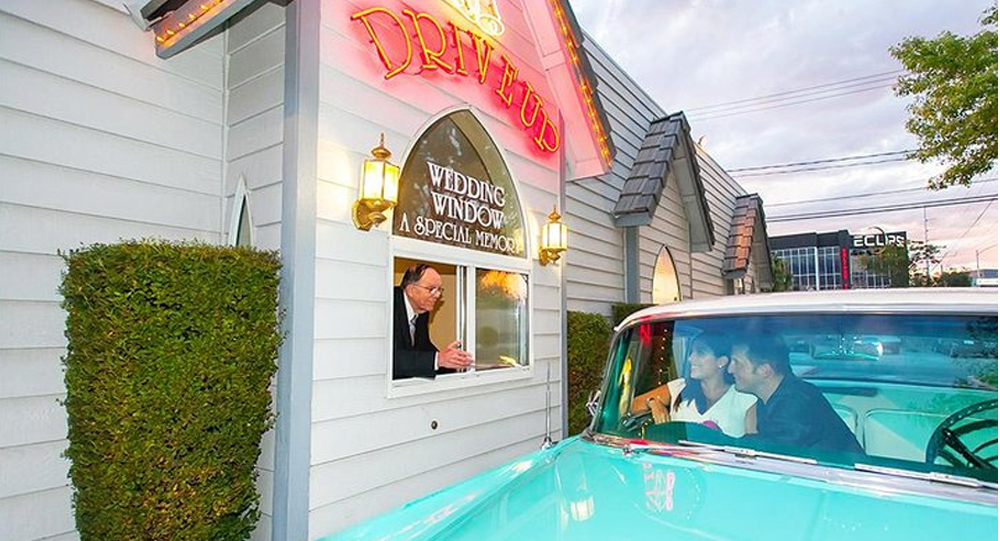
Drive-Thru Weddings in Las Vegas: The Ultimate Fast, Fun, and Legal Way to Say “I Do”
Inspired by fast food convenience, Las Vegas offers drive-thru weddings where couples can legally marry in under 5 minutes—without leaving their car. Some chapels even offer curbside Elvis impersonators and 24/7 ceremonies, complete with “to-go” marriage licenses.

stranded hikers rescued by a life-saving iPhone feature
Stranded hikers were rescued by a life-saving iPhone feature that an awful lot of folks don't know a lot about.

Inspiring story of Emma Schols who Saved Her Six Kids From A Burning House
Emma Schols, a Swedish mother, saved all six of her children from a devastating house fire in 2019, running from room to room through flames while bleeding and losing skin. Against all odds, she survived with severe burns covering 90% of her body.

Whang-od Oggay, The legendary tattoo artist from the Philippines
This is Whang-od Oggay, a 106-year-old tattoo artist from the Philippines. She is often described as the last and oldest Kalinga tattoo artist, and has been performing the traditional art of hand-tapped tattoos since the age of 15
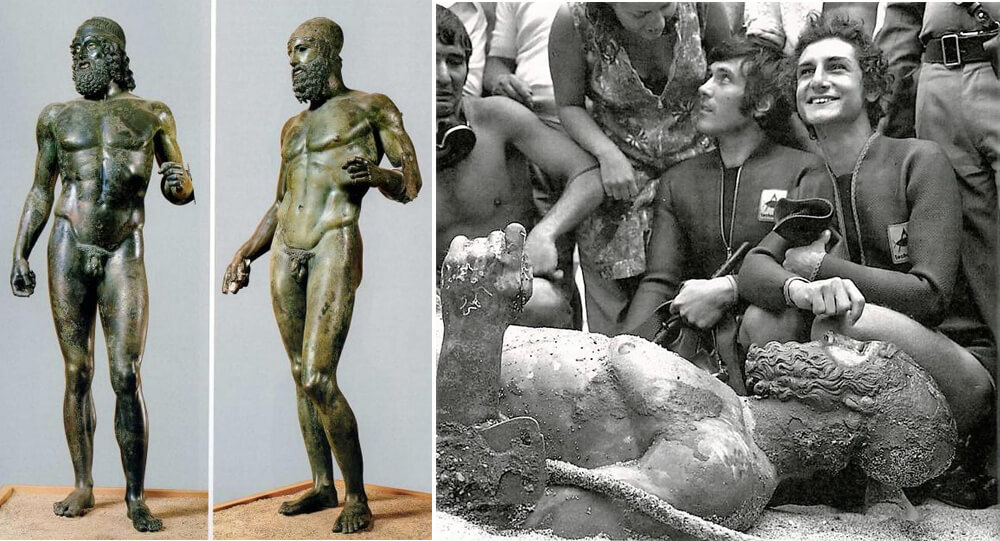
The accidentally discovery of Riace bronzes
Stefano Mariottini was snorkeling off the coast of Monasterace near Riace in 1972 when he noticed a human hand sticking out of the sand and called the police, thinking it was a corpse. It was actually two statues of "Warriors from Riace" - 5th century BC Greek bronze statues.
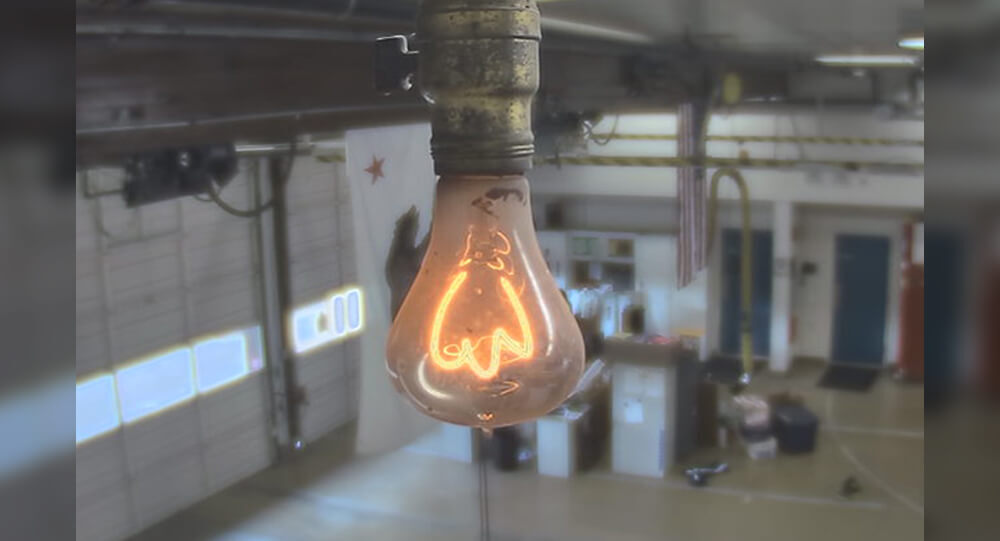
Longest burning light bulb, The centennial light bulb in livermore, California
The world's longest lasting light bulb holds the Guinness World Record, and has been illuminating local fire stations in Livermore, California since 1901, the year Queen Victoria died.
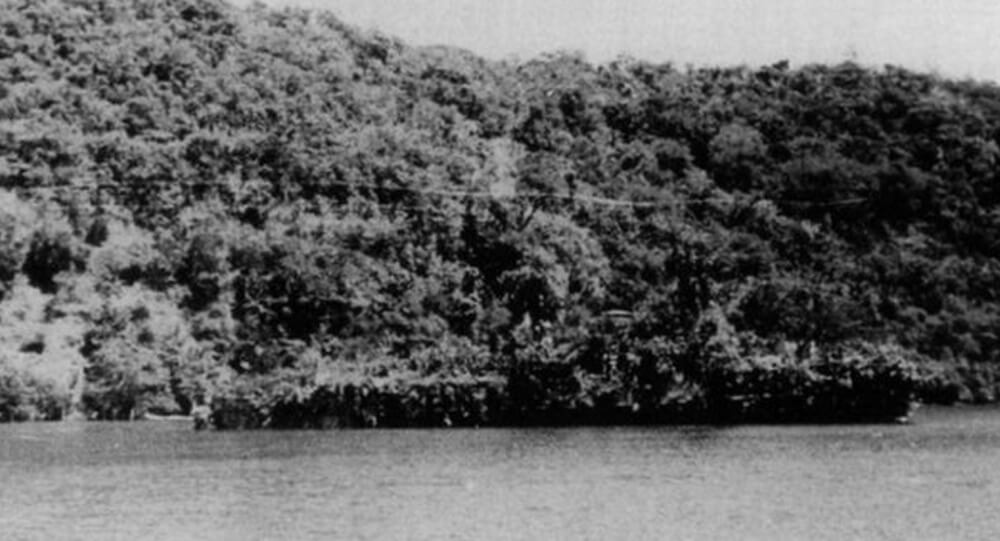
Abraham Crijnssen – The Ship That Disguised Itself As An Island
During World War II a Dutch minesweeper evaded the Japanese for eight days disguised as an island. The crew covered the decks in cut trees and painted exposed surfaces to look like rocks. They moved only at night and anchored closed to shore by day, eventually escaping to Australia.
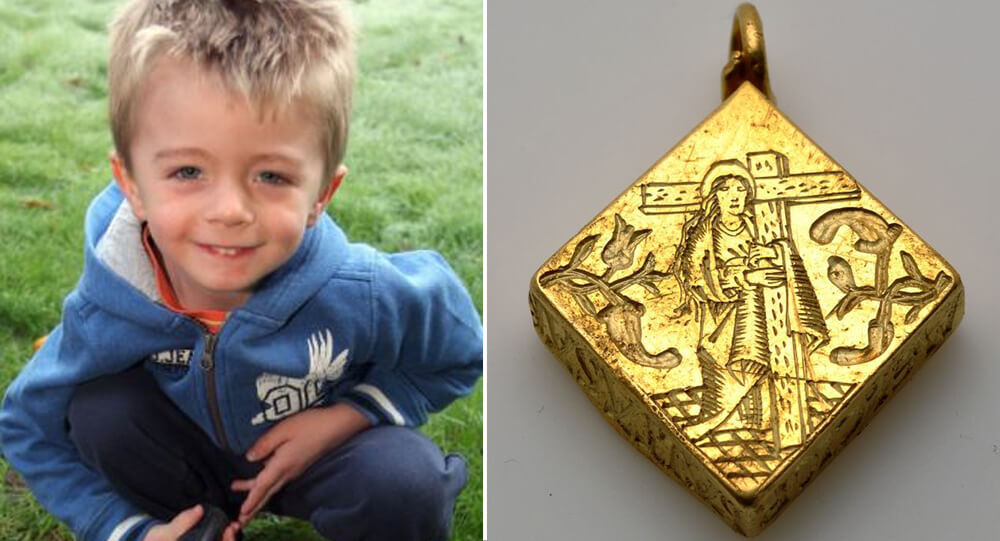
A three-year-old boy discovers a $4 million pendant in England
A $4 million 16th-century gold pendant was discovered in 2010 by a three-year-old boy using his father's metal detector.