
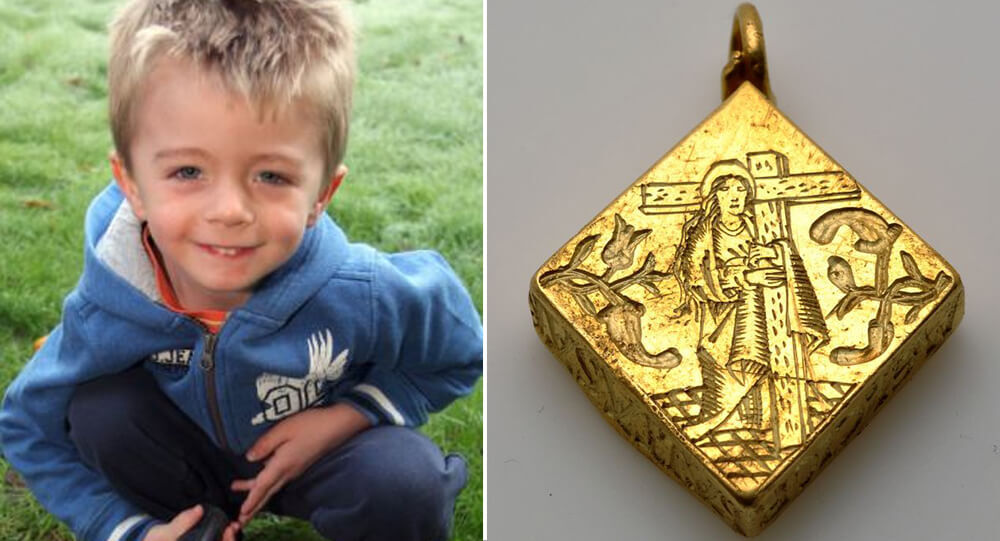
A teenage British treasure hunter used his metal detector for the first time on 2010 and discovered something unexpected and precious. James Hyatt, three, was using it when “it went beep beep beep.”
Hyatt and his father began excavating, and on they made their 500-year-old gold pendant discovery public. It is worth roughly $4 million, according to experts.

According to the BBC, the Hyatts discovered the pendant in a field, and if it is sold, they will split the proceeds with the landowner.


According to the BBC, the British Museum estimates that the pendant weighs a third of an ounce and has a gold content of roughly 73%. The Virgin Mary is most likely depicted in an engraving on the pendant. The five wounds of Christ are also adorned on it.
“Devotion to the blood and wounds of Christ was one of the trademarks of late medieval piety,” the British Museum writes in a letter that is cited by the BBC.


World's largest iceberg breaks off Antarctica
In 1986, the iceberg known as A23a broke away from the Antarctic coast. However, it quickly grounded in the Weddell Sea, effectively turning into an ice island.
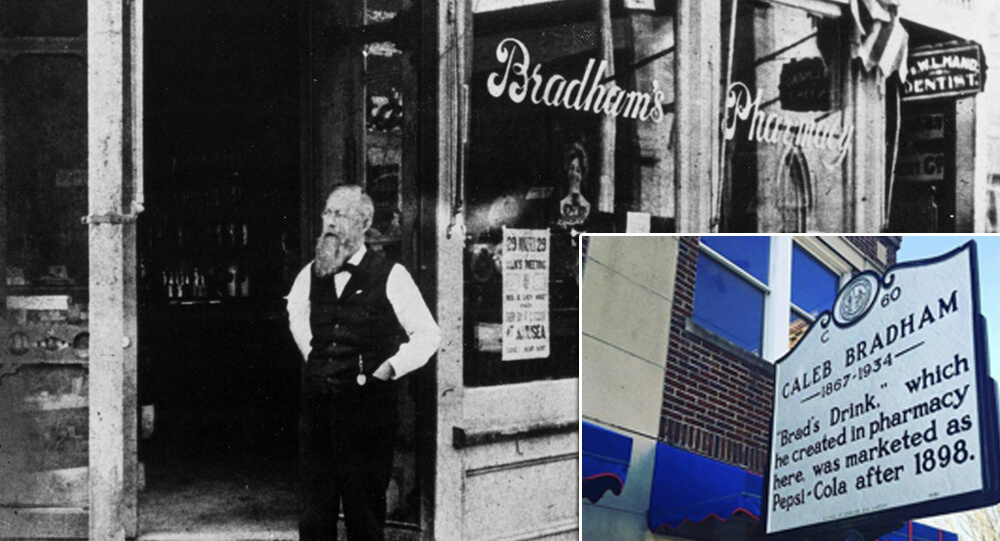
How 'Brad's Drink' Became Pepsi-Cola
Pepsi was first introduced as “Brad’s Drink” in New Bern, North Carolina, United States, in 1893 by Caleb Bradham, who made it at his drugstore where the drink was sold. It was renamed Pepsi Cola in 1898, named after the digestive enzyme pepsin and kola nuts used in the recipe.


Man uses first-class ticket to eat for free at airport's VIP lounge for almost a year
A Chinese man purchased a First Class Ticket, which included admission to a VIP Lounge with free food. Over the course of a year, he rescheduled over 300 times in order to receive over 300 free dinners. When questioned, it was discovered that he is rescheduling his reservation to another date after eating. He eventually cancelled the ticket and got a full refund.
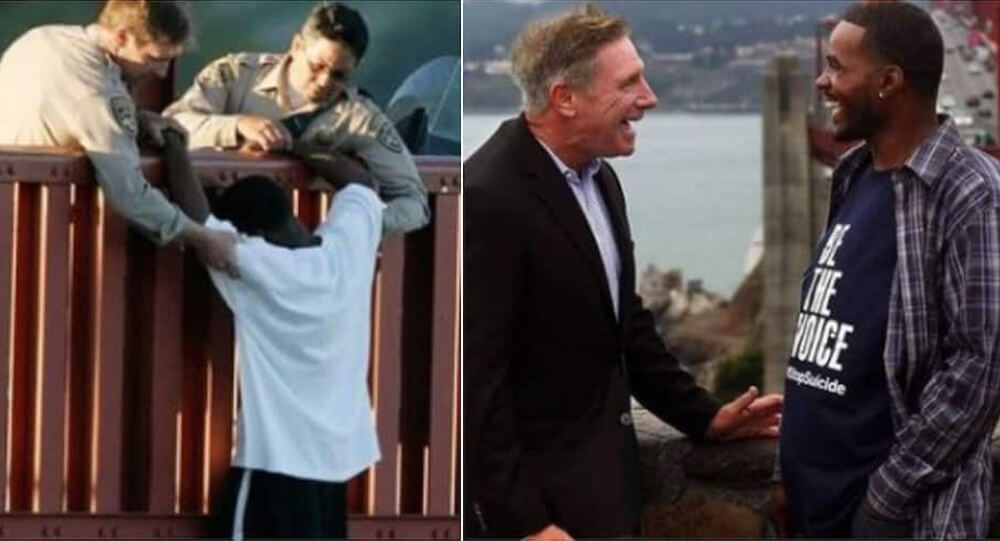
A man who was saved from committing suicide 16 years ago now assists people dealing with mental health issues
Kevin Berthia traveled to the Golden Gate Bridge in 2005 to commit suicide. He ended up spending 92 minutes on the edge of the bridge talking to officer Kevin Briggs about his life. In much better circumstances, they cross paths at the same bridge ten years later.

chand baori stepwell in Rajasthan India, Ancient cooling technique
This Chand Baori stepwell in Rajasthan, India is over 1200 years old. It’s called Chand Baori. The air at the bottom of the well is 5-6 degrees cooler than at the surface, so in addition to being a water source, it was used as a community gathering place where locals could escape the heat.

Whang-od Oggay, The legendary tattoo artist from the Philippines
This is Whang-od Oggay, a 106-year-old tattoo artist from the Philippines. She is often described as the last and oldest Kalinga tattoo artist, and has been performing the traditional art of hand-tapped tattoos since the age of 15
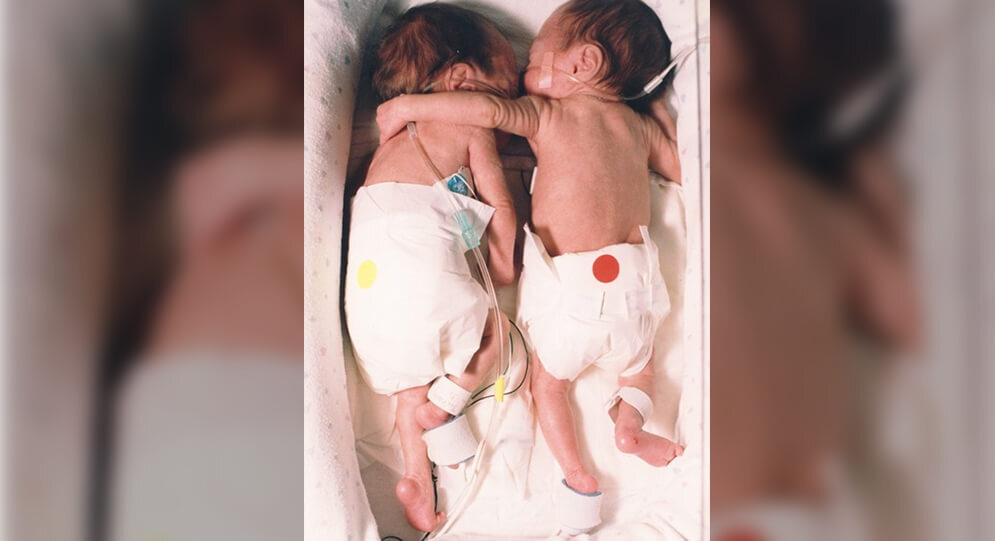
The rescuing hug - the touching story of twins Brielle and Kyrie Jackson
Brielle and Kyrie Jackson’s lifesaving hug was captured when Brielle was struggling to breathe and going blue. As a final option, the nurse deviated from protocol and placed them in the same incubator. Kyrie wrapped her arm around her sister, who immediately began to stabilize
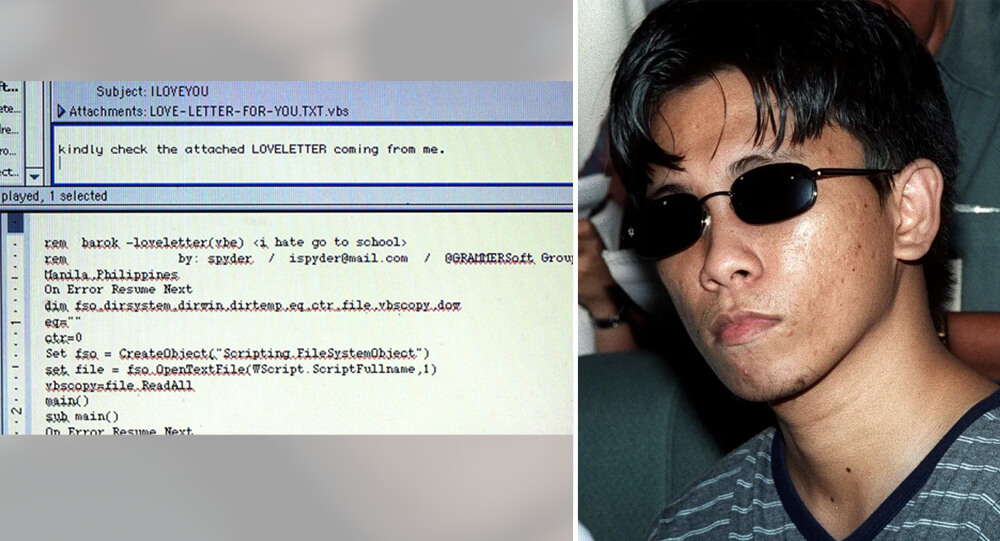
ILOVEYOU Virus, the worst computer virus of all time
The ILOVEYOU Virus, also known as Love Letter for You or Love Bug, had a high infection rate due to its ability to spread itself by copying entries from users' email address books. It is a virus that was created in 2000 by a college student in Manilla, Philippines, and was recognized by the Guinness Book of World Records as the worst computer virus of all time, causing more damage than anything before it.
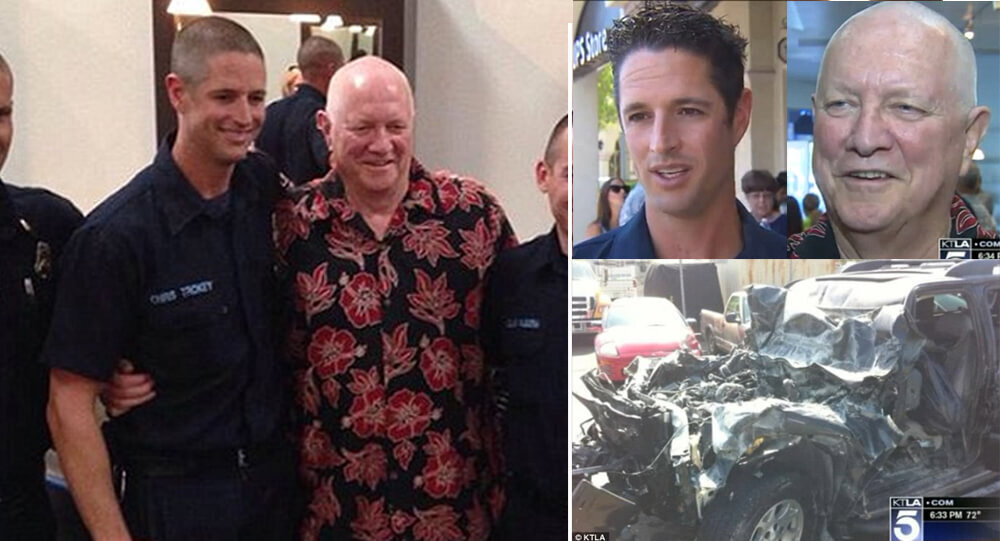
Paramedic Rescues Doctor Who Saved Him 30 Years Earlier
In 1981, a doctor helped save the life of a 3.2 pounds premature baby boy. Thirty years later, the boy, who had grown up to be a firefighter-paramedic, helped in saving the same doctor from a car accident.

Croatian teenager wakes up from coma speaking fluent in German In 2010
In 2010, a Croatian teenager awoke from a coma to discover she could no longer speak Croatian but was fluent in German, a language she had just recently begun studying at school in the United Kingdom. reports in the press
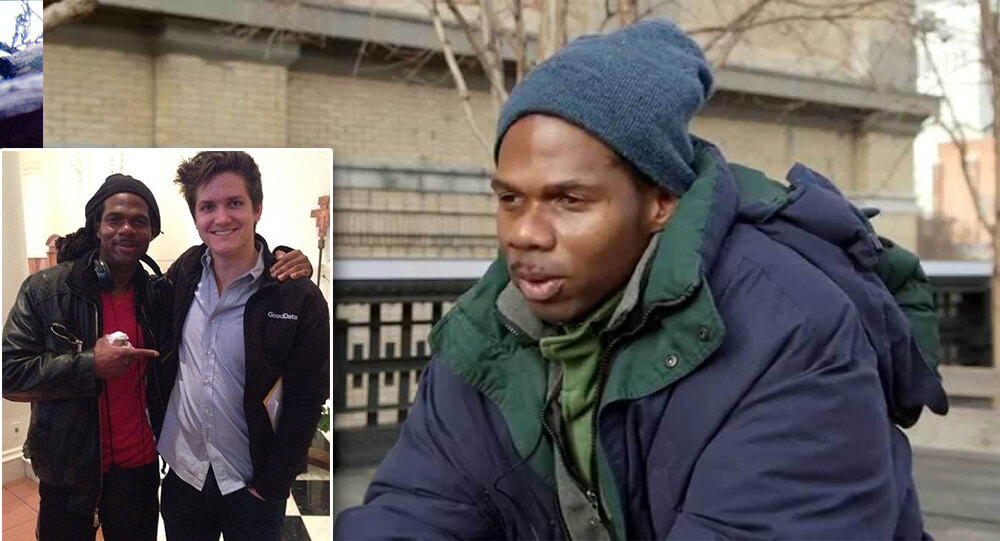
Leo Grand: from homeless to mobile app developer
In 2013, A young programmer offered a homeless man the choice between $100 cash or coding lessons. Leo Grand chose the lessons, and his first mobile app was “Trees for Cars," which helps drivers find carpooling partners.
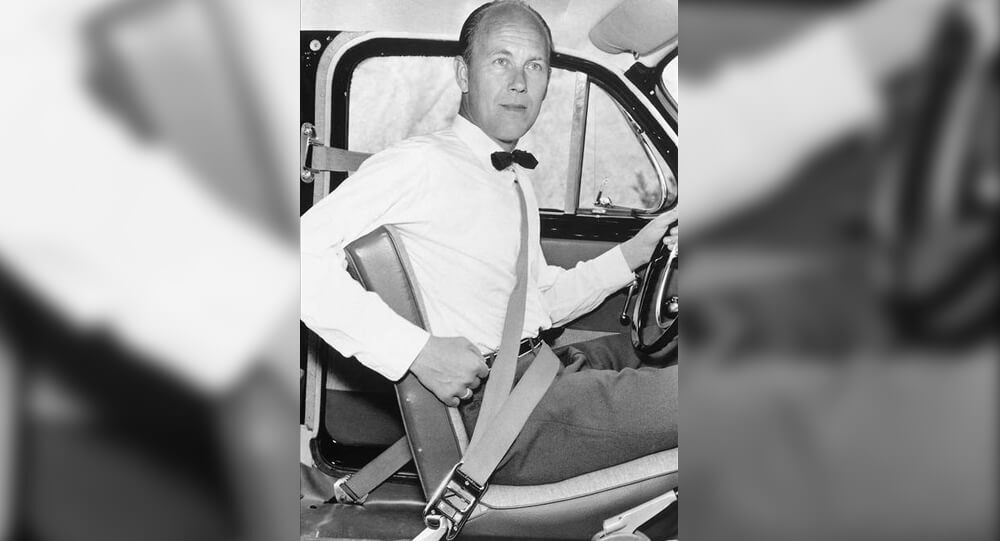
Who invented the three-point seat belt?
While employed by Volvo in 1959, Swidish engineer Nils Bohlin created the three-point safety belt. Volvo first had the design patented, but soon as they discovered its importance as a new safety measure, they made the patent open to everyone. Millions of lives were genuinely spared by Volvo’s gift to the world.

Smart guy brings life-sized cutout of his late mother to his graduation
Even though that his mother passed away in 2016, a young man had a clever idea to make a life-size cutout of her and bring it to the event so that she could attend his graduation ceremony.
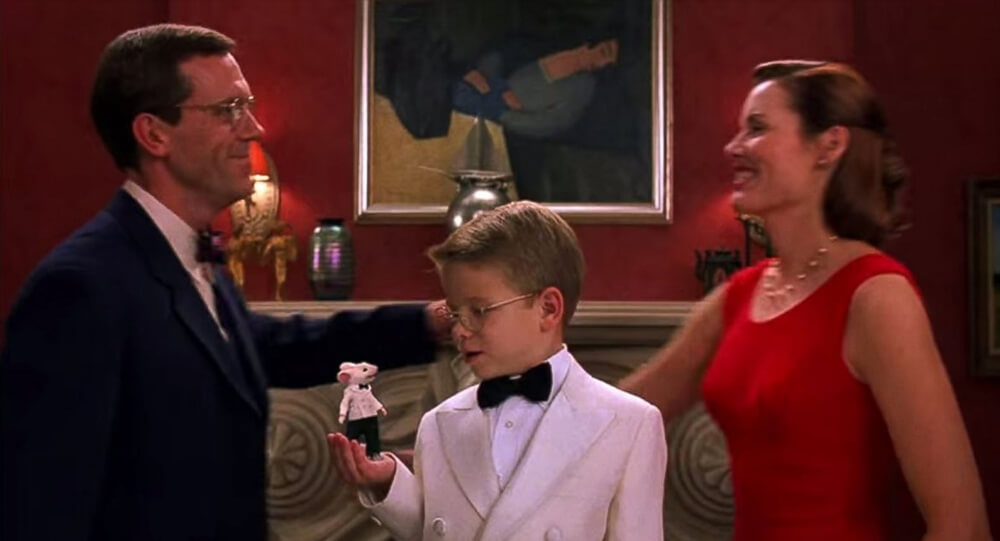
Missing Masterpiece Discovered in the Background of ‘Stuart Little’
In 2009, Gergely Barki, an art historian, was watching the film Stuart Little (1999) when he spotted an original long-lost painting used as a prop. Called Sleeping Lady with Black Vase, this painting was the work of Hungarian avant-garde painter Róbert Berény. The painting had been considered lost after World War II.
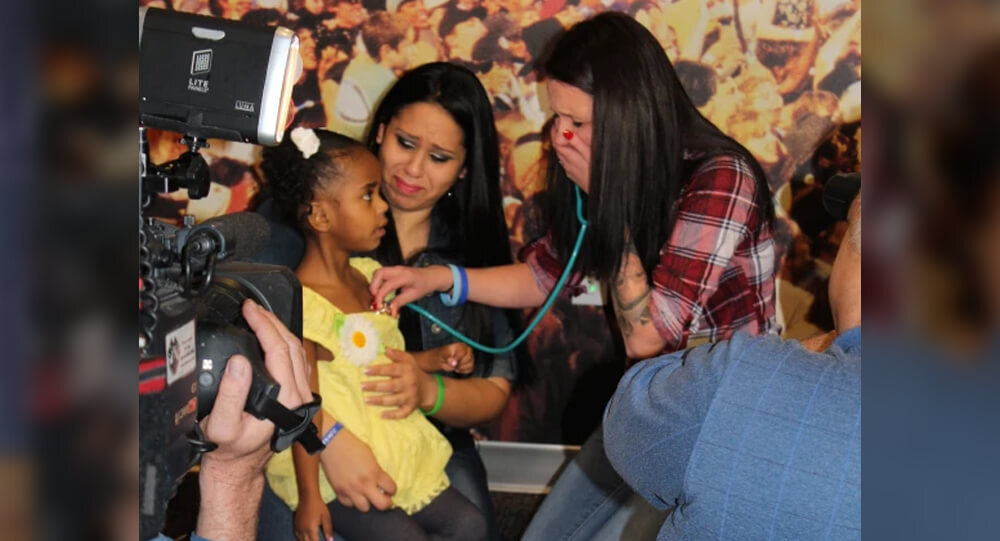
Mom hears son's heartbeat 3 years after his death when she meets organ recipient
She agreed to donate her son's organs after his sudden death in June 2013 at the age of 7 months. The grieving mother was able to listen to her late son’s heart beating inside the little girl who received the organ after his death.
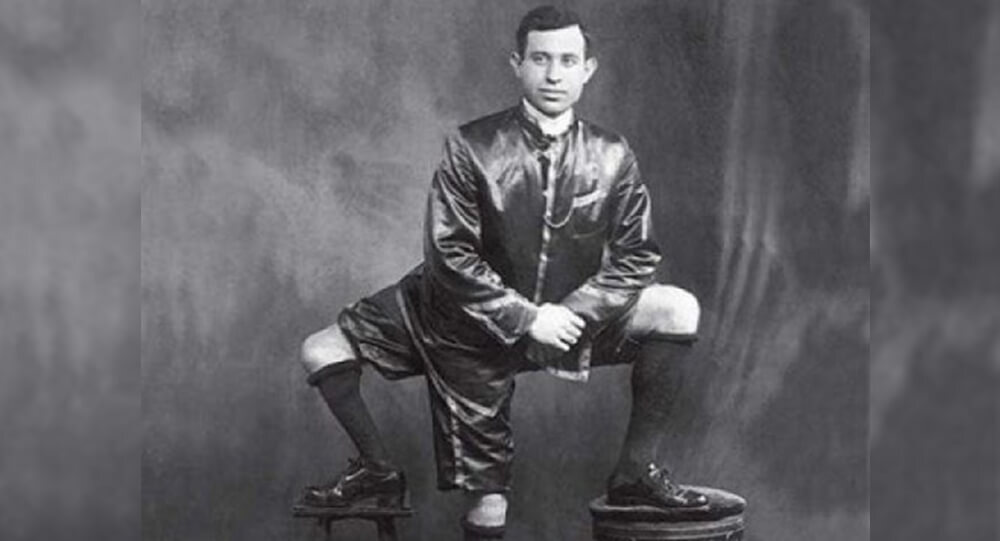
Frank Lentini, The Three-Legged Sideshow Performer
Francesco Lentini was a man with three legs, four feet, sixteen toes, and two sets of functional male genitals. He worked for the circus and lived to be 78 years old.
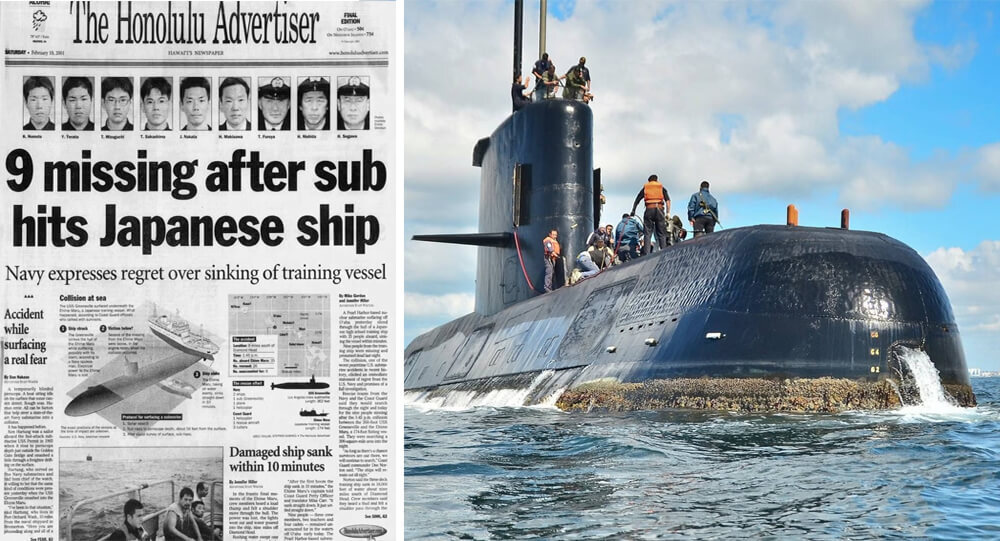
A U.S. Submarine Collides with a Japanese Fishing Ship in 2001
In 1998, 14-year-old Michael Crowe was charged with the murder of his sister. The police started targeting him after he seemed “distant and preoccupied” when his sister’s body was discovered, and during interrogation, police coercion led him to make a false confession. He was later declared factually innocent and the family won a lawsuit of $7.25 million in 2011.
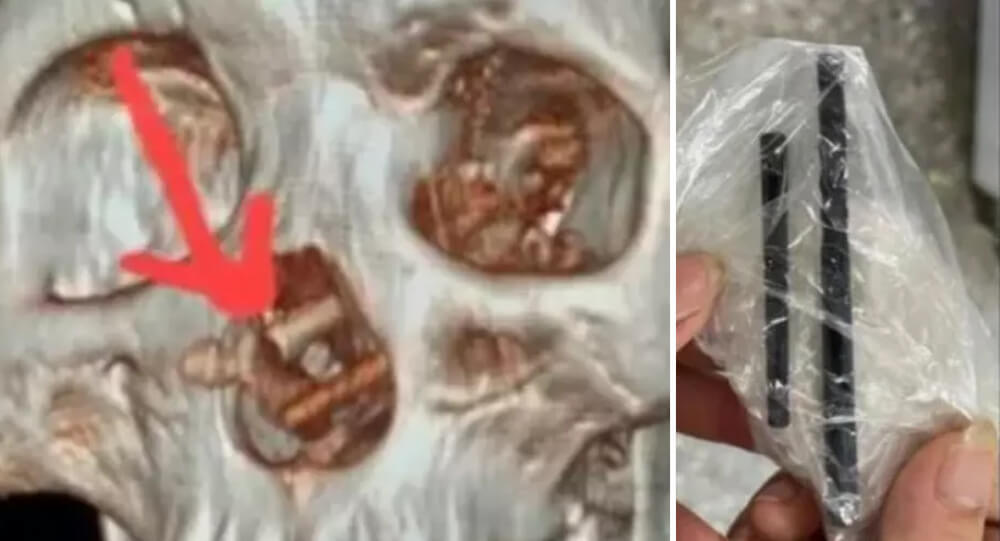
A man who has been suffering from headaches for nearly six months discovers chopsticks lodged in his brain
When it was discovered that a Vietnamese man with headaches and vision problems had chopsticks lodged in his brain, the doctors were almost as surprised as the man himself.

Abraham Crijnssen – The Ship That Disguised Itself As An Island
During World War II a Dutch minesweeper evaded the Japanese for eight days disguised as an island. The crew covered the decks in cut trees and painted exposed surfaces to look like rocks. They moved only at night and anchored closed to shore by day, eventually escaping to Australia.

Restaurant owner offers burglar a job rather than filing charges
On April 13, 2021, Diablo’s Southwest Grill was robbed, but instead of pressing charges, owner Carl Wallace decided to offer the burglar a job in his business and said “There are better opportunities out there than this path you’ve chosen,”.

Tourist in China left hanging from 330-ft-high glass bridge as wind blows away its panels
The popular tourist attraction glass-bottomed bridge was shattered after a strong wind blew away its panels. A Chinese tourist was left stranded in strong winds 330 feet up on a glass-bottomed bridge.

Beyoncé and Jay-Z's Hospital Security Blocked NICU Access for Father of Premature Twins
A father was denied access to see his premature twins in the NICU when Beyonce and Jay-Z had their daughter at the same time.

The Man Who Survived Falling Through a Thunderstorm, William Rankin
William Rankin was a fighter pilot who survived an ejection into a thunderstorm. He suffered frostbite, violent wind and lightning, severe decompression, and nearly drowned from breathing in rain water. He was in the cloud for over 40 minutes in total.
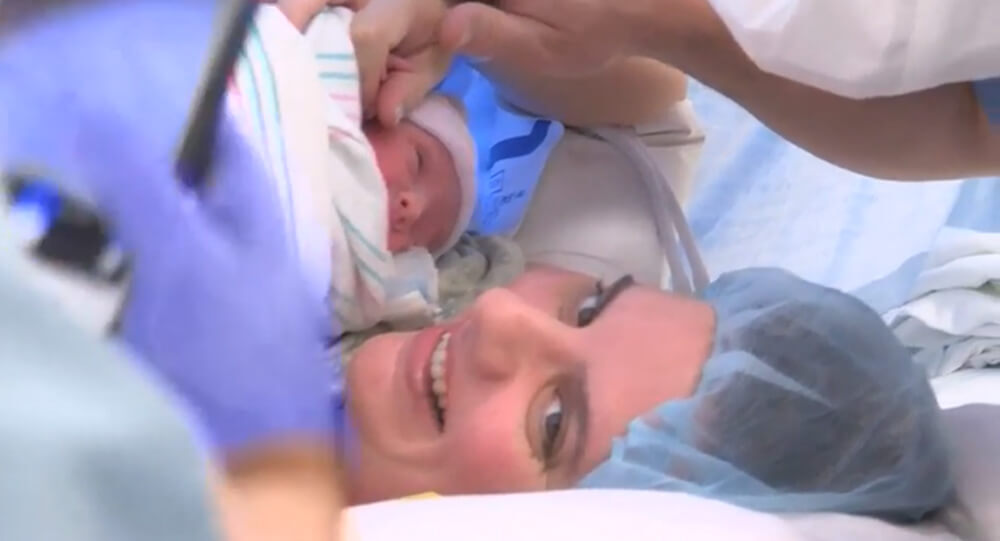
Baby Lynlee 'born twice' after life-saving tumour surgery
Baby Lynlee was "born twice." First, surgeons brought her out of the womb to remove a spinal tumor. After the successful surgery, she was placed back and born again as a healthy baby girl.
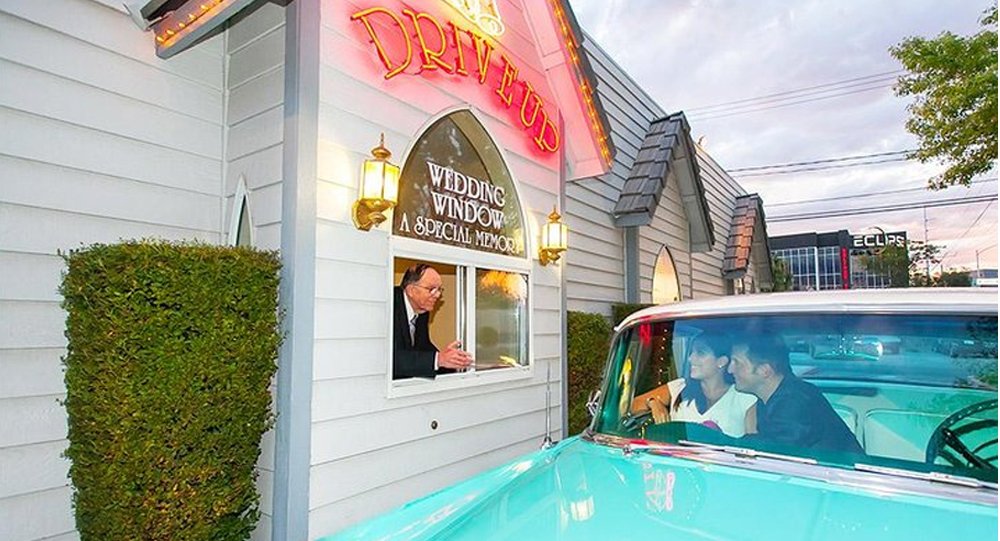
Drive-Thru Weddings in Las Vegas: The Ultimate Fast, Fun, and Legal Way to Say “I Do”
Inspired by fast food convenience, Las Vegas offers drive-thru weddings where couples can legally marry in under 5 minutes—without leaving their car. Some chapels even offer curbside Elvis impersonators and 24/7 ceremonies, complete with “to-go” marriage licenses.