
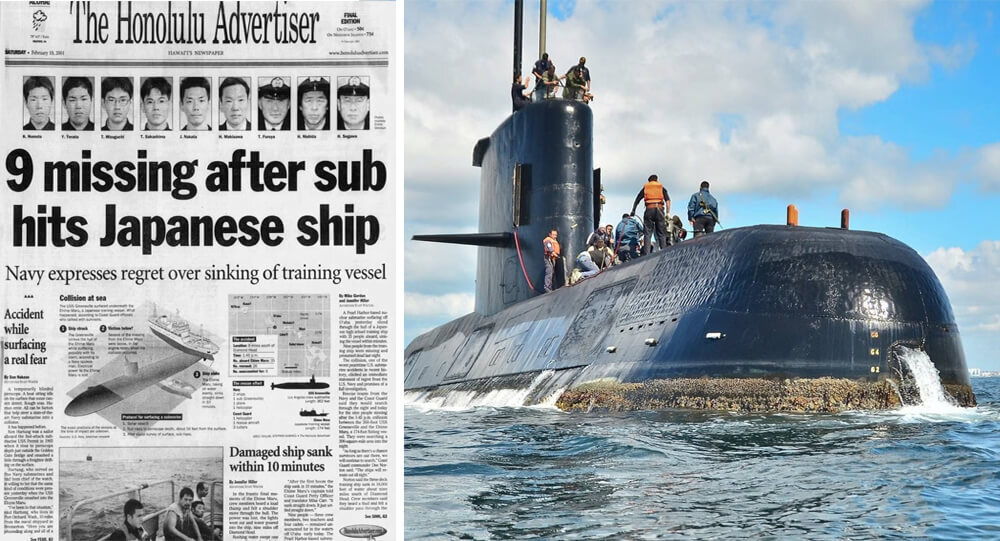

A U.S. Submarine Collides with a Japanese Fishing Ship in 2001
On February 9, 2001, the USS Greeneville of the United States Navy and the Ehime Maru of Japan collided in a tragic maritime accident. Nine crew members from the Ehime Maru died in this incident that happened off the coast of Oahu, Hawaii, including four high school students. International controversies broke out over the collision, casting doubt on naval tactics and maritime communication conventions.
In addition to being a tragic accident, the collision between the USS Greeneville and the Ehime Maru also strained diplomatic ties between the United States and Japan. This incident took place when tensions between the two nations were already at an all-time high. The collision brought to light the potential risks associated with military training exercises as well as the requirement for improved coordination and communication between naval forces and civilian vessels. It also emphasized how crucial it is to look into incidents like these and hold those responsible accountable in order to stop them from happening again.
Brief Overview of the USS Greeneville and the Ehime Maru
the USS Greeneville
A fast-attack submarine of the Los Angeles class, the USS Greeneville (SSN 772) was launched in 1996. It is a powerful asset in the fleet of the United States Navy thanks to its sophisticated sonar and radar systems. The submarine is about 360 feet long, and it can accommodate 140 people on its crew.
the Ehime Maru
The Uwajima Fishery High School in the Japanese prefecture of Ehime operated the Japanese training ship known as the Ehime Maru. The 190-foot-long ship’s main purpose was to educate and give practical experience to high school students who wanted to become fishermen. There were 35 people on board the Ehime Maru at the time of the collision, including crew members and students.
The Tragic Collision: Unraveling the Events Leading to the Accident
The USS Greeneville was performing a demonstration cruise for invited civilians on the morning of February 9, 2001. The submarine, as part of the demonstration, carried out an emergency surfacing maneuver known as a “rapid ascent.” Unfortunately, during the ascent, the Greeneville collided with the Ehime Maru, which was nearby carrying out a routine fishing training exercise.
Initial investigations showed that the collision was caused by a number of factors. The crew of the submarine had difficulty detecting sonar, there were several ships in the surface picture, and the USS Greeneville and nearby civilian ships were unable to effectively communicate. These errors in coordination and situational awareness were very important in the tragic accident.
The Ehime Maru was severely damaged in the collision, which caused it to sink quickly. Nine crew members, including four students, perished in spite of rescue efforts. There were no crewmember casualties reported for the USS Greeneville, which only received minor damage. Rescue efforts were launched in a flurry immediately after the collision, and the accident’s cause was being looked into.
Immediate Aftermath: Rescue Efforts and Communication Challenges
After the collision, the USS Greeneville started search and rescue operations right away, sending out divers and life-saving supplies to help the survivors. The submarine additionally assisted the crew members of the Ehime Maru who were trapped in the water by dispatching rescue swimmers.
Authorities from the US and Japan, including the US, participated in rescue operations. Japanese Maritime Self-Defense Force and the Coast Guard. The nine crew members who were still missing were eventually ruled dead despite the rescue teams’ heroic efforts.
The incident brought to light the difficulties in maintaining communication between military and civilian ships during maritime joint operations. The collision revealed weaknesses in procedures intended to protect civilian ships near naval exercises. The need for better coordination, greater situational awareness, and improved communication between naval forces and civilian maritime operators was later emphasized in attempts to address these issues.
Diplomatic Tensions: U.S.-Japan Relations in the Wake of the Collision
Diplomatic tensions between the United States and Japan were at an all-time high following the collision between a U.S. submarine and a Japanese fishing ship in 2001. Both nations quickly expressed their outrage and demanded explanations. Japan demanded a prompt and thorough investigation and that those responsible be held accountable after feeling betrayed and upset by the incident.
Government representatives rushed to address the incident and reassure the people in each country. The American government apologized and pledged to conduct a thorough investigation into what went wrong. On the other hand, Japanese officials were under intense pressure to defend their citizens and demand a fair and transparent procedure. The incident tested the diplomatic skills of leaders on both sides, as they tried to navigate the choppy waters of international relations in the face of public outrage.
Both in Japan and the United States, the collision attracted media attention. The tragic incident made headlines, emphasizing the lives lost and the effect it had on the two countries’ relations. The general public in both nations was extremely critical, calling for accountability and appropriate steps to stop similar incidents from happening in the future. The media was instrumental in keeping the incident in the public eye and ensuring that the governments continued to come under scrutiny and responded quickly to the tragedy.
Investigation and Accountability: Uncovering the Causes and Assigning Responsibility
Both the United States and Japan established investigation committees to ascertain the reasons for the collision and determine who was to blame. Experts from a variety of disciplines, such as naval operations, maritime law, and accident investigation, made up these committees. The objective was to conduct a comprehensive investigation into the circumstances leading up to the collision and find any negligence or protocol violations.
The investigation found a string of mistakes and misunderstandings that ultimately caused the collision. The Japanese fishing ship failed to make the necessary evasive maneuvers, and it was found that the U.S. submarine was operating in an area where it shouldn’t have been. The report emphasized the requirement for improved cooperation and communication among maritime vessels in order to avoid similar incidents.
It was difficult to decide who was to blame and who needed to take responsibility. The investigation committees came to the conclusion that the crews of the Japanese fishing ship and the U.S. submarine both contributed to the collision. The incident highlighted the necessity of better instruction and protocol observance for all maritime operators. Although it was a challenging process, accountability for both parties was essential for preserving trust between the United States and Japan.
Reforms and Safety Measures in Submarine Operations
Significant policy adjustments and reforms in submarine operations were prompted by the collision for both Japan and the United States. Improved communication protocols between submarines and other maritime vessels were among these modifications, as were stricter rules for submarine navigation in sensitive areas. The incident served as a wake-up call, emphasizing the requirement to prioritize safety and lower the possibility of similar accidents happening in the future.
Operators of submarines in both nations emphasized the significance of improved safety measures and training procedures. The incident exposed flaws in training protocols and the need for increased knowledge of global maritime regulations. In order to ensure that submarine crews are well-equipped to handle challenging situations and operate with the utmost caution, stringent training programs have been put in place.
The United States and Japan established joint exercises and training programs to foster better coordination and understanding between their naval forces in an effort to stop similar incidents from occurring in the future. In order to improve situational awareness and lower the risk of collision, better technology and communication systems have also been implemented. Both nations understood how crucial it was to take lessons from the past and make the necessary changes to stop accidents from happening again.
Remembering the Victims and the Legacy of the Incident
The collision between the American submarine and the Japanese fishing vessel had a profound effect on the victims’ families. No family should have to deal with the loss of a loved one in such a tragic incident. They were united in their sorrow by the incident, which also made everyone aware of the human cost of such accidents.
In order to remember the victims and keep their memory alive, memorials and commemorations were held. These occasions gave the affected families and the larger community a chance to come together and pay respect to those who lost their lives. This incident serves as a reminder of the necessity of ongoing safety standards improvement efforts in submarine operations.
A tragic event that put U.S.-Japanese relations to the test was the collision between the U.S. submarine and the Japanese fishing ship in 2001. It resulted in heightened diplomatic tensions, in-depth investigation, and significant changes to submarine operations. The collision between the USS Greeneville and the Ehime Maru serves as a somber reminder of the need for accountability, continuous improvement, and the highest priority placed on the safety of maritime operations. In conclusion, the incident serves as a somber reminder of the tragic consequences that can result from maritime accidents. A review of safety precautions and procedures was prompted by the incident, and this led to significant changes in submarine operations. It also had a long-lasting effect on U.S.-Japanese relations, emphasizing the importance of open communication and responsibility during crises. As we remember the victims of this unfortunate event, we must also acknowledge the lessons learned to ensure a safer and more secure future at sea.
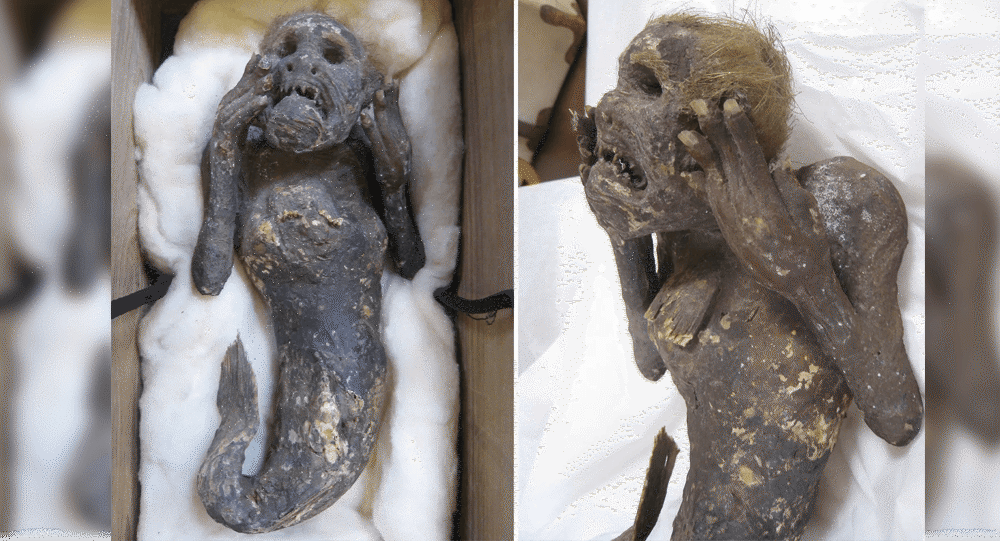
Mystery of 300-year-old mummified mermaid is being probed
There is a 300-year-old mummified mermaid with 30 centimetres tall and features a human-like head, two hands with what appear to be fingernails, and its lower body that look like a fish tail. The “mermaid mummy” is being probed by Japanese scientists in an attempt to unravel the mystery of its existence.

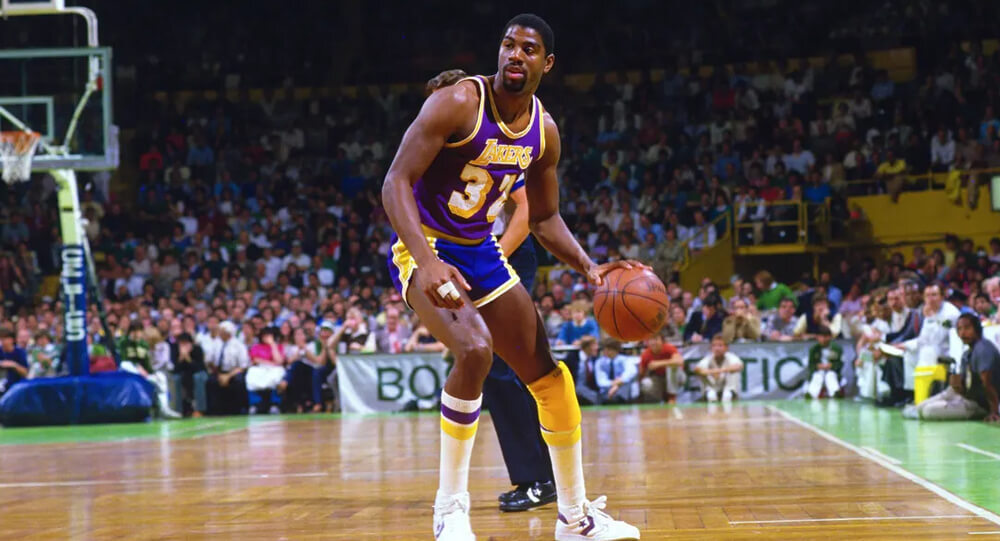
How Magic Johnson Missed Out On $7 Billion Nike deal
Magic Johnson turned down a deal with Nike in 1979 that offered him 100,000 shares of stock and $1 for every pair of shoes sold. Instead, he chose Converse, which offered him $100,000 per year. Johnson lost about $5 billion by declining the Nike deal.

This whale tail sculpture saved a train that went off the rails
A train in the Netherlands failed to stop in time and broke through the emergency barrier. It's being held up by the statue of a whale's tail.

Hyperinflation of the Zimbabwe dollar turning phasing out their local money in 2015
Hyperinflation of the Zimbabwe dollar made it one of the lowest valued currencies in the world. So the country abandoned it in 2009, and switched to using foreign money. In 2015, to complete the process of phasing out their local money, the government offered to exchange it at a rate of one US dollar for 35 quadrillion Zimbabwean dollars.
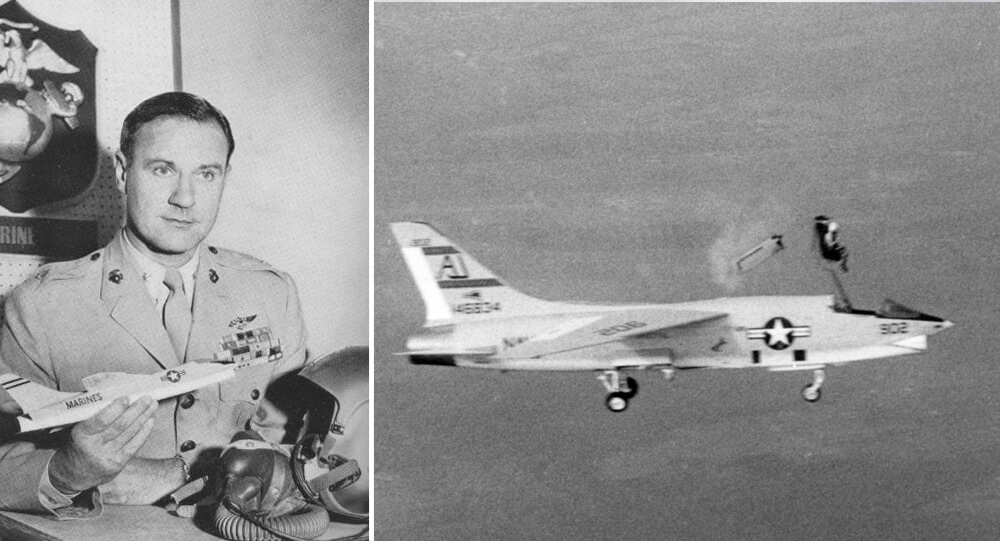
The Man Who Survived Falling Through a Thunderstorm, William Rankin
William Rankin was a fighter pilot who survived an ejection into a thunderstorm. He suffered frostbite, violent wind and lightning, severe decompression, and nearly drowned from breathing in rain water. He was in the cloud for over 40 minutes in total.

A woman who had been lost since she was a newborn 51 years ago was said to have been spotted
A woman who had been lost since she was a newborn for 51 years was reported to have been sighted.
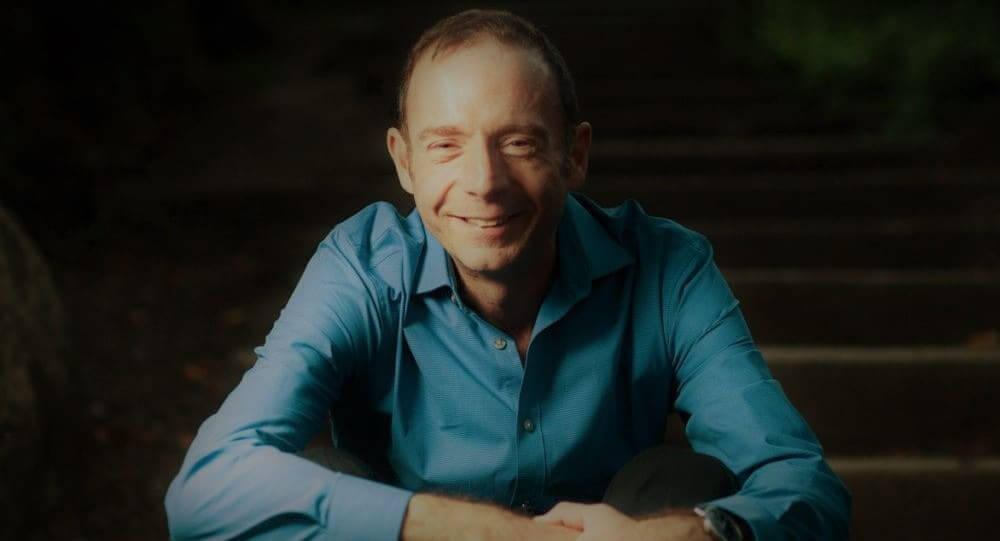
Timothy Ray Brown, who inspired millions of HIV-positive people, died of leukemia
Timothy Ray Brown, also known as "The Berlin Patient," was the first person to be HIV-free. He was diagnosed with leukemia in 2006 and had a bone marrow transplant in 2007 as part of his treatment. The transplant helped him overcome the otherwise incurable disease thanks to the rare, HIV-resistant donor.

Aitzaz Hasan, Pakistani school boy who sacrificed his life from suicide bomber
Aitzaz Hasan, a 15 year old Pakistani school boy, sacrificed his life while preventing a suicide bomber from entering his school of 2000 students. His father said "My son made his mother cry but saved hundreds of mothers from crying for their children."
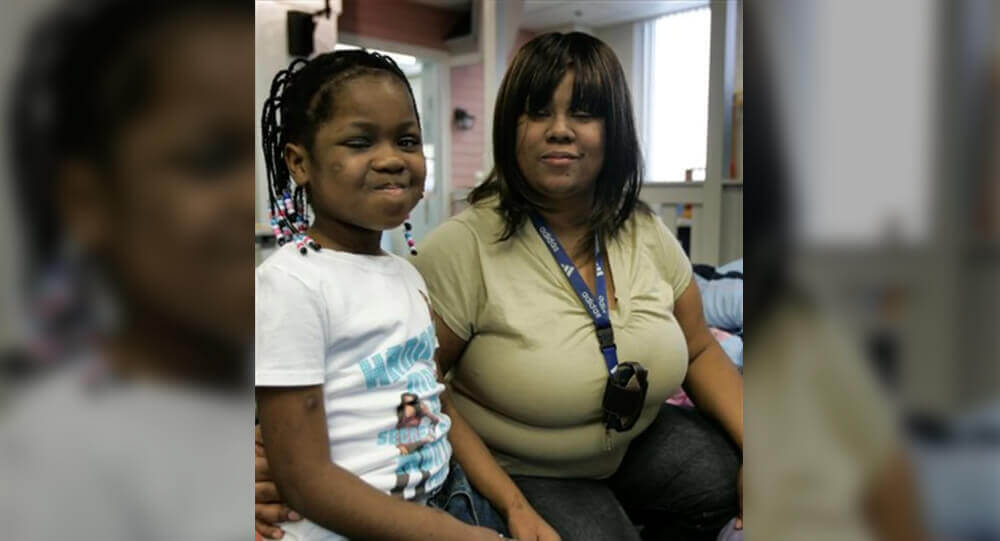
The actions of a 7-year-old girl protected her mother from bullets
A 7-year-old girl jumped in front of her mother to save her from a man who was attempting to kill her in 2007. She was shot six times and survived, as well as saving her mother.
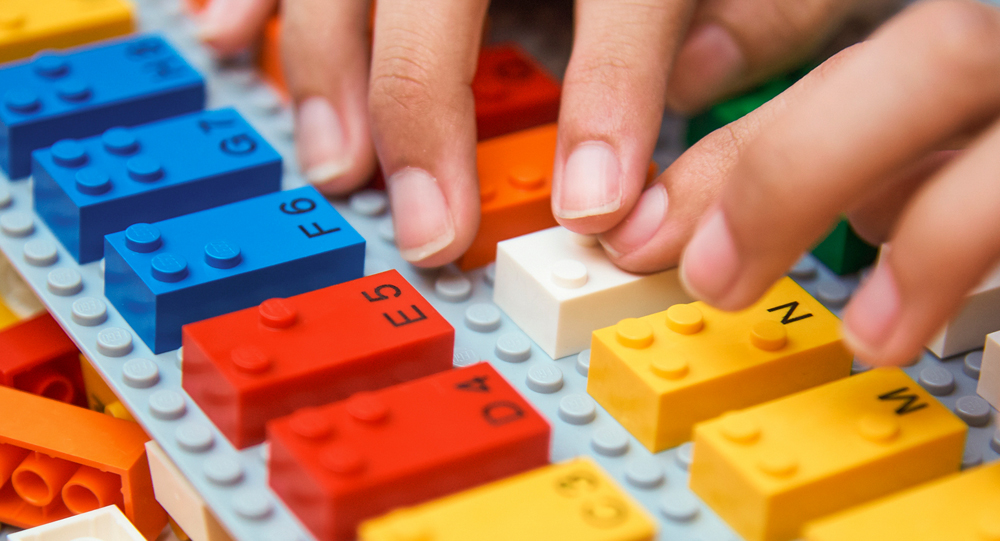
LEGO Braille Bricks: Revolutionizing Braille Learning Through Play and Inclusion
go Braille Bricks were launched in 2020 to help visually impaired children learn Braille through play. Each brick features the Braille alphabet and is fully compatible with standard Lego sets, allowing sighted peers to join in, fostering inclusivity and collaboration in learning environments.
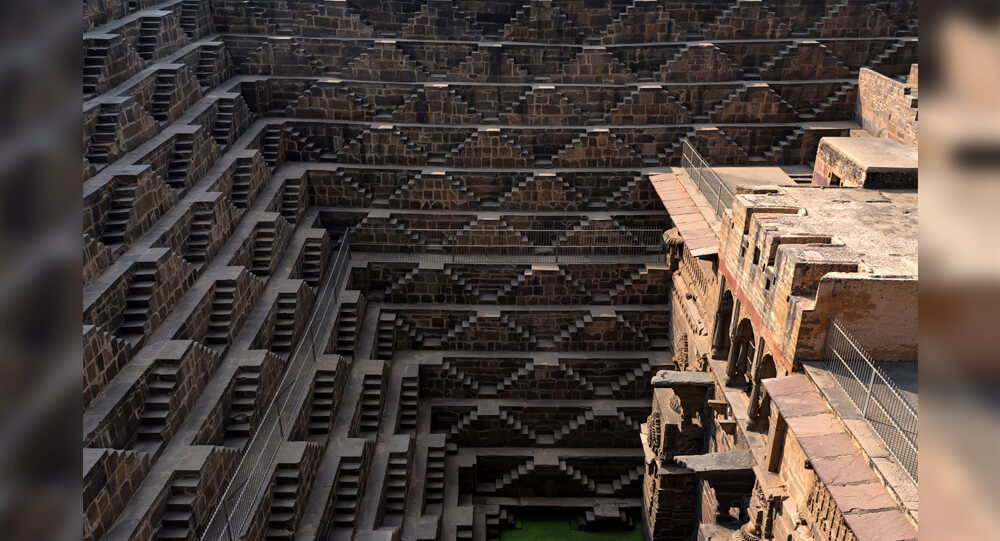
chand baori stepwell in Rajasthan India, Ancient cooling technique
This Chand Baori stepwell in Rajasthan, India is over 1200 years old. It’s called Chand Baori. The air at the bottom of the well is 5-6 degrees cooler than at the surface, so in addition to being a water source, it was used as a community gathering place where locals could escape the heat.
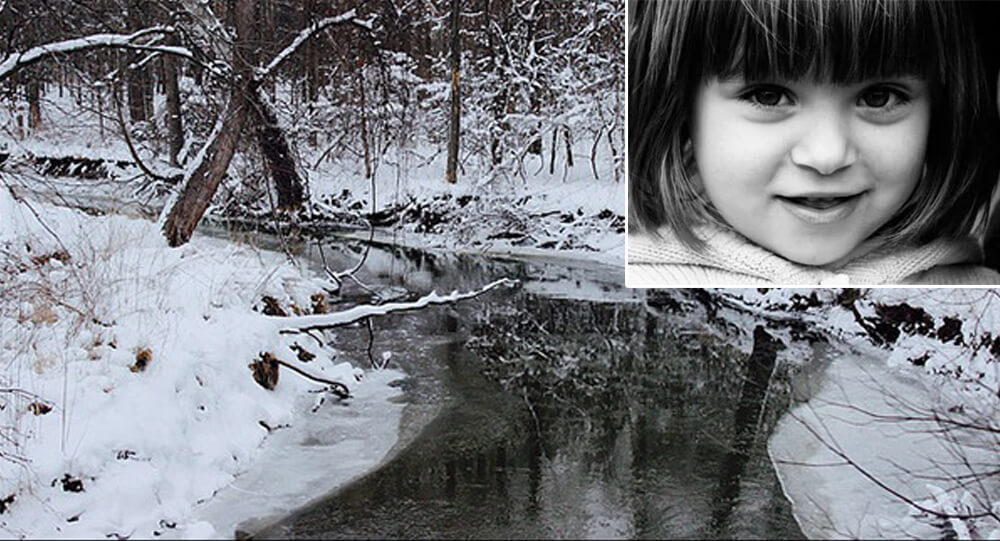
A little girl survived a 1-hour submersion in freezing creek water
On June 10, 1986, two-and-a-half-year-old Michelle Funk fell into an icy creek and was submerged for 66 minutes. When rescuers pulled her out of the water, she was not breathing, had no pulse, and appeared lifeless. The doctors used various techniques to rewarm her blood and bring her back to life. She was successfully resuscitated and went on to lead a healthy life.
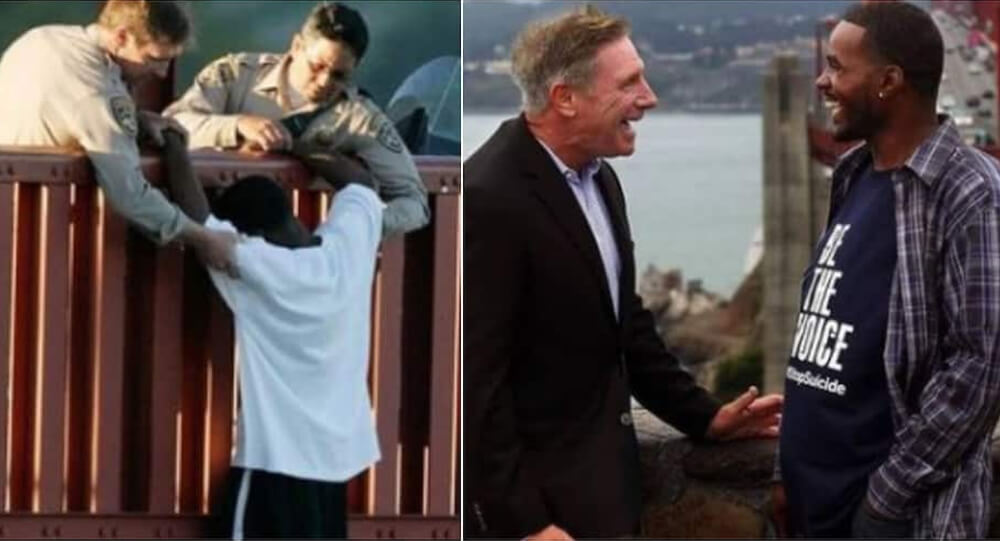
A man who was saved from committing suicide 16 years ago now assists people dealing with mental health issues
Kevin Berthia traveled to the Golden Gate Bridge in 2005 to commit suicide. He ended up spending 92 minutes on the edge of the bridge talking to officer Kevin Briggs about his life. In much better circumstances, they cross paths at the same bridge ten years later.
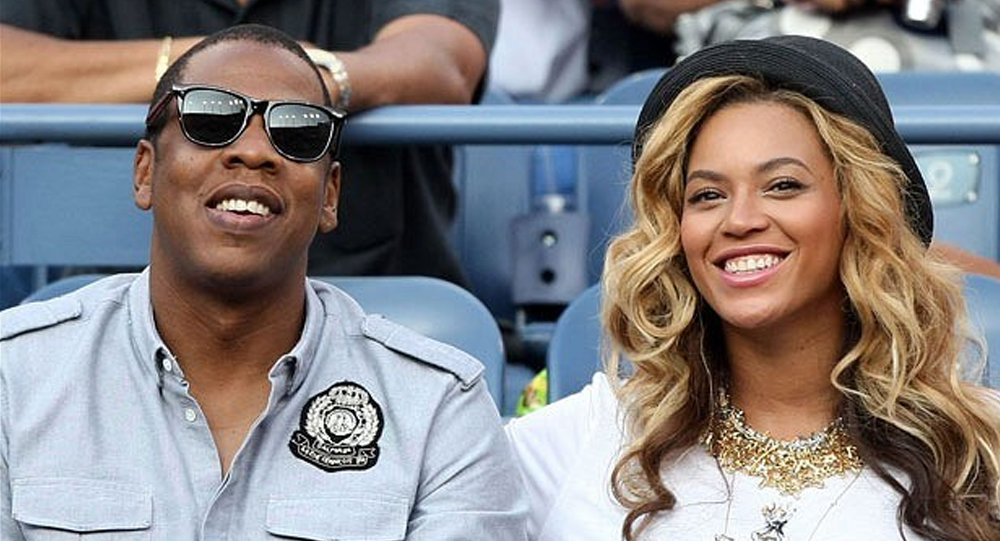
Beyoncé and Jay-Z's Hospital Security Blocked NICU Access for Father of Premature Twins
A father was denied access to see his premature twins in the NICU when Beyonce and Jay-Z had their daughter at the same time.
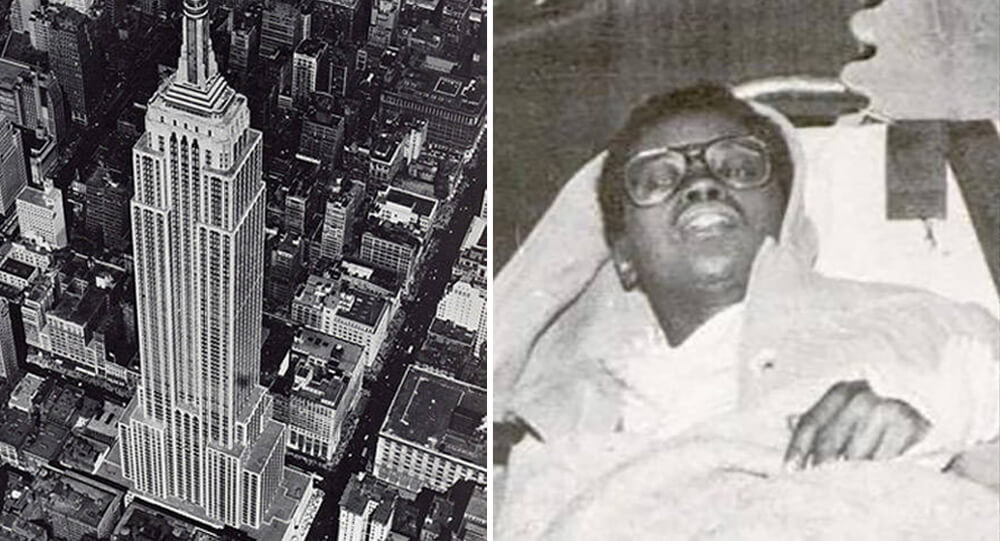
Elvita Adams jumps from the Empire State Building and amazingly survived
Elvita Adams once tried to commit suicide by jumping off the empire state building. She Jumped from the 86th floor but was blown back to 85th floor by a strong gust of wind.

Whang-od Oggay, The legendary tattoo artist from the Philippines
This is Whang-od Oggay, a 106-year-old tattoo artist from the Philippines. She is often described as the last and oldest Kalinga tattoo artist, and has been performing the traditional art of hand-tapped tattoos since the age of 15
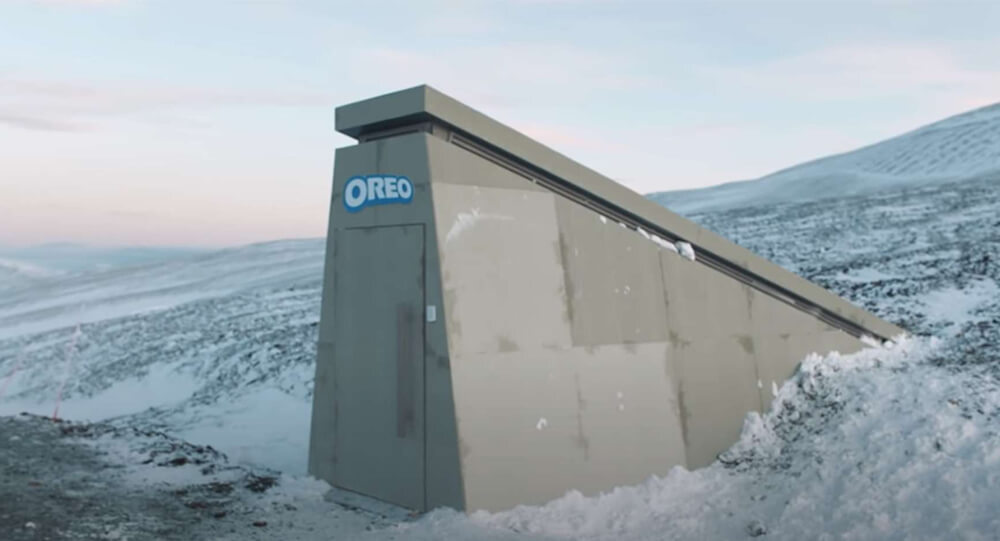
Oreo builds asteroid-proof bunker to protect its cookies and recipes
In October 2020, Oreo builds a concrete bunker in Svalbard, Norway, to protect their recipes in case of an asteroid impact. The vault also contains Oreos wrapped in Mylar and vials of milk powder.
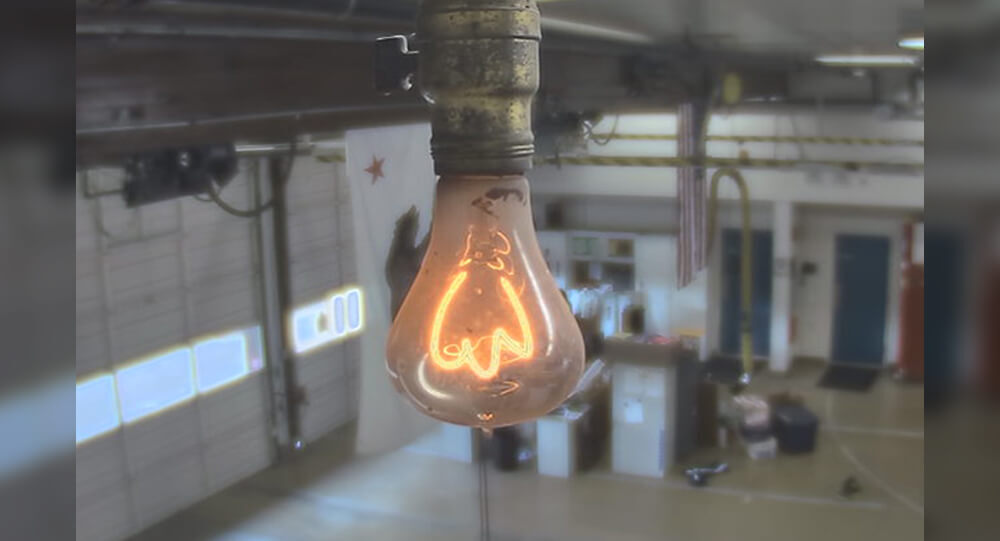
Longest burning light bulb, The centennial light bulb in livermore, California
The world's longest lasting light bulb holds the Guinness World Record, and has been illuminating local fire stations in Livermore, California since 1901, the year Queen Victoria died.
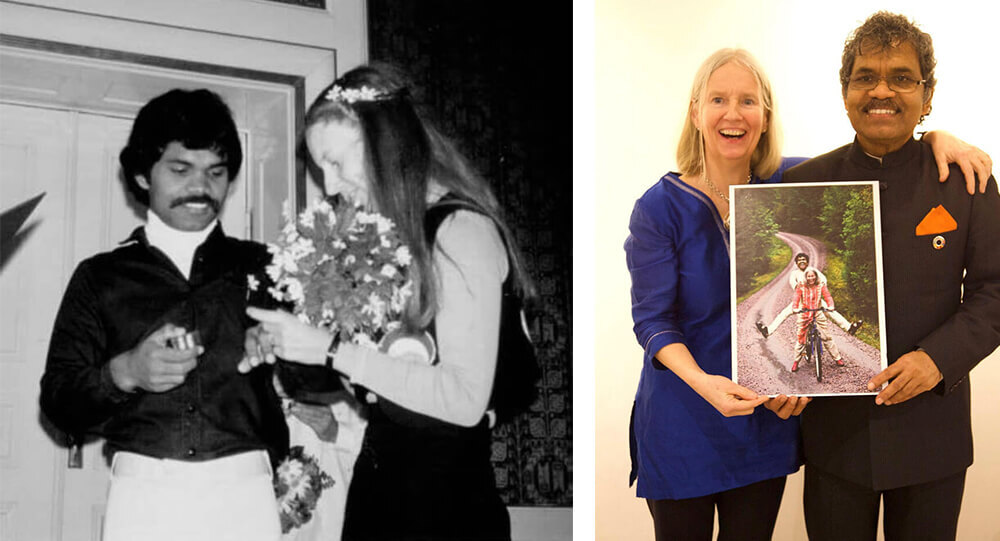
Photos: This man sold everything 45 years ago to buy a bike and travel 6,000 miles from India to Sweden to see his love.
An Indian man traveled from India to Sweden on a bicycle to meet his Swedish wife in 1978. The journey took him 4 months and through eight countries.

Croatian teenager wakes up from coma speaking fluent in German In 2010
In 2010, a Croatian teenager awoke from a coma to discover she could no longer speak Croatian but was fluent in German, a language she had just recently begun studying at school in the United Kingdom. reports in the press
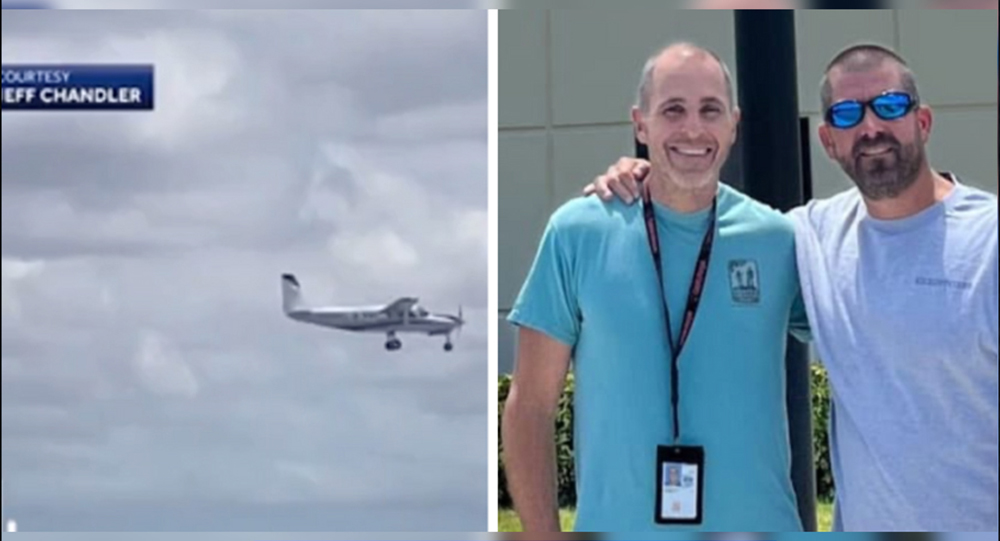
Passenger with No Flying Experience Lands Plane in Florida: A Real-Life Aviation Miracle
A passenger with no flying experience landed a twin-engine plane in Florida after the pilot died mid-flight. With guidance from air traffic control, he safely touched down—a real-life aviation miracle caught on radar and radio.
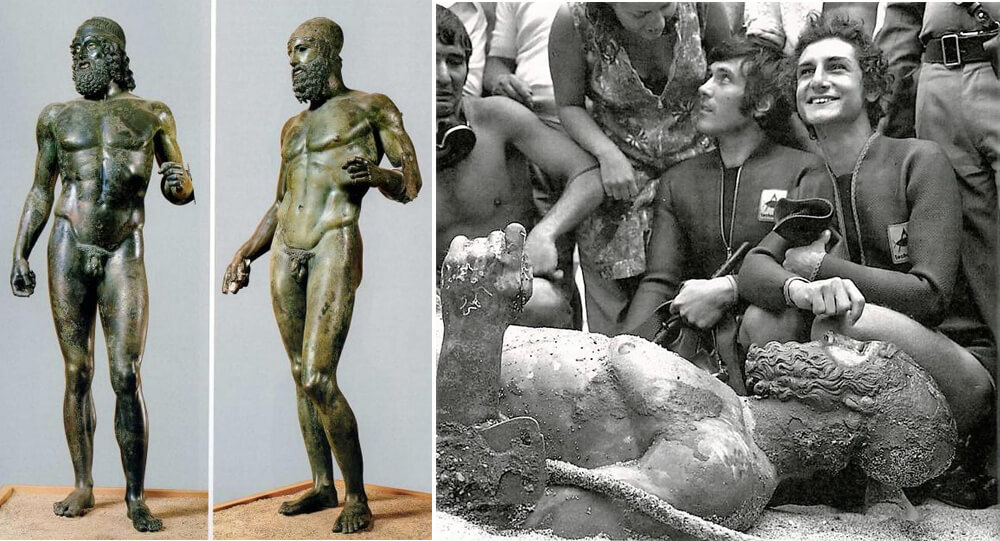
The accidentally discovery of Riace bronzes
Stefano Mariottini was snorkeling off the coast of Monasterace near Riace in 1972 when he noticed a human hand sticking out of the sand and called the police, thinking it was a corpse. It was actually two statues of "Warriors from Riace" - 5th century BC Greek bronze statues.

'Press Your Luck' Was Hacked in 1984 by an Ice Cream Man
in 1984 an contestant made it onto the game show Press Your Luck. He discovered using his stop-motion VCR that the presumed random patterns of the game board were not random and memorized the sequences. On the game he was on, he won 45 consecutive spins. winning $110,237 in cash & prizes.
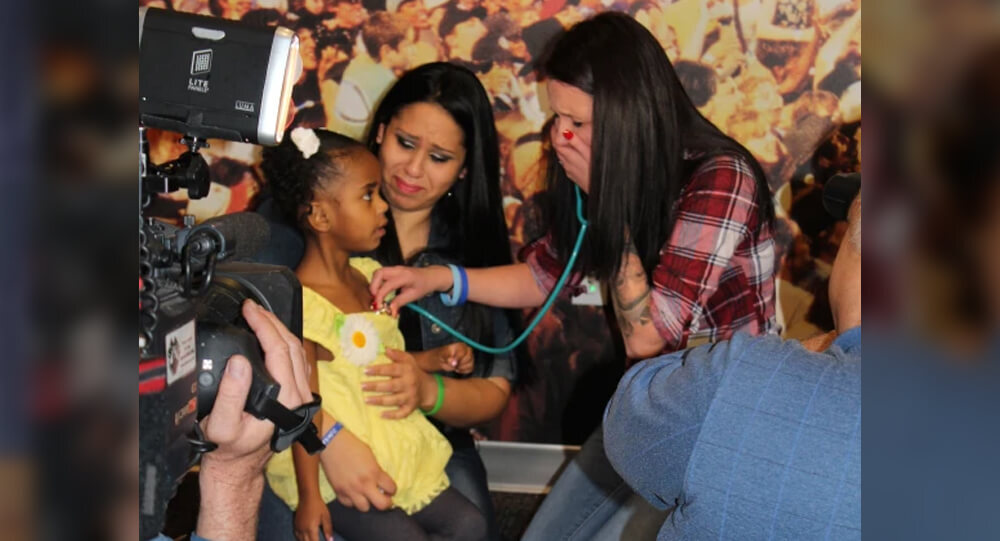
Mom hears son's heartbeat 3 years after his death when she meets organ recipient
She agreed to donate her son's organs after his sudden death in June 2013 at the age of 7 months. The grieving mother was able to listen to her late son’s heart beating inside the little girl who received the organ after his death.

Restaurant owner offers burglar a job rather than filing charges
On April 13, 2021, Diablo’s Southwest Grill was robbed, but instead of pressing charges, owner Carl Wallace decided to offer the burglar a job in his business and said “There are better opportunities out there than this path you’ve chosen,”.