
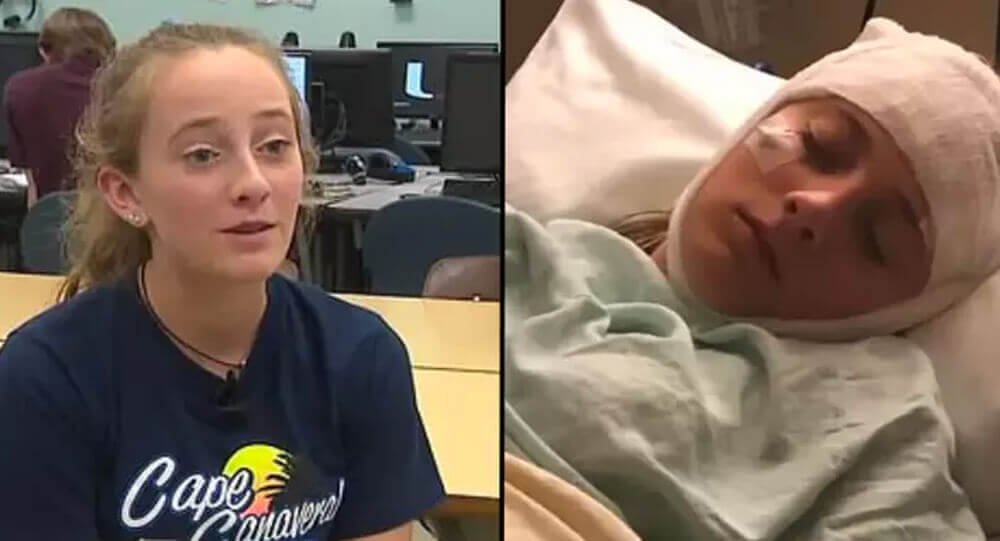
Since June 11, 2019, Riley Horner had been waking up every morning under the mistaken impression that it was still June 11, 2019.
A boy who was crowd surfing at a dance in Springfield, Illinois on that particular date fell and landed on top of the teenager, who was taken to the hospital by ambulance.
Riley was sent home after the doctors performed a few tests and found nothing was wrong, but she wasn’t.
Riley’s mother Sarah reported that within a few hours of leaving the hospital, Riley experienced between thirty and forty-five seizures.
When the sixteen-year-old woke up the following morning, it was as though the horrific events of the previous day had never occurred. It was June 11th, as far as she knew, and she planned to attend a dance that evening.
Her memory would repeatedly reset to that date every two hours in the days that followed.
She would go to her phone and discover numerous updates on her Notes app to catch her up on everything that had happened since the accident when she realized that wasn’t the date.

.png)
In an interview with Fox News, she said, “I have notes on my phone; when I got up this morning there’s like thousands of notes.”
Riley’s family looked far and wide for a physician who could treat her medical condition, and in the end they located a team in Utah who performed a battery of tests to make the diagnosis.
Riley had a traumatic brain injury (TBI) and had sustained a severe concussion that previous evaluations had overlooked.
Riley’s capacity to concentrate, prioritize, focus, and retain information has been impacted by TBI.
Riley was able to get a plan to help her improve her memory when post-concussion specialists Cognitive FX finally diagnosed her.

Riley began creating new memories after just one week of treatment, but she is still unable to remember anything that occurred between June 11, 2019, and December 2019.
Riley had excelled academically and aspired to become a doctor. She was a straight-A student in high school prior to the accident. But when Riley began to lose her memories and was barely able to retain anything from her classes, there didn’t seem to be any hope left.
Riley’s mother Sarah expressed concern in 2019: “If she goes to college, she’s not going to know where her classes are. She’s not going to know where her dorm room is.”
However, there have been some very encouraging developments since then.
Riley’s cognitive function improved enough during her treatment at Cognitive FX to help her pass nursing school.
Her mother disclosed the following information in a recent update: “She’s had some really difficult semesters, but she made it.”
“I was actually driving to her WHITE COAT ceremony when I wrote this! After completing her nursing coursework, she is now working in a clinical setting.”
Riley and her family are attempting to concentrate on the small victories, such as Riley finishing her first semester with a 4.0, even though Riley will likely never be her former self again and is still on medication for her seizures.
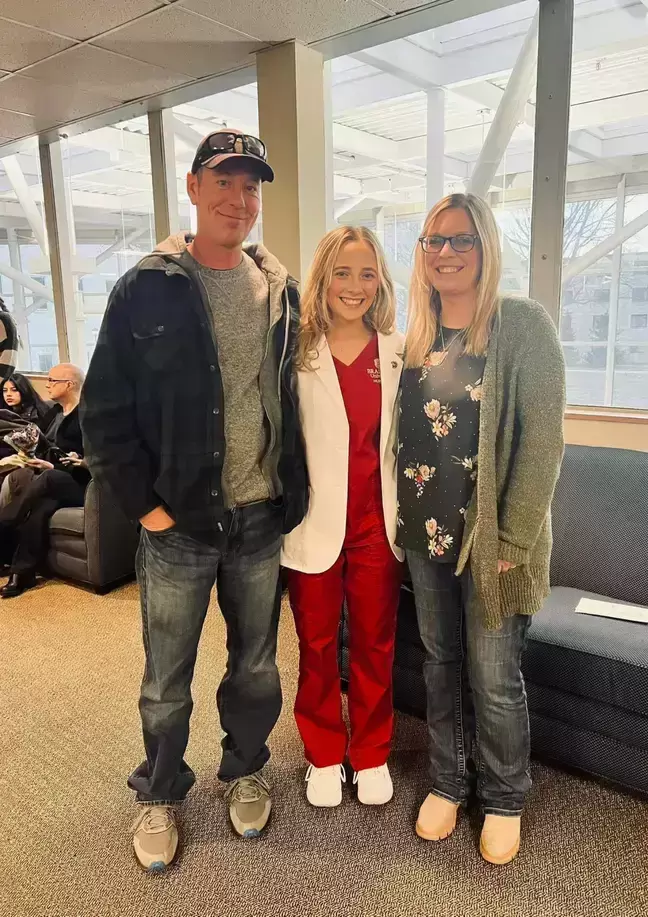
The most recent update on the ‘Help Riley Remember’ Facebook page stated, “It’s hard to see her sometimes have to work so much harder than others.” Riley’s mother wrote this.
“Riley still experiences occasional memory loss; it’s not as frequent as every two hours, but it still happens.
Sadly, there is no pattern or logic to what sticks and what doesn’t. This greatly annoys her. It’s challenging in everyday interactions and extremely challenging in nursing school.”
Riley’s parents are still concerned about her seizures, but thanks to the support of her college friends who are all majoring in nursing, Riley’s condition has somewhat improved.
“We hear all the time how good she looks, how good she’s doing, and how she looks like she’s thriving,” Sarah said.
“That’s because TBIs are an invisible disease. You can’t see her struggles most of the time, but I do.”
While Riley’s family is still in the process of finding a treatment that will work for Riley, Sarah claims that the expense has been “worth every penny” if it means that her daughter will be able to regain her life.

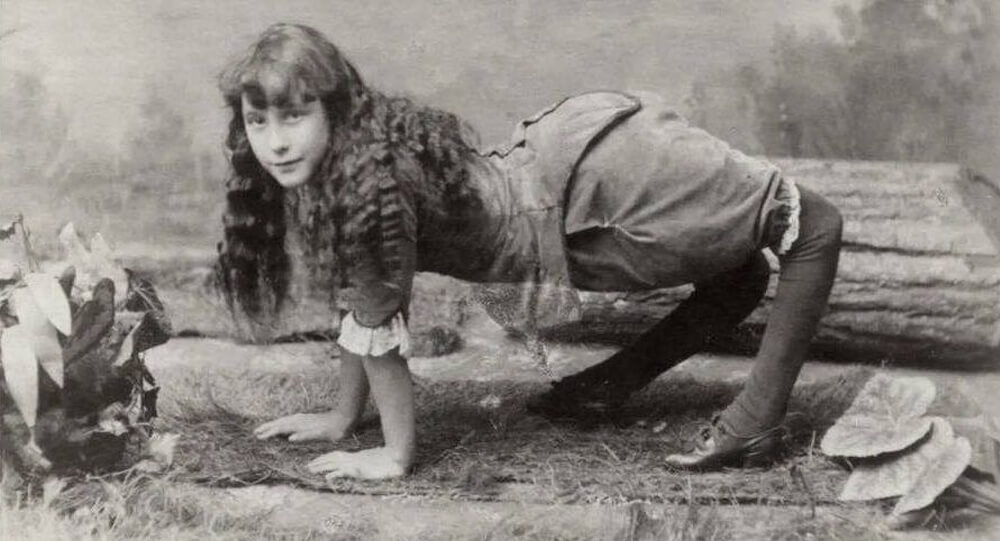
The Heartbreaking Story Of Ella Harper, The ‘Camel Girl’
Ella Harper, Professionally known as the “Camel Girl” was born with a rare orthopedic condition that cased her knee to bend backward. Due to this condition, had to walked on all four legs, which resulted in her nickname as “Camel Girl”. Tough it was hard at first, but soon she made a fortune out of it.

Medieval Medicine: A 1,000-year-old onion and garlic salve kills modern bacterial superbugs
Scientists recreated an Anglo-Saxon manuscript-based 9th century onion and garlic eye remedy and discovered that it killed 90% of antibiotic-resistant staph bacteria (MRSA).


The Physics Behind Why Cats Always Land on Their Feet
Cats have an extraordinary survival skill known as the “righting reflex” that allows them to twist midair and land on their feet, even when dropped upside down. This uncanny ability is made possible by their flexible spine, lack of a functional collarbone, and a combination of biological sensors and physical laws governing motion. Astonishingly, kittens develop this reflex as early as three weeks old, mastering the art of graceful landing that defies everyday expectations. This article unravels the science and mystery behind this feline feat.
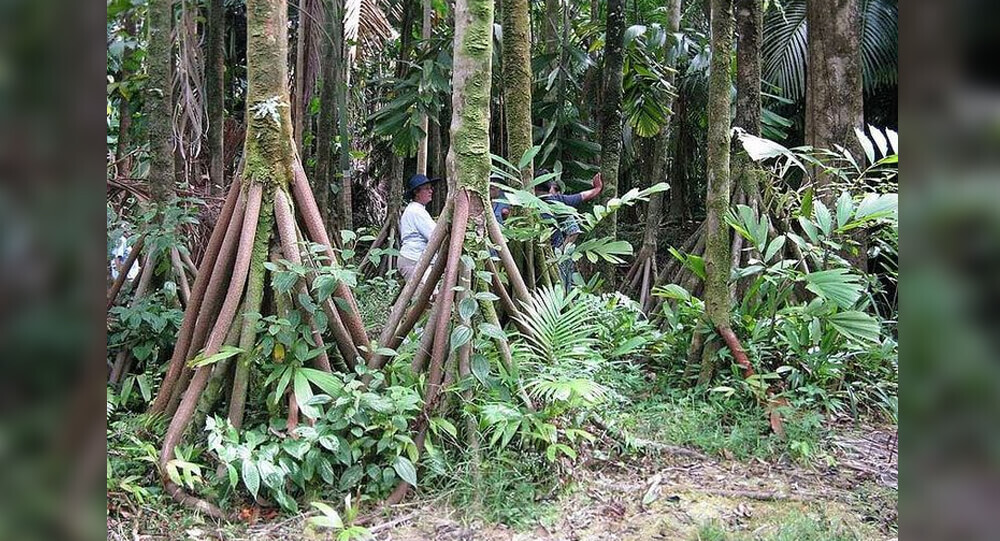
The “Walking” Palm, tree species can walk up to 65 feet each
This tree species can walk up to 65 feet each year to find the best habitat to live in.
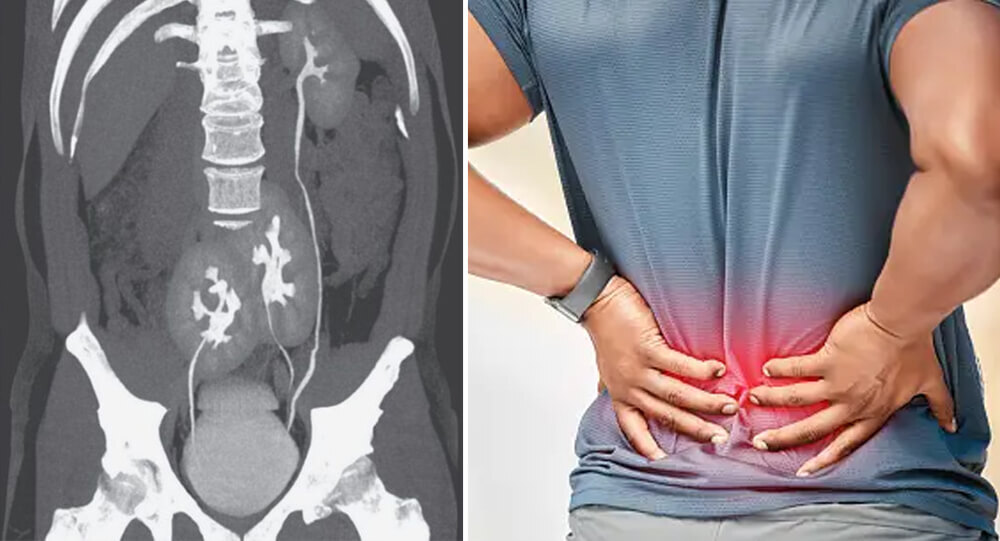
Man discovers he has 3 kidneys after going to doctor for severe back pain
In 2020, a 38-year-old Brazilian man visited his doctor for severe back pain and was shocked to find out that he has three kidneys instead of just two.
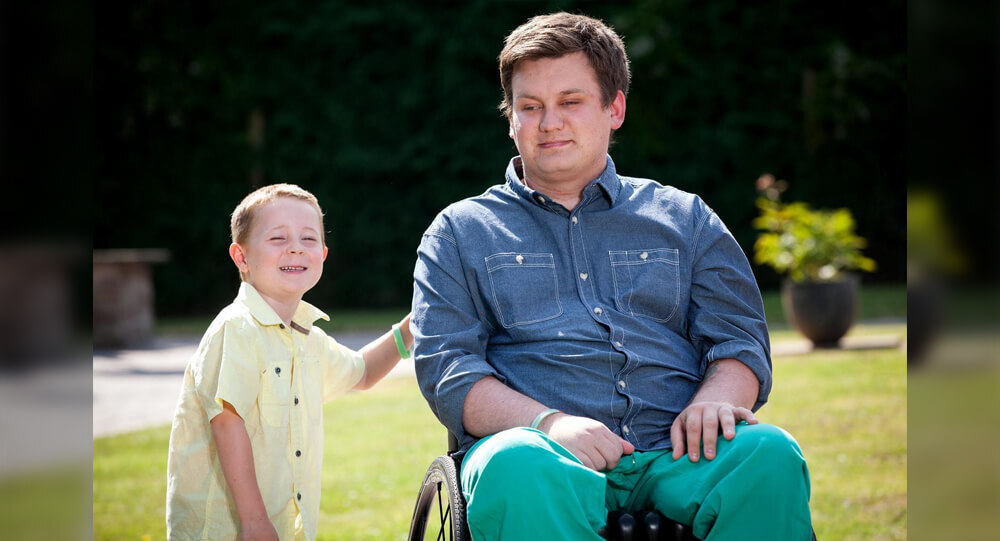
Man gave his stem cell fund to a disabled boy
Dan Black, who was paralyzed in a bike accident, spent four years raising 20,000 for a stem cell treatment that could let him walk again. However, after learning about a five-year-old boy with cerebral palsy, he donated the funds for the boy's medical treatment in order to enable him to take his first steps.
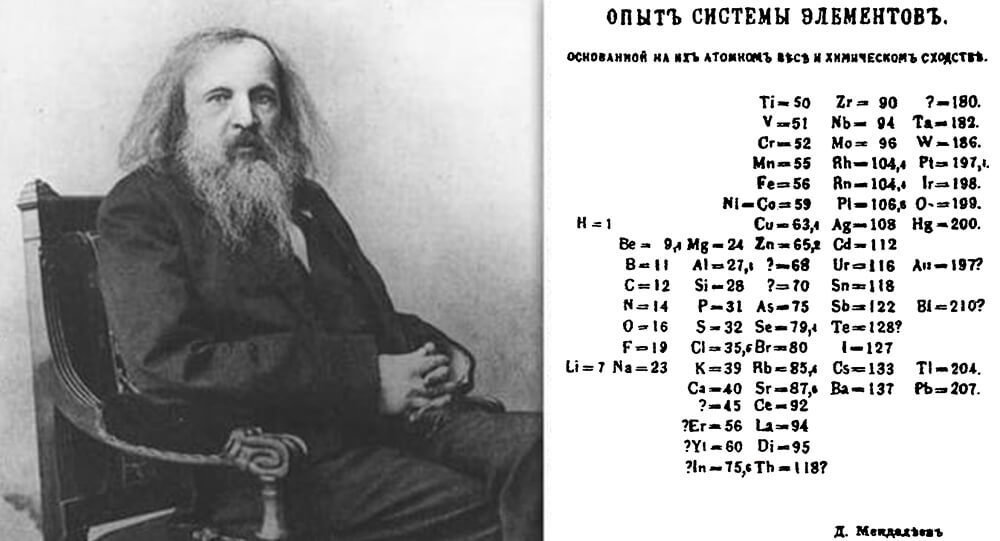
How Dmitri Mendeleev Developed the periodic table of the elements
1850 Dmitri Mendeleev walked almost a thousand miles to Moscow so he could apply for the University of Moscow. Although he was not accepted, he walked to St. Petersburg where he was accepted, And with that education, he developed the the periodic table of the elements
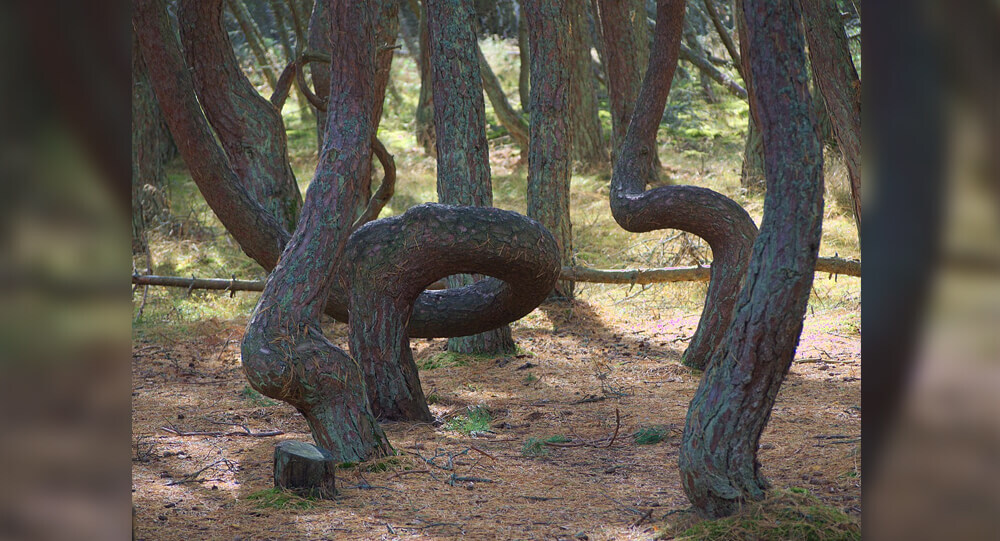
The Mystery of the Dancing Forest: Reasons behind the unusual wonders of forest
The Dancing Forest in Russia is noted for its unusually twisted pine trees. The trunks of these trees are contorted into spirals, rings, and other squiggly loops, but the reason for this malformation is still a mystery.
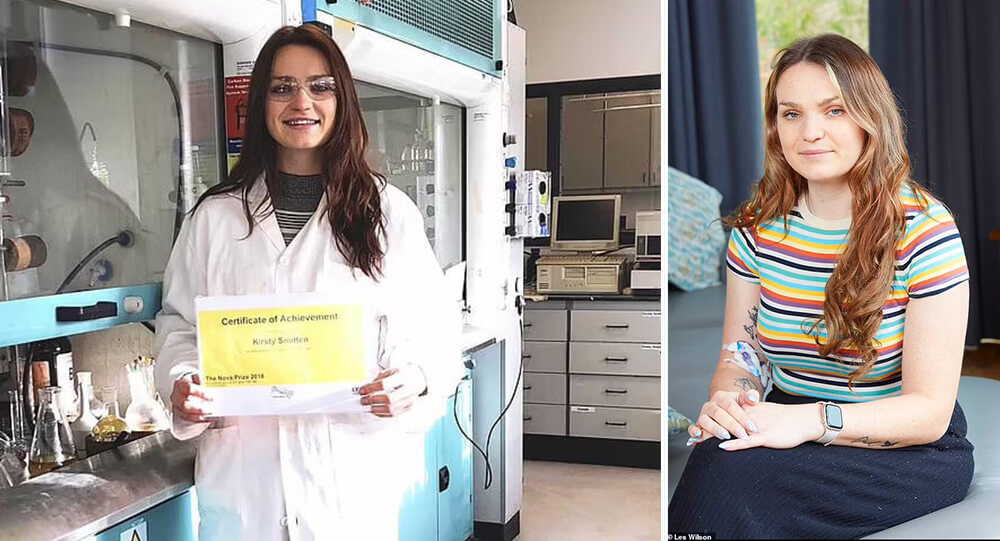
A 28-year-old scientist could win a Nobel Prize for creating new class of antibiotics
A 28-year-old scientist could receive the Nobel Prize for developing a new class of antibiotics that fight drug-resistant bacteria, but she only has months to live after being diagnosed with incurable heart cancer, and she says "There aren't words to express how sad I feel' about not seeing award."
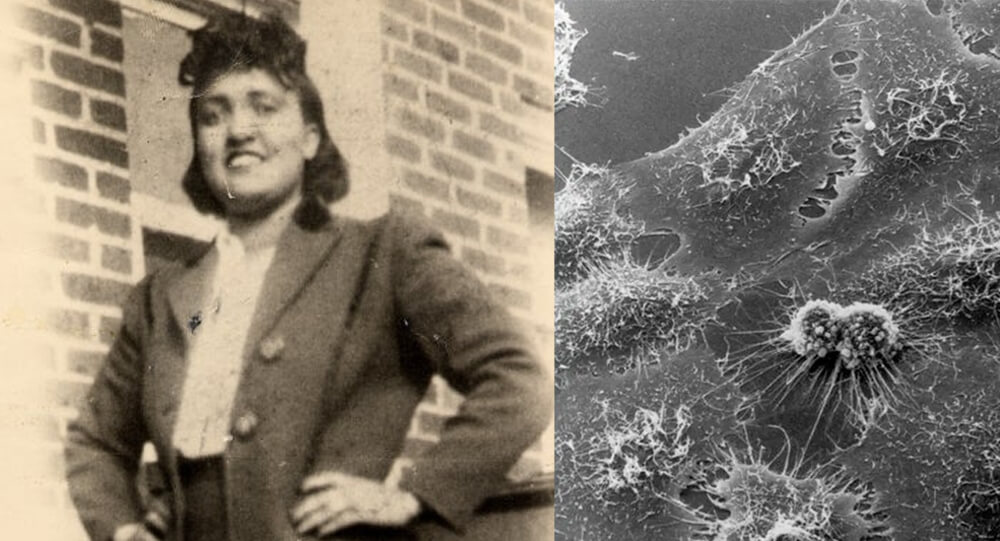
Henrietta Lacks: Who Was She? Here's how HeLa cells became necessary for medical research
Henrietta Lacks was died in 1951. The tumor that killed her has been alive and growing to this day. The tumor is immortal and was used to progress the Polio vaccine and is the jumping point for most human cell research to this day. Scientists have grown some 20 tons of her cells.
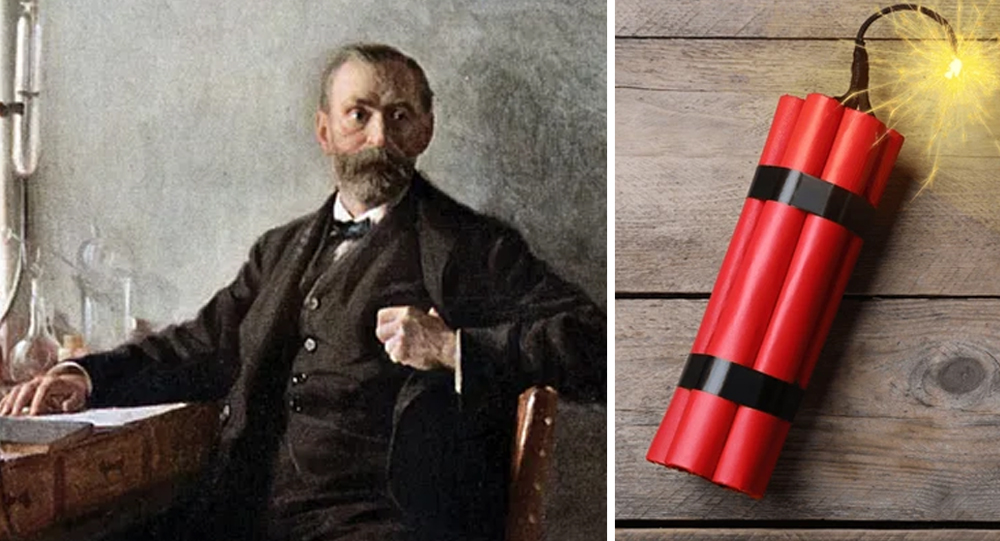
How a Headache Cure Experiment Led to the Invention of Dynamite
Alfred Nobel discovered dynamite while experimenting with nitroglycerin, a volatile liquid he also took in tiny doses for headaches. Ironically, the explosive that made him wealthy and feared also eased pain—later inspiring his legacy as founder of the Nobel Prizes.
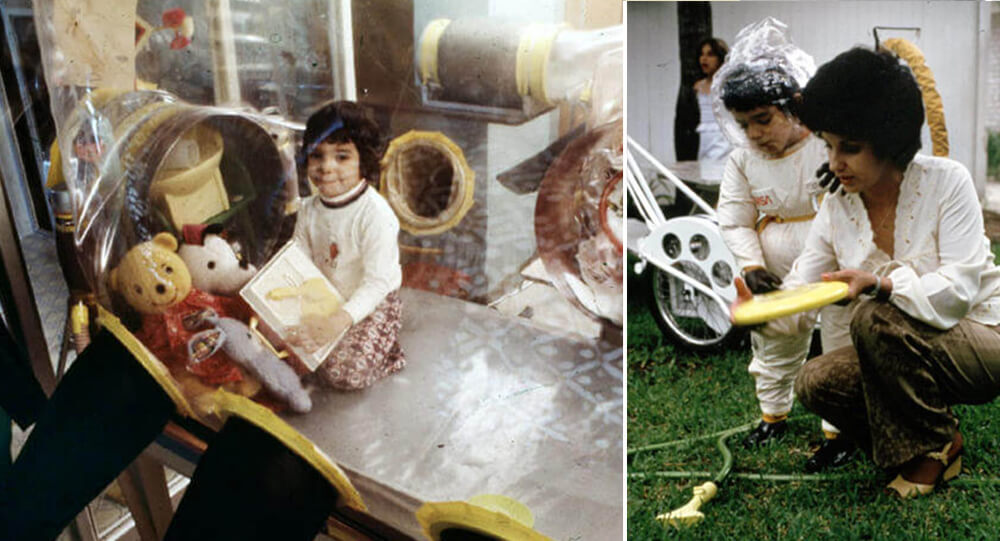
The touching story of David Vetter (bubble boy), the 'boy who lived in a bubble
David Vetter lived his whole 12 years in sterile “bubble”. He was “outside” for 20 second after being removed from his mother’s womb. He never touched any human.
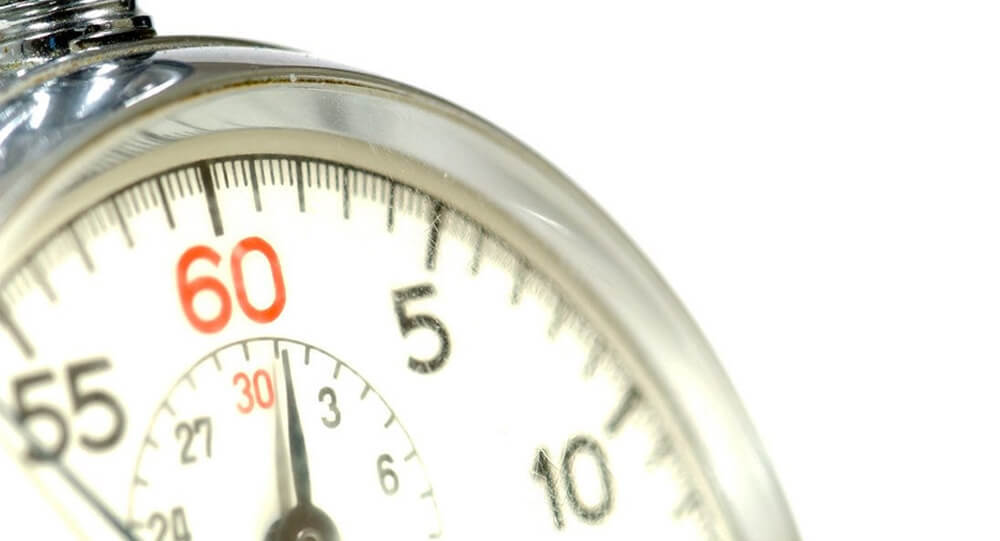
Why are there 24 hours in a day and 60 minutes in an hour
Ancient Babylonians did math in base 60 instead of base 10. That's why we have 60 seconds in a minute and 360 degrees in a circle.
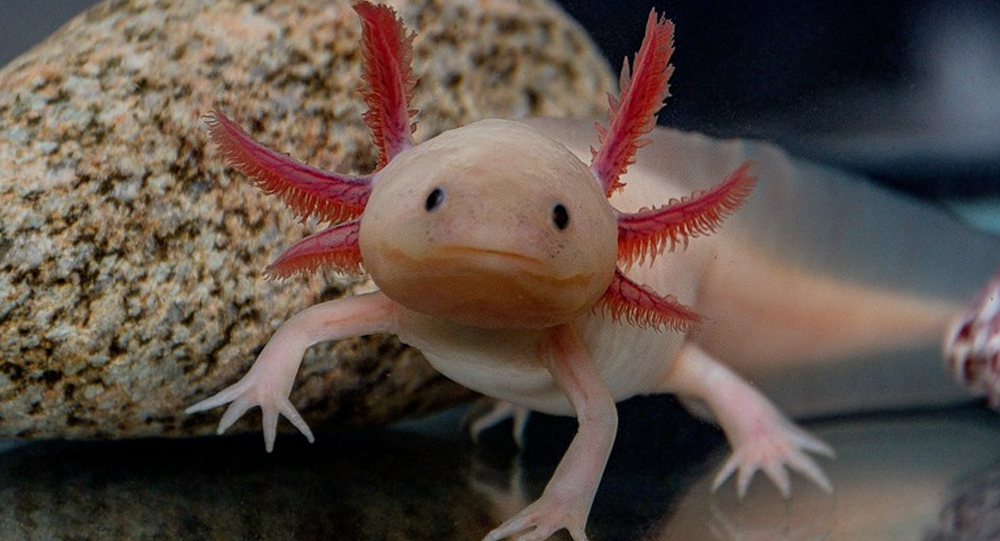
Why Some Animals Can Regenerate Limbs and What Science Says About Human Possibilities
Certain animals possess the extraordinary ability to regenerate lost limbs, a process that has fascinated scientists and inspired hopes for human medical breakthroughs. From salamanders’ perfect limb regrowth to starfish’s incredible body regeneration, this article explores how and why these animals can perform such feats, the biological mechanisms underpinning regeneration, and what cutting-edge research means for the future of human limb regeneration.
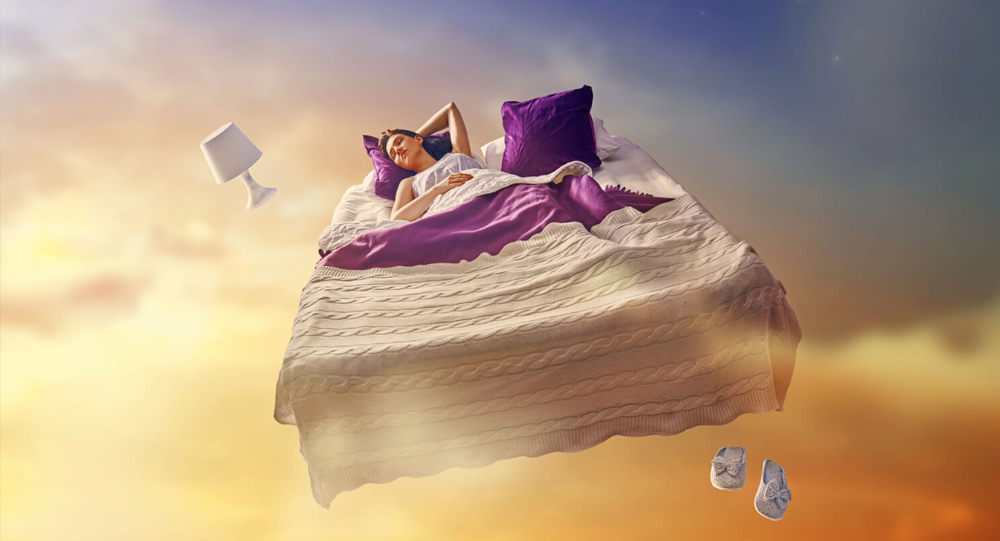
The Science Behind Why We Dream and What It Means
Dreams have fascinated humanity for millennia—enigmatic stories that unfold in sleep, weaving memories, emotions, and symbols. Modern science is now unraveling why we dream and exploring what these nightly narratives reveal about our brain, emotions, and waking lives. Journey through the latest discoveries on the science of dreaming and its meaningful reflections in our psyche.
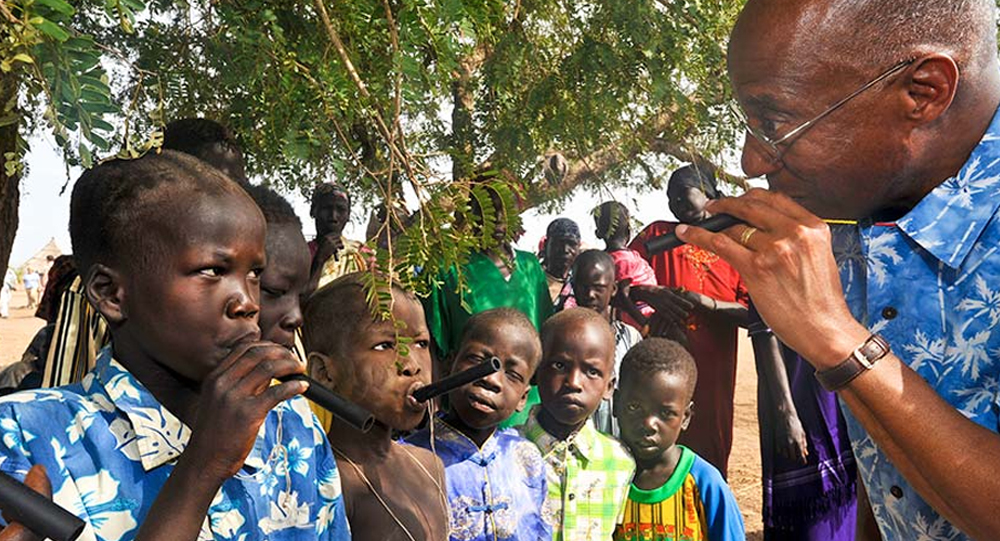
Dr. Donald Hopkins: From Smallpox Eradication to Near-Ending Guinea Worm Disease
Dr. Donald Hopkins helped eradicate Smallpox, and is on the verge of killing another disease. He's taken Guinea Worm Disease down from 3.5 million cases a year to just 28 cases last year.
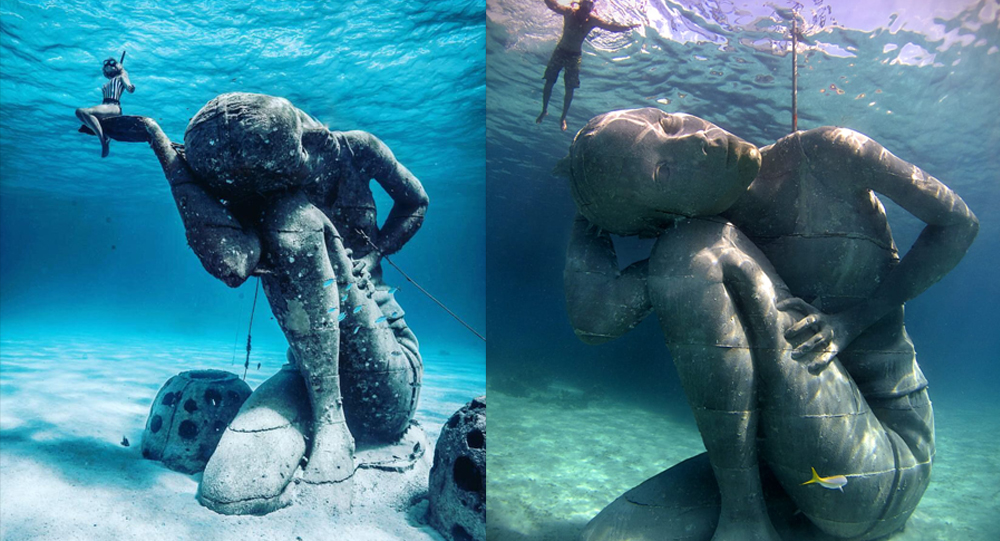
Ocean Atlas: Exploring the World’s Largest Underwater Sculpture in the Bahamas
On the western coast of New Providence in Nassau, Bahamas, there is a tourist attraction that you can dive down to see. Called Ocean Atlas, this is the largest single underwater sculpture ever installed. It depicts a local Bahamian girl carrying the weight of the ocean, in reference to the Ancient Greek myth of Atlas holding up the heavens.

The World’s First Seismograph: How Ancient China Detected Earthquakes 1,800 Years Ago
Over 1,800 years ago, long before modern technology, the ancient Chinese astronomer and inventor Zhang Heng created the world’s first seismograph in 132 AD. This ingenious bronze device could detect distant earthquakes by releasing small balls from dragons’ mouths into toads’ mouths—each indicating a different compass direction. Its historic detection of an earthquake 400 miles away astonished the imperial court and transformed the way societies understood and responded to seismic events.
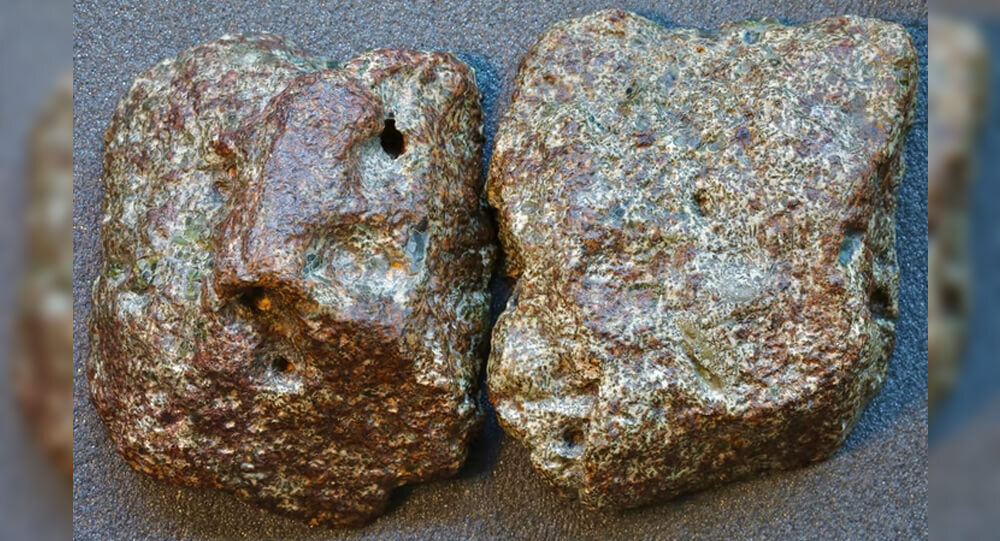
Meteorite found in Sahara Desert older than the earth
This Sahara Desert Meteorite was discovered to be older than the earth itself. This Meteorite is estimated to be 4.6 billion years old, while earth is estimated to be 4.54 billion years old.
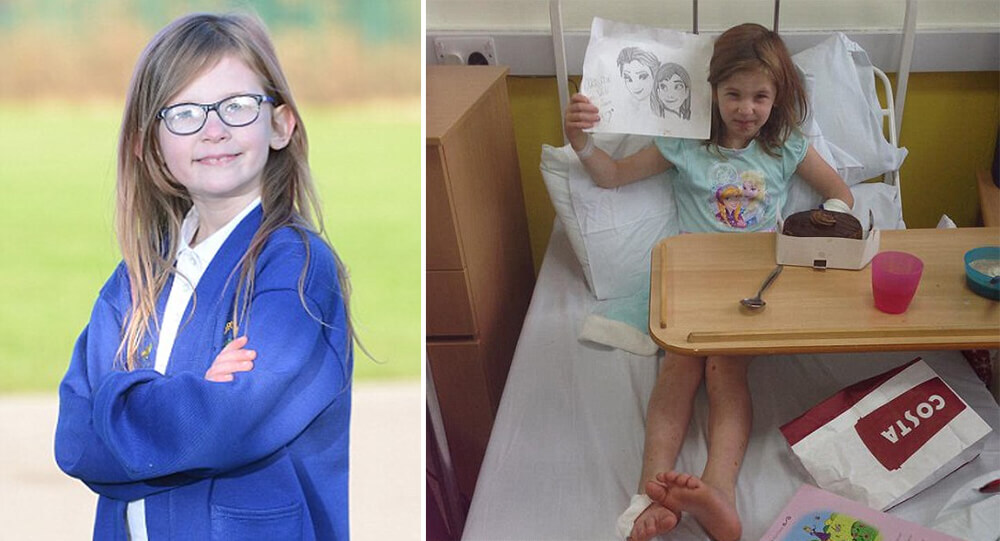
The extraordinary case of Olivia Farnsworth, who hit by a car and dragged down the street without pain because of chromosome 6 deletion
In 2016, 7-year-old Olivia Farnsworth was hit by a car and dragged down the street, but she did not feel a thing. That is because of a rare condition called “chromosome 6 deletion,” which causes her to feel no pain. She also does not experience hunger or exhaustion.
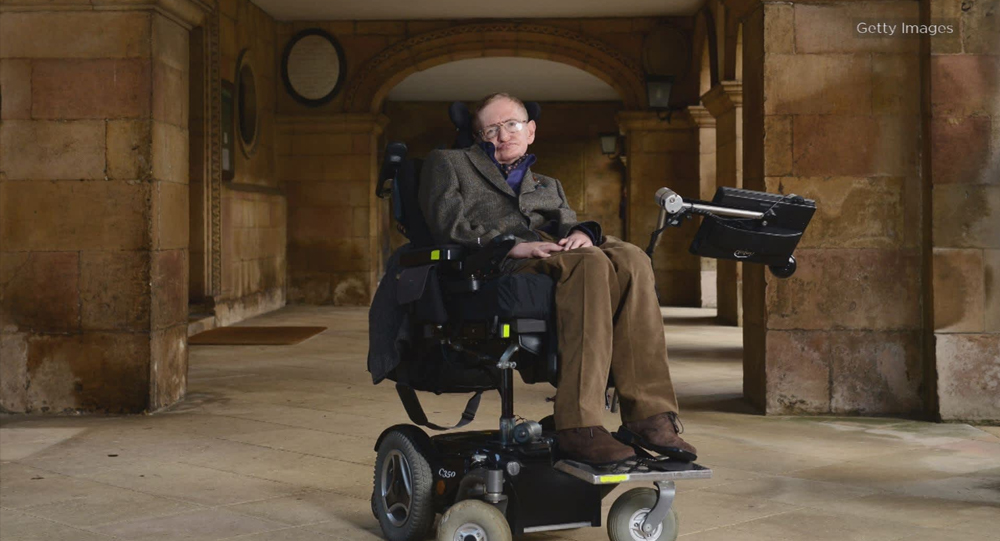
Stephen Hawking’s Warning: Humanity Has Less Than 200 Years to Escape Earth’s Limits
Stephen hawking says humanity won't survive without leaving earth. In fact, human beings may have less than 200 years to figure out how to escape our planet

The Mystery of the Darvaza Gas Crater: A 50-Year Inferno
Scientists lit a hole filled with natural gas on Fire in 1971, expecting it would burn only for few days. The hole has been burning for the past 48 years & is called "The Door To Hell".
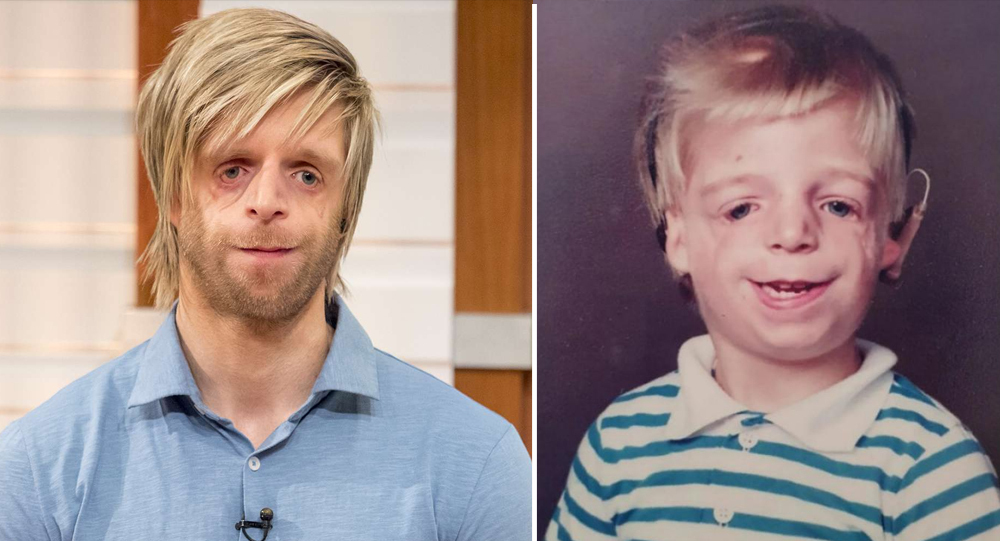
Inspiring story of Jono Lancaster, Abandoned by His mother at birth for this 'defect' on his face
When Jono Lancaster was just 36 hours old, his parents left him for adoption because he was suffering from Treachers Collins Syndrome, a genetic disorder which hampers facial bones development. Now he is an inspirational speaker, a professional model and a teacher, giving inspiration to millions
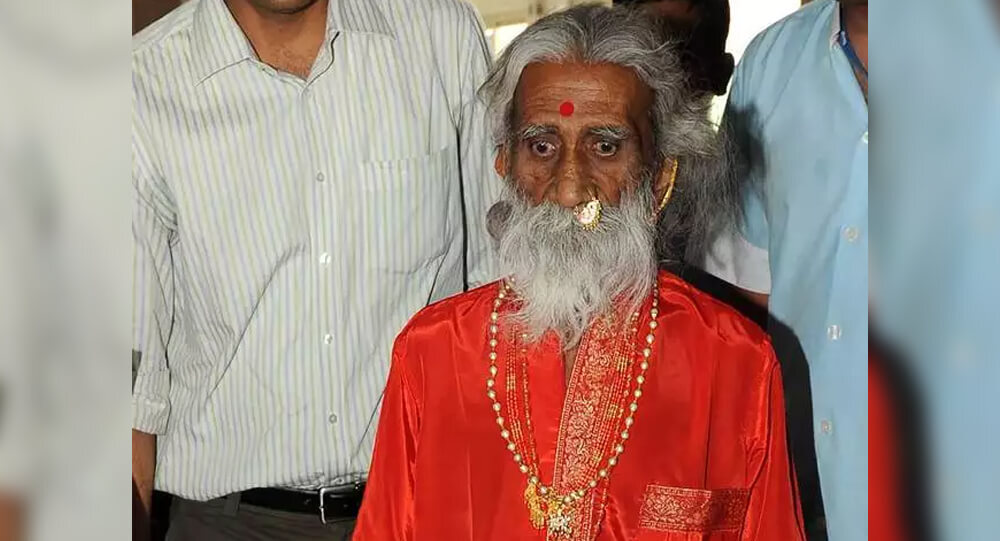
This Yogi Spent 76 Years Without Eating or Drinking Anything and Confirmed by
Prahlad Jani, the starving monk who lived 76 Years without food and water.

India's chandrayaan-3 becomes the first landed craft on moon's south pole
India's chandrayaan-3 becomes the first land craft on moon's south pole. It landed safely on August 2023