

The Apple Watch’s Fall Detector has saved another life. An Apple Watch wearer fainted in front of a hot stove in 2018. He connected his Apple Watch to his iPhone (which was in the next room) and dialed his mother-in-number, the law’s who drove him to the hospital.
But that was then, and according to Fox8 News in North Carolina, 78-year-old Mike Yager was in his Summerfield driveway when he experienced a heavy fall. Fall Detection is activated by default on Yager’s Apple Watch because he is over 65. By tapping his wrist and blaring an alert, the device attempted to rouse him. Mike’s Apple Watch contacted 911 and requested medical assistance from the Summerfield Fire Department while providing his location because he hadn’t moved in over 45 seconds.
Yager owns and wears an Apple Watch, but it doesn’t appear as he knows much about it. After being resurrected by the firemen called by his Apple Watch. Yager had a conversation with one of them. “The first question I asked him was, ‘How did you guys know to come here?’ He said, ‘Your watch sent us a message,’ to which I replied, ‘What?’ “
Mike’s wife Lori points out that things might have gone differently if the Apple Watch hadn’t made calls to her husband’s contacts. “I think the fact that it called when he was unconscious is important,” she explained, “since I wasn’t expected to go home for another couple hours and who knows what would have happened when I got home.”


ILOVEYOU Virus, the worst computer virus of all time
The ILOVEYOU Virus, also known as Love Letter for You or Love Bug, had a high infection rate due to its ability to spread itself by copying entries from users' email address books. It is a virus that was created in 2000 by a college student in Manilla, Philippines, and was recognized by the Guinness Book of World Records as the worst computer virus of all time, causing more damage than anything before it.


This whale tail sculpture saved a train that went off the rails
A train in the Netherlands failed to stop in time and broke through the emergency barrier. It's being held up by the statue of a whale's tail.

Elvita Adams jumps from the Empire State Building and amazingly survived
Elvita Adams once tried to commit suicide by jumping off the empire state building. She Jumped from the 86th floor but was blown back to 85th floor by a strong gust of wind.

A little girl survived a 1-hour submersion in freezing creek water
On June 10, 1986, two-and-a-half-year-old Michelle Funk fell into an icy creek and was submerged for 66 minutes. When rescuers pulled her out of the water, she was not breathing, had no pulse, and appeared lifeless. The doctors used various techniques to rewarm her blood and bring her back to life. She was successfully resuscitated and went on to lead a healthy life.

stranded hikers rescued by a life-saving iPhone feature
Stranded hikers were rescued by a life-saving iPhone feature that an awful lot of folks don't know a lot about.

The actions of a 7-year-old girl protected her mother from bullets
A 7-year-old girl jumped in front of her mother to save her from a man who was attempting to kill her in 2007. She was shot six times and survived, as well as saving her mother.

Kenyan Innovator Creates Smart Gloves That Translate Sign Language Into Audible Speech
In 2023, a Kenyan inventor Roy Allela invented smart gloves that can convert sign language movements into audio speech, for his six years old niece who was born deaf.

A U.S. Submarine Collides with a Japanese Fishing Ship in 2001
In 1998, 14-year-old Michael Crowe was charged with the murder of his sister. The police started targeting him after he seemed “distant and preoccupied” when his sister’s body was discovered, and during interrogation, police coercion led him to make a false confession. He was later declared factually innocent and the family won a lawsuit of $7.25 million in 2011.

A man who was saved from committing suicide 16 years ago now assists people dealing with mental health issues
Kevin Berthia traveled to the Golden Gate Bridge in 2005 to commit suicide. He ended up spending 92 minutes on the edge of the bridge talking to officer Kevin Briggs about his life. In much better circumstances, they cross paths at the same bridge ten years later.

Unique Dining table with a hole for your cat to peek and join you dinner.
Dinos, a Japanese internet shop, has launched a new range of cat furniture, which includes this oak table with a hole in the middle and a perch underneath. It places your cat companion in the center of the table, making your cat the main focus of your meal, as it should be, because cats are the true proprietors of “your” home.

Australian man dies, comes back to life, and wins the lottery twice
Bill Morgan, an Australian, is a man who has beat the odds. He escaped death by surviving a horrific automobile accident and heart attack before collapsing into a coma and going on to win the lotto twice. He went from losing virtually everything to winning far more than he could have imagined.

Mom hears son's heartbeat 3 years after his death when she meets organ recipient
She agreed to donate her son's organs after his sudden death in June 2013 at the age of 7 months. The grieving mother was able to listen to her late son’s heart beating inside the little girl who received the organ after his death.

Woman survives skydiving accident, discovers she's pregnant
2005, a woman performing her first solo skydive jump survived a parachute malfunction which caused her to slam face first into a parking lot at 50 MPH. During surgery doctors discovered she was pregnant. She made a full recovery and the baby was fine.
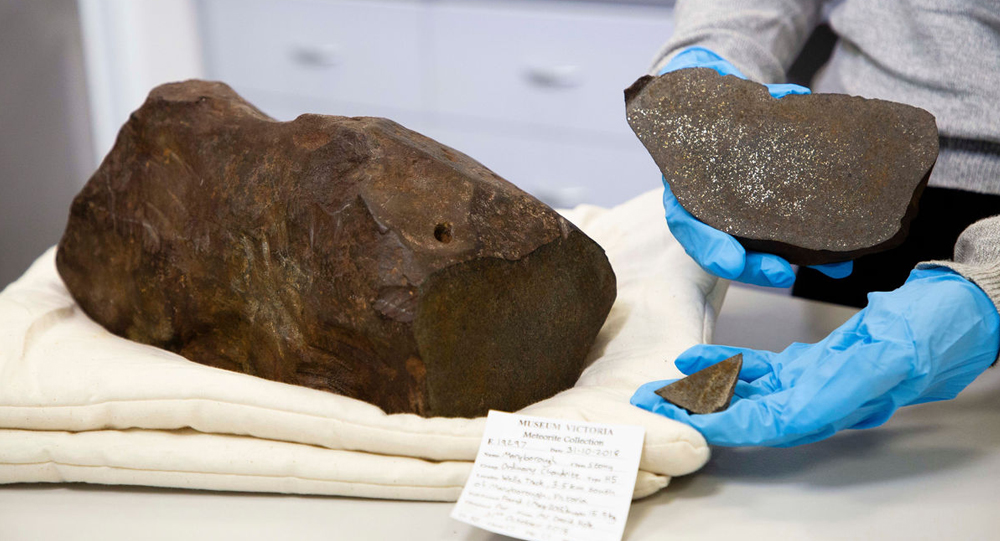
The Man Who Kept a “Gold” Rock for Years—Only to Discover It Was a 4.6-Billion-Year-Old Meteorite Worth a Fortune
A man cherished a heavy 17-kilogram rock for years, believing it to be solid gold. The surprising twist? Experts later revealed it was a rare, 4.6-billion-year-old iron meteorite—an ancient cosmic relic worth far more than gold. Dive into the fascinating story of this celestial treasure and what makes it so valuable.
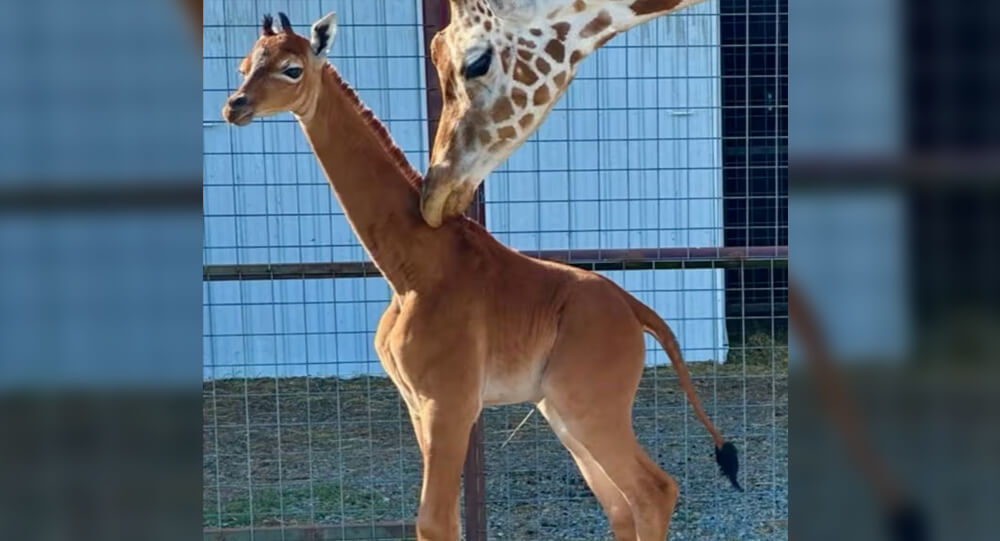
Kipekee, the world's only spotless giraffe, was born at Brights Zoo
The world's only spotless giraffe was born at a zoo in the United States. The giraffe born without spots on July 31 is the only one of her kind on Earth.

A man joins a search operation without realizing he is the missing person
Beyhan Mutlu, a Turkish national, was reported missing by local media and unintentionally joined search teams looking for himself in a forest. He was drunk and lost in the woods when he ended up in a group with others looking for himself.
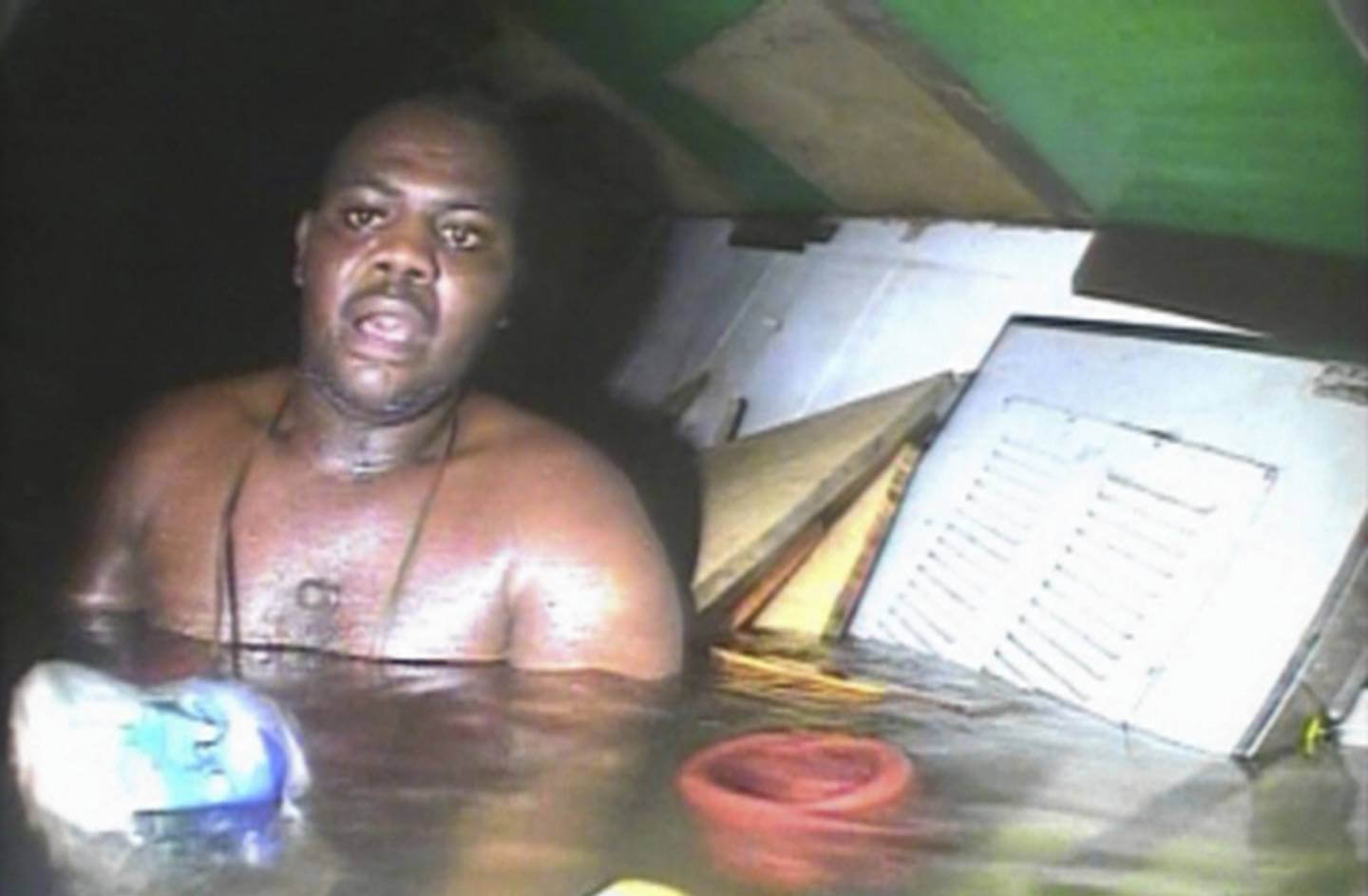
A story of a man Survived Inside Sunken Ship For Three Days
A man survived a sunken ship for nearly three days, 279 feet underwater and in complete darkness, while listening to fish eat the bodies of his shipmates.
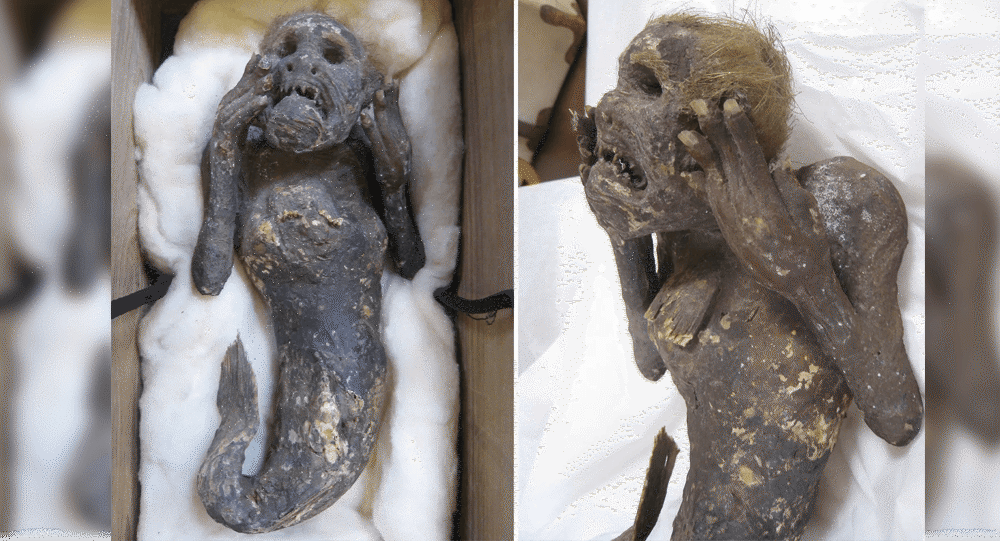
Mystery of 300-year-old mummified mermaid is being probed
There is a 300-year-old mummified mermaid with 30 centimetres tall and features a human-like head, two hands with what appear to be fingernails, and its lower body that look like a fish tail. The “mermaid mummy” is being probed by Japanese scientists in an attempt to unravel the mystery of its existence.

24-year-old burglar beaten by retired boxer victim
A 24-year-old knife-wielding burglar attempted to get into the home of a 72-year-old senior in Oxford, England, in 2009, but was left battered, bruised, and pinned to the ground. Frank Corti, the elderly, turned out to be a former boxing champion.
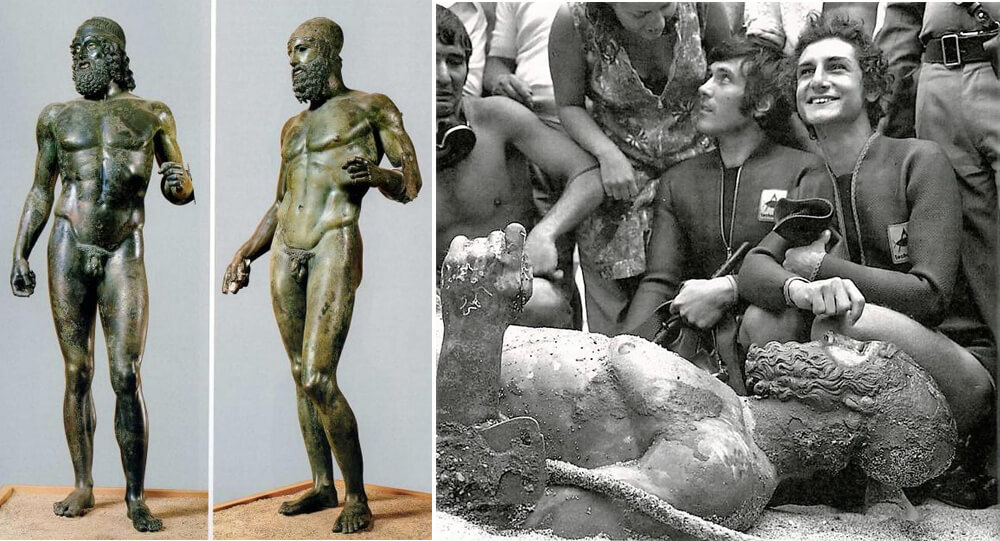
The accidentally discovery of Riace bronzes
Stefano Mariottini was snorkeling off the coast of Monasterace near Riace in 1972 when he noticed a human hand sticking out of the sand and called the police, thinking it was a corpse. It was actually two statues of "Warriors from Riace" - 5th century BC Greek bronze statues.

Before "The Rock," There Was "Rocky Maivia"
Dwayne “The Rock” Johnson’s first WWF persona was Rocky Maivia, a face (good guy). The audience rejected him due to his cheesy character, with chants of “Die, Rocky, die!”. After this, he became a heel (villain), referring to himself in the third person as “The Rock” and insulting the audience.

A subway in Chongqing passes through a building (images)
A train has been constructed through an apartment complex in Chongqing, China. The 19-story residential structure is not only passed by the light rail passenger train, but it also serves as a transit stop. Apartment residents can simply get a ride from the sixth to eighth levels.

Woman had no idea she had an identical twin until she saw a 'lookalike' on YouTube
When Anais Bordier saw a YouTube video of Samantha Futerman, who looked exactly like her, she messaged her on Facebook and discovered they were both adopted and born on the same day. They were identical twins who had been separated at birth and had found each other by chance and on social media.
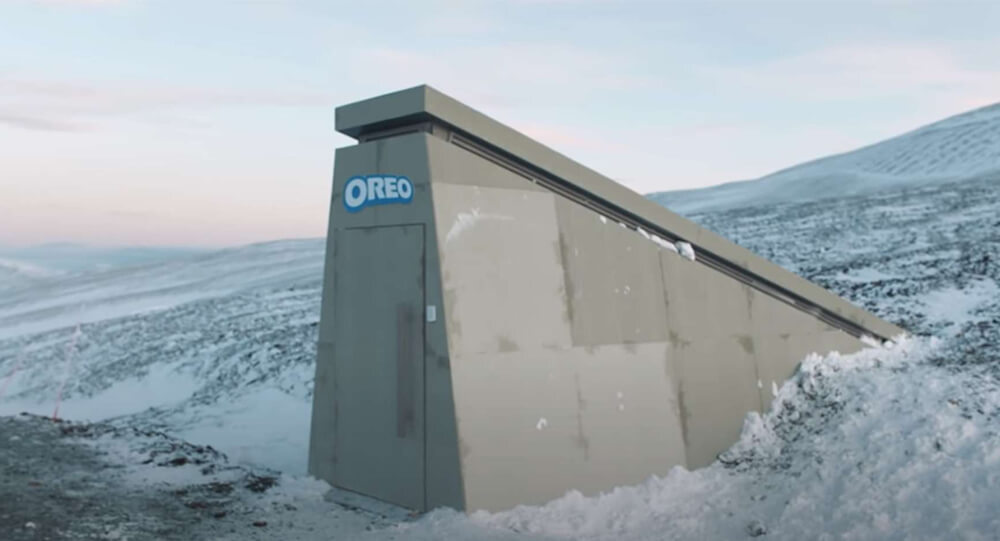
Oreo builds asteroid-proof bunker to protect its cookies and recipes
In October 2020, Oreo builds a concrete bunker in Svalbard, Norway, to protect their recipes in case of an asteroid impact. The vault also contains Oreos wrapped in Mylar and vials of milk powder.

From Ocean Trash to Trendy Kicks: Adidas Sells 1 Million Eco-Friendly Shoes Made from Plastic Bottles
Adidas has sold over 1 million eco-friendly shoes made from ocean plastic. Each pair reuses the equivalent of 11 plastic bottles