
Many of us tune out when Tim Cook, the CEO of Apple, and company talk about all the new features that will be included in the newest iPhone each year.
Naturally, we all tune in to some of the more fascinating new features, but most of us will probably be the first to admit that we often overlook the security measures.
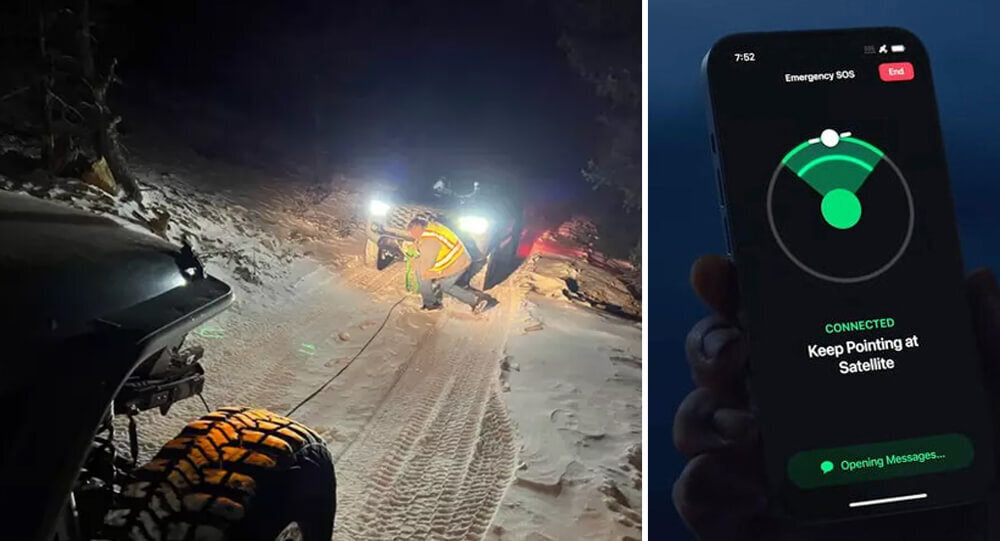
But those crucial safety precautions might come in handy after all—just ask the group of travelers who got stuck in the snowy Colorado mountains over the holiday season.
The group’s iPhone’s SOS satellite feature allowed them to contact rescue even though they were stranded in the middle of nowhere with no phone service.
According to a press release that People was able to obtain, at 6:10 p.m. on Monday, the iPhone Satellite Emergency Relay Center sent word to the Gilpin County Dispatch Center.

They received word that a Toyota Tacoma was lost in Gilpin County’s mountains, not far from Denver.
Colorado 4×4 Rescue Group and Recovery was called in for assistance by Gilpin County sheriffs at 6:50 p.m., and they were sent to the scene of the stranded vehicle at 8:15 p.m.
When the Colorado 4×4 group discovered the stranded vehicle at 9:40 p.m., everyone was safe and sound despite the cold.
“They’re like, ‘Hey, stuck Tacoma. We don’t know what’s going on. We just know that people are stuck,” Colorado 4×4 Rescue public information officer Kimi McBryde told local outlet KMGH.
“So pro of the iPhone: we found out they needed help. Con, you don’t necessarily get all the information.”
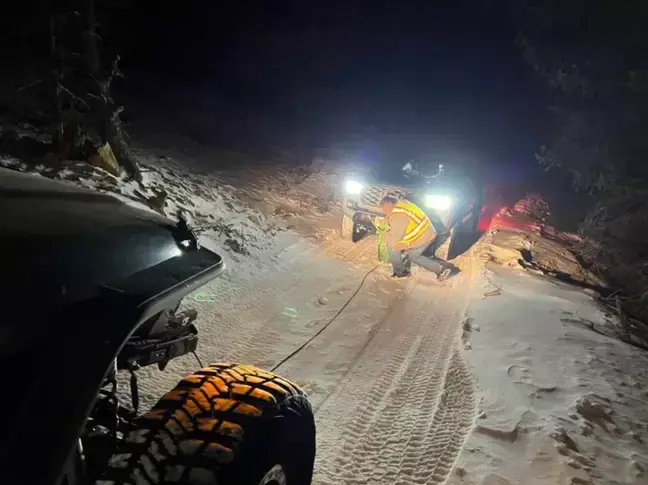
The search and rescue team ‘weren’t sure how many people were out there’ because there was no cell phone service, but the fact that they were found safely was what mattered most.
The SOS satellite feature is compatible with the iPhone 14, iPhone 14 Pro, iPhone 15, and iPhone 15 Pro, according to Apple Support.
“Emergency SOS via satellite can help you connect with the emergency services under exceptional circumstances when no other means of reaching the emergency services are available,” according to the website.
“Your iPhone attempts to connect you via satellite if you try to call or text emergency services but are unable to do so because you are in an area without cell or Wi-Fi service.
“To connect to a satellite, you need to be outside with a clear view of the sky and horizon. When you use a satellite connection, the experience is different than sending or receiving a message via mobile connection.”


Smart guy brings life-sized cutout of his late mother to his graduation
Even though that his mother passed away in 2016, a young man had a clever idea to make a life-size cutout of her and bring it to the event so that she could attend his graduation ceremony.

Paramedic Rescues Doctor Who Saved Him 30 Years Earlier
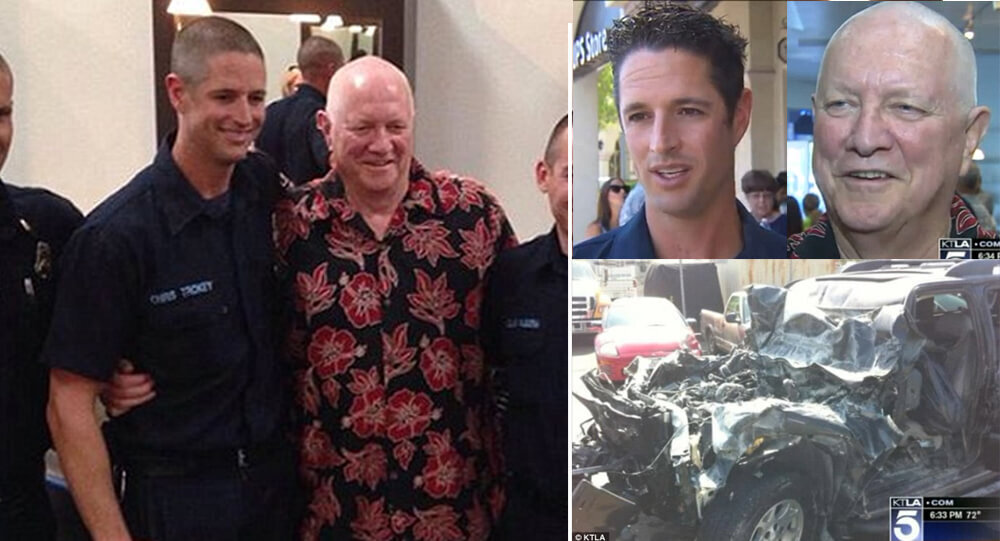
In 1981, a doctor helped save the life of a 3.2 pounds premature baby boy. Thirty years later, the boy, who had grown up to be a firefighter-paramedic, helped in saving the same doctor from a car accident.
'Super obedient' lookout parrot trained by Brazilian drug dealers is seized by police
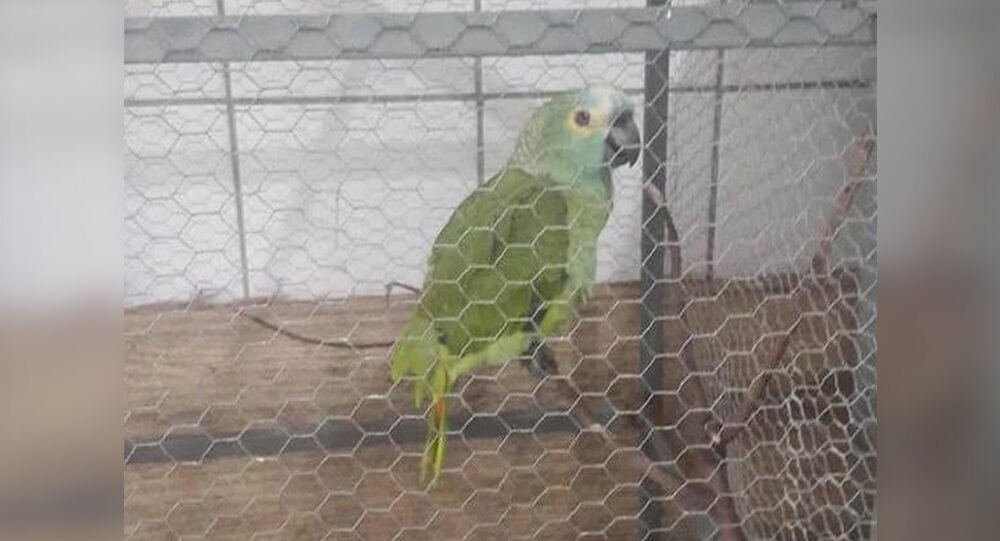
In 2019, police in Brazil seized a 'super obedient' lookout parrot trained by drug dealers. According to reports, the bird had been taught to alert criminals to police operations by shouting: "Mum, the police!" As soon as the police got close, he started shouting.

Story of Forrest Fenn and who he hid a bronze chest treasure full of gold and other jewels
Forrest Fenn, an art dealer, hid a bronze chest full of gold and other jewels somewhere in the Rocky Mountains ten years ago. In a poem, he hinted at its location. Thousands of people tried and failed to find the treasure, which is said to be worth over a million dollars, and at least four people died in the process. In June 2020, the Fenn treasure was discovered.

A Pilot Survived 20 Minutes Outside A Flying Jet
In 1990, the captain of flight 5390 Timothy Lancaster got sucked out of his own plane when the window of the plane fell off. The crew held the captain’s leg for 30 minutes while the plane performed emergency landing. Everyone survived.
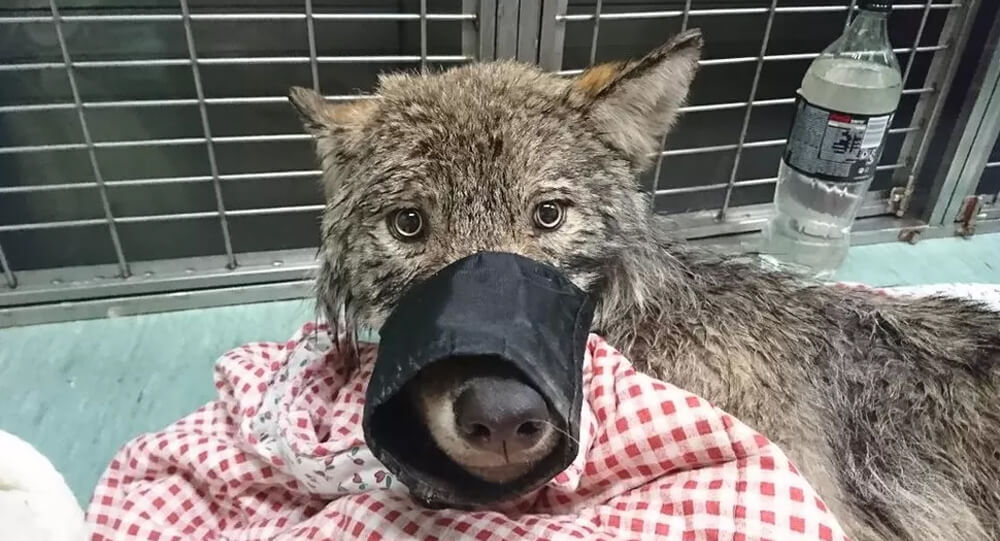
Estonians save a wolf from the ice by mistaking it for a dog
Two young construction workers in Estonia discovered what they thought was a dog caught in a frozen lake. They carried it to their car and brought him to an animal shelter, not realizing it was a wolf.

The beauty and uniqueness of Fukang Meteorite
This Fukang meteorite is around 4.5 billion years old and weighs more than 2,000 pounds. It was discovered in China in 2014 and is assumed to have formed when our solar system initially formed.

A man who was saved from committing suicide 16 years ago now assists people dealing with mental health issues
Kevin Berthia traveled to the Golden Gate Bridge in 2005 to commit suicide. He ended up spending 92 minutes on the edge of the bridge talking to officer Kevin Briggs about his life. In much better circumstances, they cross paths at the same bridge ten years later.
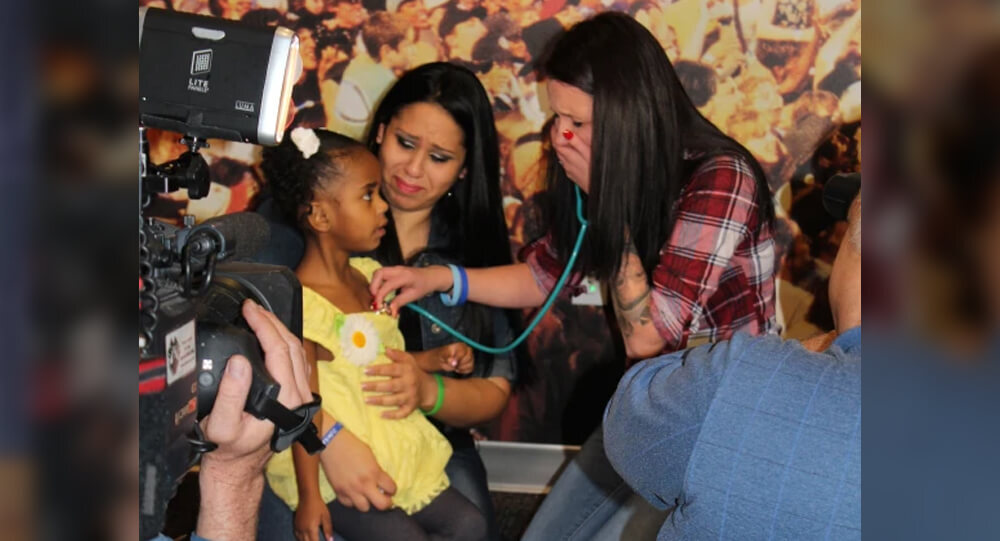
Mom hears son's heartbeat 3 years after his death when she meets organ recipient
She agreed to donate her son's organs after his sudden death in June 2013 at the age of 7 months. The grieving mother was able to listen to her late son’s heart beating inside the little girl who received the organ after his death.

Baby Lynlee 'born twice' after life-saving tumour surgery
Baby Lynlee was "born twice." First, surgeons brought her out of the womb to remove a spinal tumor. After the successful surgery, she was placed back and born again as a healthy baby girl.
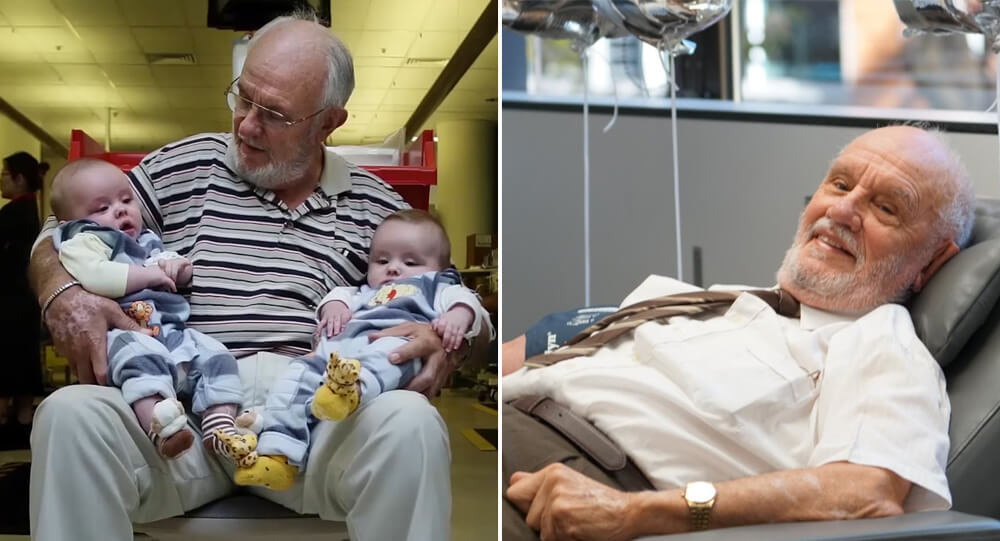
Man's Blood Helped Save Millions of Babies
Australian blood donor James Harrison has been one of our most impressive and valued donors, having donated for 60 years. Know his story, how he was a pioneer of our Anti-D program, and why this matters.

The actions of a 7-year-old girl protected her mother from bullets
A 7-year-old girl jumped in front of her mother to save her from a man who was attempting to kill her in 2007. She was shot six times and survived, as well as saving her mother.

From Ocean Trash to Trendy Kicks: Adidas Sells 1 Million Eco-Friendly Shoes Made from Plastic Bottles
Adidas has sold over 1 million eco-friendly shoes made from ocean plastic. Each pair reuses the equivalent of 11 plastic bottles

chand baori stepwell in Rajasthan India, Ancient cooling technique
This Chand Baori stepwell in Rajasthan, India is over 1200 years old. It’s called Chand Baori. The air at the bottom of the well is 5-6 degrees cooler than at the surface, so in addition to being a water source, it was used as a community gathering place where locals could escape the heat.

Neerja Bhanot, the braveheart flight attendant was never run away from a crisis
Neeja Bhanot, a 22 year old Indian flight attendant who helped hides 41 American passports aboard a hijacked plane. She died shielding three children from gunfire and was posthumously awarded bravery medals from India, Pakistan, and the United States.

JBJ Soul Kitchen: Bon Jovi's community restaurant
JBJ Soul Kitchen is a community restaurant by Jon Bon Jovi with no prices on the menu; customers donate to pay for their meals. If you are unable to donate you may do volunteer work in exchange for your family’s meal.
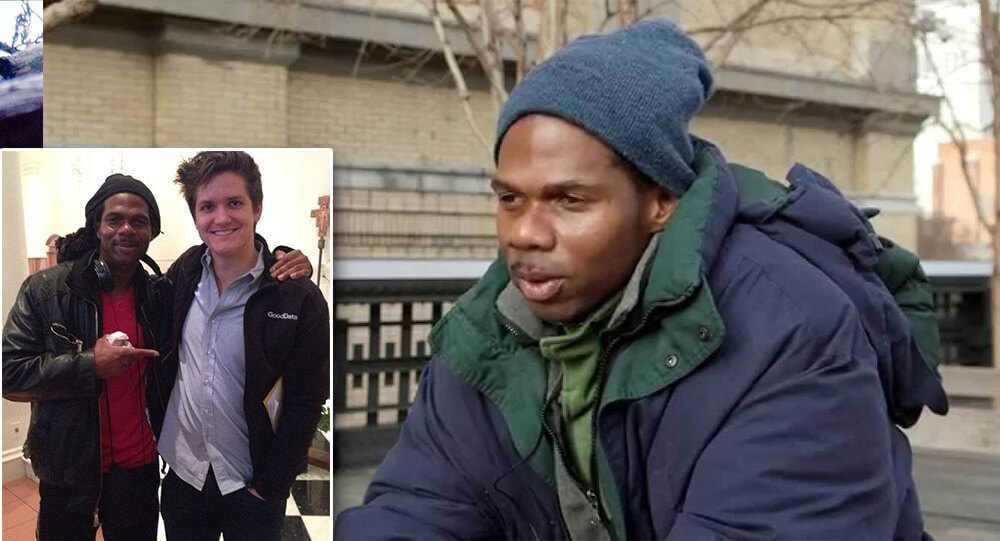
Leo Grand: from homeless to mobile app developer
In 2013, A young programmer offered a homeless man the choice between $100 cash or coding lessons. Leo Grand chose the lessons, and his first mobile app was “Trees for Cars," which helps drivers find carpooling partners.

A little girl survived a 1-hour submersion in freezing creek water
On June 10, 1986, two-and-a-half-year-old Michelle Funk fell into an icy creek and was submerged for 66 minutes. When rescuers pulled her out of the water, she was not breathing, had no pulse, and appeared lifeless. The doctors used various techniques to rewarm her blood and bring her back to life. She was successfully resuscitated and went on to lead a healthy life.

Whang-od Oggay, The legendary tattoo artist from the Philippines
This is Whang-od Oggay, a 106-year-old tattoo artist from the Philippines. She is often described as the last and oldest Kalinga tattoo artist, and has been performing the traditional art of hand-tapped tattoos since the age of 15

Before Hollywood, Christopher Walken Was a Teenage Lion Tamer with a Lioness Named Sheba
Before acting, Christopher Walken worked as a lion tamer in a circus at age 16. He performed with a lioness named Sheba and described the job as surprisingly calm—just another day before Hollywood stardom.
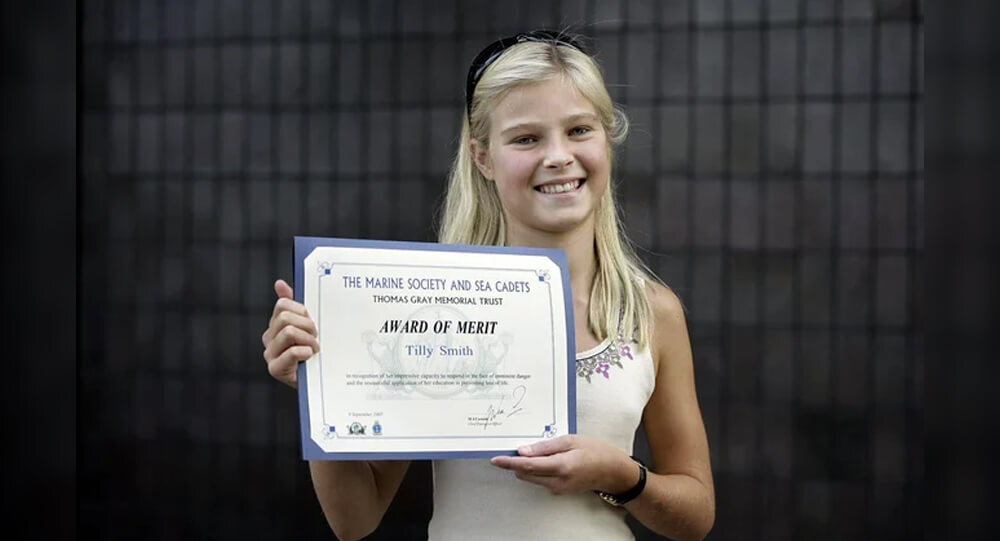
Smart girl saves her family more than 100 people in 2004 tsunami
In 2004, a 10-year-old girl saved her family and 100 other tourists from the Asian tsunami because she had learned about the giant waves in a geography lesson, it has emerged.
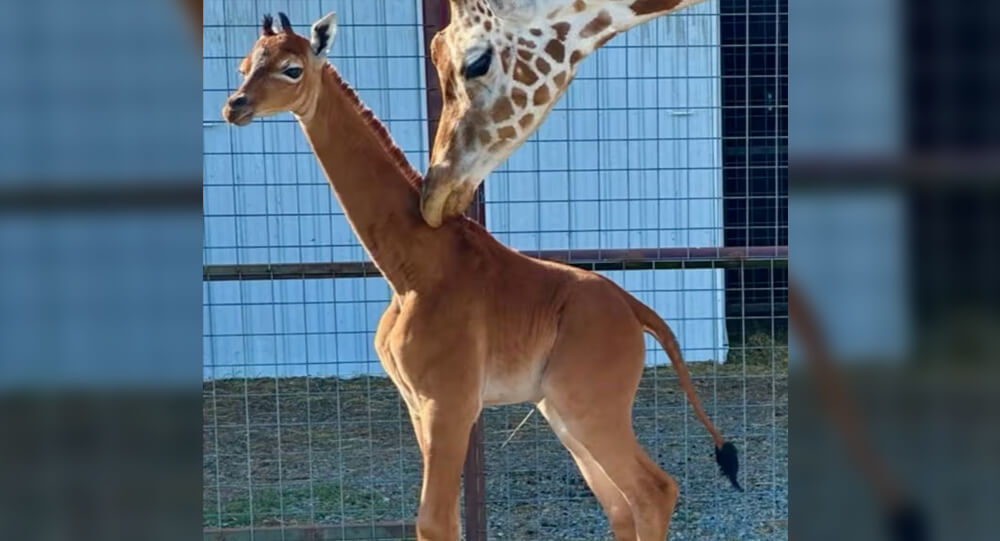
Kipekee, the world's only spotless giraffe, was born at Brights Zoo
The world's only spotless giraffe was born at a zoo in the United States. The giraffe born without spots on July 31 is the only one of her kind on Earth.

Couple reunites after 60 years apart
A Russian couple were reunited after being separated for 60 years. They were married for 3 days when the husband left to join the Red Army. They were unable to find each other until 60 years later when they randomly visited their hometown on the same day.

LEGO Braille Bricks: Revolutionizing Braille Learning Through Play and Inclusion
go Braille Bricks were launched in 2020 to help visually impaired children learn Braille through play. Each brick features the Braille alphabet and is fully compatible with standard Lego sets, allowing sighted peers to join in, fostering inclusivity and collaboration in learning environments.

Lafayette pizza delivery driver who saved 5 from burning house
Nicholas Bostic a 25-year-old pizza delivery man from Lafayette, Indiana, ran into a burning house to rescue four children, who told him there is one more inside. He ran back inside, he found the six-year-old girl, jumped out of a window, carried her to a cop who captured the moment on his bodycam.