
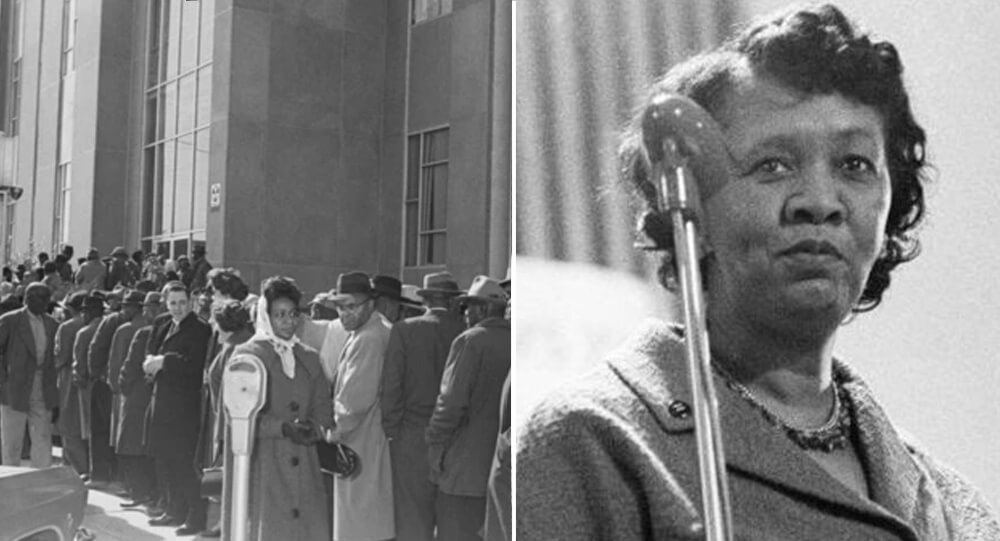
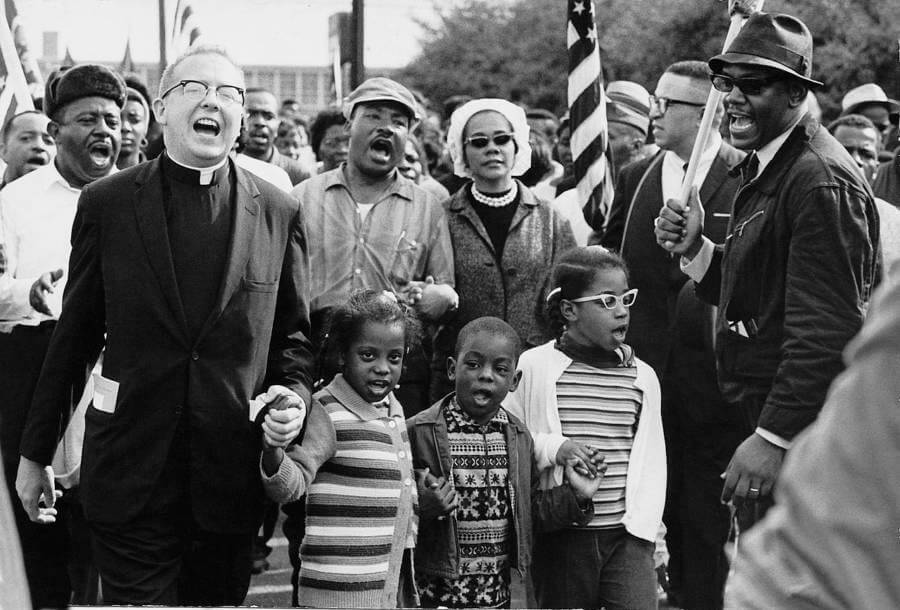
Considered one of Martin Luther King Jr.’s crowning moments in building racial equality, he was accompanied by Annie Lee Cooper, without whose tireless efforts many Black Americans might not have the right to vote today.
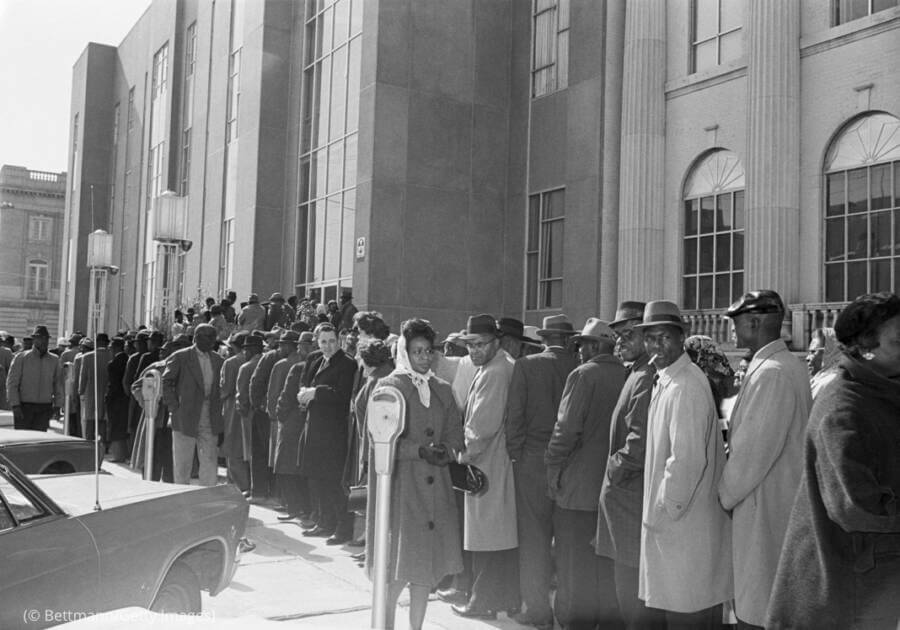
When Annie Lee Cooper was waiting in line to cast her ballot outside the Selma Dallas County courthouse in January 1965, a police officer approached her and tried to stop her from performing her civic duty. Cooper is notorious for punching the cop in the face after he prodded her in the neck with his baton.
Despite being mostly absent from the typical American classroom, Cooper gained some notoriety when Selma, the Academy Award–winning film that featured her tale, was released in 2014. Only four years had passed since her death at the age of 100 when the movie came out, and none other than Oprah Winfrey brought her story to life.
This is the real-life story of activist, revolutionary, and champion of voting rights Annie Lee Cooper.
Annie Lee Cooper’s Childhood In Jim Crow America
Cooper, an only child of Lucy Jones and Charles Wilkerson Sr., was born Annie Lee Wilkerson in Selma, Alabama, on June 2, 1910. Cooper completed the seventh grade of school before quitting and moving in with one of her sisters in Kentucky. She later relocated to Pennsylvania.
Cooper was born during a perilous juncture in American history. No matter their socioeconomic standing, Black men and women were unable to vote in 1901 under the recently enacted Alabama constitution.
Legal experts concur now that the main aim of this constitution was to formalize white dominance in the state. However, white Alabamans at the time mostly accepted its conditions.
Cooper discovered that there were states where Black people could vote despite growing up in a state where they couldn’t. Cooper became motivated by this difference and set out on a quest to the voting booth.
Becoming A Civil Rights Activist
To take care of her elderly mother, Annie Lee Cooper traveled back to Selma, Alabama, in 1962. However, when she arrived, she discovered that Black men and women continued to be denied the right to vote.
In order to mobilize Black men and women to petition for voting rights, American civil rights activist Bernard Lafayette and his wife Colia Liddell arrived in Alabama about the same time. The Student Non-Violent Coordinating Committee (SNCC), which the newlyweds were representing, appealed to young Cooper right away.
Cooper would repeatedly recount how, in order to register to vote in Alabama, she had to take a “voting test,” a Jim Crow-era literacy test that was impossible to pass. However, she consistently failed the test, as was planned by the system each time.
“Once, I was in line starting at 7 a.m. but never managed to register,” she claimed.
Therefore, Annie Lee Cooper joined the SNCC in 1963, armed with the activist experience she had garnered through working with the Dallas County Voter’s League. Her day job dismissed her when they learned about her new activism.
Cooper, unfazed, took a position as a clerk at a motel. She subsequently joined the growing civil rights movement as an official member. The movement, which was characterized by nonviolent protest and nonviolent marches, was founded in large part to combat the dangers of white supremacy in the American South.
When Annie Lee Cooper attempted to register to vote in Selma, Alabama once more in January 1965, she earned her place in American history.
But white Sheriff Jim Clark stopped her when she arrived at the polling place. It would turn out to be among the Sheriff’s biggest errors of judgment.
Cooper, unfazed, took a position as a clerk at a motel. She subsequently joined the growing civil rights movement as an official member. The movement, which was characterized by nonviolent protest and nonviolent marches, was founded in large part to combat the dangers of white supremacy in the American South.
When Annie Lee Cooper attempted to register to vote in Selma, Alabama once more in January 1965, she earned her place in American history.
But white Sheriff Jim Clark stopped her when she arrived at the polling place. It would turn out to be among the Sheriff’s biggest errors of judgment.
Punching Sheriff Jim Clark
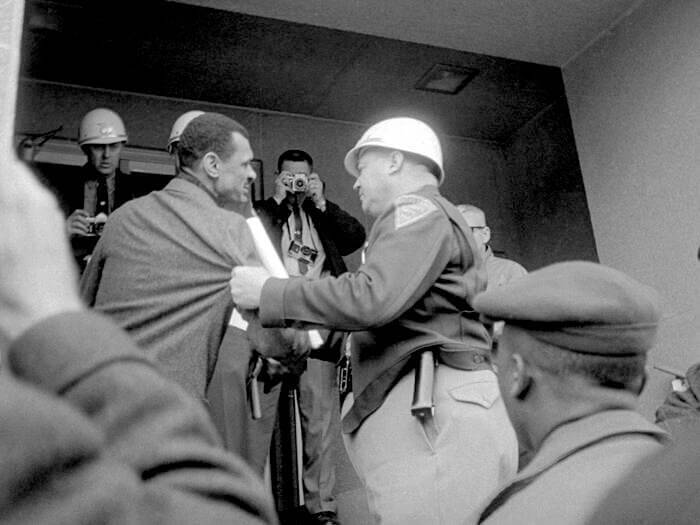
James Gardner Clark Jr., the sheriff of Dallas County, Alabama, has a track record for being a rough individual. He enlisted the Ku Klux Klan to prevent Black Alabamans from casting ballots, beat and detained peaceful protesters with great violence, and even stabbed Black people with cattle prods.
He was praised for his “publicity services delivered” after The Washington Post released pictures of Clark assaulting civil rights activist Amelia Boynton.
When Clark ultimately passed away in 2007, The Washington Post’s obituary almost seemed to celebrate his passing due to his abhorrent actions. “Mr. The story stated that Clark “seemed to relish confrontation.” “He at least struck C.T., an organizer. He then claimed he did not remember punching Vivian in the face, although an X-ray revealed a linear fracture in a finger on his left hand.
But when Clark prodded Cooper’s neck with his billy club in January 1965, presumably as a prelude to something worse, he received a taste of his own medicine. In response, Cooper gave him what is now jokingly referred to as a “two-piece and a biscuit.”
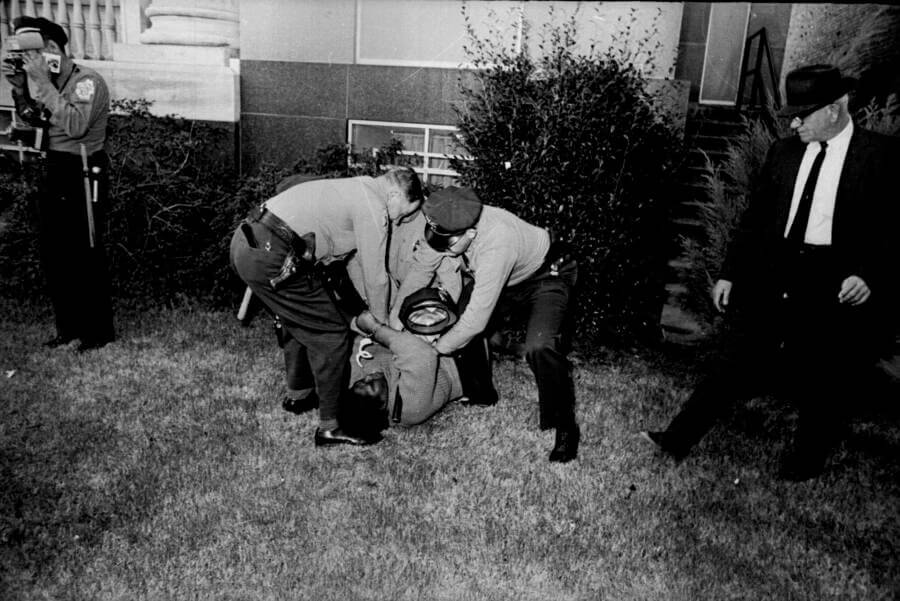
She recalled, “I was just standing there when his deputies told a man with us to move and when he didn’t, they tried to kick him.” “That’s when Clark and I started arguing. I make an effort to act nonviolently, but I can’t say I wouldn’t act the same way again if they treated me harshly like they did this time.
Cooper was detained for clocking Sheriff Clark, probably in accordance with the law. But she was almost immediately released after Clark threatened to beat her while she was in custody.
It wasn’t in vain that she confronted him. The Voting Rights Act of 1965 was eventually approved shortly after, thanks to the tireless efforts of Cooper, her contemporaries, and Martin Luther King Jr.
Annie Lee Cooper’s Death At 100
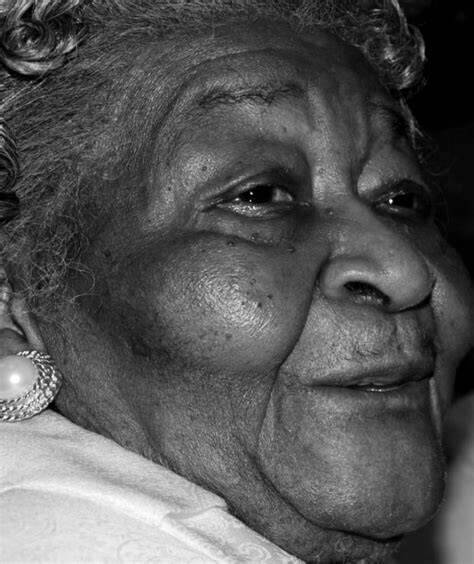
In her final years, Cooper lived a very calm and laid-back life in Selma, where her hometown named a roadway Annie Cooper Avenue in honor of her commitment to the civil rights fight on the occasion of her 100th birthday.
Her loving mother had lived to be 106, so according to her relatives, Cooper planned to live many longer.
Sadly, Annie Lee Cooper passed away on November 24, 2010, at the Selma, Alabama, Vaughan Regional Medical Center. Although she didn’t survive very long after turning 100, her impact on American history will never be forgotten.

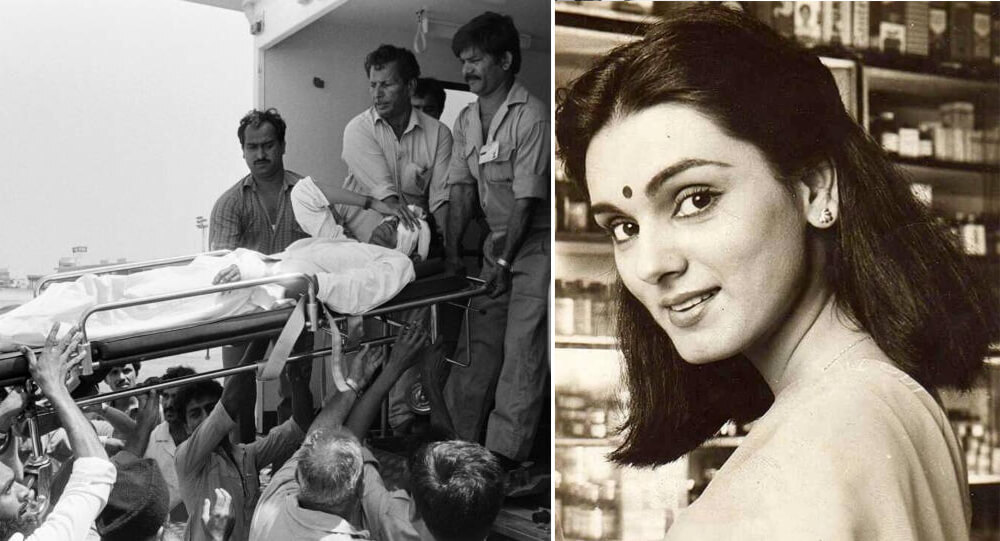
Neerja Bhanot, the braveheart flight attendant was never run away from a crisis
Neeja Bhanot, a 22 year old Indian flight attendant who helped hides 41 American passports aboard a hijacked plane. She died shielding three children from gunfire and was posthumously awarded bravery medals from India, Pakistan, and the United States.

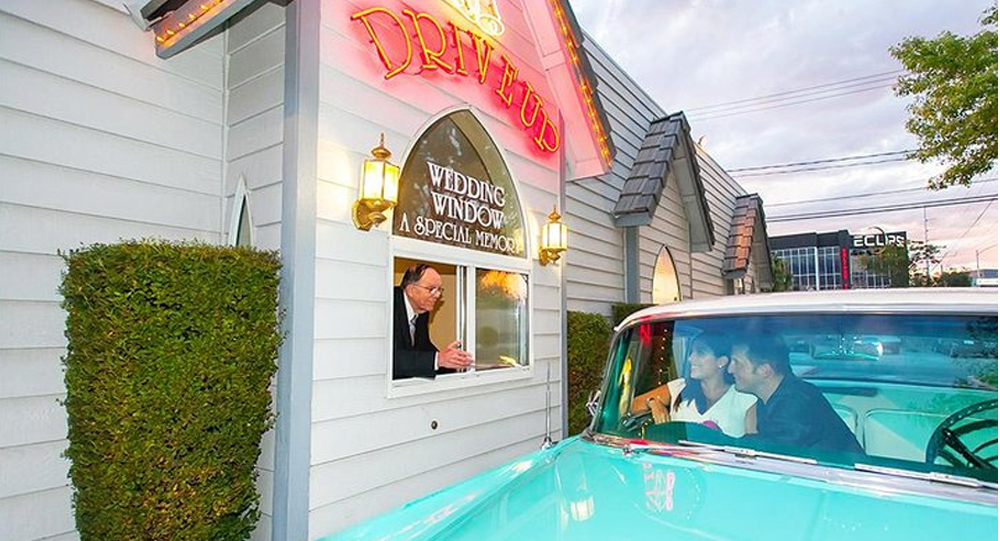
Drive-Thru Weddings in Las Vegas: The Ultimate Fast, Fun, and Legal Way to Say “I Do”
Inspired by fast food convenience, Las Vegas offers drive-thru weddings where couples can legally marry in under 5 minutes—without leaving their car. Some chapels even offer curbside Elvis impersonators and 24/7 ceremonies, complete with “to-go” marriage licenses.
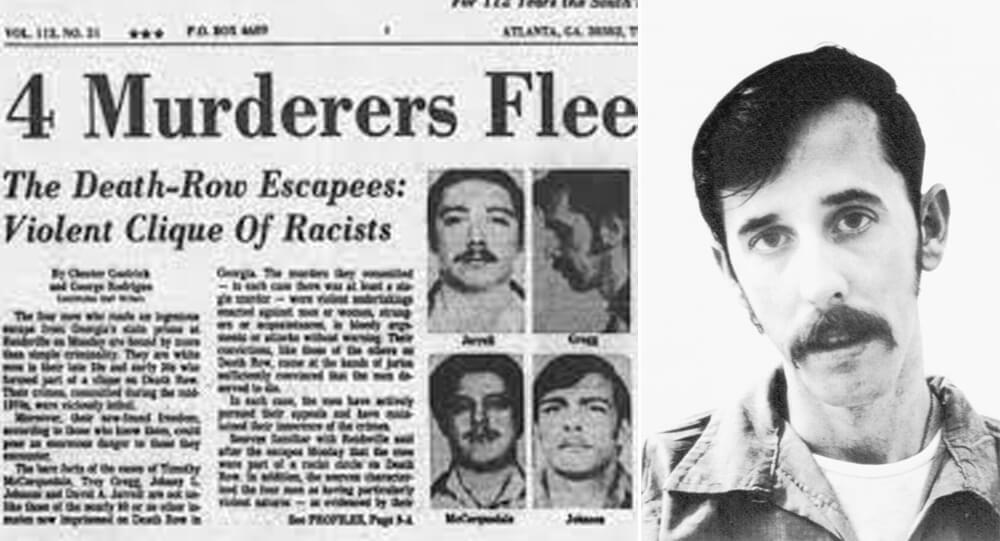
Troy Leon Gregg: the death row inmate murdered the same night he escaped
In July 1980, Troy Leon Gregg escaped from Georgia State Prison the night before his execution. However, he was killed in a fight in a bar just a few hours later.
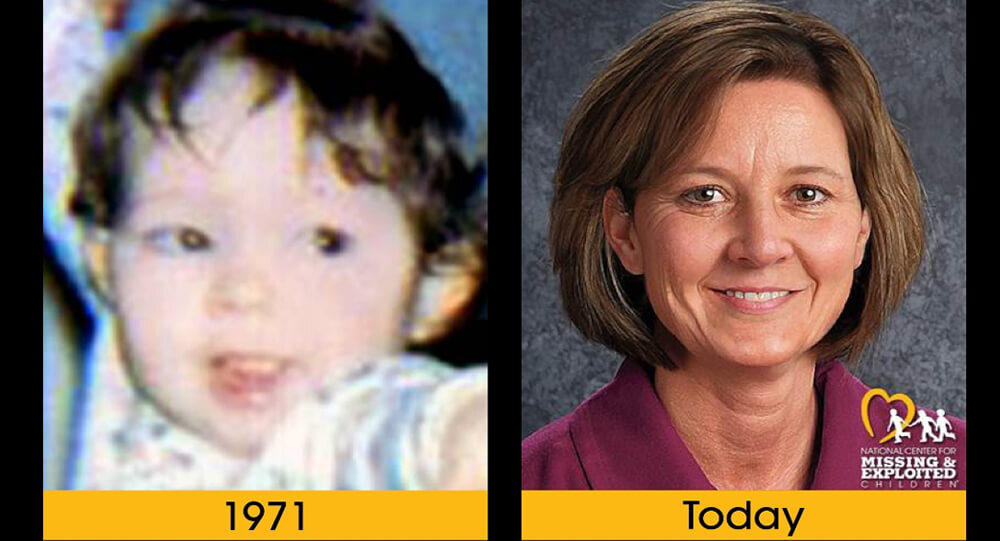
A woman who had been lost since she was a newborn 51 years ago was said to have been spotted
A woman who had been lost since she was a newborn for 51 years was reported to have been sighted.

New York installs first offshore wind turbine to power 70,000 homes
New York State has achieved a historic milestone in its clean energy transition by installing the first wind turbine at its first offshore wind farm, South Fork Win.
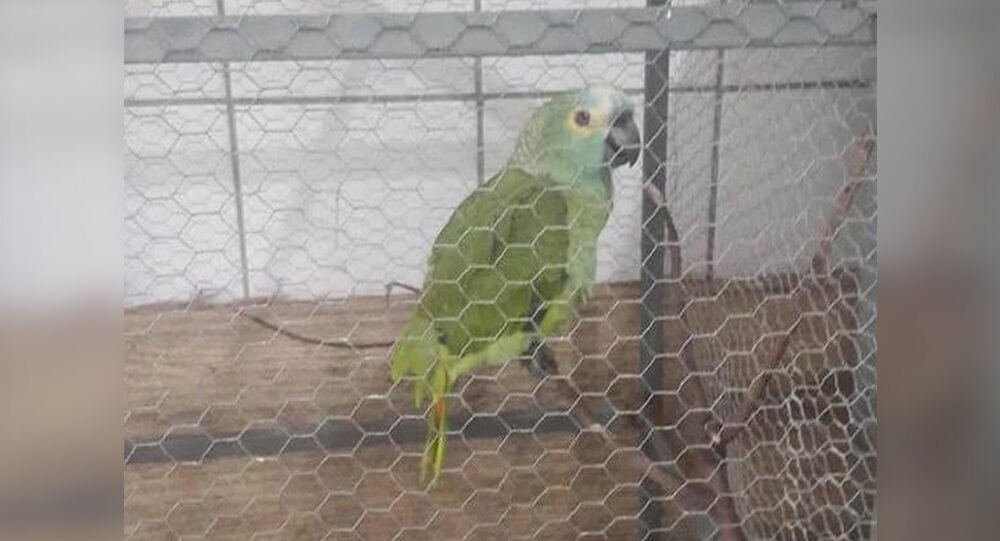
'Super obedient' lookout parrot trained by Brazilian drug dealers is seized by police
In 2019, police in Brazil seized a 'super obedient' lookout parrot trained by drug dealers. According to reports, the bird had been taught to alert criminals to police operations by shouting: "Mum, the police!" As soon as the police got close, he started shouting.

Restaurant owner offers burglar a job rather than filing charges
On April 13, 2021, Diablo’s Southwest Grill was robbed, but instead of pressing charges, owner Carl Wallace decided to offer the burglar a job in his business and said “There are better opportunities out there than this path you’ve chosen,”.

A U.S. Submarine Collides with a Japanese Fishing Ship in 2001
In 1998, 14-year-old Michael Crowe was charged with the murder of his sister. The police started targeting him after he seemed “distant and preoccupied” when his sister’s body was discovered, and during interrogation, police coercion led him to make a false confession. He was later declared factually innocent and the family won a lawsuit of $7.25 million in 2011.
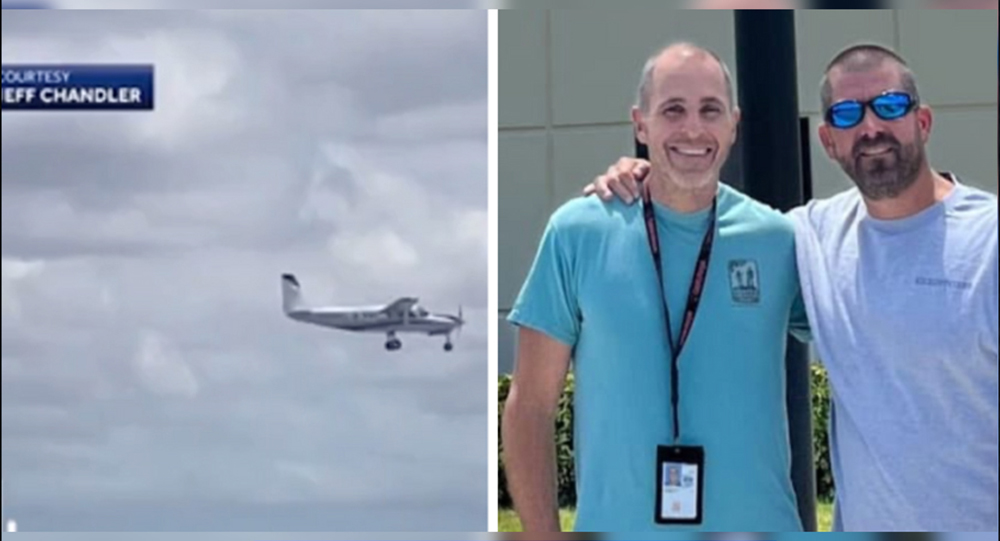
Passenger with No Flying Experience Lands Plane in Florida: A Real-Life Aviation Miracle
A passenger with no flying experience landed a twin-engine plane in Florida after the pilot died mid-flight. With guidance from air traffic control, he safely touched down—a real-life aviation miracle caught on radar and radio.

Aitzaz Hasan, Pakistani school boy who sacrificed his life from suicide bomber
Aitzaz Hasan, a 15 year old Pakistani school boy, sacrificed his life while preventing a suicide bomber from entering his school of 2000 students. His father said "My son made his mother cry but saved hundreds of mothers from crying for their children."

The rescuing hug - the touching story of twins Brielle and Kyrie Jackson
Brielle and Kyrie Jackson’s lifesaving hug was captured when Brielle was struggling to breathe and going blue. As a final option, the nurse deviated from protocol and placed them in the same incubator. Kyrie wrapped her arm around her sister, who immediately began to stabilize

World's largest iceberg breaks off Antarctica
In 1986, the iceberg known as A23a broke away from the Antarctic coast. However, it quickly grounded in the Weddell Sea, effectively turning into an ice island.

Before "The Rock," There Was "Rocky Maivia"
Dwayne “The Rock” Johnson’s first WWF persona was Rocky Maivia, a face (good guy). The audience rejected him due to his cheesy character, with chants of “Die, Rocky, die!”. After this, he became a heel (villain), referring to himself in the third person as “The Rock” and insulting the audience.
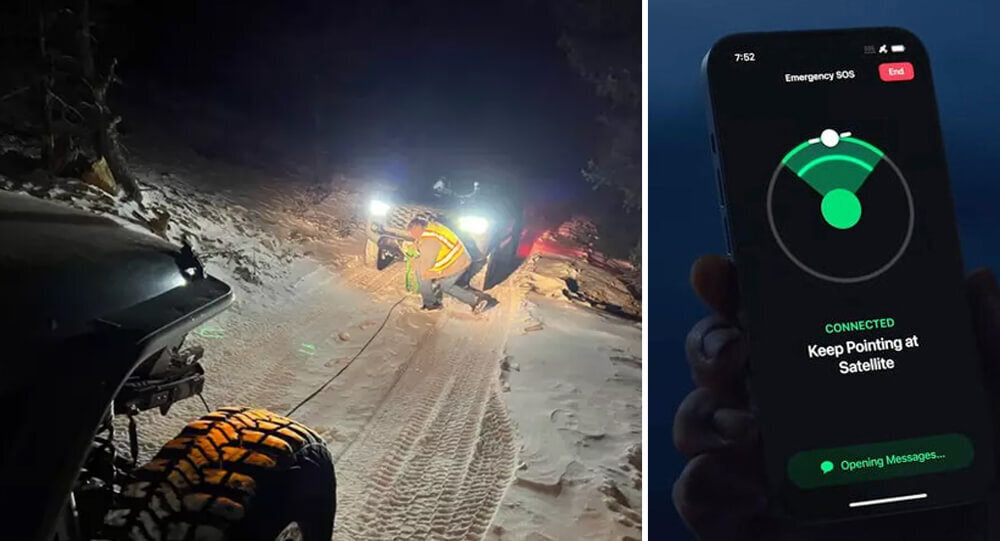
stranded hikers rescued by a life-saving iPhone feature
Stranded hikers were rescued by a life-saving iPhone feature that an awful lot of folks don't know a lot about.
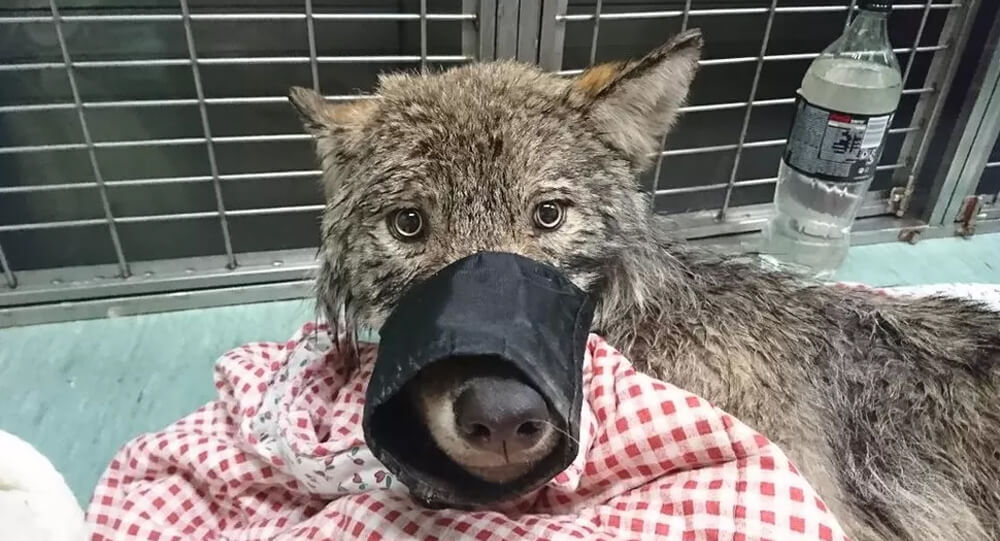
Estonians save a wolf from the ice by mistaking it for a dog
Two young construction workers in Estonia discovered what they thought was a dog caught in a frozen lake. They carried it to their car and brought him to an animal shelter, not realizing it was a wolf.

The incredible story of a plane that lost its roof in mid-flight and the light signal that saved 94 lives.
On April 28, 1988, Aloha Airlines flight 243 was on the way to Honolulu from Hilo when a huge portion of the upper part of the fuselage blew off the airplane.

How Magic Johnson Missed Out On $7 Billion Nike deal
Magic Johnson turned down a deal with Nike in 1979 that offered him 100,000 shares of stock and $1 for every pair of shoes sold. Instead, he chose Converse, which offered him $100,000 per year. Johnson lost about $5 billion by declining the Nike deal.

A story of a man Survived Inside Sunken Ship For Three Days
A man survived a sunken ship for nearly three days, 279 feet underwater and in complete darkness, while listening to fish eat the bodies of his shipmates.

Inspiring story of Emma Schols who Saved Her Six Kids From A Burning House
Emma Schols, a Swedish mother, saved all six of her children from a devastating house fire in 2019, running from room to room through flames while bleeding and losing skin. Against all odds, she survived with severe burns covering 90% of her body.

Before Hollywood, Christopher Walken Was a Teenage Lion Tamer with a Lioness Named Sheba
Before acting, Christopher Walken worked as a lion tamer in a circus at age 16. He performed with a lioness named Sheba and described the job as surprisingly calm—just another day before Hollywood stardom.

Baby Lynlee 'born twice' after life-saving tumour surgery
Baby Lynlee was "born twice." First, surgeons brought her out of the womb to remove a spinal tumor. After the successful surgery, she was placed back and born again as a healthy baby girl.

The world’s longest flight spent more than two months in the air
Roberts Timm and Jim Cook, two pilots, flew an aircraft for more than two months without landing in 1958. Matching the speed of a truck moving down the road to refuel. A mattress for sleeping, a small steel sink for personal hygiene, the removal of most interior fittings to reduce weight, and a basic autopilot were among the improvements.

Morgan’s Wonderland, the world’s first ultra-accessible amusement park
Gordon Hartman was heartbroken when his special needs daughter, Morgan, was rejected by a group of children playing by the hotel poolside. He then set out to build a place where all children can play together. This led to the development of the world’s first ultra-accessible amusement park, Morgan’s Wonderland
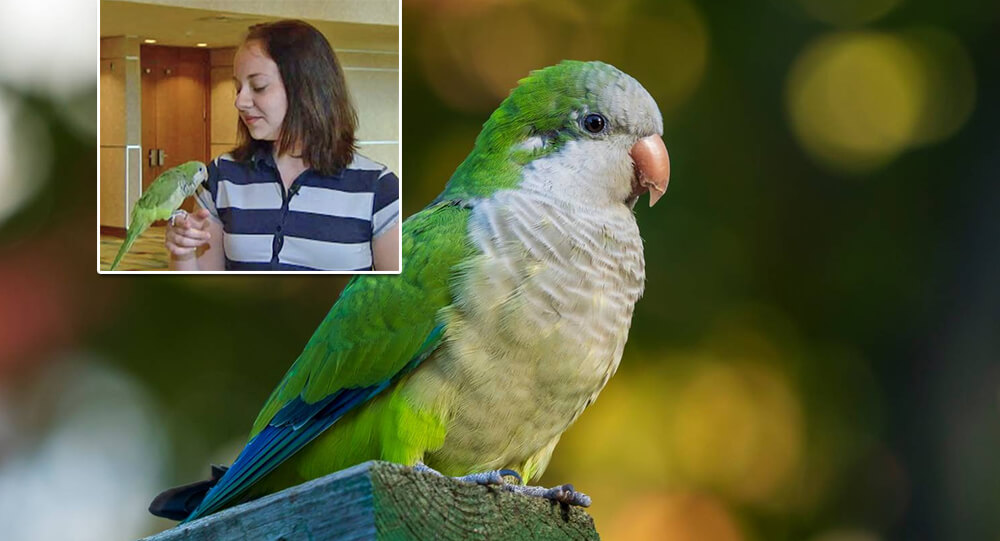
How hero parrot saved little girl who was choking on her breakfast
In 2008 Quaker parrot Willie alerted his owner Megan Howard when the little girl she was babysitting began to choke. Howard was in the bathroom when the parrot repeatedly yelled "Mama! Baby!" flapping his wings. Megan rushed and performed the Heimlich maneuver, saving her life. Willie received the Red Cross Animal Lifesaver Award.
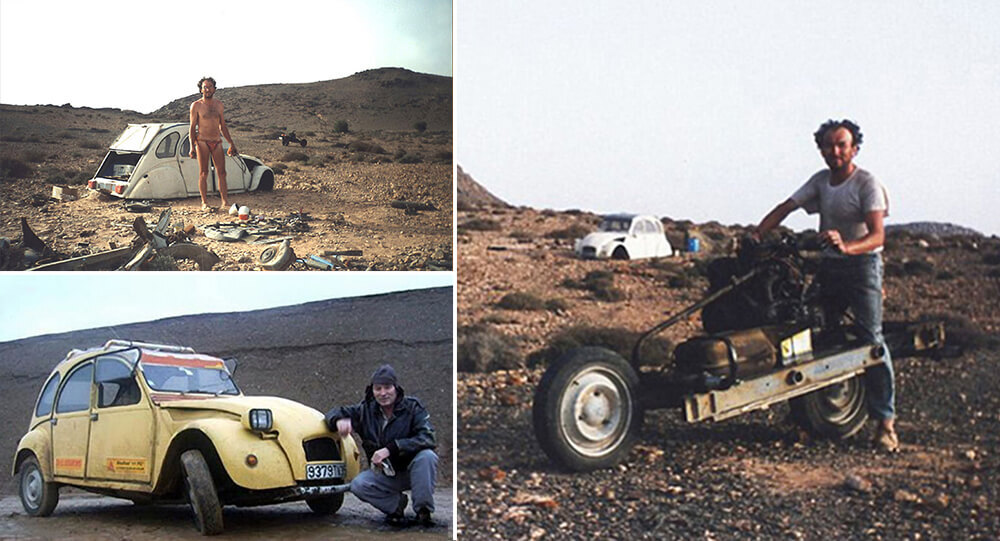
Man Trapped in the Sahara Desert Constructs a Bike From His Broken-Down Car to Save His Life
A man who became lost in the desert disassembled his broken-down car and turned it into a functional motorcycle, which he used to escape.