
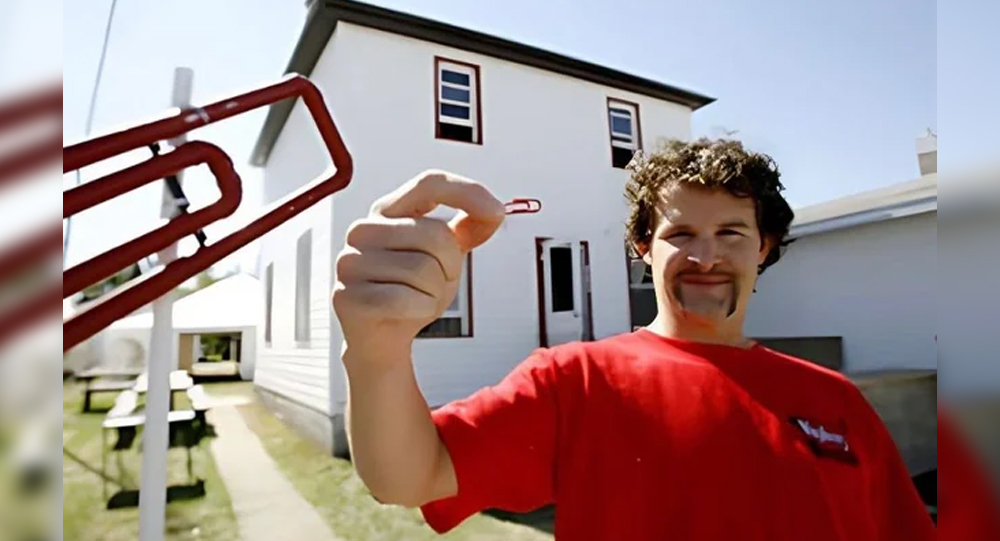
Kyle MacDonald’s adventure started on July 14, 2005, in Montreal, when he decided to test a childhood game called “Bigger, Better.” His goal? To trade a red paperclip for “something bigger, something better,” and see how far he could get. The first trade was simple—a red paperclip for a fish-shaped pen. Even at this modest start, Kyle’s story began to attract attention online as he chronicled each exchange on his blog.
The fish pen was quickly traded for a handcrafted doorknob by a Seattle potter, setting the tone for a journey fueled by creativity, storytelling, and connections.
The Trades That Captivated Thousands
Over the next year, Kyle’s trades grew increasingly impressive and creative. From the doorknob, he swapped for a Coleman camp stove in Massachusetts, followed by a Honda generator in California. Back east in New York, the generator turned into an instant party—a keg with free beer.
The party led to a snowmobile, which walked him to a trip to Yahk, British Columbia. Subsequent deals included a box truck, a recording contract, and even a day with the legendary rocker Alice Cooper. This afternoon meeting was traded for a KISS snow globe, caught the attention of the actor-director Corbin Bernsen, who then offered Kyle a role in an independent film.
From Movie Role to Farmhouse
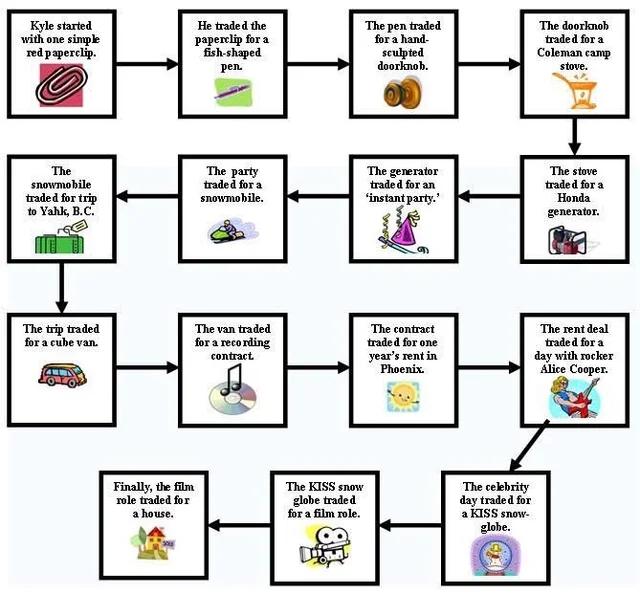
The climax of Kyle’s remarkable bartering story came when the small town of Kipling, Saskatchewan, agreed to trade a modest two-story farmhouse for the movie role Kyle had acquired. The deal was sealed exactly one year from his initial trade. Kipling welcomed Kyle with a ceremony and even erected the world’s largest red paperclip sculpture as a symbol of the story’s success and the town’s newfound fame.
The “Red Paperclip House” remains a symbol of innovation, community, and the potential of social barter.
More Than Just Trading: Lessons from the Journey
Kyle MacDonald’s red paperclip challenge was not just about material gain; it became a lesson in networking, storytelling, and perseverance. His blog created a global audience who watched and participated vicariously, helping spread the story across media outlets worldwide.
He often emphasized that each trade worked because it was meaningful to the other party—what he called “funtential,” or fun potential. This blend of value, humor, and connection made his journey unique and sustainable.
Fascinating Trivia About the Red Paperclip Journey
- Kyle’s blog chronicling the trades attracted dozens of thousands of daily visitors, launching the story into viral fame.
- His $1,000 reward offer was not part of the plan; the focus was on unique and interesting trades rather than money.
- The world’s largest red paperclip in Kipling stands roughly 15 feet (4.6 meters) tall and was unveiled on July 12, 2007.
- Some trades required Kyle to travel thousands of miles, turning the bartering into a cross-country adventure.
- The recording contract trade was with Metalworks, Canada’s largest music studio.
- The snowmobile was a pivotal item that elevated the scale of trades and media attention.
- Kyle published a book, One Red Paperclip: How an Ordinary Man Achieved His Dreams with the Help of a Simple Office Supply, detailing the experience.
- The story has inspired countless copycats worldwide attempting to trade upwards from small items.
Final Thoughts: Turning a Simple Idea into a Legendary Journey
Kyle MacDonald’s remarkable story of trading a single red paperclip into a house is a testament to human creativity, resourcefulness, and the power of community. It reminds us that sometimes, bold ideas paired with persistence and storytelling can turn the ordinary into the extraordinary.
So next time you look at a simple item, remember: with the right mindset, it could be the start of something incredible. Share this article to inspire others with the astonishing tale of the red paperclip that made history.
Sources & Further Reading:
- Town of Kipling: The Red Paperclip Story (2005)
- Guideposts: One Red Paperclip Day (2007)
- Wikipedia: One Red Paperclip
- Investopedia: 7 Billionaires’ First Jobs Including Kyle MacDonald
- CTV News: The Montreal Man Who Traded a Paperclip for a House (2025)
These sources provide comprehensive details about the trade sequence, media impact, and the community engagement surrounding this notable barter story.

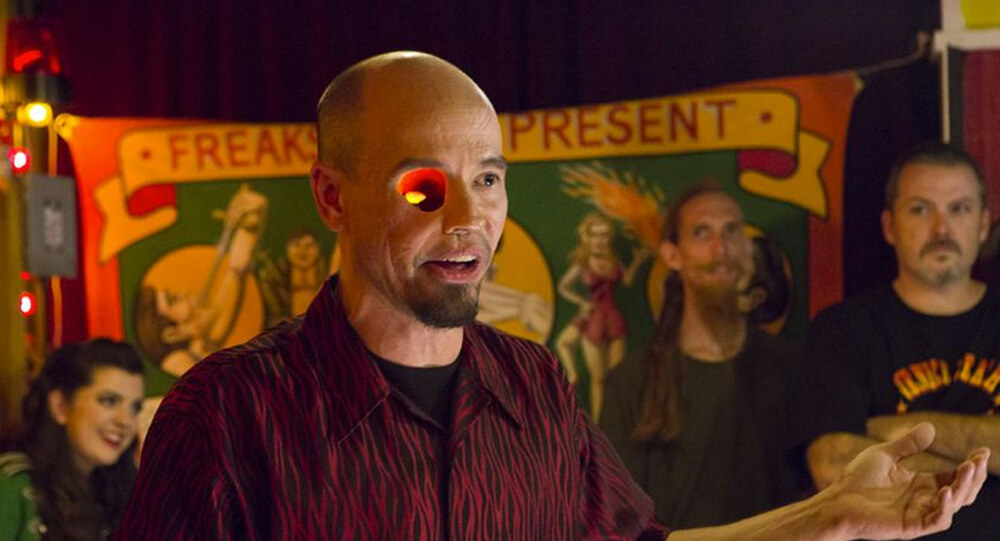
Inspirational Journey of Billy Owen From Cancer Patient to Zombie Actor
A man called Billy Owen lost an eye and half of his face to cancer and used it to start a career as a zombie actor.
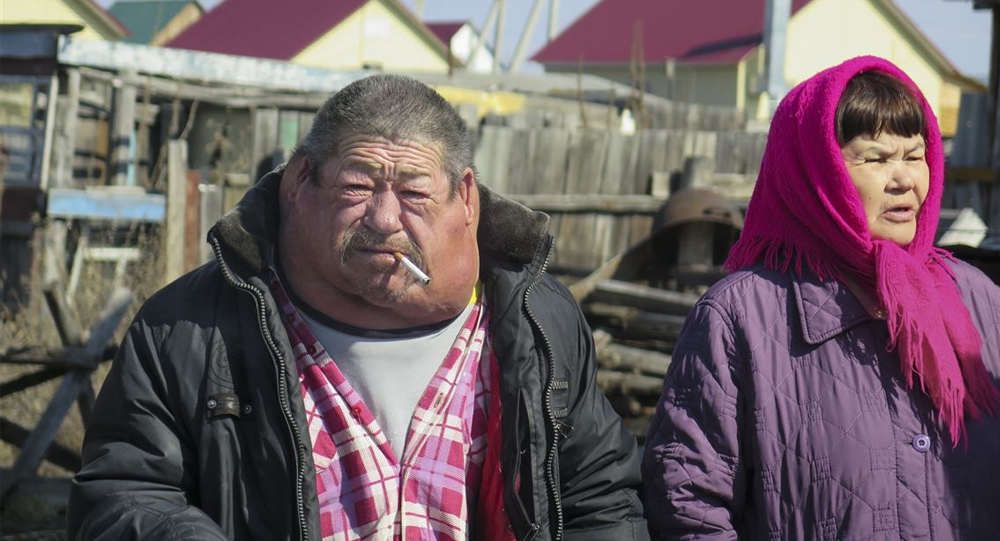
Vakil Batirshin’s Story: How Radiation Exposure Caused Severe Lymph Node Swelling
This is Vakil Batirshin, a man whose severe swelling from enlarged lymph nodes was reportedly caused by radioactive exposure. His condition highlights the devastating and long-term health effects radiation can inflict on the human body—often surfacing years after initial contact. Cases like his underscore the importance of nuclear safety and medical support.

This Thai Wedding Tradition Happens 40 Feet Underwater
Each year in Trang, Thailand, dozens of couples participate in an underwater wedding ceremony while scuba diving in full gear. The ritual symbolizes deep love and has become a quirky tourist attraction held around Valentine’s Day.

The Mystery of Canada's Magical Spotted Lake
Lake Khiluk, the world's most mineralized lake, and one of the most mysterious places on Earth. Each of these spots has a distinct chemical content and is said to cure various diseases.

Max Headroom Incident: America’s Creepiest TV Hack
In 1987 a man hijacked a television station during an episode of Dr. Who and wore a Max Headroom mask and uttered nonsense, and he still hasn’t been caught
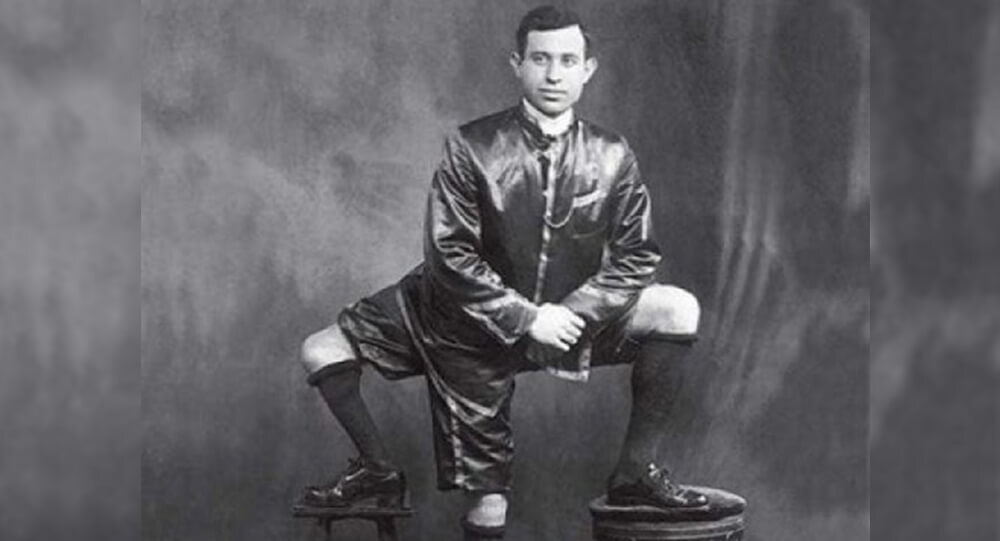
Frank Lentini, The Three-Legged Sideshow Performer
Francesco Lentini was a man with three legs, four feet, sixteen toes, and two sets of functional male genitals. He worked for the circus and lived to be 78 years old.

The Astonishing Case of Sanju Bhagat: Living with a Twin Inside Him for 36 Years
Sanju Bhagat, an Indian farmer, lived with an undiagnosed parasitic twin inside his abdomen for 36 years. In 1999, doctors discovered the twin during surgery. This rare condition, fetus in fetu, occurs when a malformed twin is absorbed during pregnancy, surviving within the host sibling's body.
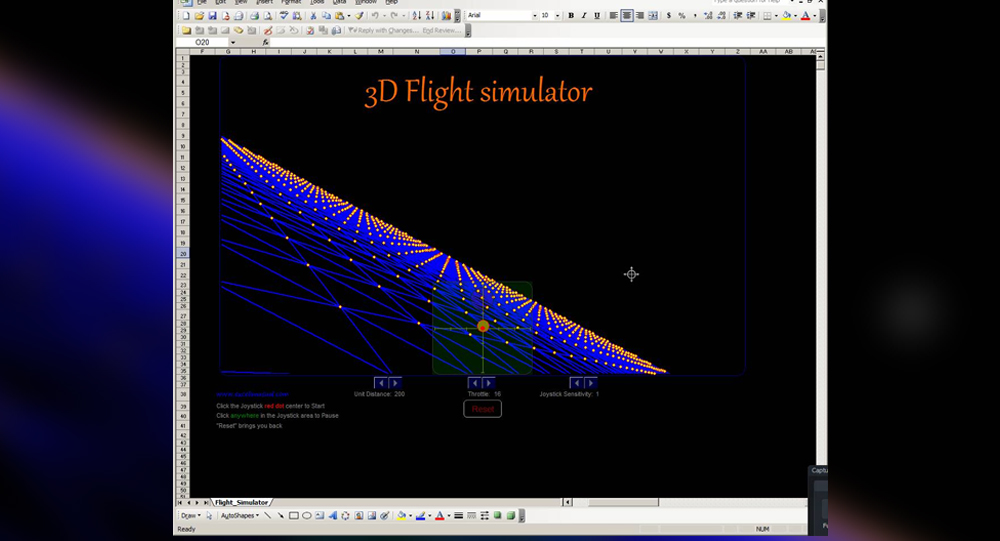
The Story of the Hidden Flight Simulator Game in Microsoft Excel 97
Before smartphones ruled hidden gaming, Microsoft slipped an extraordinary secret into one of its flagship office programs: a fully functional flight simulator game inside Excel 97. This little-known Easter egg captivated users who discovered a way to pilot a plane through the grid-like interface. Explore how this unexpected feature was created, the tech magic behind it, and why it remains a legendary piece of software lore.

Atomic Tourism: In the 1950s, nuclear tests in Las Vegas served as a draw for tourists
Between 1950 and 1960, Las Vegas offered “Atomic Tourism” in which guests could watch atomic bombs being tested in the desert as a form of entertainment.
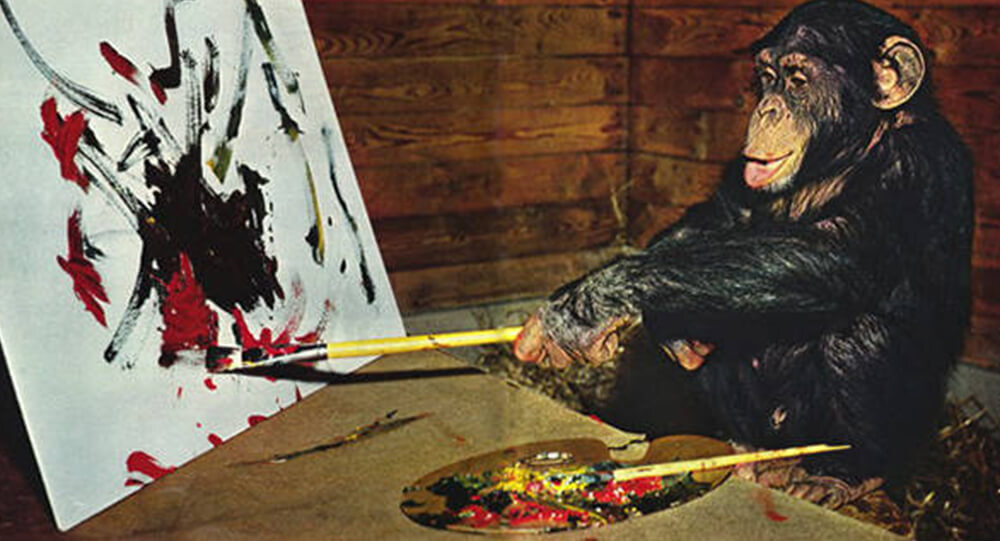
Pierre Brassau: The chimpanzee painter who deceived the avant-garde world
Abstract paintings by a previously unknown artist “Pierre Brassau” were exhibited at a gallery in Sweden, earning praise for his “powerful brushstrokes” and the “delicacy of a ballet dancer”. None knew that Pierre Brassau was actually a 4 year old chimp from the local zoo.

Story of Peng Shuilin: Man with only half a body
We have a habit of whining in our daily lives. We never seem to be pleased with the things we have in life. "I want to be skinny," fat people say, "I want to be fat," slim people say. Poor people aspire to be wealthy, and wealthy people are never satisfied with their status. Everywhere we go, we're whining. Can you image how a man would want to live if he didn't have any legs or bums at all?

Mom Cries After Seeing Her Deceased Daughter in Virtual Reality
Jang Ji-Sung lost her 7-year-old daughter to haemochromatosis in 2017, a rare disorder in which the body absorbs too much iron. The two reunited through the use of virtual reality technology.

Chocolate Rain in Switzerland: How a Factory Malfunction Turned Olten Into a Sweet Spectacle
In 2020, chocolate 'rained' from the sky in a town in Switzerland. This incident was caused by a ventilation system malfunction at a chocolate factory in Olten. Strong winds then carried the snow-like cocoa powder and spread it around in the immediate vicinity of the factory, covering cars and other things in chocolate.
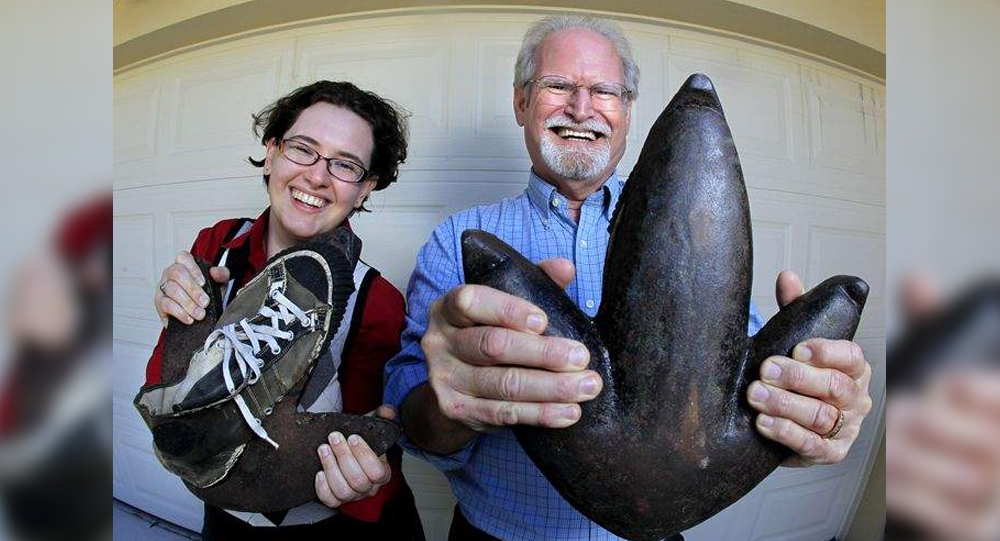
How a Man Fooled Florida with Fake Penguin Tracks for 10 Years
In 1948, Florida’s Clearwater Beach was the stage for one of the longest-running and most peculiar hoaxes in American folklore. Giant three-toed footprints appeared mysteriously in the sand, sparking rumor and fascination about a 15-foot-tall penguin roaming the shores. For a decade, locals and visitors alike speculated and scanned for the elusive creature, never realizing the truth: these tracks were made by a man wearing 30-pound lead shoes designed to imitate an enormous penguin's footprint. This article uncovers the details of this elaborate prank and its lasting legacy in Florida’s cryptic history.
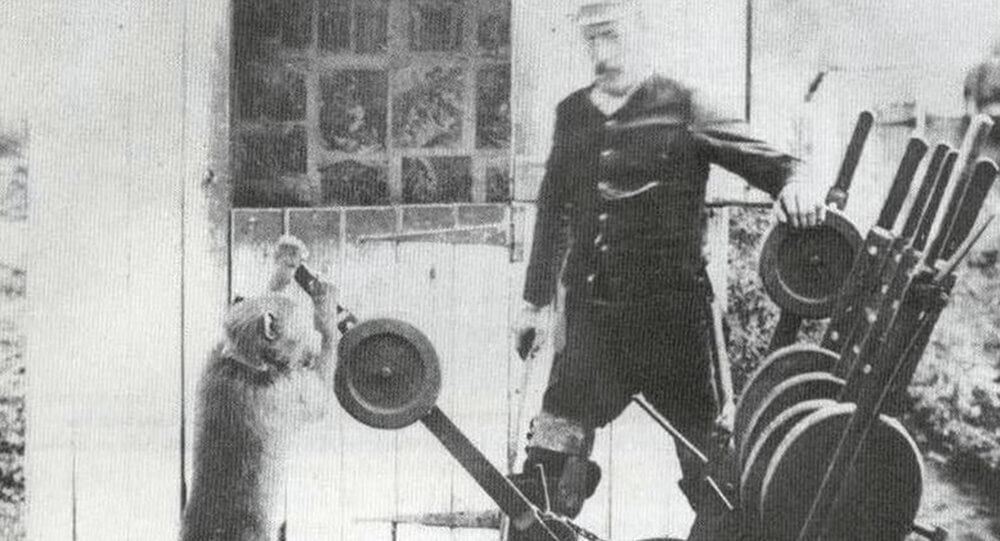
Jack the Baboon operated a railroad, earned a living, and never made a mistake
A baboon worked as a signalman for the railroad in the late 1800s. He never made a mistake and worked for the railroad until the day he died.
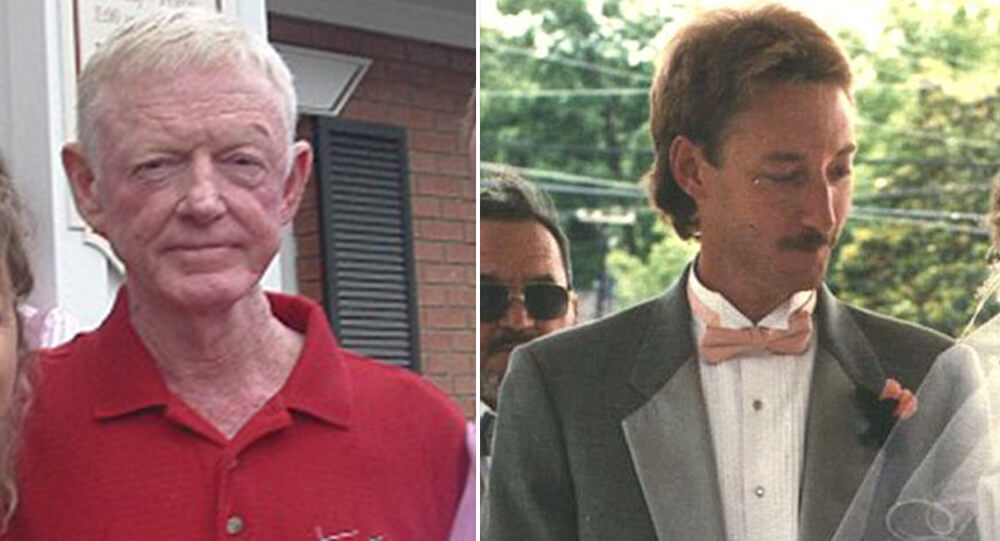
Recipient of suicide victim's heart kills himself 12 years later
In 1995, Sonny Graham received a transplanted heart from a suicide victim. He then committed suicide in the very same manner as the donor.

The Real-Life Sleeping Beauty: A Girl with Hypersomnia Syndrome
An Indonesian 17-year old teenager Siti Raisa Miranda or Echa, has a rare medical condition formally called Kleine-Levin syndrome (KLS) where she can sleep for days and weeks without being woken up. Echa was only 13 when she first slept for a week. She’s now 17, and her parents still need to feed her and change her clothes when she experiences the deep levels of grogginess.

Poto And Cabengo: The Secret Language Of Twins
Poto and Cabengo, as the two girls called each other, communicated in their own language. The twins were ignored by their parents and secluded from the outside world because their father felt they were developmentally retarded, and their unique language evolved as a result of that neglect.

Nevada’s Fly Geyser Is A Surreal Wonder That Looks Like Its On Another Planet
In 1964, an energy company accidentally created Nevada’s Fly Geyser after drilling into a geothermal pocket. Since then, the geyser has been releasing algae-filled scalding water five feet in the air, depositing minerals and forming a cone that sports vibrant hues of green and red.

Lucy and Maria The Biracial Twin Sisters with Rare Black and White Skin Colours
Lucy and Maria Aylmer are twins, but they have a hard time to convincing people. Even though they have mixed-raced parents, their mom was still shocked when the midwife handed her babies she’d expected to look alike, but were complete opposite.

What Caused The Mysterious Patomskiy Crater in Siberia?
Discovered in 1949, the Patomskiy Crater resembles a huge convex cone with a funnel-shaped recess and a rounded hill in the middle, which looks like an eagle’s nest with an egg nestled inside it. The crater’s origin is a mystery that has baffled scientists for decades.
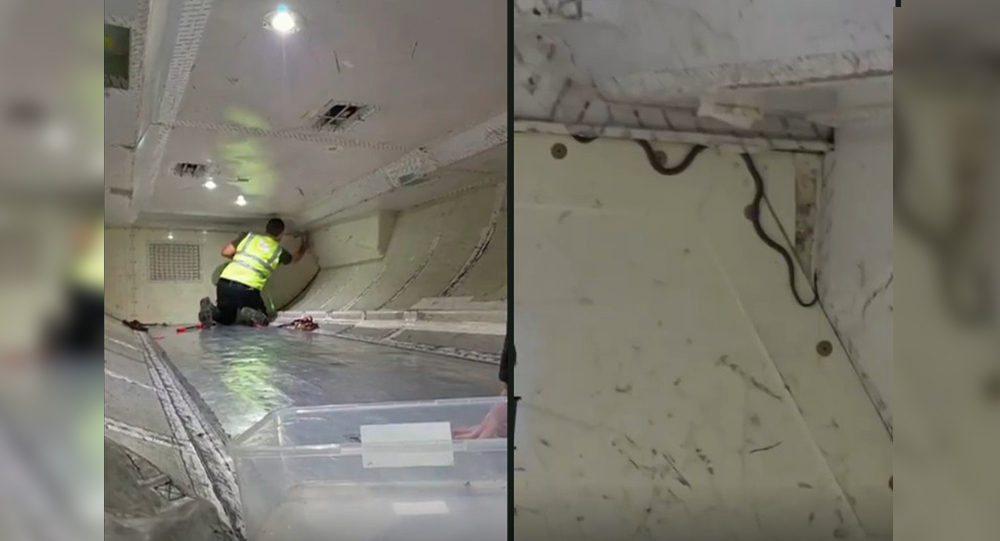
Domestic Flight Delay Caused by Live Snake on Board Leaves Passengers in Shock
A domestic flight was unexpectedly delayed for nearly two hours after a snake was discovered slithering inside the plane’s cargo hold. Thanks to the swift efforts of a professional snake catcher and airline staff, the reptile was safely removed without any harm to passengers, turning a potentially alarming situation into a story of caution and calm.
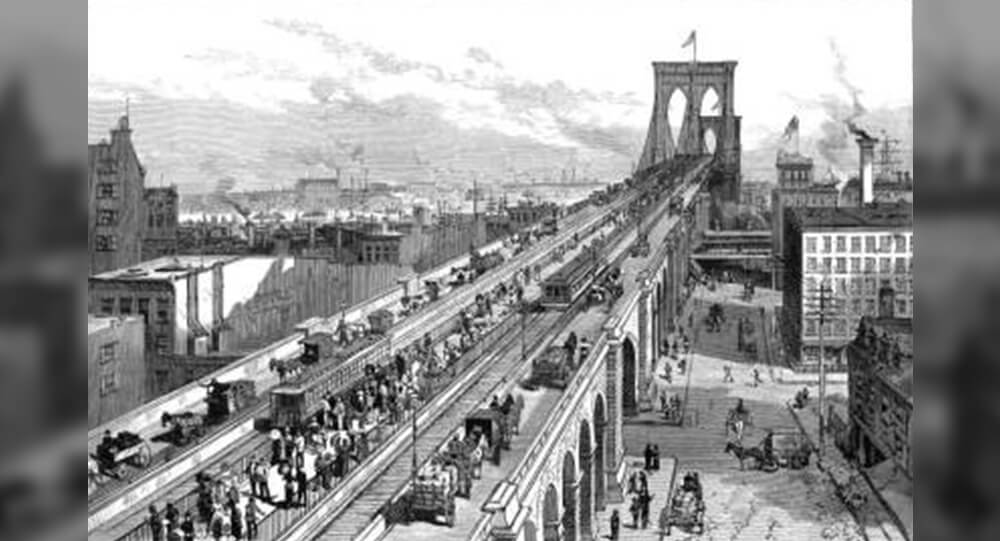
Why the Brooklyn Bridge Was Once Crossed by 17 Camels and 21 Elephants
On May 30, 1883, a rumor that the Brooklyn Bridge was going to collapse caused a stampede, which killed at least at twleve people. To prove the bridge was safe, P.T. Barnum led a parade of 21 elephants over it.
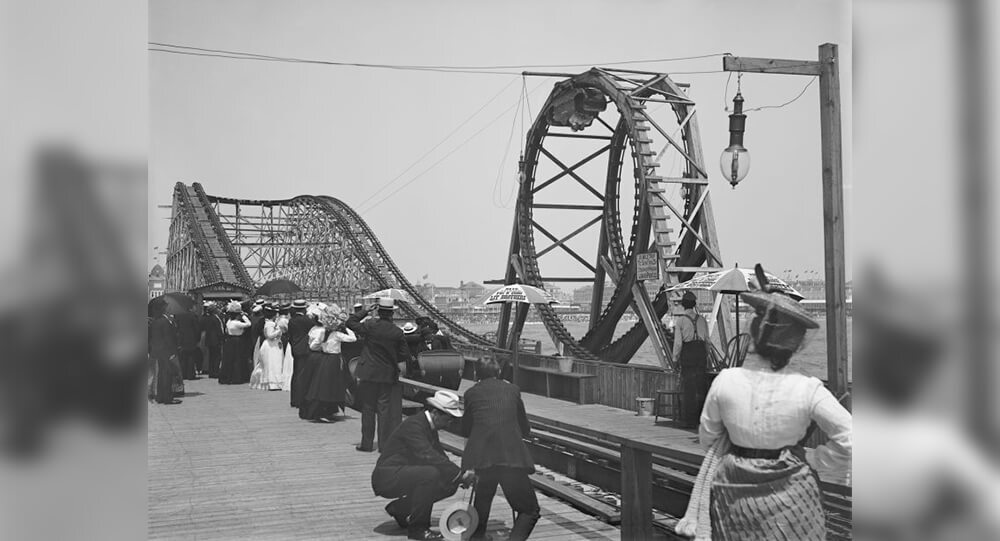
Roller Coasters were First Invented to Distract People from sin
Roller coasters were invented to distract Americans from sin. In the 1880s, hosiery businessman LaMarcus Thompson didn’t like that Americans were going to places like saloons and brothels and created the first roller coaster on Coney Island to persuade them to go there instead.

June and Jennifer Gibbons The silent twin who Only Spoke to Each Other
Identical twins June and Jennifer Gibbons were born on 11 April 1963 at a military hospital in Aden, Yemen where their father worked as part of the Royal Air Force.