
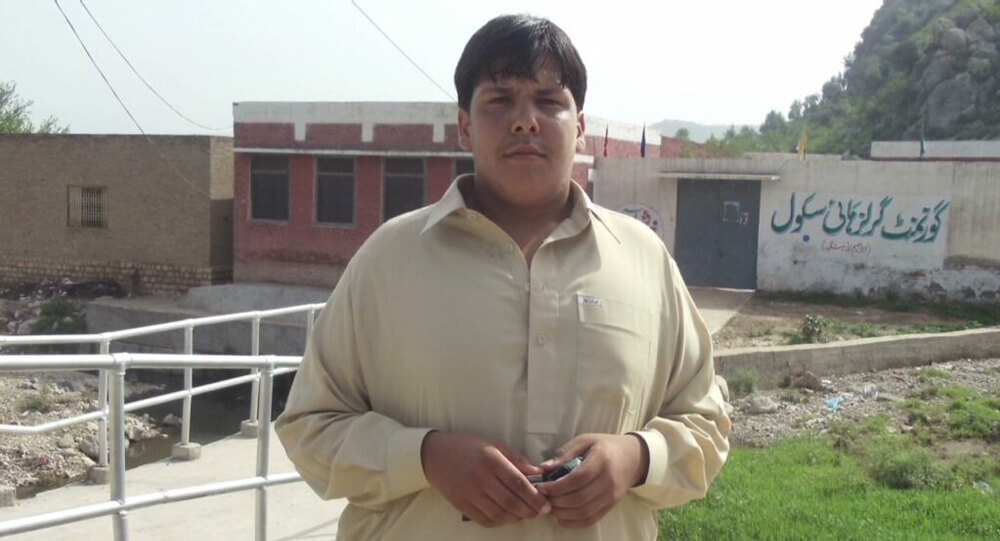

Aitzaz Hasan, Pakistani school boy who sacrificed his life from suicide bomber
The incident happened on January 6, 2014, after the 15-year-old ninth grader in the isolated village of Hangu, a district in Pakistan’s Khyber Pakhtunkhwa province, reportedly arrived late to school. As punishment, the student was reportedly instructed to stand outside the Government High School Ibrahimzai’s gate with two other classmates.
According to reports, the group saw a man approaching their school who appeared to be in his 20s. When one of the students noticed a detonator, two of the students fled right away, but Hasan stayed to stop the bomber.
Five years ago, Aitzaz Hasan Bangash gave his life as a 15 year old schoolboy, embracing a suicide bomber with his own body so his classmates could live. There is no truer hero of that dark period of Pakistan’s history. pic.twitter.com/UPIgkJ0xTK
— fatima bhutto (@fbhutto) January 6, 2020
“I’m going to stop him”
He then declared, ‘I’m going to stop him,’ to them. He intended to apprehend this suicide bomber. “He is going to school to kill my friends,” he declared. Days after the incident, Hasan’s cousin Mudassar Hassan Bangish told the BBC that the man wanted to stop him.
One of the teachers who allegedly saw the incident claimed to have seen Hasan pursuing the bomber. The man managed to detonate the bomb, killing himself and Hasan, despite the teenager’s attempt to tackle him and stop him.
“The suicide bomber intended to kill all the students and destroy the school. In an interview with BBC, Bangish said, “It was my cousin who stopped him from this… destruction. There were about 2,000 students inside the school at the time.
Days after the bombing, the Sunni Muslim sectarian group Lashkar-e-Jhangvi, which sought to kill Shia Muslims, claimed responsibility for the attack.
Honouring a hero
Hasan’s father, speaking to Pakistan’s Express Tribune with pride rather than in mourning, said, “My son made his mother cry, but saved hundreds of mothers from crying for their children.”
Although it took the Khyber Pakhtunkhwa government several days to acknowledge Hasan’s sacrifice, it eventually declared that a stadium would be built in his honor and that the name of the high school he attended would be changed to Shaheed Aitizaz Hasan Government High School.
Additionally, representatives from the provincial government paid a condolence visit to Hasan’s family.
Before taking office as Pakistan’s prime minister in 2018, Imran Khan served as the organization’s chairman. He expressed dissatisfaction with the way the government handled Hasan’s death and revealed in a tweet that he would be establishing a trust fund for the teen’s family.
On January 11, 2014, the government posthumously presented Hasan with the Sitara-e-Shujaat, Pakistan’s highest honor for valor.
In addition to the honors and recognition from the government, many activists and international organizations have praised Hasan for his bravery. Days after the incident, Malala Yousafzai, who had two years prior survived a Taliban attack in Pakistan, declared that she was “proud to belong to a country where many brave and courageous people like Aitzaz Hasan are born.” Hasan was also bestowed with the global bravery award by the International Human Rights Commission.
National and international response: The recognition and honors received by Aitzaz Hasan
The heroic deed of Aitzaz Hasan quickly went viral, grabbing the attention of not only the country but also the rest of the world. His bravery was shared with audiences everywhere when the story was covered by media outlets all over the world. People from all walks of life came together in their admiration and respect for Aitzaz’s selflessness, which dominated the public sentiment. Aitzaz’s story served as a reminder of the strength of bravery and compassion during a time when the news is frequently negative.
The sacrifice made by Aitzaz was not forgotten. He received numerous accolades and awards after his passing in recognition of his extraordinary bravery. Aitzaz’s legacy is still being honored, from the highest civilian awards in Pakistan to recognition on a global scale for his selfless deed. His name became synonymous with courage and his story serves as a reminder of the heroes among us who make the world a better place, even at the cost of their own lives.
Aitzaz’s legacy: Examining the lasting impact of his sacrifice on Pakistan’s fight against terrorism
Many people were moved by Aitzaz’s sacrifice and were motivated to fight terrorism and extremism as a result. His bravery served as a reminder to the country that all citizens, regardless of differences, have a duty to care for one another. Those who fight for a safer and more tranquil Pakistan and who refuse to let fear rule their lives carry on Aitzaz’s legacy.
The death of Aitzaz also directly influenced initiatives and policy changes in Pakistan’s war on terrorism. His account prompted the government to review security protocols and make investments in the defense of public buildings like schools. Aitzaz became a representation of tenacity and tenacity fueled efforts to make the environment safer for future generations. His sacrifice serves as a constant reminder that we must never falter in our pursuit of peace and justice.

A woman who had been lost since she was a newborn 51 years ago was said to have been spotted
A woman who had been lost since she was a newborn for 51 years was reported to have been sighted.

World's largest iceberg breaks off Antarctica
In 1986, the iceberg known as A23a broke away from the Antarctic coast. However, it quickly grounded in the Weddell Sea, effectively turning into an ice island.

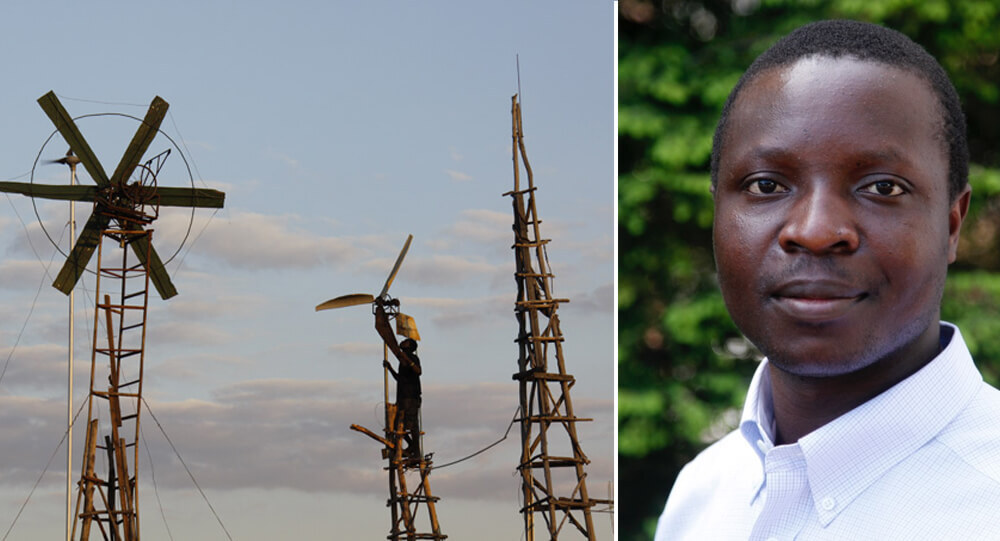
Self-taught William Kamkwamba built a windmill for his town
A Malawian teenager who taught himself how to build a windmill out of junk and bring power to his village. He then went on to build a second, larger windmill to power irrigation pumps. He did this all from books he read in the library.
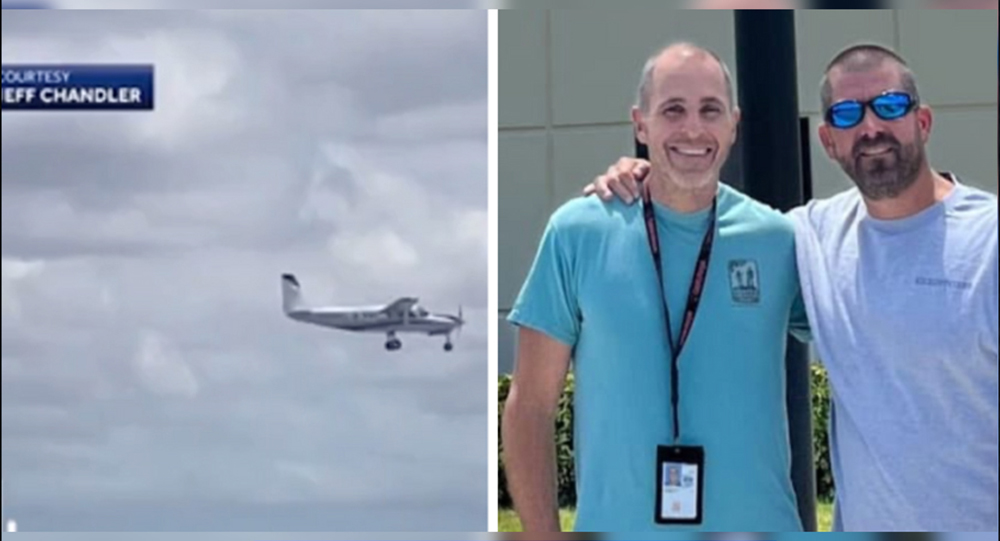
Passenger with No Flying Experience Lands Plane in Florida: A Real-Life Aviation Miracle
A passenger with no flying experience landed a twin-engine plane in Florida after the pilot died mid-flight. With guidance from air traffic control, he safely touched down—a real-life aviation miracle caught on radar and radio.
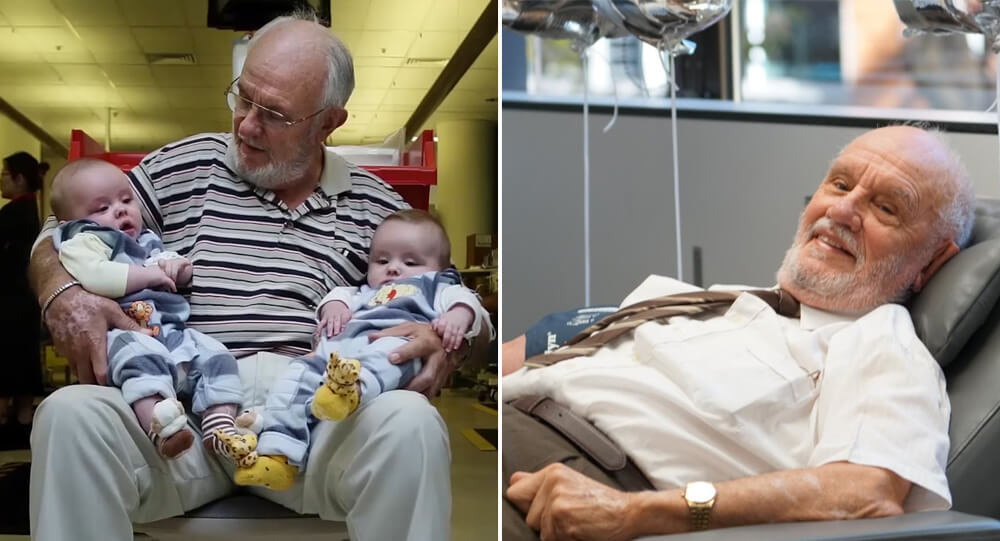
Man's Blood Helped Save Millions of Babies
Australian blood donor James Harrison has been one of our most impressive and valued donors, having donated for 60 years. Know his story, how he was a pioneer of our Anti-D program, and why this matters.
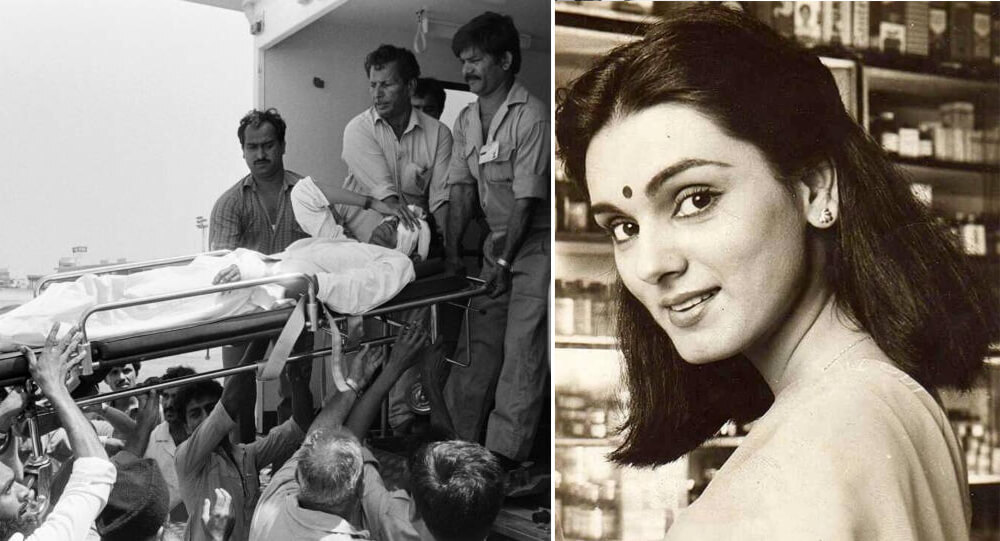
Neerja Bhanot, the braveheart flight attendant was never run away from a crisis
Neeja Bhanot, a 22 year old Indian flight attendant who helped hides 41 American passports aboard a hijacked plane. She died shielding three children from gunfire and was posthumously awarded bravery medals from India, Pakistan, and the United States.
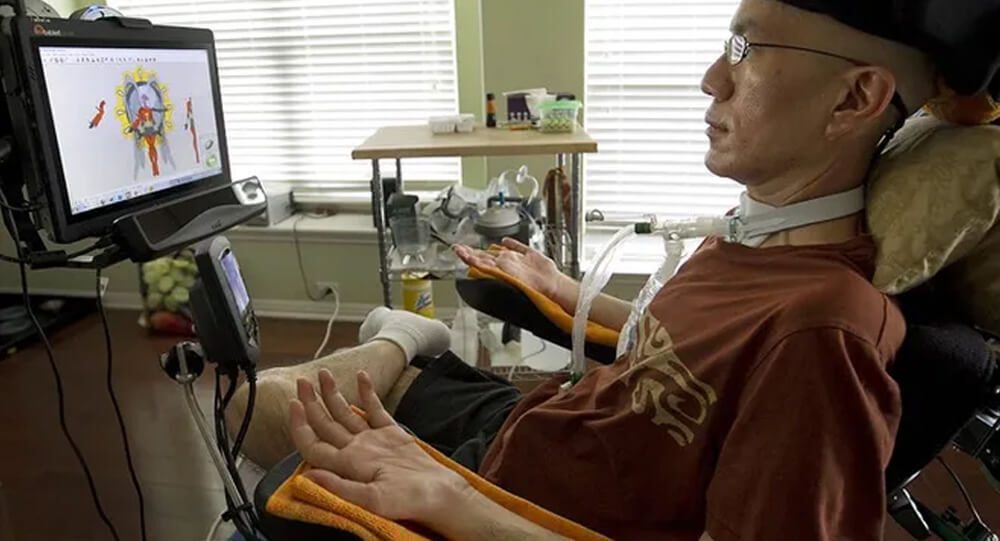
The Inspiring Journey of Francis Tsai, Marvel Comics artist diagnosed with ALS
Francis Tsai, an American illustrator and conceptual artist who worked for Marvel Comics, was diagnosed with ALS in 2010. After he lost the ability to move his hands and arms, he started painting digitally on his cellphone with his right big toe. After he could not move his feet anymore, he began using eye-gaze technology to keep drawing.

Before "The Rock," There Was "Rocky Maivia"
Dwayne “The Rock” Johnson’s first WWF persona was Rocky Maivia, a face (good guy). The audience rejected him due to his cheesy character, with chants of “Die, Rocky, die!”. After this, he became a heel (villain), referring to himself in the third person as “The Rock” and insulting the audience.
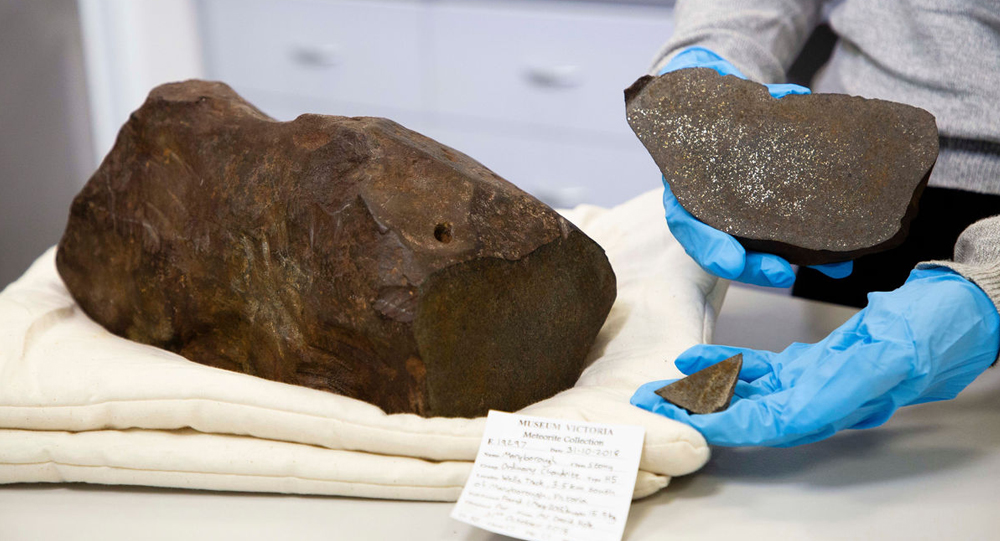
The Man Who Kept a “Gold” Rock for Years—Only to Discover It Was a 4.6-Billion-Year-Old Meteorite Worth a Fortune
A man cherished a heavy 17-kilogram rock for years, believing it to be solid gold. The surprising twist? Experts later revealed it was a rare, 4.6-billion-year-old iron meteorite—an ancient cosmic relic worth far more than gold. Dive into the fascinating story of this celestial treasure and what makes it so valuable.
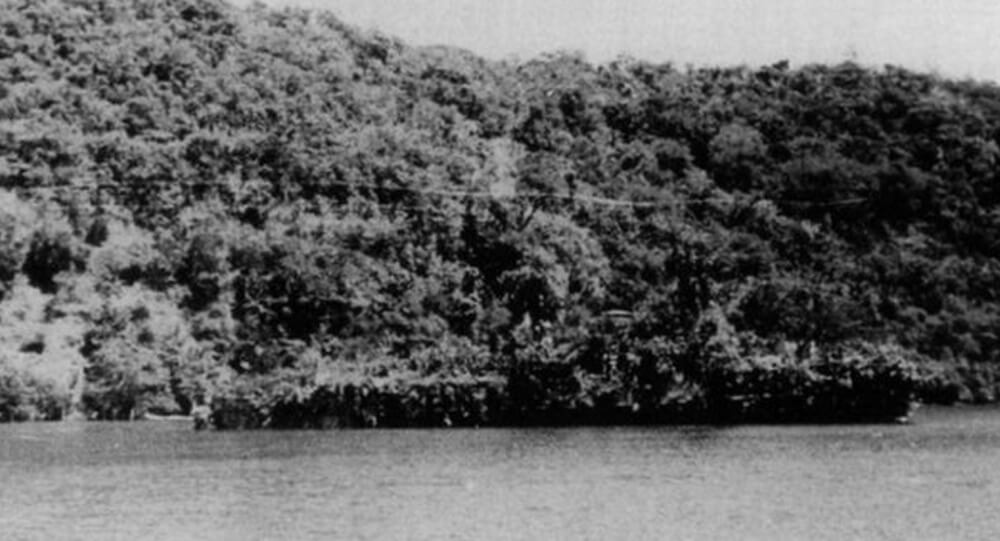
Abraham Crijnssen – The Ship That Disguised Itself As An Island
During World War II a Dutch minesweeper evaded the Japanese for eight days disguised as an island. The crew covered the decks in cut trees and painted exposed surfaces to look like rocks. They moved only at night and anchored closed to shore by day, eventually escaping to Australia.

The WWII Parachute Wedding Dress
Major Claude Hensinger jumped out of a B-29 bomber during World War II when the engine caught fire. He was saved by his parachute. Later, he requested that his fiancée Ruth make him a gown out of the same parachute. The dress is now on display at the Smithsonian Institute.

Woman survives skydiving accident, discovers she's pregnant
2005, a woman performing her first solo skydive jump survived a parachute malfunction which caused her to slam face first into a parking lot at 50 MPH. During surgery doctors discovered she was pregnant. She made a full recovery and the baby was fine.
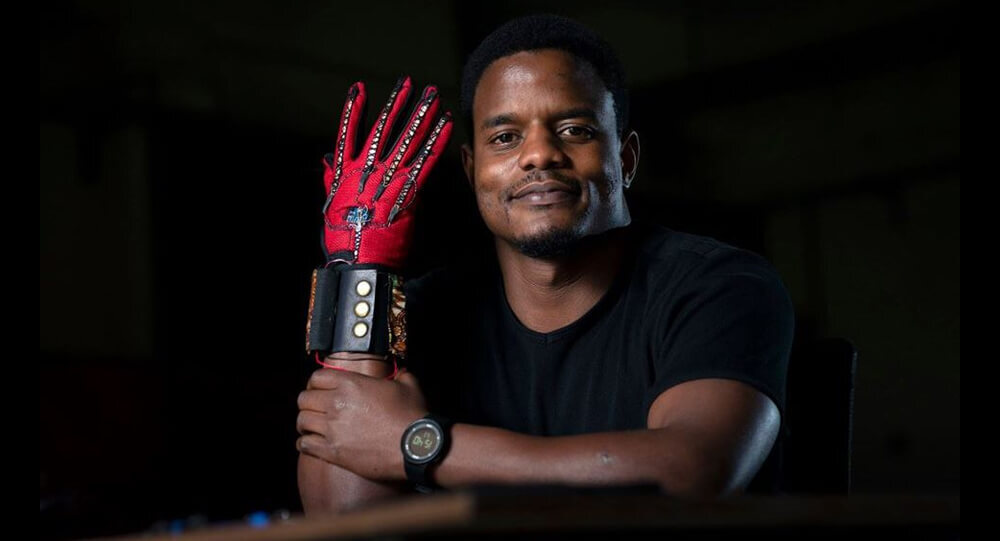
Kenyan Innovator Creates Smart Gloves That Translate Sign Language Into Audible Speech
In 2023, a Kenyan inventor Roy Allela invented smart gloves that can convert sign language movements into audio speech, for his six years old niece who was born deaf.

A man who has been suffering from headaches for nearly six months discovers chopsticks lodged in his brain
When it was discovered that a Vietnamese man with headaches and vision problems had chopsticks lodged in his brain, the doctors were almost as surprised as the man himself.
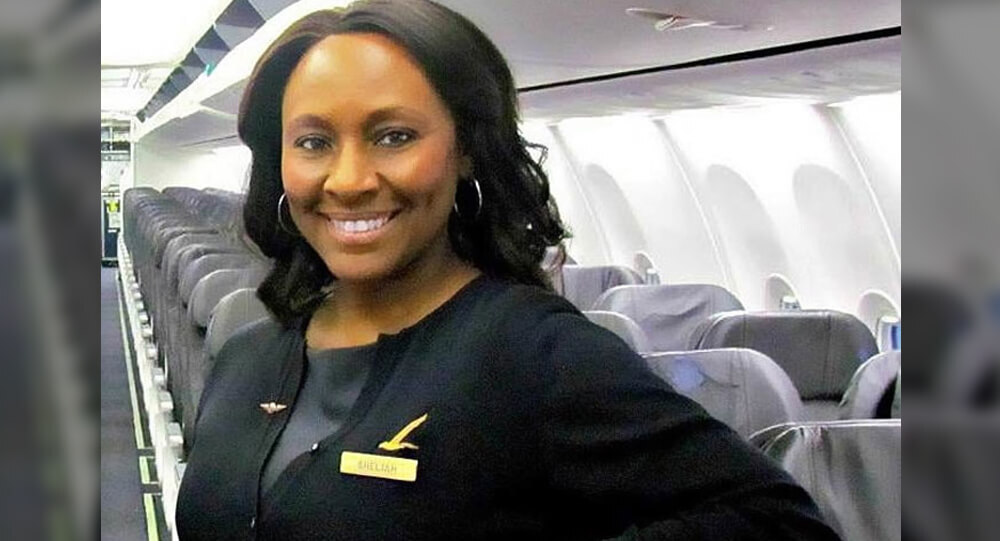
A flight attendant uses a secret note to save a teen girl from sex trafficking
The flight attendant Shelia Fredrick. She spotted a distressed girl with an older man. She left a note in the restroom on which the victim wrote that she needed some help. The girl was rescued from a human trafficker after the authorities were informed.
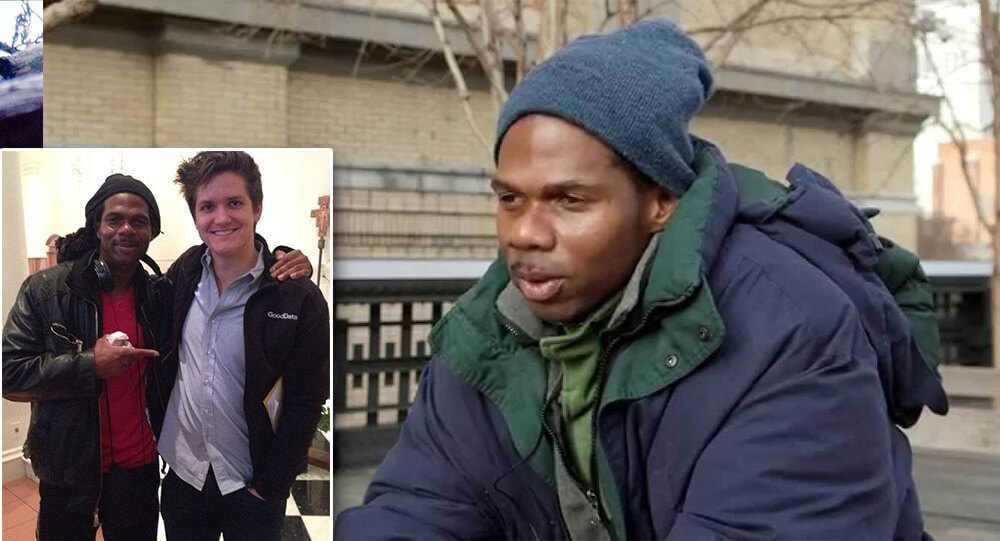
Leo Grand: from homeless to mobile app developer
In 2013, A young programmer offered a homeless man the choice between $100 cash or coding lessons. Leo Grand chose the lessons, and his first mobile app was “Trees for Cars," which helps drivers find carpooling partners.

People are freaked out because they keep finding 'help me' messages under the cap of Sobe bottles
With their bottle caps that said, "Help me, I'm trapped in SoBe factory," SoBe Beverage discovered the hard way that forced labor is serious business. This is an example of when humor can be overdone.

Woman had no idea she had an identical twin until she saw a 'lookalike' on YouTube
When Anais Bordier saw a YouTube video of Samantha Futerman, who looked exactly like her, she messaged her on Facebook and discovered they were both adopted and born on the same day. They were identical twins who had been separated at birth and had found each other by chance and on social media.

From Ocean Trash to Trendy Kicks: Adidas Sells 1 Million Eco-Friendly Shoes Made from Plastic Bottles
Adidas has sold over 1 million eco-friendly shoes made from ocean plastic. Each pair reuses the equivalent of 11 plastic bottles
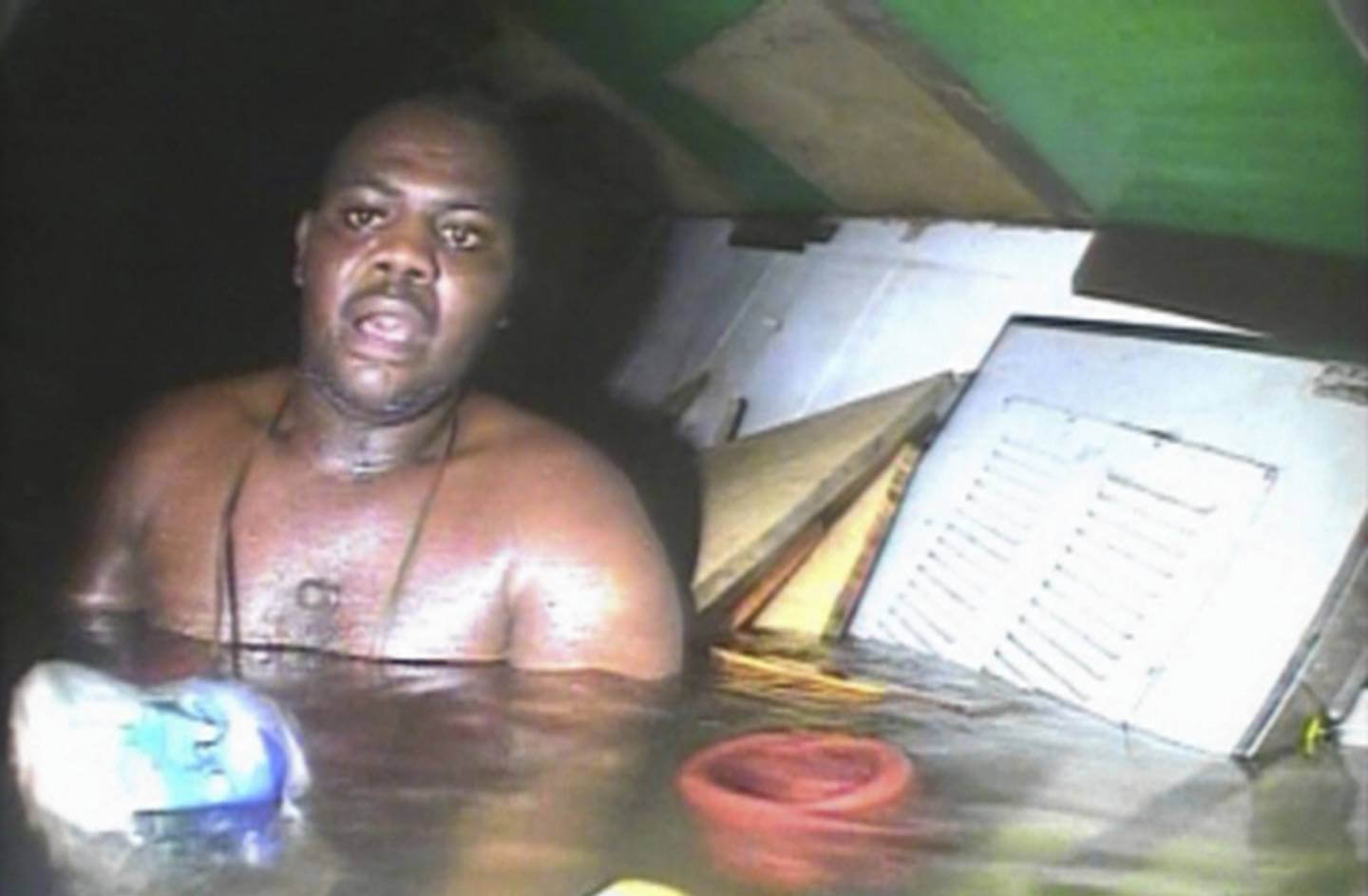
A story of a man Survived Inside Sunken Ship For Three Days
A man survived a sunken ship for nearly three days, 279 feet underwater and in complete darkness, while listening to fish eat the bodies of his shipmates.

New York installs first offshore wind turbine to power 70,000 homes
New York State has achieved a historic milestone in its clean energy transition by installing the first wind turbine at its first offshore wind farm, South Fork Win.
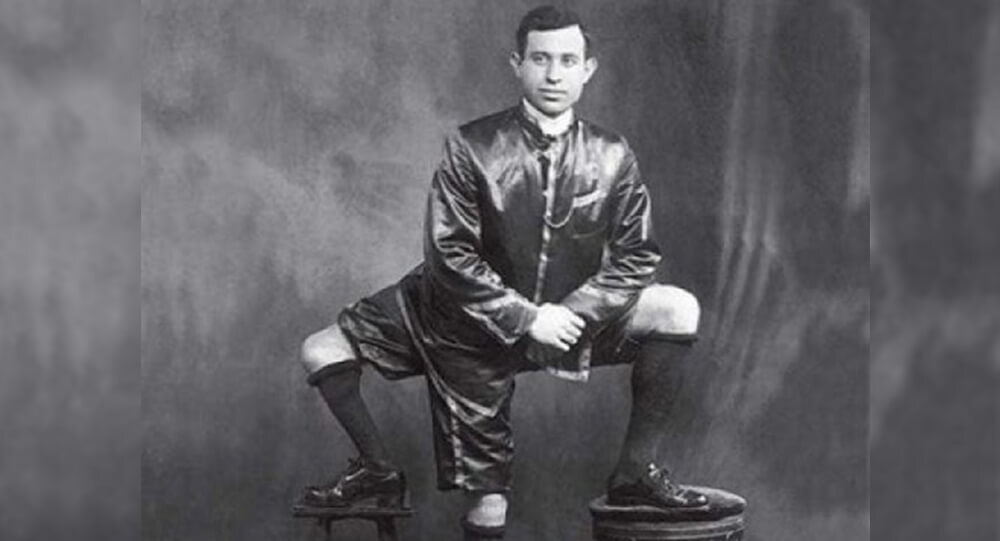
Frank Lentini, The Three-Legged Sideshow Performer
Francesco Lentini was a man with three legs, four feet, sixteen toes, and two sets of functional male genitals. He worked for the circus and lived to be 78 years old.

Smart guy brings life-sized cutout of his late mother to his graduation
Even though that his mother passed away in 2016, a young man had a clever idea to make a life-size cutout of her and bring it to the event so that she could attend his graduation ceremony.
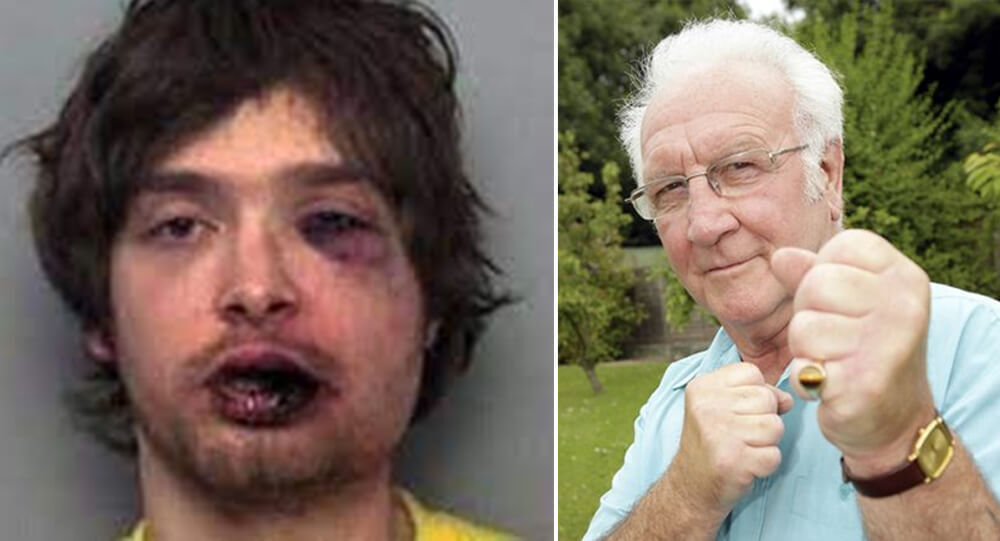
24-year-old burglar beaten by retired boxer victim
A 24-year-old knife-wielding burglar attempted to get into the home of a 72-year-old senior in Oxford, England, in 2009, but was left battered, bruised, and pinned to the ground. Frank Corti, the elderly, turned out to be a former boxing champion.
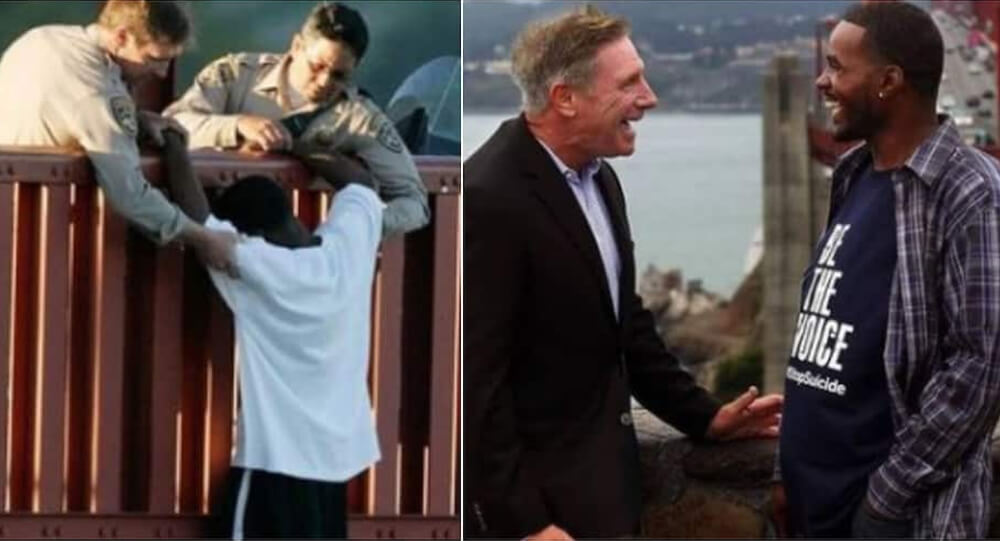
A man who was saved from committing suicide 16 years ago now assists people dealing with mental health issues
Kevin Berthia traveled to the Golden Gate Bridge in 2005 to commit suicide. He ended up spending 92 minutes on the edge of the bridge talking to officer Kevin Briggs about his life. In much better circumstances, they cross paths at the same bridge ten years later.