
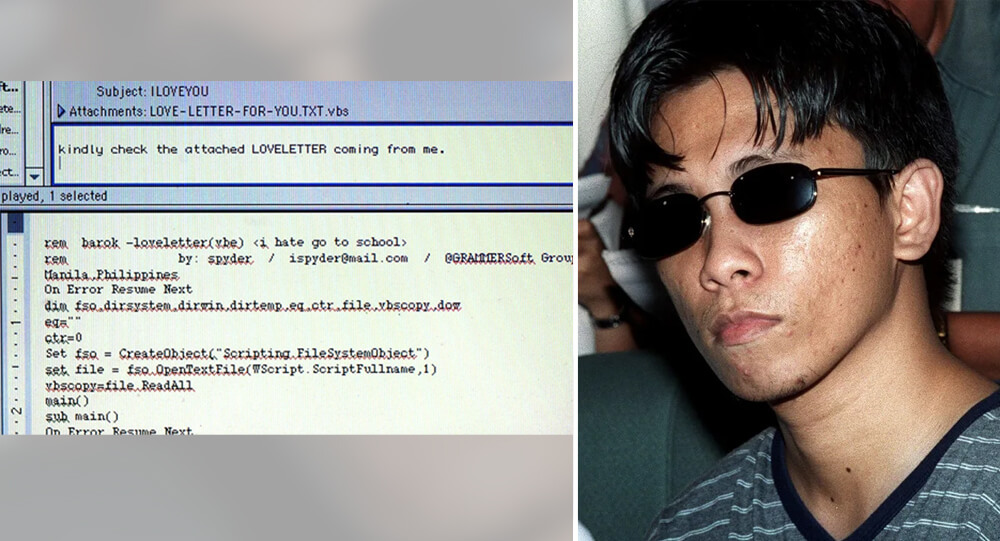
Many early Internet users were concerned about their safety due to the ILOVEYOU Virus, also known as Love Letter for You or Love Bug. Due to its capacity to replicate email address book entries, this virus, like the Melissa Virus, had a high infection rate. Despite the virus appearing to be ancient history, its notoriety endures to this day.
Cybersecurity experts understand the need to learn from previous threats as hacker groups create more complex and occasionally evasive viruses. We can learn valuable lessons from this instance of malicious code that was first disseminated through email attachments. Before choosing to download, computer users can learn more about this virus and its effects by reading the following paragraphs.

What is the ILOVEYOU Virus?
Onel de Guzman, a college student in Manilla, Philippines, in the year 2000, is credited with creating the worm-like virus known as the ILOVEYOU Virus. De Guzman developed the virus at the time using hacker techniques to steal passwords from Internet users. Onel de Guzman used his belief that people shouldn’t have to pay for Internet access as justification for developing the malware.
When opened, the virus would activate a Visual Basic script to damage files by deleting or overwriting them, frequently including images and Office files. This virus would start with an email using the subject line “ILOVEYOU” and an attachment titled “LOVE-LETTER-FOR-YOU.TXT.vbs.”

One of the Internet’s fastest-spreading viruses, it would send itself as an email attachment to each and every address in your Outlook address book. At first, prevention measures were not implemented because so many people acquired the infected attachment from acquaintances.
Once the virus got into corporate email accounts, it took a lot of time and money to try to get rid of it. The British Parliament, the CIA, and the Pentagon were among the government organizations that had to shut down their email systems in order to get rid of the virus.
Up to 50 million computers—or 10% of all computers connected to the Internet at the time—became infected. Over $8 billion was spent globally on virus-related damages, and up to $15 billion was needed for repairs. One of the worst computer-related catastrophes in recorded history was a result of this malicious code.

How Do You Tell If You Have the ILOVEYOU Virus?
In addition to having received an email and attachment that indicate you have the virus, there are other signs of the ILOVEYOU Virus to watch out for. Although this threat to online security is more of a form of malicious code than a full-fledged virus, it exhibits symptoms that leave behind traces.
Receiving emails with attachments that you did not intend to send to each of your contacts is one of the infection symptoms that is fairly obvious. One thing to keep in mind is that many hackers started using variations of the original subject header or file name to avoid being discovered. The effects and potential for damage do not change even though this information may change.
Additionally, the malware could delete audio files, images, and other types of image files. One of the worst aspects of the situation was that, in the absence of backups, the virus led to the loss of a significant amount of data. One of the biggest issues for businesses when the virus first appeared was the potential for other types of files to be deleted or modified.
The virus was also capable of altering specific settings in the computer’s Registry file, changing the Internet Explorer start page in unfavorable ways, and disseminating itself via Internet Relay Chat. Prevention is essential to reducing potential losses when a virus or worm is this troublesome.
What Can This Virus Do to Your System?
Effective antivirus software is even more crucial because this virus can be very disruptive even though it is unlikely to harm your system permanently. At its worst, this worm forced users to download fresh copies of files that had been corrupted or destroyed. These files were permanently lost in some instances.
Onel de Guzman assisted in laying the groundwork for hackers to produce malicious code that was spread through email attachments and was more difficult to eradicate, even though the creator may not have intended to cause such widespread disruption. A more widespread understanding of the necessity for Internet users to adhere to fundamental safety precautions was one of the more positive outcomes.

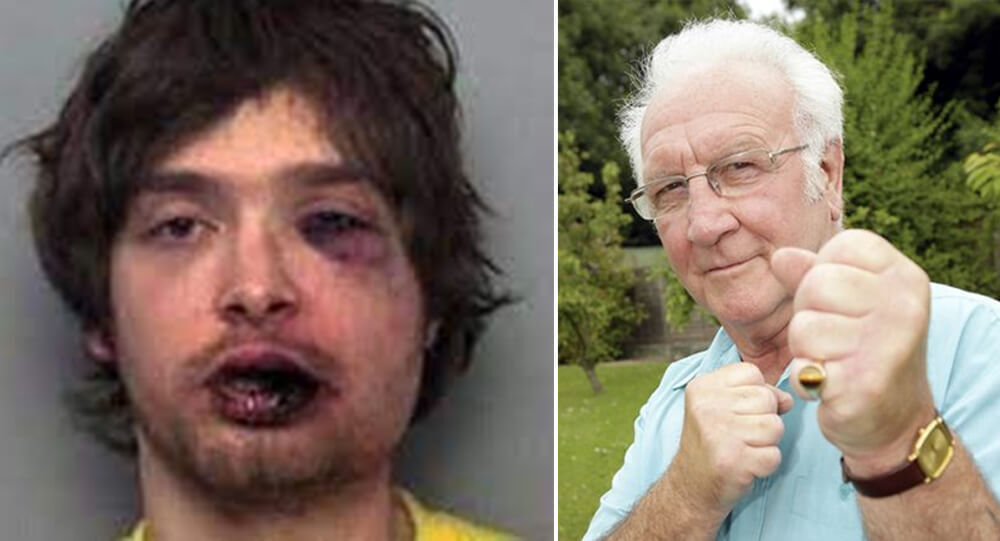
24-year-old burglar beaten by retired boxer victim
A 24-year-old knife-wielding burglar attempted to get into the home of a 72-year-old senior in Oxford, England, in 2009, but was left battered, bruised, and pinned to the ground. Frank Corti, the elderly, turned out to be a former boxing champion.

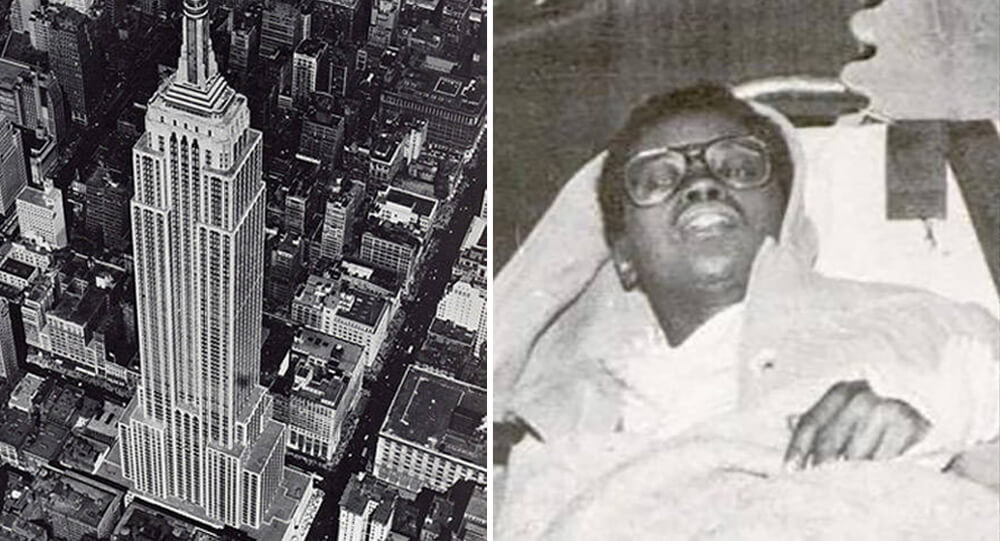
Elvita Adams jumps from the Empire State Building and amazingly survived
Elvita Adams once tried to commit suicide by jumping off the empire state building. She Jumped from the 86th floor but was blown back to 85th floor by a strong gust of wind.

Morgan’s Wonderland, the world’s first ultra-accessible amusement park
Gordon Hartman was heartbroken when his special needs daughter, Morgan, was rejected by a group of children playing by the hotel poolside. He then set out to build a place where all children can play together. This led to the development of the world’s first ultra-accessible amusement park, Morgan’s Wonderland

LEGO Braille Bricks: Revolutionizing Braille Learning Through Play and Inclusion
go Braille Bricks were launched in 2020 to help visually impaired children learn Braille through play. Each brick features the Braille alphabet and is fully compatible with standard Lego sets, allowing sighted peers to join in, fostering inclusivity and collaboration in learning environments.
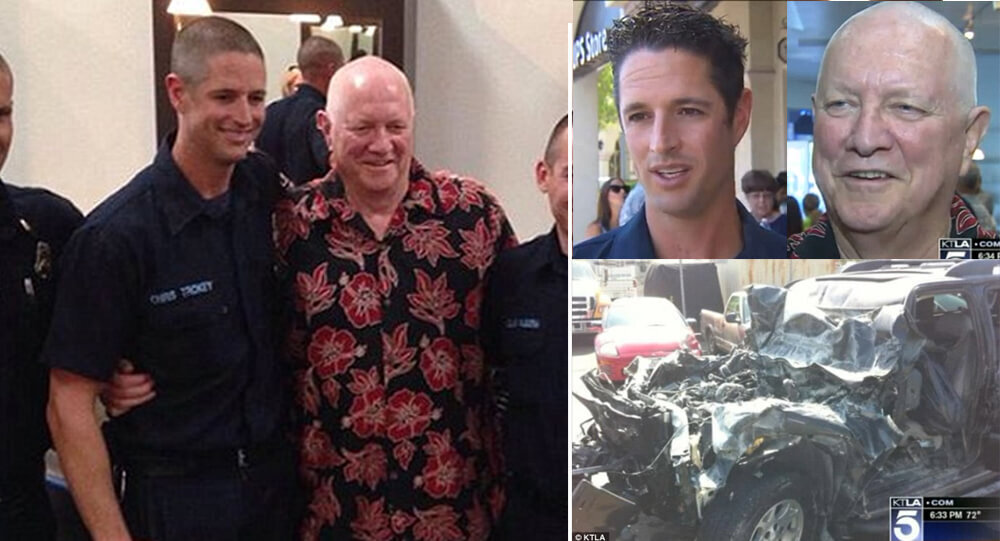
Paramedic Rescues Doctor Who Saved Him 30 Years Earlier
In 1981, a doctor helped save the life of a 3.2 pounds premature baby boy. Thirty years later, the boy, who had grown up to be a firefighter-paramedic, helped in saving the same doctor from a car accident.

Whang-od Oggay, The legendary tattoo artist from the Philippines
This is Whang-od Oggay, a 106-year-old tattoo artist from the Philippines. She is often described as the last and oldest Kalinga tattoo artist, and has been performing the traditional art of hand-tapped tattoos since the age of 15
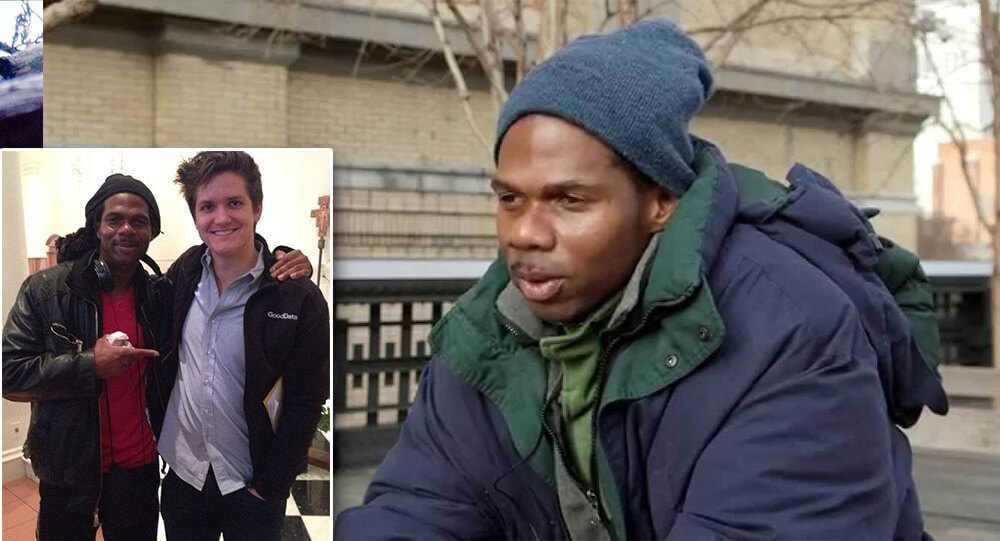
Leo Grand: from homeless to mobile app developer
In 2013, A young programmer offered a homeless man the choice between $100 cash or coding lessons. Leo Grand chose the lessons, and his first mobile app was “Trees for Cars," which helps drivers find carpooling partners.
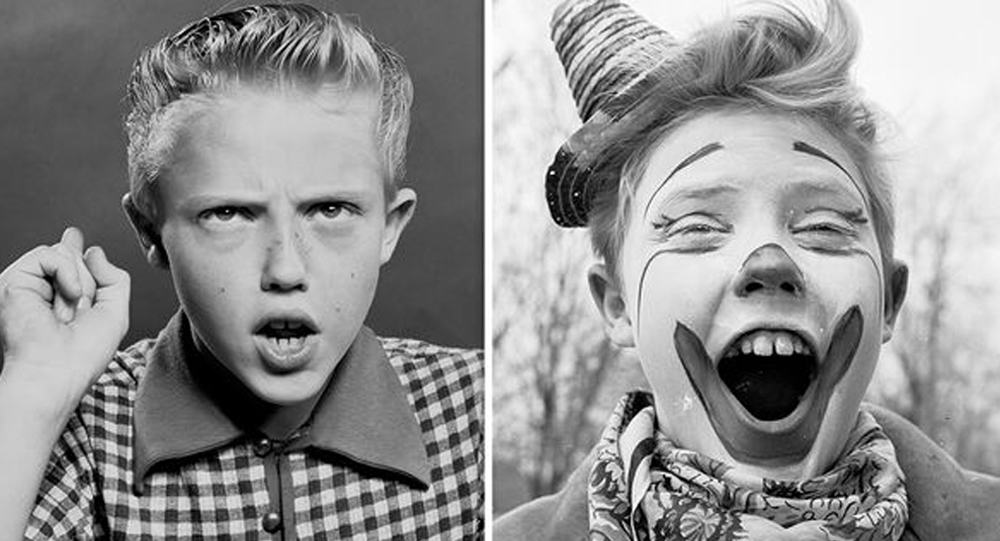
Before Hollywood, Christopher Walken Was a Teenage Lion Tamer with a Lioness Named Sheba
Before acting, Christopher Walken worked as a lion tamer in a circus at age 16. He performed with a lioness named Sheba and described the job as surprisingly calm—just another day before Hollywood stardom.

The rescuing hug - the touching story of twins Brielle and Kyrie Jackson
Brielle and Kyrie Jackson’s lifesaving hug was captured when Brielle was struggling to breathe and going blue. As a final option, the nurse deviated from protocol and placed them in the same incubator. Kyrie wrapped her arm around her sister, who immediately began to stabilize
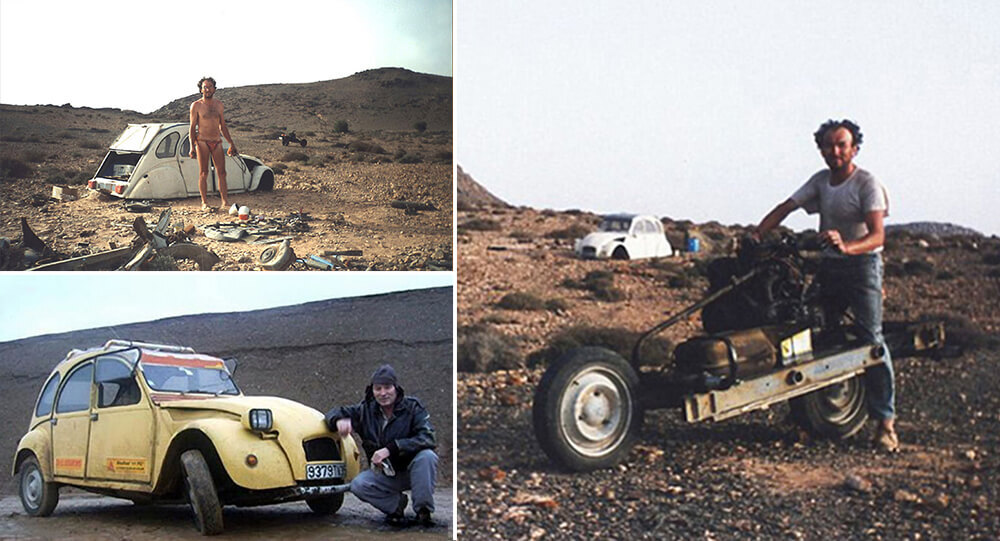
Man Trapped in the Sahara Desert Constructs a Bike From His Broken-Down Car to Save His Life
A man who became lost in the desert disassembled his broken-down car and turned it into a functional motorcycle, which he used to escape.
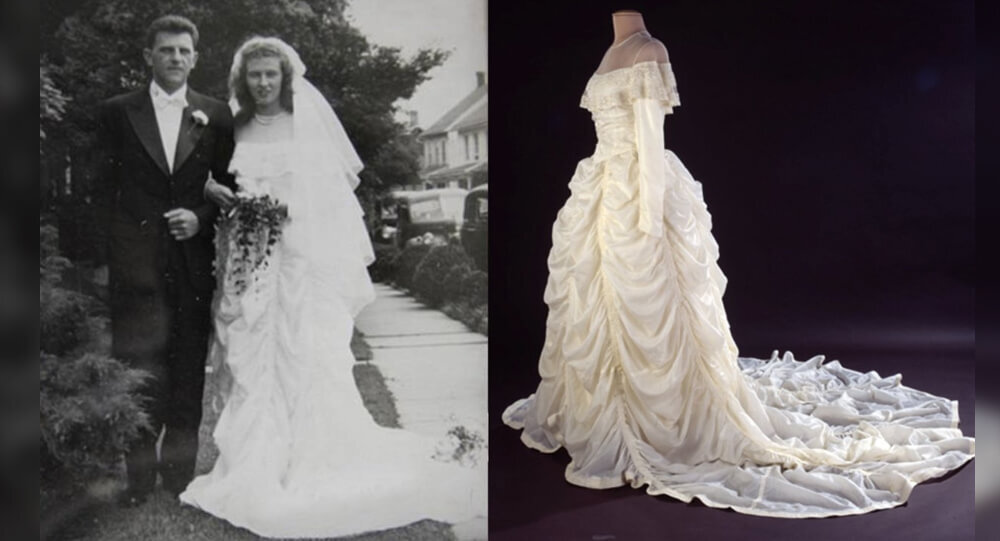
The WWII Parachute Wedding Dress
Major Claude Hensinger jumped out of a B-29 bomber during World War II when the engine caught fire. He was saved by his parachute. Later, he requested that his fiancée Ruth make him a gown out of the same parachute. The dress is now on display at the Smithsonian Institute.
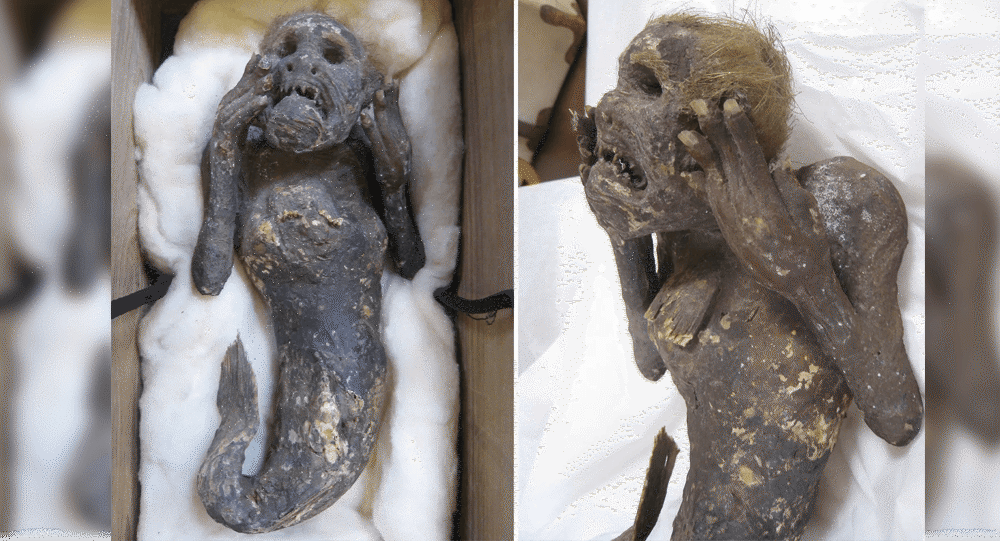
Mystery of 300-year-old mummified mermaid is being probed
There is a 300-year-old mummified mermaid with 30 centimetres tall and features a human-like head, two hands with what appear to be fingernails, and its lower body that look like a fish tail. The “mermaid mummy” is being probed by Japanese scientists in an attempt to unravel the mystery of its existence.
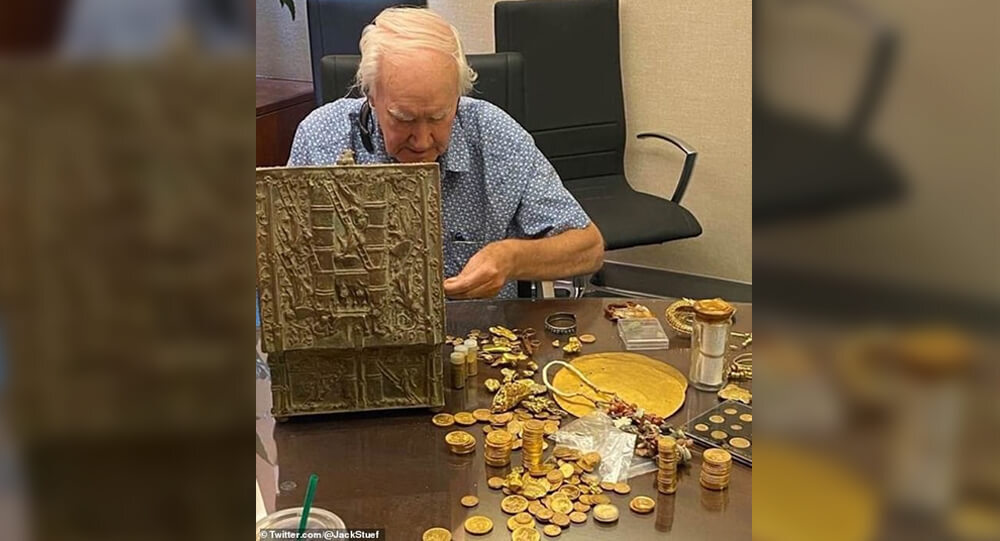
Story of Forrest Fenn and who he hid a bronze chest treasure full of gold and other jewels
Forrest Fenn, an art dealer, hid a bronze chest full of gold and other jewels somewhere in the Rocky Mountains ten years ago. In a poem, he hinted at its location. Thousands of people tried and failed to find the treasure, which is said to be worth over a million dollars, and at least four people died in the process. In June 2020, the Fenn treasure was discovered.

Croatian teenager wakes up from coma speaking fluent in German In 2010
In 2010, a Croatian teenager awoke from a coma to discover she could no longer speak Croatian but was fluent in German, a language she had just recently begun studying at school in the United Kingdom. reports in the press
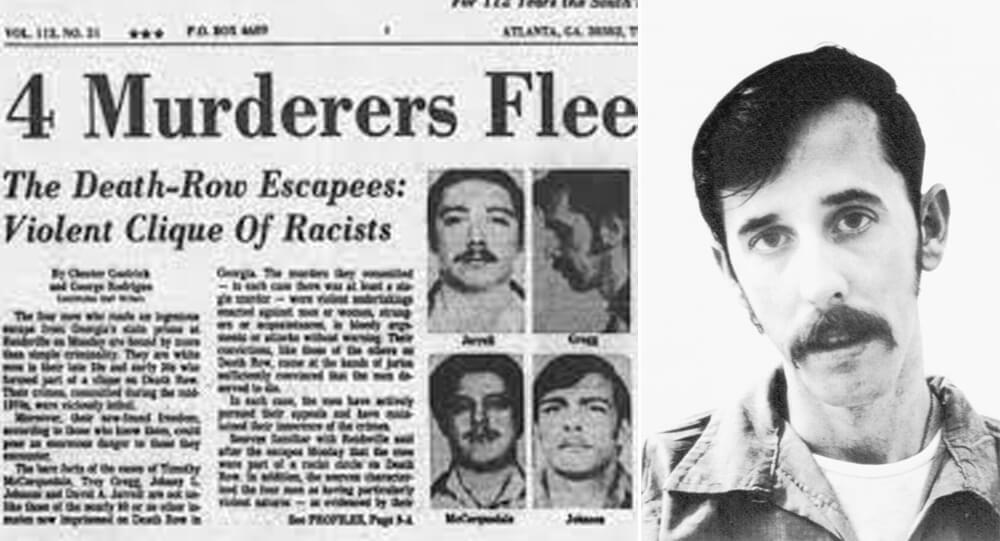
Troy Leon Gregg: the death row inmate murdered the same night he escaped
In July 1980, Troy Leon Gregg escaped from Georgia State Prison the night before his execution. However, he was killed in a fight in a bar just a few hours later.
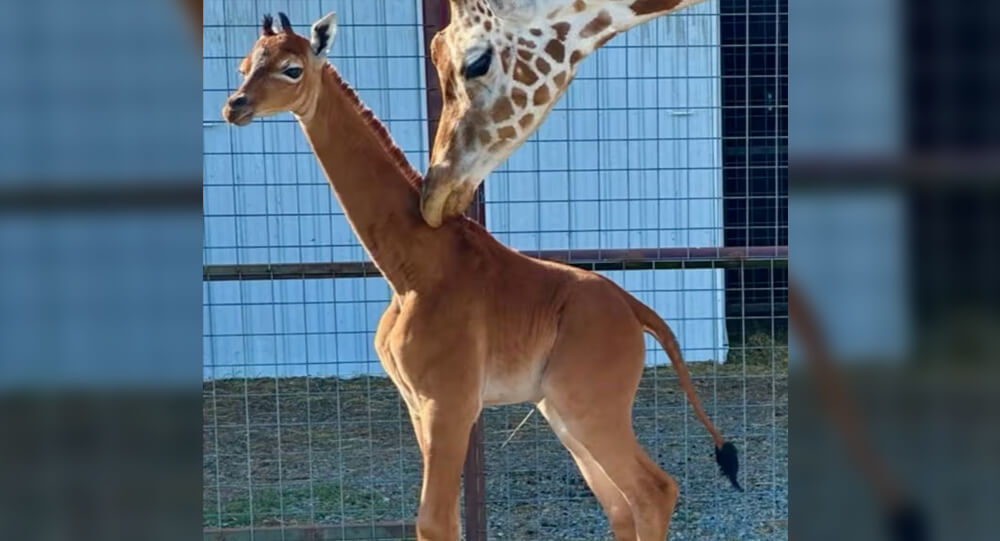
Kipekee, the world's only spotless giraffe, was born at Brights Zoo
The world's only spotless giraffe was born at a zoo in the United States. The giraffe born without spots on July 31 is the only one of her kind on Earth.
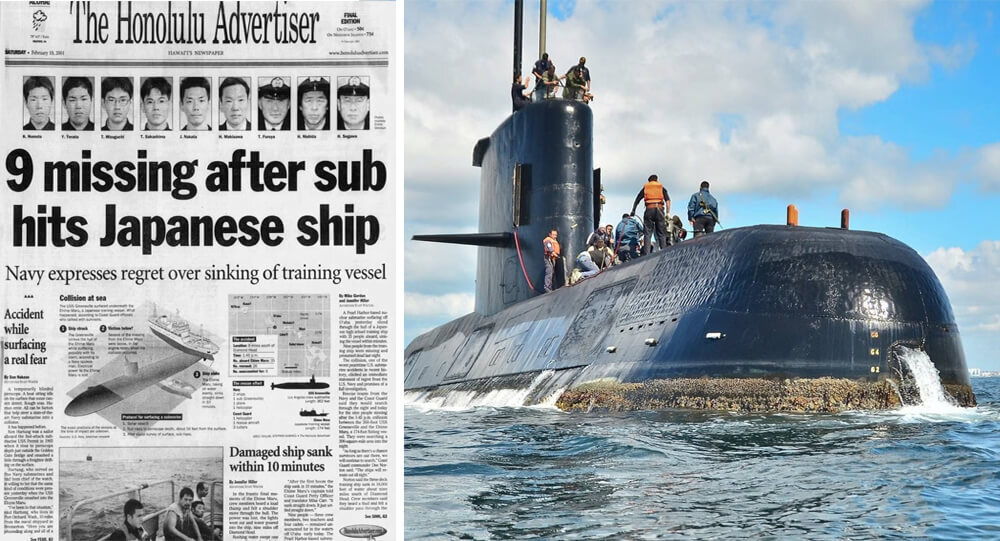
A U.S. Submarine Collides with a Japanese Fishing Ship in 2001
In 1998, 14-year-old Michael Crowe was charged with the murder of his sister. The police started targeting him after he seemed “distant and preoccupied” when his sister’s body was discovered, and during interrogation, police coercion led him to make a false confession. He was later declared factually innocent and the family won a lawsuit of $7.25 million in 2011.

The Inspiring Journey of Francis Tsai, Marvel Comics artist diagnosed with ALS
Francis Tsai, an American illustrator and conceptual artist who worked for Marvel Comics, was diagnosed with ALS in 2010. After he lost the ability to move his hands and arms, he started painting digitally on his cellphone with his right big toe. After he could not move his feet anymore, he began using eye-gaze technology to keep drawing.
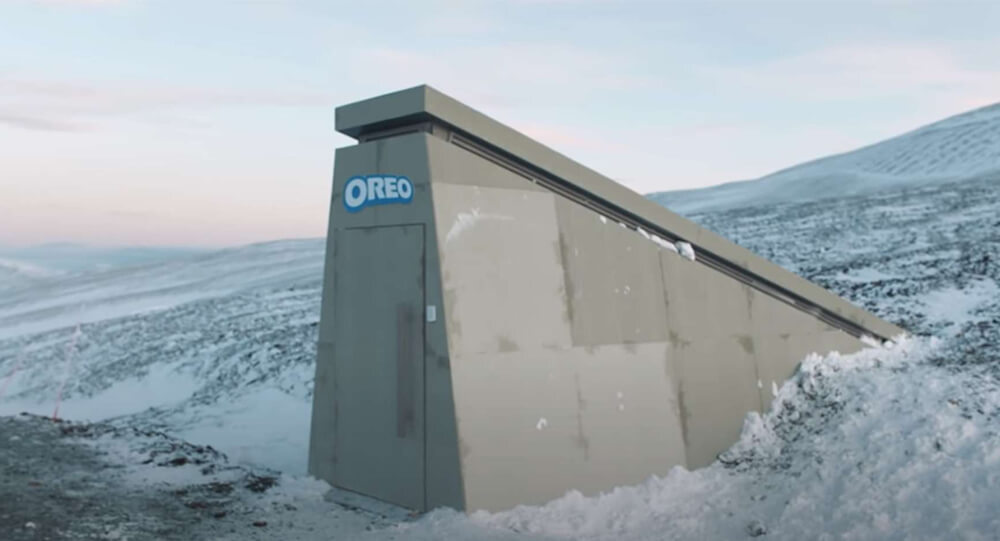
Oreo builds asteroid-proof bunker to protect its cookies and recipes
In October 2020, Oreo builds a concrete bunker in Svalbard, Norway, to protect their recipes in case of an asteroid impact. The vault also contains Oreos wrapped in Mylar and vials of milk powder.
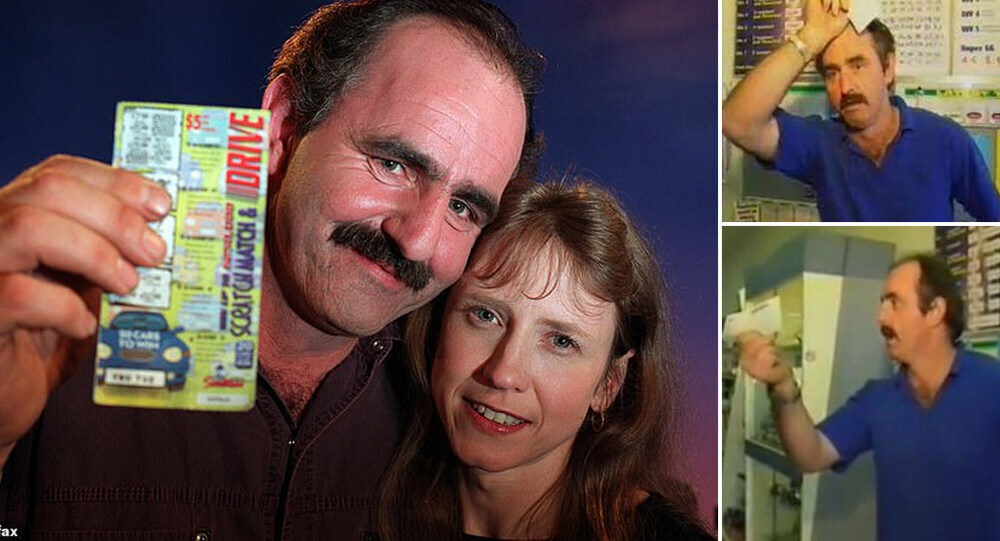
Australian man dies, comes back to life, and wins the lottery twice
Bill Morgan, an Australian, is a man who has beat the odds. He escaped death by surviving a horrific automobile accident and heart attack before collapsing into a coma and going on to win the lotto twice. He went from losing virtually everything to winning far more than he could have imagined.

Unique Dining table with a hole for your cat to peek and join you dinner.
Dinos, a Japanese internet shop, has launched a new range of cat furniture, which includes this oak table with a hole in the middle and a perch underneath. It places your cat companion in the center of the table, making your cat the main focus of your meal, as it should be, because cats are the true proprietors of “your” home.

People are freaked out because they keep finding 'help me' messages under the cap of Sobe bottles
With their bottle caps that said, "Help me, I'm trapped in SoBe factory," SoBe Beverage discovered the hard way that forced labor is serious business. This is an example of when humor can be overdone.

'Press Your Luck' Was Hacked in 1984 by an Ice Cream Man
in 1984 an contestant made it onto the game show Press Your Luck. He discovered using his stop-motion VCR that the presumed random patterns of the game board were not random and memorized the sequences. On the game he was on, he won 45 consecutive spins. winning $110,237 in cash & prizes.
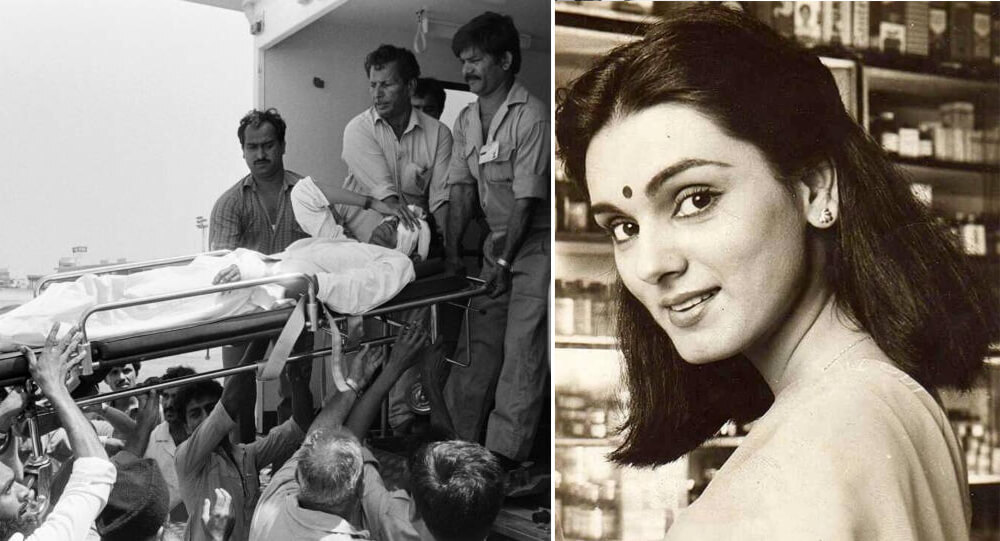
Neerja Bhanot, the braveheart flight attendant was never run away from a crisis
Neeja Bhanot, a 22 year old Indian flight attendant who helped hides 41 American passports aboard a hijacked plane. She died shielding three children from gunfire and was posthumously awarded bravery medals from India, Pakistan, and the United States.
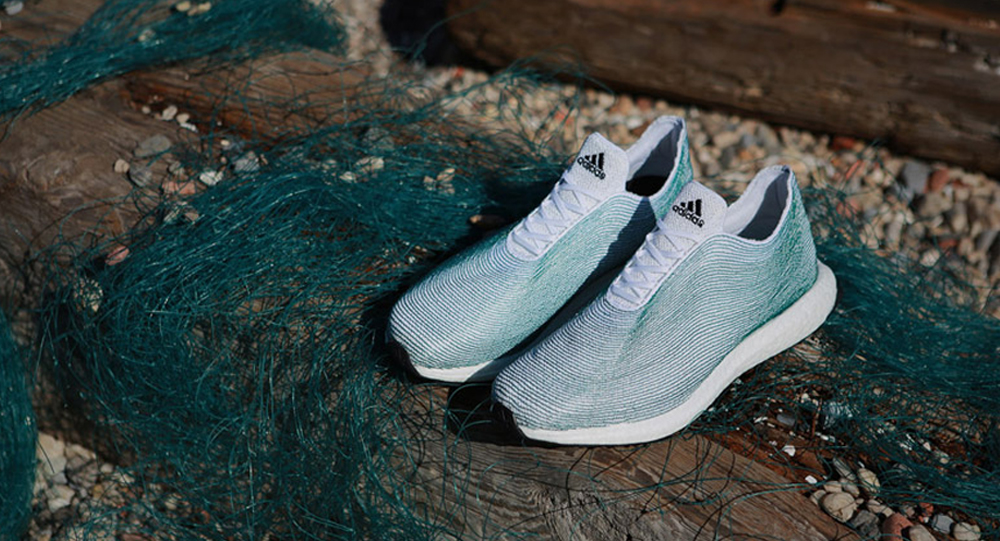
From Ocean Trash to Trendy Kicks: Adidas Sells 1 Million Eco-Friendly Shoes Made from Plastic Bottles
Adidas has sold over 1 million eco-friendly shoes made from ocean plastic. Each pair reuses the equivalent of 11 plastic bottles