

A Dutch train that had overrun the track was prevented from falling to the ground below by an enormous sculpture depicting two whale tails. “Saved by the Whale’s Tail,” is the appropriately named sculpture, and the incident happened at the De Akkers metro station in Spijkenisse, which is close to Rotterdam.
Designed by architect Maarten Struijs, the sculpture in silver is composed of reinforced polyester and was placed at the station in 2002. The train, which is a part of the Rotterdam Metro network, shot through the automatic buffers at the end of the track just after midnight, according to the train’s operator RET. It landed on one of the whale tails, saving it from plummeting 32 feet to the ground.

Two metro routes, C from Capelle aan den IJssel and D from Rotterdam, terminate at De Akkers. No passengers were on board when the accident occurred. After the train came to a stop, the driver was able to get off without getting hurt. The sensitive removal procedure is made more difficult by the fact that the problematic track is directly above water and that big cranes cannot operate in the area. According to a local safety board spokesman, “We are trying to decide how we can bring the train down in a careful and controlled manner,” which was broadcaster NOS.
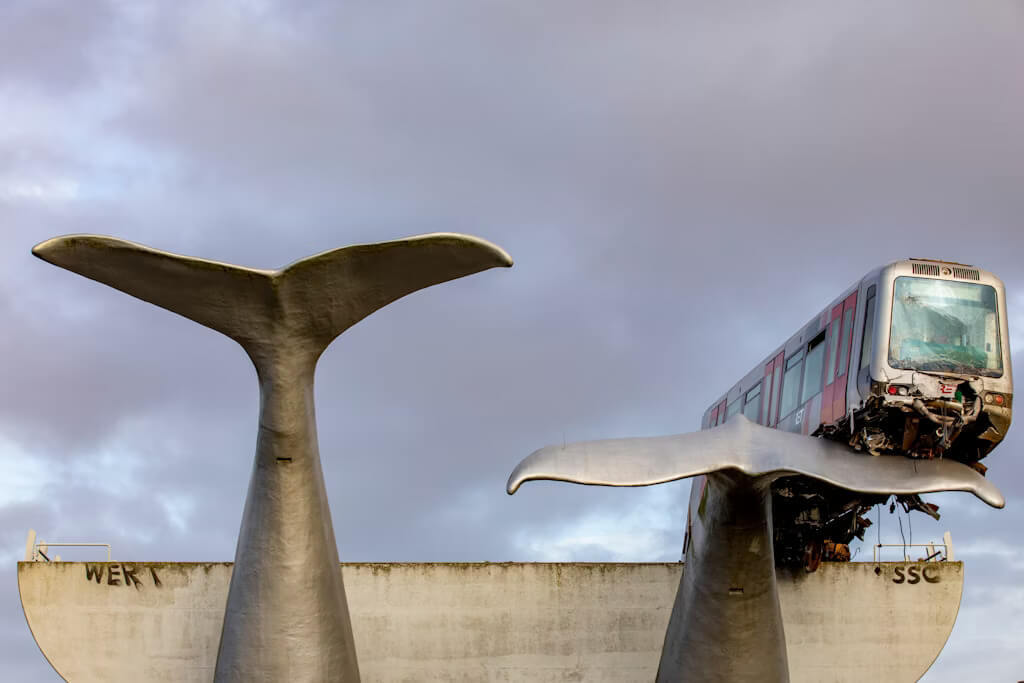
Locals are drawn to the odd scene as authorities figure out how to best remove the train from its unusual perch, but they are cautioned to keep their distance because of the COVID-19 pandemic.

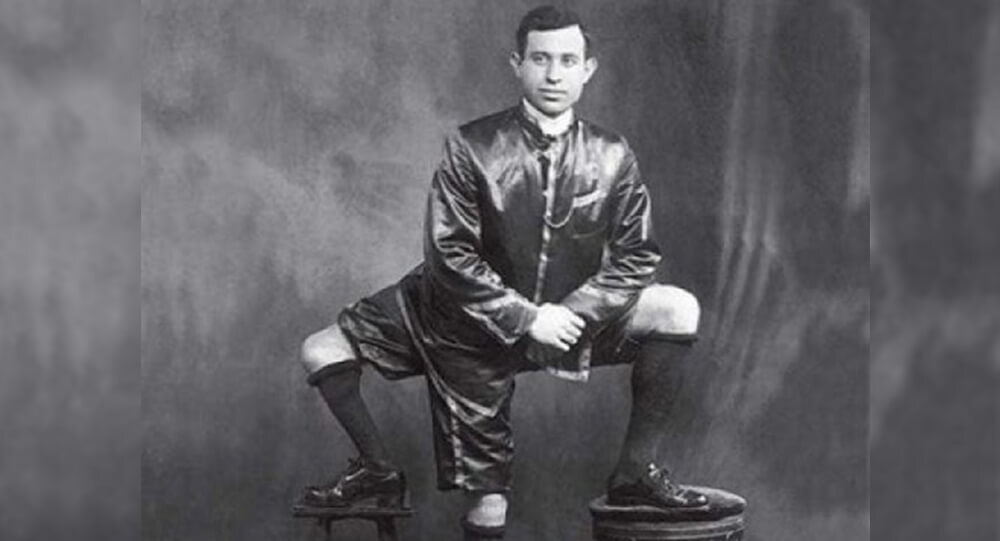
Frank Lentini, The Three-Legged Sideshow Performer
Francesco Lentini was a man with three legs, four feet, sixteen toes, and two sets of functional male genitals. He worked for the circus and lived to be 78 years old.

The rescuing hug - the touching story of twins Brielle and Kyrie Jackson
Brielle and Kyrie Jackson’s lifesaving hug was captured when Brielle was struggling to breathe and going blue. As a final option, the nurse deviated from protocol and placed them in the same incubator. Kyrie wrapped her arm around her sister, who immediately began to stabilize

The world’s longest flight spent more than two months in the air
Roberts Timm and Jim Cook, two pilots, flew an aircraft for more than two months without landing in 1958. Matching the speed of a truck moving down the road to refuel. A mattress for sleeping, a small steel sink for personal hygiene, the removal of most interior fittings to reduce weight, and a basic autopilot were among the improvements.
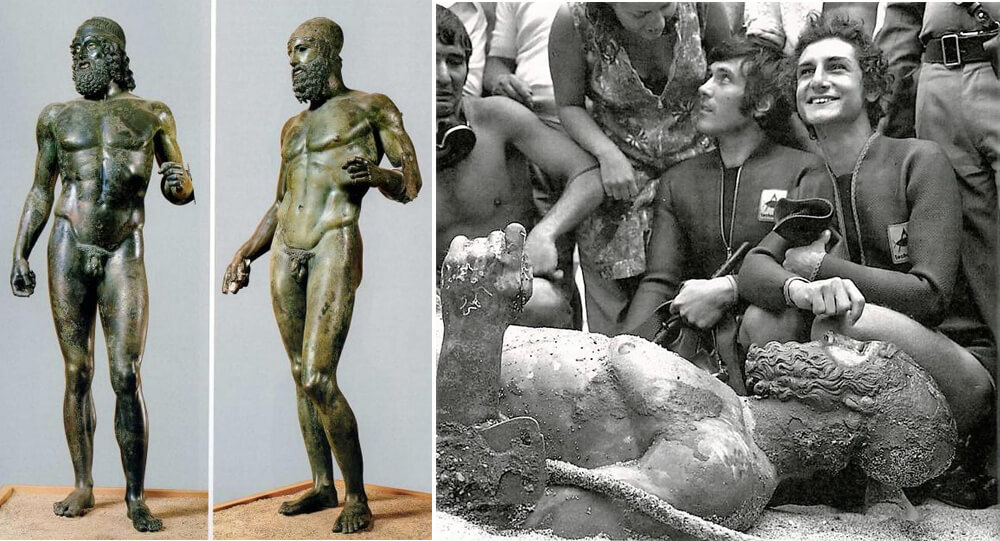
The accidentally discovery of Riace bronzes
Stefano Mariottini was snorkeling off the coast of Monasterace near Riace in 1972 when he noticed a human hand sticking out of the sand and called the police, thinking it was a corpse. It was actually two statues of "Warriors from Riace" - 5th century BC Greek bronze statues.
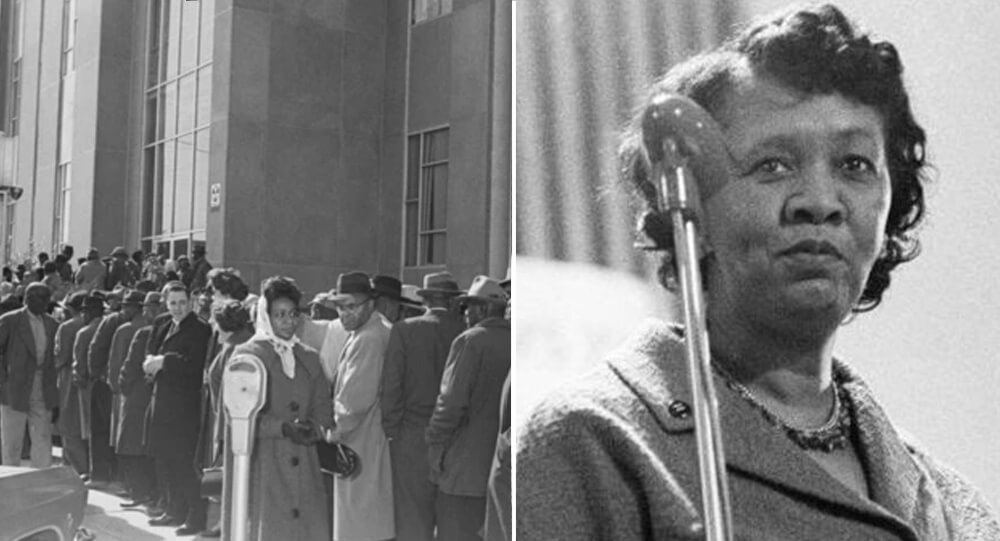
The fearless Annie Lee Cooper
Annie Lee Cooper was fired in 1963 after attempting to register to vote. She attempted it once more in 1965, but the sheriff ordered her to leave after prodding her in the neck with a club. She then punched him, causing him to fall to the ground. She was imprisoned before ultimately registering to vote. Following the passage of the Voting Rights Act, the sheriff was ousted and subsequently imprisoned for collaborating to transport drugs, but Annie Lee Cooper lived to reach 100 years old and bears her name to this day.
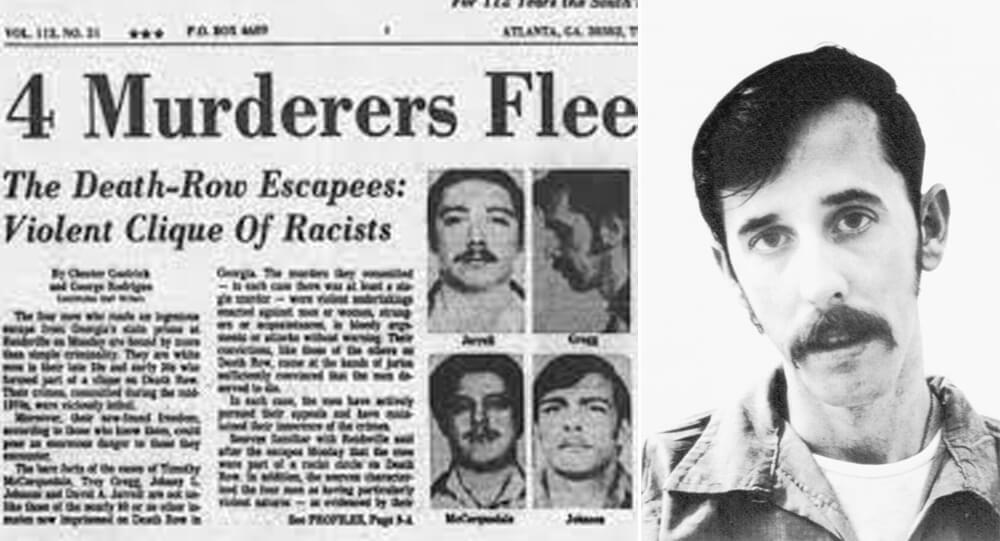
Troy Leon Gregg: the death row inmate murdered the same night he escaped
In July 1980, Troy Leon Gregg escaped from Georgia State Prison the night before his execution. However, he was killed in a fight in a bar just a few hours later.

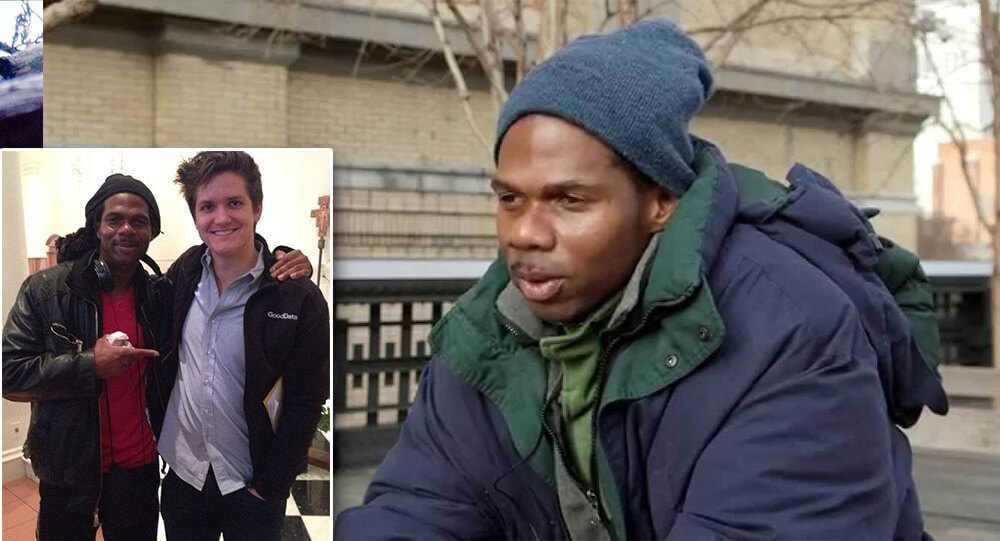
Leo Grand: from homeless to mobile app developer
In 2013, A young programmer offered a homeless man the choice between $100 cash or coding lessons. Leo Grand chose the lessons, and his first mobile app was “Trees for Cars," which helps drivers find carpooling partners.

Man uses first-class ticket to eat for free at airport's VIP lounge for almost a year
A Chinese man purchased a First Class Ticket, which included admission to a VIP Lounge with free food. Over the course of a year, he rescheduled over 300 times in order to receive over 300 free dinners. When questioned, it was discovered that he is rescheduling his reservation to another date after eating. He eventually cancelled the ticket and got a full refund.
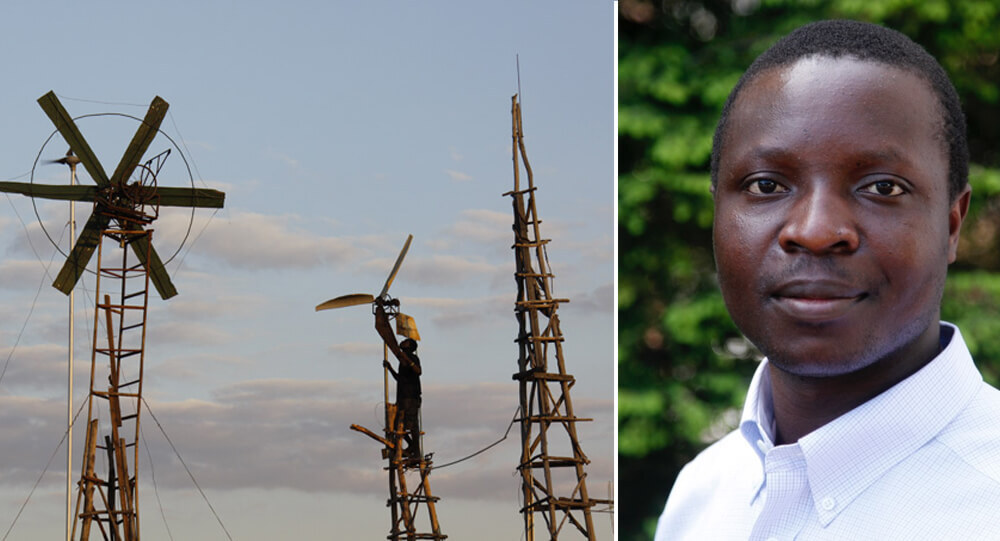
Self-taught William Kamkwamba built a windmill for his town
A Malawian teenager who taught himself how to build a windmill out of junk and bring power to his village. He then went on to build a second, larger windmill to power irrigation pumps. He did this all from books he read in the library.
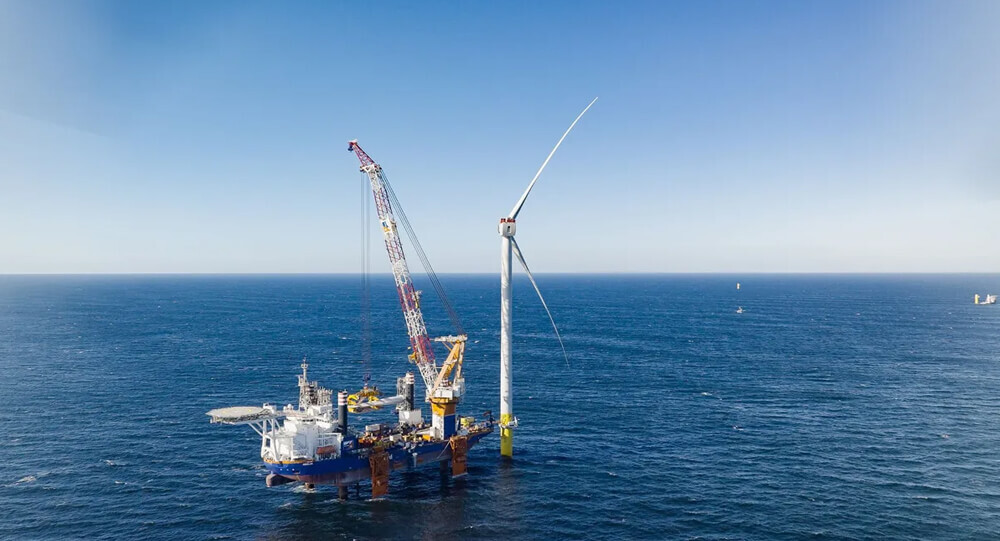
New York installs first offshore wind turbine to power 70,000 homes
New York State has achieved a historic milestone in its clean energy transition by installing the first wind turbine at its first offshore wind farm, South Fork Win.

'Press Your Luck' Was Hacked in 1984 by an Ice Cream Man
in 1984 an contestant made it onto the game show Press Your Luck. He discovered using his stop-motion VCR that the presumed random patterns of the game board were not random and memorized the sequences. On the game he was on, he won 45 consecutive spins. winning $110,237 in cash & prizes.
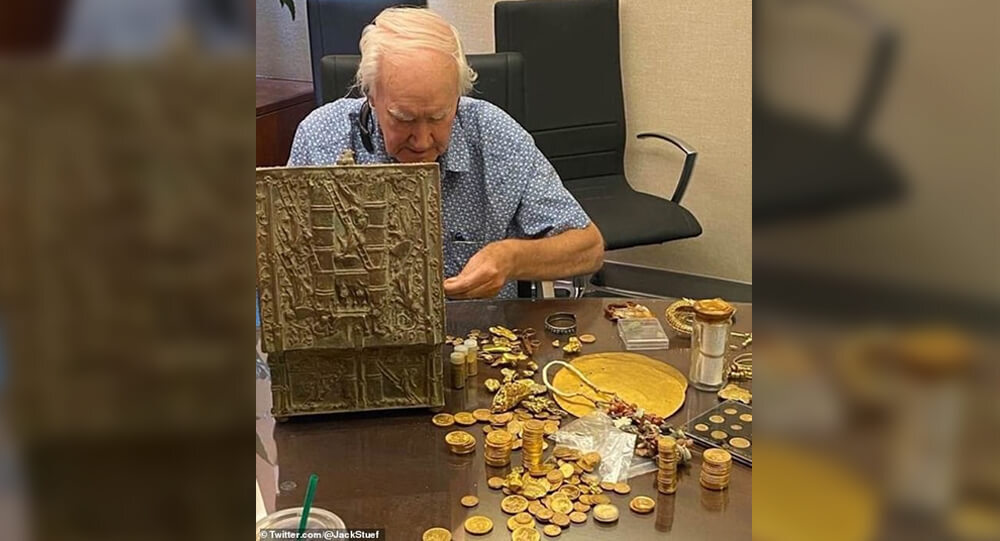
Story of Forrest Fenn and who he hid a bronze chest treasure full of gold and other jewels
Forrest Fenn, an art dealer, hid a bronze chest full of gold and other jewels somewhere in the Rocky Mountains ten years ago. In a poem, he hinted at its location. Thousands of people tried and failed to find the treasure, which is said to be worth over a million dollars, and at least four people died in the process. In June 2020, the Fenn treasure was discovered.
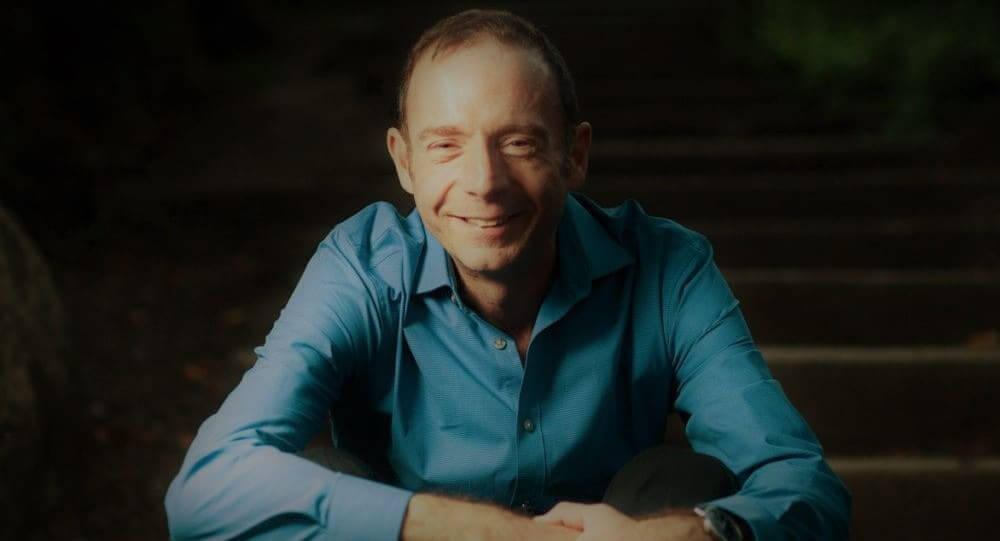
Timothy Ray Brown, who inspired millions of HIV-positive people, died of leukemia
Timothy Ray Brown, also known as "The Berlin Patient," was the first person to be HIV-free. He was diagnosed with leukemia in 2006 and had a bone marrow transplant in 2007 as part of his treatment. The transplant helped him overcome the otherwise incurable disease thanks to the rare, HIV-resistant donor.

Hyperinflation of the Zimbabwe dollar turning phasing out their local money in 2015
Hyperinflation of the Zimbabwe dollar made it one of the lowest valued currencies in the world. So the country abandoned it in 2009, and switched to using foreign money. In 2015, to complete the process of phasing out their local money, the government offered to exchange it at a rate of one US dollar for 35 quadrillion Zimbabwean dollars.

Aitzaz Hasan, Pakistani school boy who sacrificed his life from suicide bomber
Aitzaz Hasan, a 15 year old Pakistani school boy, sacrificed his life while preventing a suicide bomber from entering his school of 2000 students. His father said "My son made his mother cry but saved hundreds of mothers from crying for their children."
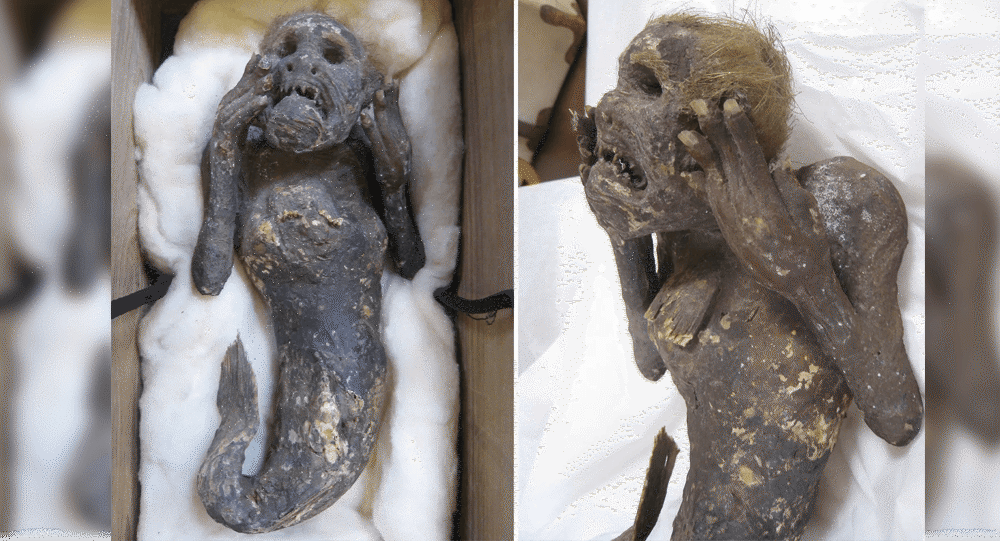
Mystery of 300-year-old mummified mermaid is being probed
There is a 300-year-old mummified mermaid with 30 centimetres tall and features a human-like head, two hands with what appear to be fingernails, and its lower body that look like a fish tail. The “mermaid mummy” is being probed by Japanese scientists in an attempt to unravel the mystery of its existence.

Woman had no idea she had an identical twin until she saw a 'lookalike' on YouTube
When Anais Bordier saw a YouTube video of Samantha Futerman, who looked exactly like her, she messaged her on Facebook and discovered they were both adopted and born on the same day. They were identical twins who had been separated at birth and had found each other by chance and on social media.
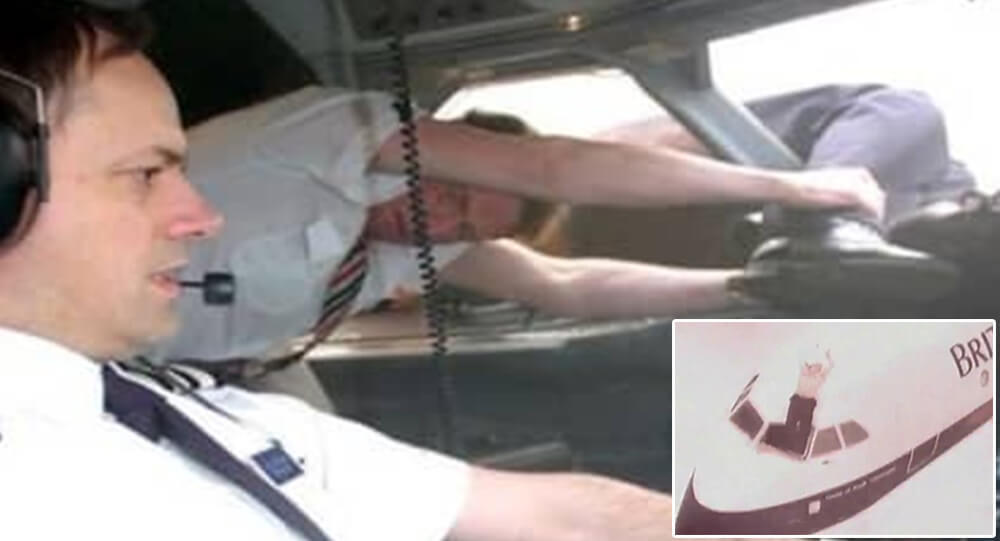
A Pilot Survived 20 Minutes Outside A Flying Jet
In 1990, the captain of flight 5390 Timothy Lancaster got sucked out of his own plane when the window of the plane fell off. The crew held the captain’s leg for 30 minutes while the plane performed emergency landing. Everyone survived.
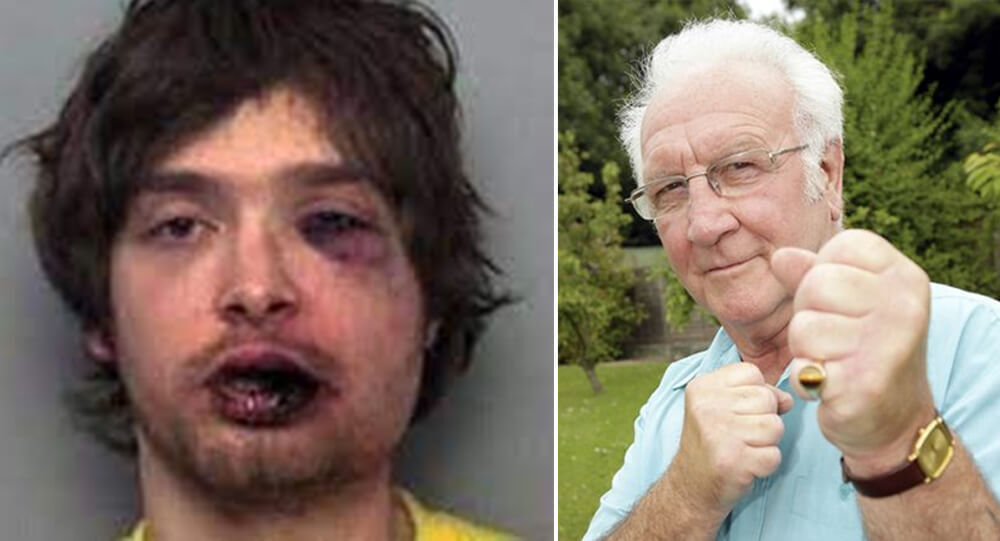
24-year-old burglar beaten by retired boxer victim
A 24-year-old knife-wielding burglar attempted to get into the home of a 72-year-old senior in Oxford, England, in 2009, but was left battered, bruised, and pinned to the ground. Frank Corti, the elderly, turned out to be a former boxing champion.

A little girl survived a 1-hour submersion in freezing creek water
On June 10, 1986, two-and-a-half-year-old Michelle Funk fell into an icy creek and was submerged for 66 minutes. When rescuers pulled her out of the water, she was not breathing, had no pulse, and appeared lifeless. The doctors used various techniques to rewarm her blood and bring her back to life. She was successfully resuscitated and went on to lead a healthy life.

A woman who had been lost since she was a newborn 51 years ago was said to have been spotted
A woman who had been lost since she was a newborn for 51 years was reported to have been sighted.

Baby Lynlee 'born twice' after life-saving tumour surgery
Baby Lynlee was "born twice." First, surgeons brought her out of the womb to remove a spinal tumor. After the successful surgery, she was placed back and born again as a healthy baby girl.

Smart guy brings life-sized cutout of his late mother to his graduation
Even though that his mother passed away in 2016, a young man had a clever idea to make a life-size cutout of her and bring it to the event so that she could attend his graduation ceremony.

Woman survives skydiving accident, discovers she's pregnant
2005, a woman performing her first solo skydive jump survived a parachute malfunction which caused her to slam face first into a parking lot at 50 MPH. During surgery doctors discovered she was pregnant. She made a full recovery and the baby was fine.
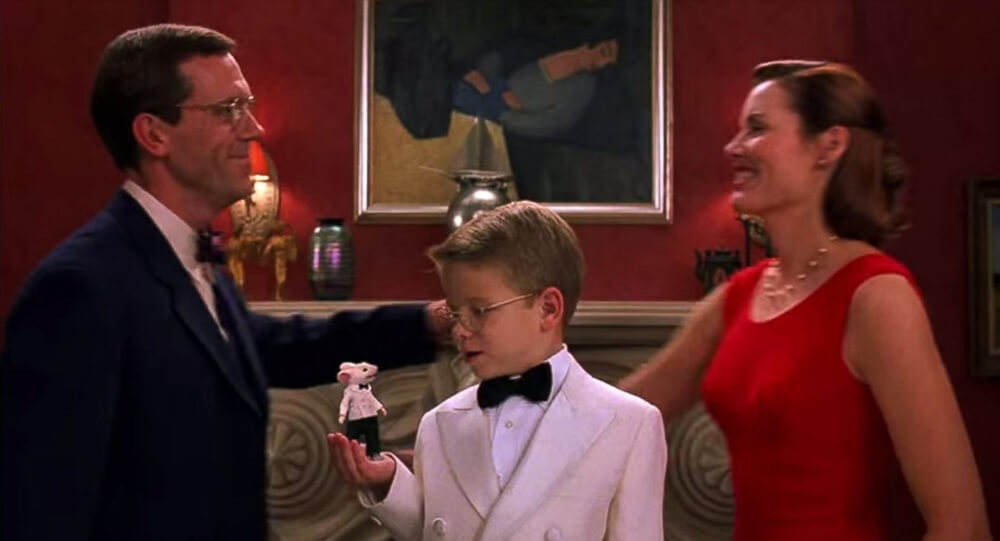
Missing Masterpiece Discovered in the Background of ‘Stuart Little’
In 2009, Gergely Barki, an art historian, was watching the film Stuart Little (1999) when he spotted an original long-lost painting used as a prop. Called Sleeping Lady with Black Vase, this painting was the work of Hungarian avant-garde painter Róbert Berény. The painting had been considered lost after World War II.