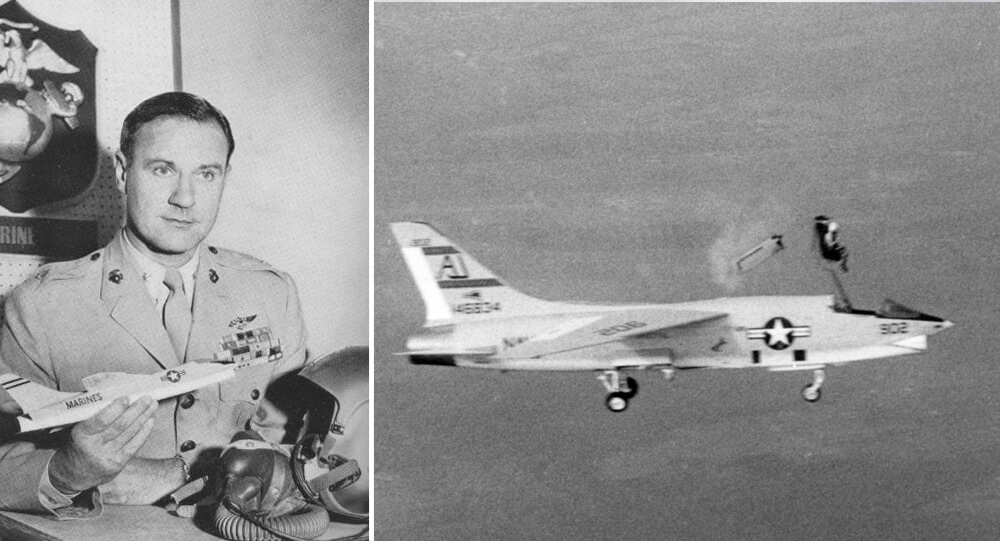
The story of William Rankin fall through a thunderstorm is one of impossible survival against incredible odds
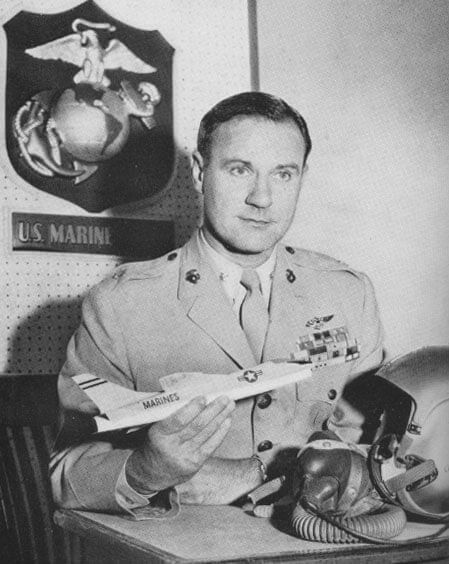
Lieutenant Colonel William Rankin was a World War II and Korean War veteran who flew for the US Marine Corps. But he is best known for being the only person to date to have survived falling into and passing through a cumulonimbus storm cloud before reaching the ground. He survived a literal fall through a storm. Which, as far as leaving a lasting impression, places pretty highly on the awesome scale. This incredible act of survival was chronicled by Rankin in his book The Man Who Rode Thunder. Sadly, the book is no longer in print, and the few, extremely rare copies that are still available usually come with a hefty price tag.
On July 26, 1959, the thunder riding incident took place. From the Naval Air Station in South Weymouth, Massachusetts, to the Marine Corps Air Station in Beaufort, South Carolina, Rankin and his wingman Herbert Nolan were piloting two F-8 Crusaders. Rankin and Nolan had climbed to 47,000 feet (14,326 m) and were cruising at a brisk Mach 0.82 (roughly 624 mph) to keep above some nasty looking storm clouds that peaked somewhere around 45,000 feet (13,716 m). Rankin reported hearing an audible bump and rumble from the engine just before they began to descend. (This is conceivably one of the worst situations in which to begin experiencing alarming engine noises.)
The warning lights started flashing, and the engine abruptly stopped. Nolan received a brief message from Rankin that read, “Power failure. May have to eject.” He then pushed the lever to turn on the aircraft’s auxiliary power. The lever disintegrated in his hands. Rankin considered his options as the unpowered aircraft started to nose down significantly. He was aware of the numerous challenges presented by his extremely high altitude, including the freezing temperatures, severe decompression, and virtually nonexistent oxygen levels. And to make matters worse, Rankin was not donning a pressure suit. After determining that the aircraft could not be recovered, Rankin finally pulled the twin ejection handles at 6:00 PM and ejected into the atmosphere. 47,000 feet up. into air that was -58 °F (-50 °C) at the time. And as if those circumstances weren’t bad enough, Rankin’s left hand’s glove was ripped off during ejection, adding a nice, fresh slice of “insult to injury.” Rankin experienced immediate discomfort as a result of his abdomen painfully swelling as a result of the decompression, and blood oozing from his eyes, nose, ears, and mouth. He was able to breathe thanks to an emergency oxygen supply as he fell through the air.
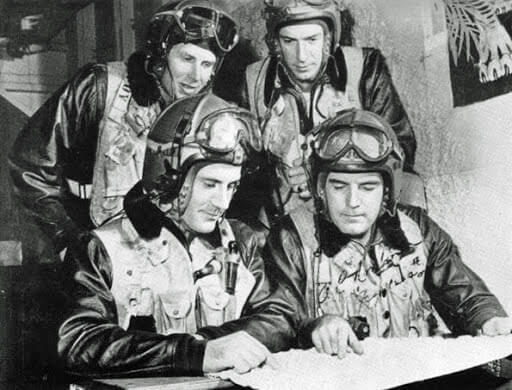
He reached the top of the thunderstorm after about ten seconds. Frostbite was added to Rankin’s growing list of issues by the bitter cold and choppy winds, especially on his bare left hand. The built-in barometer in Rankin’s parachute was programmed to open automatically when it reached an altitude deemed safe for breathing. Although Rankin could manually pull the rip cord to open his parachute, he was aware of the situation enough to restrain himself. He had little oxygen and it was cold; if the parachute opened while he was too high in the air, it might prolong his descent to the point where he experiences hypothermia or asphyxiation and dies. Under normal conditions, Rankin could anticipate taking three to four minutes to ascend to a breathable altitude of 10,000 feet. When that happened, his parachute would open, and he would continue to fall at a slower rate.
You may have noticed, though, that the normal conditions were now being smashed into tiny, tiny pieces by a large and raging thunderstorm.
William Rankin’s visibility was nearly impossible to see as he descended through the storm’s upper reaches. For what seemed like a very long time, Rankin fell. Long enough that he started to be concerned that his parachute’s automatic switch and barometric sensor were broken. Finally, the parachute opened, and he felt an upward tug on his harness. Rankin tugged on the risers to make sure the parachute had properly deployed and inflated even though he couldn’t see it above him.
Sadly, Rankin wasn’t even close to 10,000 feet. The chaotic storm conditions had prematurely activated the barometric sensor and automatic switch, and strong updrafts within the thunderstorm had significantly slowed his descent. Rankin was even more vulnerable to the updrafts because the parachute had been deployed by this point. Before falling again, he was caught and pulled back thousands of feet into the air. This sequence was repeated so many times that Rankin lost track of the cost. He eventually misplaced his lunch as well. He remembers experiencing heaving and seasickness at one point.
Rankin was not alone in this up and down cycle, which is alarming. Alongside him, hailstones started to form, and he soon started getting hit by ice shards and balls. And even though that was bad enough, Rankin was concerned that eventually the ice would grow large enough to begin tearing his parachute. Amazingly, Rankin also had to deal with a different issue. In order to avoid inhaling mouthfuls of water and succumbing to the suddenly very real possibility of drowning in the sky, he frequently had to hold his breath and carefully choose when he attempted to breathe in air.
Lightning flashed all around Rankin as he precariously balanced all of these concerns. Rankin saw blue blades arcing around him that were several feet thick, and then instantly felt rather than heard concussive blasts of thunder. In the midst of all this confusion, Rankin briefly believed he had passed away when a lightning strike brilliantly lit up his parachute.
Rankin was finally freed from the updrafts’ hold as the storm’s ferocity mercifully began to lessen, and he began to descend. As Rankin left the thunderstorm behind and descended into a much gentler summer rainstorm, temperatures increased noticeably. Rankin was moving toward the backcountry forests of North Carolina while still alive and with his parachute still attached. He was about to touch down when the storm gave him one last poke, and the wind picked up, throwing him into a grove of trees. Rankin’s momentum caused him to crash into a tree trunk after his parachute became tangled in the trees’ branches. He was thankfully spared serious injury because his flight helmet absorbed the majority of the impact.
When Rankin descended from the tree, the time was 6:40, according to his wristwatch. He had just escaped a brutal 40-minute drop through a violent thunderstorm from a height of almost 9 miles.
In his search for assistance, Rankin eventually located a backcountry road. A passing car finally stopped and gave Rankin a ride to a store in the nearby town of Ahoskie, North Carolina, after several unsuccessful attempts to flag it down. From there, Rankin called an ambulance and was transported to the hospital, where he received decompression therapy, treatment for frostbite, and general beatings. Given that he had just finished ten rounds with a thunderstorm, his injuries were surprisingly minor, and he made a full recovery over a few weeks.
After writing The Man Who Rode Thunder and eventually reporting back to duty, William Rankin lived another 50 years. Twenty days before what would have been the 50th anniversary of his incredible fall, on July 6, 2009, he passed away. Lieutenant Colonel William Rankin is the only person in history to have survived falling through a storm, despite others, like paraglider Ewa Wisierska, having survived their own perilous encounters with them.

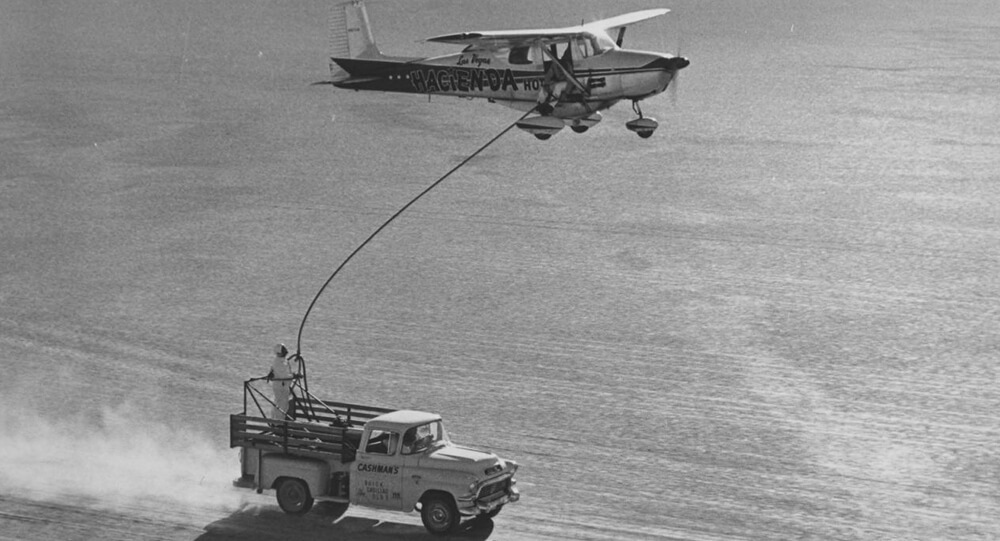
The world’s longest flight spent more than two months in the air
Roberts Timm and Jim Cook, two pilots, flew an aircraft for more than two months without landing in 1958. Matching the speed of a truck moving down the road to refuel. A mattress for sleeping, a small steel sink for personal hygiene, the removal of most interior fittings to reduce weight, and a basic autopilot were among the improvements.
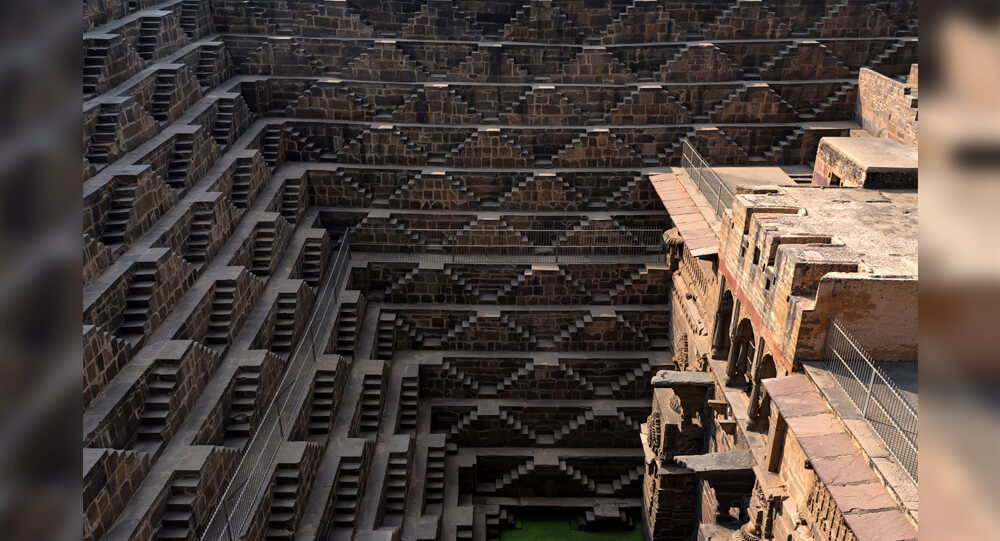
chand baori stepwell in Rajasthan India, Ancient cooling technique
This Chand Baori stepwell in Rajasthan, India is over 1200 years old. It’s called Chand Baori. The air at the bottom of the well is 5-6 degrees cooler than at the surface, so in addition to being a water source, it was used as a community gathering place where locals could escape the heat.


Water park in japan, ocean dome: Largest indoor water park in the world
The Seagaia Ocean Dome, located in Miyazaki, Japan, was the biggest indoor waterpark in the world. An "Ocean" six times the size of an Olympic pool, filled with 13,500 tons of unsalted, chlorinated water kept heated at 28 degrees Celsius and recognized as the largest simulated pool by the Guinness Book of World Records, measures 12,000 square meters of the sandy beach made from 600 tons of stone.

A subway in Chongqing passes through a building (images)
A train has been constructed through an apartment complex in Chongqing, China. The 19-story residential structure is not only passed by the light rail passenger train, but it also serves as a transit stop. Apartment residents can simply get a ride from the sixth to eighth levels.
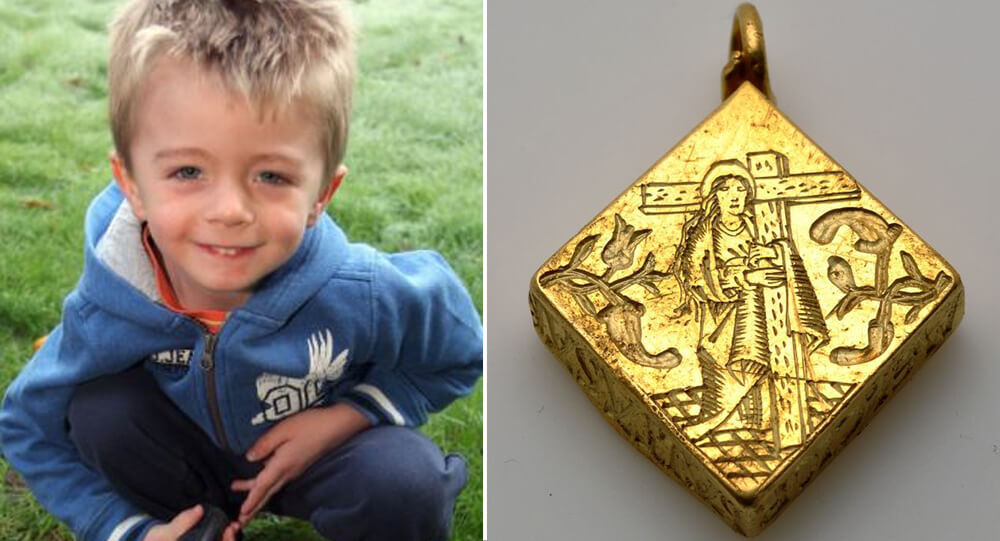
A three-year-old boy discovers a $4 million pendant in England
A $4 million 16th-century gold pendant was discovered in 2010 by a three-year-old boy using his father's metal detector.

This whale tail sculpture saved a train that went off the rails
A train in the Netherlands failed to stop in time and broke through the emergency barrier. It's being held up by the statue of a whale's tail.
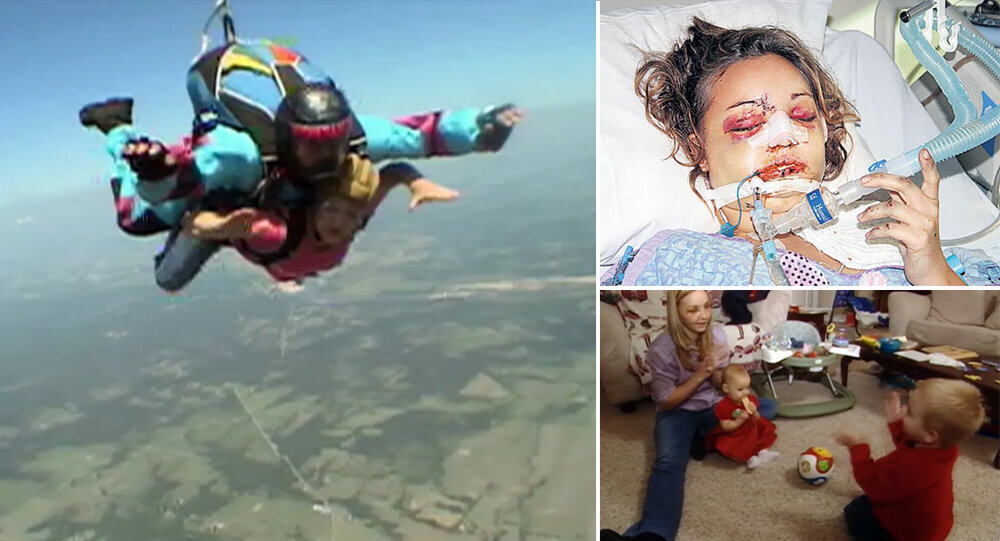
Woman survives skydiving accident, discovers she's pregnant
2005, a woman performing her first solo skydive jump survived a parachute malfunction which caused her to slam face first into a parking lot at 50 MPH. During surgery doctors discovered she was pregnant. She made a full recovery and the baby was fine.
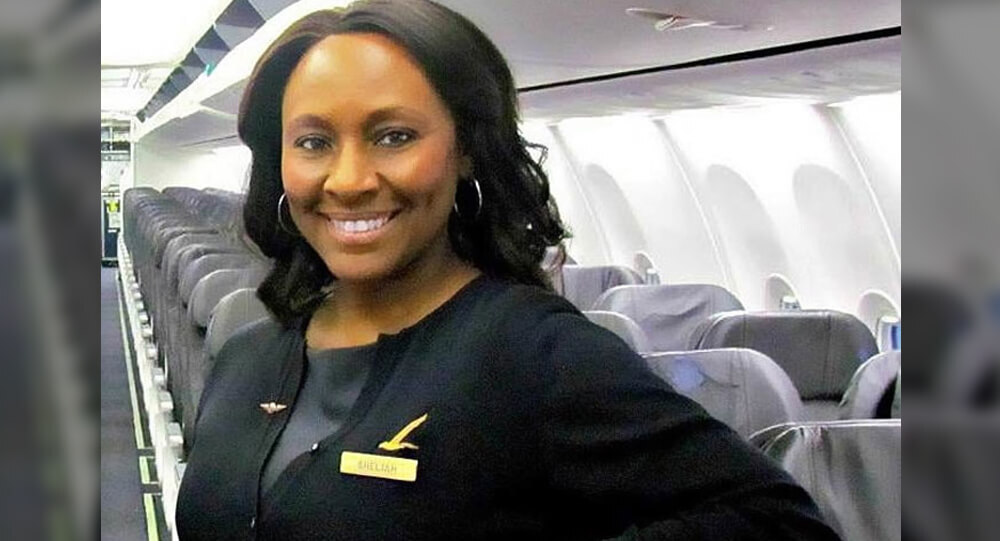
A flight attendant uses a secret note to save a teen girl from sex trafficking
The flight attendant Shelia Fredrick. She spotted a distressed girl with an older man. She left a note in the restroom on which the victim wrote that she needed some help. The girl was rescued from a human trafficker after the authorities were informed.

LEGO Braille Bricks: Revolutionizing Braille Learning Through Play and Inclusion
go Braille Bricks were launched in 2020 to help visually impaired children learn Braille through play. Each brick features the Braille alphabet and is fully compatible with standard Lego sets, allowing sighted peers to join in, fostering inclusivity and collaboration in learning environments.
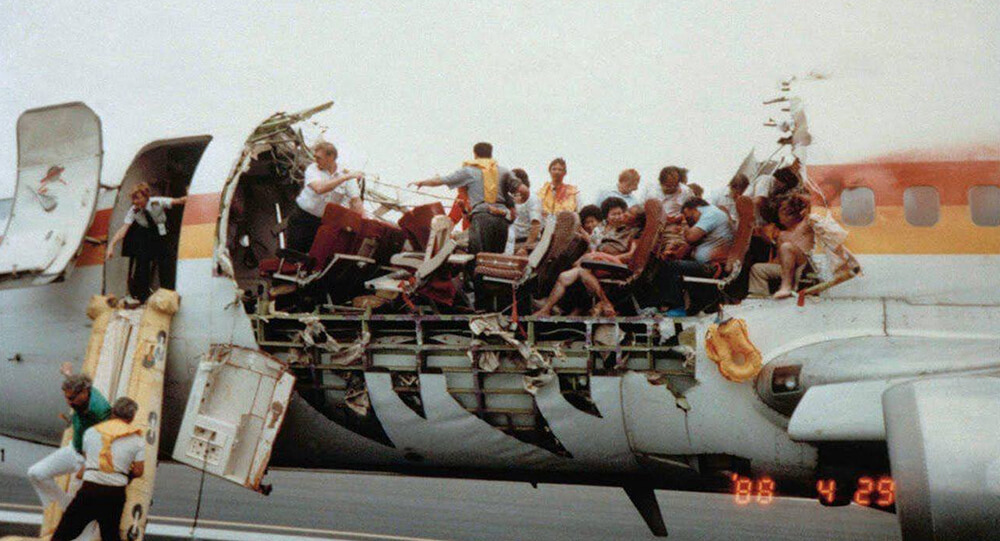
The incredible story of a plane that lost its roof in mid-flight and the light signal that saved 94 lives.
On April 28, 1988, Aloha Airlines flight 243 was on the way to Honolulu from Hilo when a huge portion of the upper part of the fuselage blew off the airplane.

Baby Lynlee 'born twice' after life-saving tumour surgery
Baby Lynlee was "born twice." First, surgeons brought her out of the womb to remove a spinal tumor. After the successful surgery, she was placed back and born again as a healthy baby girl.

A woman who had been lost since she was a newborn 51 years ago was said to have been spotted
A woman who had been lost since she was a newborn for 51 years was reported to have been sighted.
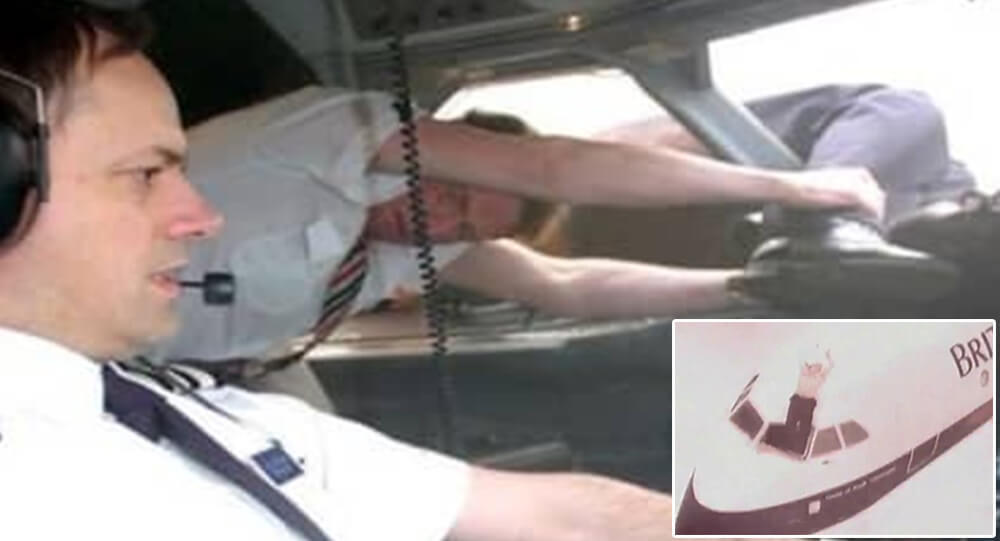
A Pilot Survived 20 Minutes Outside A Flying Jet
In 1990, the captain of flight 5390 Timothy Lancaster got sucked out of his own plane when the window of the plane fell off. The crew held the captain’s leg for 30 minutes while the plane performed emergency landing. Everyone survived.
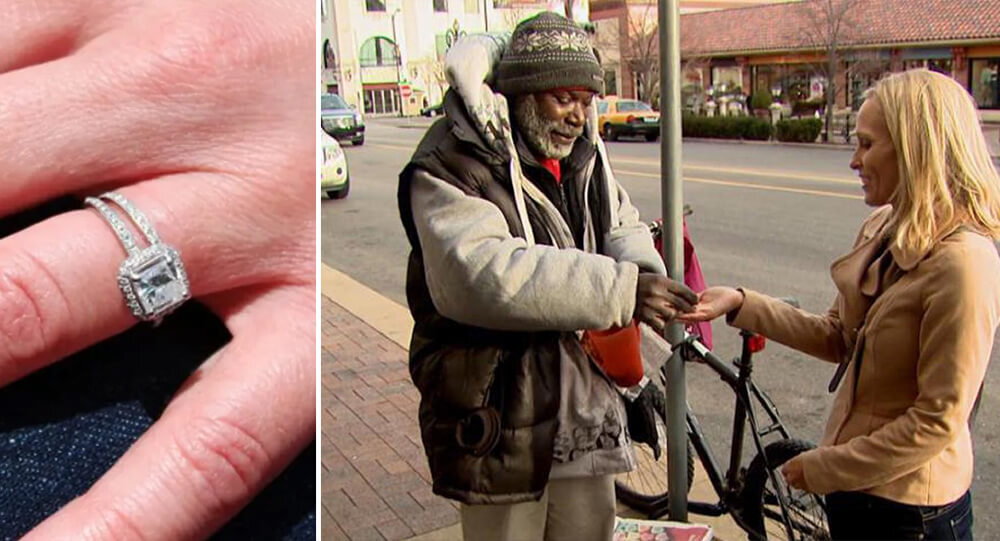
Billy Ray Harris: A Story of Kindness and Honesty
In 2013, a homeless man named Billy Ray Harris discovered a $4,000 engagement ring in this cup. A woman had dropped while giving him some change. He returned the ring to her two days later. To thank him for his honesty, she set up a fund with the goal of raising $4,000 for him. It earned more than $185,000.

Before Hollywood, Christopher Walken Was a Teenage Lion Tamer with a Lioness Named Sheba
Before acting, Christopher Walken worked as a lion tamer in a circus at age 16. He performed with a lioness named Sheba and described the job as surprisingly calm—just another day before Hollywood stardom.
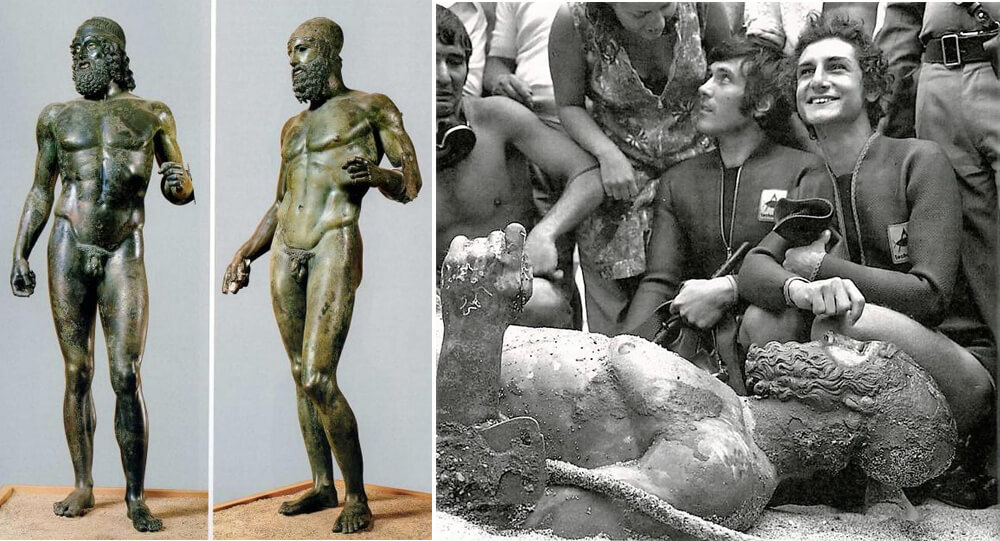
The accidentally discovery of Riace bronzes
Stefano Mariottini was snorkeling off the coast of Monasterace near Riace in 1972 when he noticed a human hand sticking out of the sand and called the police, thinking it was a corpse. It was actually two statues of "Warriors from Riace" - 5th century BC Greek bronze statues.

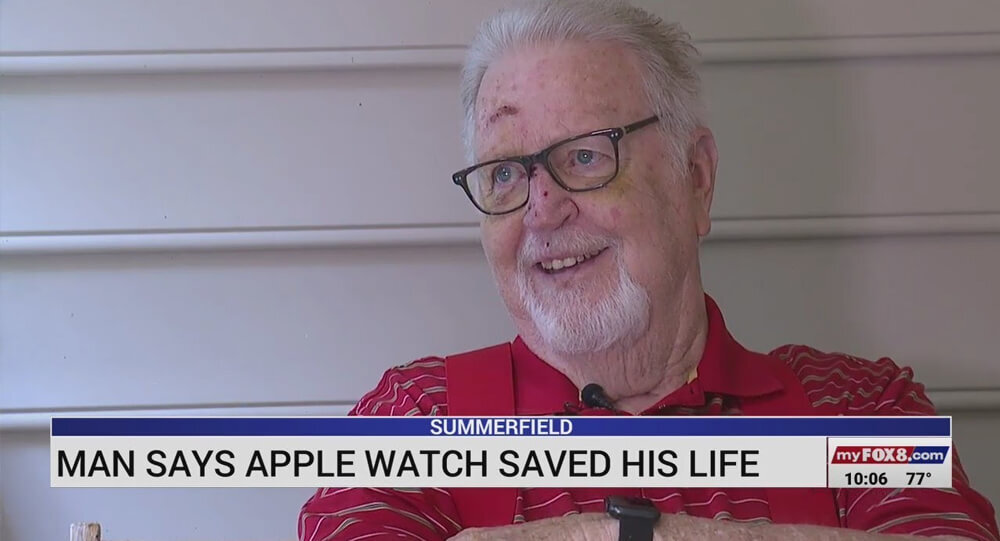
Apple Watch saves a 78 year old man from life threatening fall
An Apple watch saved the life of a 78-year-old man from North Carolina. When the man was unconscious and collapsed on his driveway, his Apple watch quickly sent an alert to emergency services.

24-year-old burglar beaten by retired boxer victim
A 24-year-old knife-wielding burglar attempted to get into the home of a 72-year-old senior in Oxford, England, in 2009, but was left battered, bruised, and pinned to the ground. Frank Corti, the elderly, turned out to be a former boxing champion.
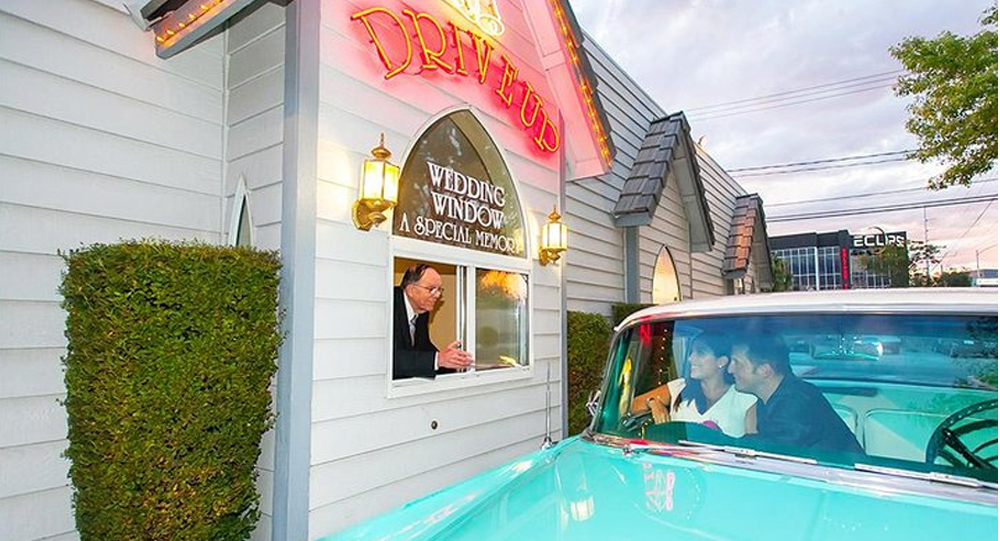
Drive-Thru Weddings in Las Vegas: The Ultimate Fast, Fun, and Legal Way to Say “I Do”
Inspired by fast food convenience, Las Vegas offers drive-thru weddings where couples can legally marry in under 5 minutes—without leaving their car. Some chapels even offer curbside Elvis impersonators and 24/7 ceremonies, complete with “to-go” marriage licenses.
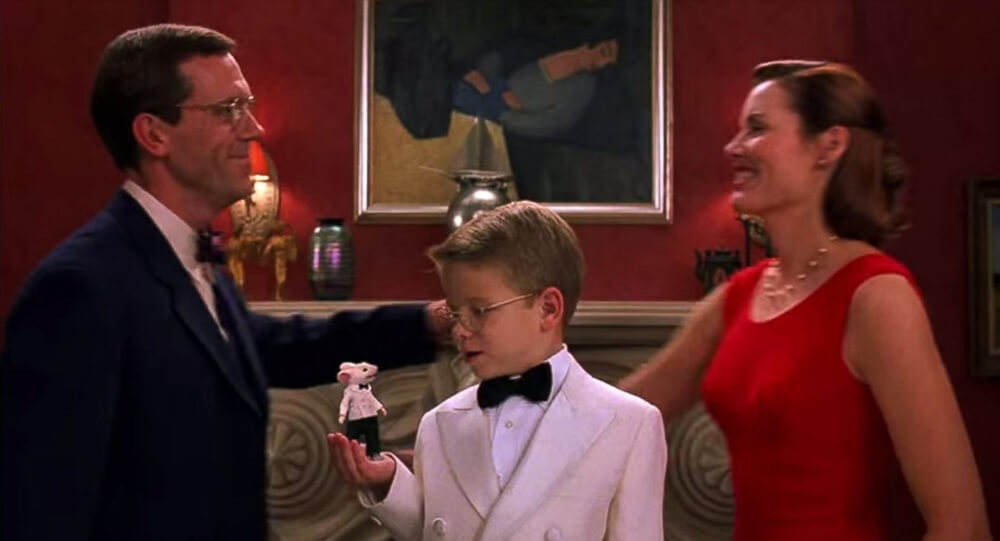
Missing Masterpiece Discovered in the Background of ‘Stuart Little’
In 2009, Gergely Barki, an art historian, was watching the film Stuart Little (1999) when he spotted an original long-lost painting used as a prop. Called Sleeping Lady with Black Vase, this painting was the work of Hungarian avant-garde painter Róbert Berény. The painting had been considered lost after World War II.
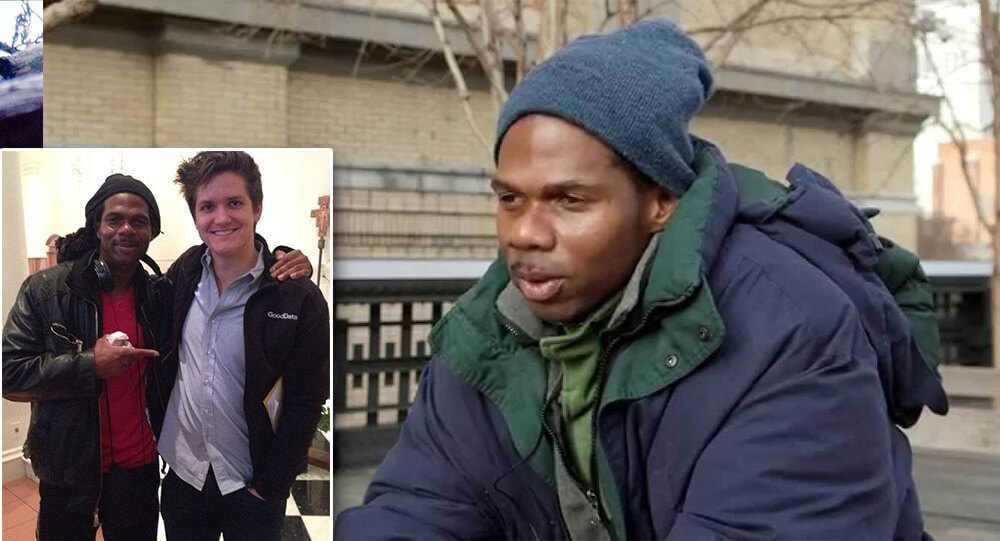
Leo Grand: from homeless to mobile app developer
In 2013, A young programmer offered a homeless man the choice between $100 cash or coding lessons. Leo Grand chose the lessons, and his first mobile app was “Trees for Cars," which helps drivers find carpooling partners.

Story of Forrest Fenn and who he hid a bronze chest treasure full of gold and other jewels
Forrest Fenn, an art dealer, hid a bronze chest full of gold and other jewels somewhere in the Rocky Mountains ten years ago. In a poem, he hinted at its location. Thousands of people tried and failed to find the treasure, which is said to be worth over a million dollars, and at least four people died in the process. In June 2020, the Fenn treasure was discovered.

Toddler Calls 911 Accidentally and Saves Dad's Life
A father from Florida collapsed on the floor during a medical episode. Fortunately, his toddler son dialed 911 by accident and saved his life. An officer from the Hernando County Sheriff's Office arrived quickly and administered first aid before transporting him to a nearby hospital.
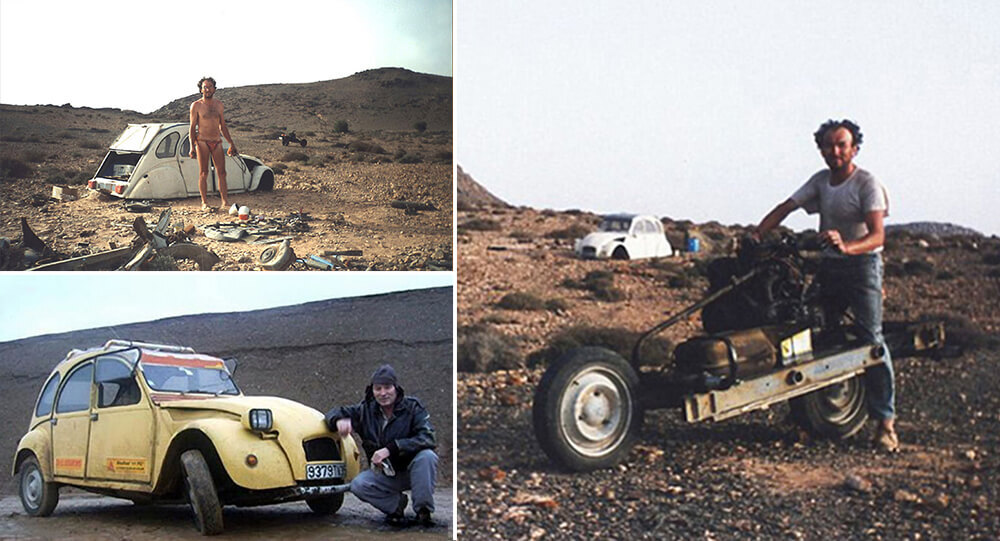
Man Trapped in the Sahara Desert Constructs a Bike From His Broken-Down Car to Save His Life
A man who became lost in the desert disassembled his broken-down car and turned it into a functional motorcycle, which he used to escape.

Woman had no idea she had an identical twin until she saw a 'lookalike' on YouTube
When Anais Bordier saw a YouTube video of Samantha Futerman, who looked exactly like her, she messaged her on Facebook and discovered they were both adopted and born on the same day. They were identical twins who had been separated at birth and had found each other by chance and on social media.