
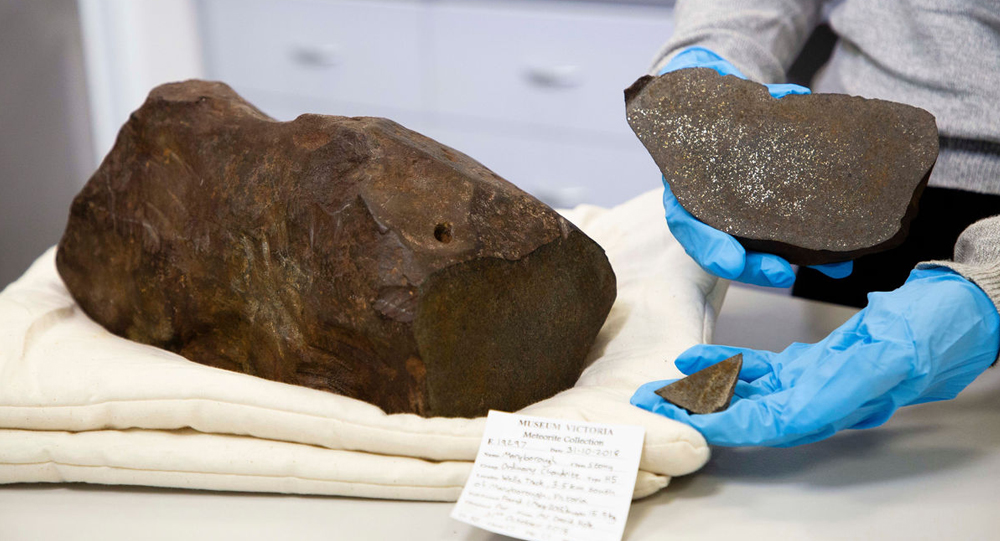

The Man Who Kept a “Gold” Rock for Years—Only to Discover It Was a 4.6-Billion-Year-Old Meteorite Worth a Fortune
Imagine holding what you think is a hefty chunk of gold in your hands—a treasure you cherish and guard for years. That’s exactly what happened to one man, who clung to a solid, metallic rock weighing 17 kilograms, convinced of its golden value. Little did he know, this unassuming rock would reveal itself as something far more extraordinary: a meteorite forged billions of years ago, carrying secrets from the birth of our solar system.
Holding a “Gold” Treasure: Years of Misplaced Value
For years, the man admired this dense, shiny rock, believing it to be a rare and valuable chunk of gold. Its weight, metallic sheen, and hefty feel were convincing enough, especially to a non-expert. This rock wasn’t just any stone—it had physical qualities that suggested something precious.
Throughout this time, he stored the rock safely, occasionally showing it to friends and family, proud of his “golden” find. Yet, despite the perceived value, he never fully tested its authenticity—an oversight that many treasure hunters and hobbyists sometimes fall into.
The Surprising Revelation: A Meteorite From Outer Space
Curiosity finally won, and the rock was sent to experts for appraisal. What arrived at the laboratory was no common mineral deposit. After careful analysis using spectroscopy and metallurgical testing, scientists confirmed the object wasn’t gold but a meteorite composed mainly of iron and nickel.
More astonishingly, this meteorite was dated to about 4.6 billion years old. That means it formed in the early solar system period when planets—including Earth—were born out of cosmic dust and gas. This rock literally predates our planet’s surface rocks and carries the history of the solar system’s chaotic infancy.
Why Are Meteorites So Valuable?
Meteorites, especially iron-nickel types like this one, are prized for several reasons:
- Rarity: While many meteorites fall to Earth, only a small percentage are large, intact, and suitable for collection or scientific study. This 17-kilogram specimen is a significant find.
- Age and Origin: Being 4.6 billion years old gives meteorites a unique scientific value. They help researchers understand the chemical and physical processes during planetary formation.
- Metal Composition: Iron-nickel meteorites have distinctive crystalline patterns, known as Widmanstätten patterns, rare centuries-old materials that can’t be replicated on Earth’s surface.
- Cultural and Historical Significance: Meteorites have fascinated humans for millennia, often regarded as sacred or mystical objects in many cultures.
Pricing for such meteorites can vastly exceed the value of gold by weight — collectors and institutions may pay from tens of thousands up to millions of dollars for extraordinary specimens, depending on rarity, size, and scientific interest.
The Science Behind Meteorite Identification
Scientists use several tools to identify meteorites. A magnetic attraction test helps since iron meteorites strongly attract magnets. Spectrometry analyzes elemental composition to distinguish terrestrial metals from extraterrestrial ones.
Microscopic examination reveals unique crystal structures not found in Earth rocks. Radioisotope dating then estimates the literal age, giving clues about where and when the meteorite formed in space.
This process ensures that each suspected meteorite is authentic and adds to the scientific understanding of our cosmic neighborhood.
Fascinating Trivia About Meteorites
- The largest meteorite ever found, the Hoba meteorite in Namibia, weighs around 60 tons and lies where it landed—it’s so heavy it has never been moved.
- Some meteorites contain organic compounds, providing key insights into the possible origins of life on Earth.
- Falling meteorites have contributed metals like iron to Earth’s crust, meaning parts of our planet literally come from space.
- Meteorites are often older than Earth itself—some predate the rocky planets, capturing an ancient snapshot of solar system formation.
- Famous museums around the world proudly display meteorites that visitors can touch and learn about our cosmic history.
What Happened to the Rock’s Owner?
Once informed of the rock’s true nature, the man’s prized possession transformed from “just a heavy rock” or “gold lump” into a priceless link to the stars. The meteorite’s value skyrocketed, and he was advised to possibly sell or donate it to science or museums.
Stories like his remind us that sometimes, treasures in our backyards can be far more spectacular than we imagine—sometimes even falling from the skies.
Final Thoughts: When Gold Isn’t the Only Treasure
The story of this 17-kilogram “gold” rock shows that sometimes, real treasure lies in unexpected places. While gold has fascinated humanity for ages, a meteorite carrying billions of years of cosmic history tells an even grander story.
Meteorites connect us to our origins and remind us of the vast universe beyond our world. So, the next time you stumble on a “rocky treasure,” remember—it might just be a piece of the heavens.
If you enjoyed this cosmic tale of mistaken identity and ancient space rocks, share it with fellow space fans, and stay tuned for more fascinating stories about our universe’s hidden wonders!
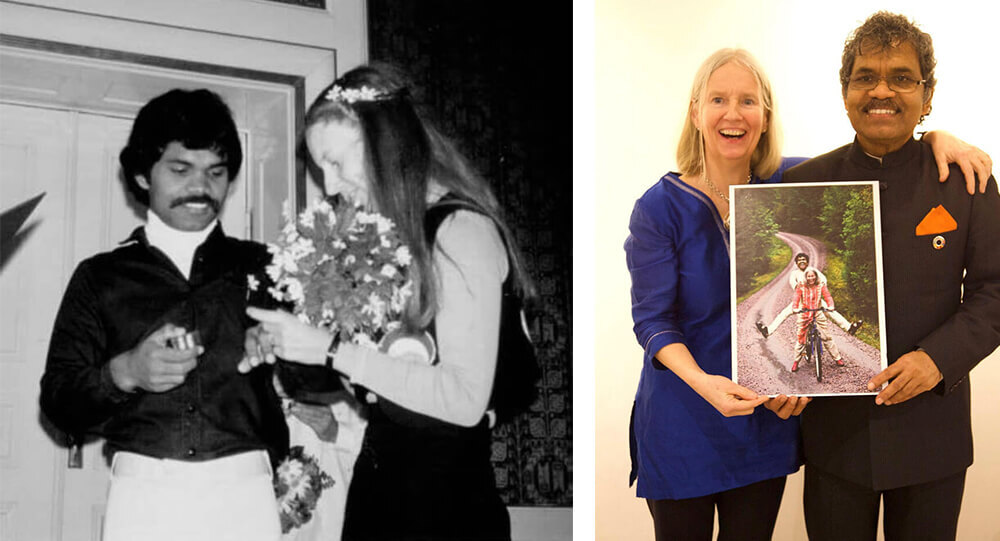
Photos: This man sold everything 45 years ago to buy a bike and travel 6,000 miles from India to Sweden to see his love.
An Indian man traveled from India to Sweden on a bicycle to meet his Swedish wife in 1978. The journey took him 4 months and through eight countries.

Timothy Ray Brown, who inspired millions of HIV-positive people, died of leukemia
Timothy Ray Brown, also known as "The Berlin Patient," was the first person to be HIV-free. He was diagnosed with leukemia in 2006 and had a bone marrow transplant in 2007 as part of his treatment. The transplant helped him overcome the otherwise incurable disease thanks to the rare, HIV-resistant donor.


Restaurant owner offers burglar a job rather than filing charges
On April 13, 2021, Diablo’s Southwest Grill was robbed, but instead of pressing charges, owner Carl Wallace decided to offer the burglar a job in his business and said “There are better opportunities out there than this path you’ve chosen,”.

Why Is the N Lowercase in 7-Eleven?
7-ELEVEN is thought to have a lowercase "n" in its logo because the company president's wife believed that a logo with all caps would seem harsh, while a lowercase "n" would make it more graceful.
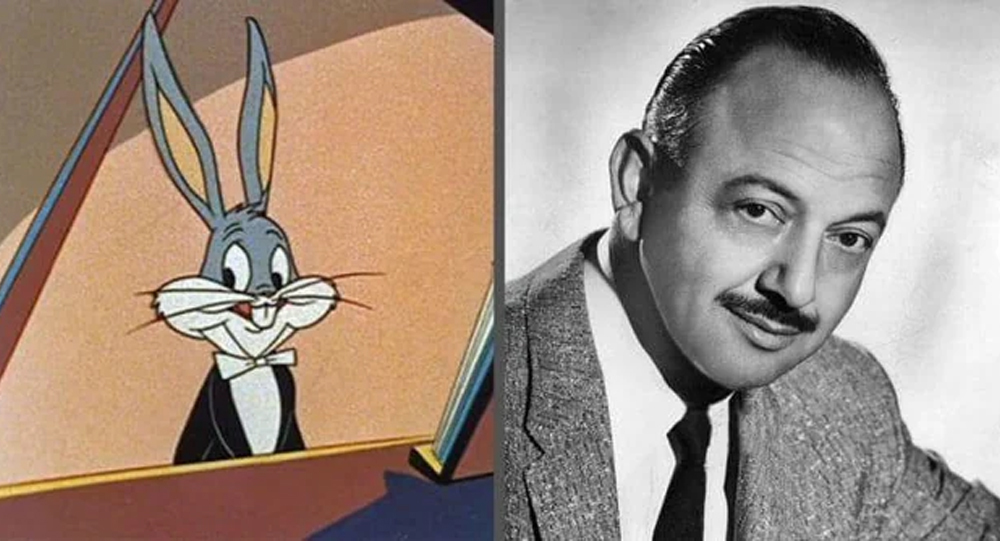
How Being Bugs Bunny Helped This Voice Actor Out of Coma
Mel Blanc; the voice of Bugs Bunny, had been in a serious car accident that put him in a coma. After many unsuccessful attempts to get him to talk, a doctor asked “Bugs, can you hear me” Mel responded in the voice of bugs bunny, “Whats up, Doc? The doctors used this to lead him out of his coma.
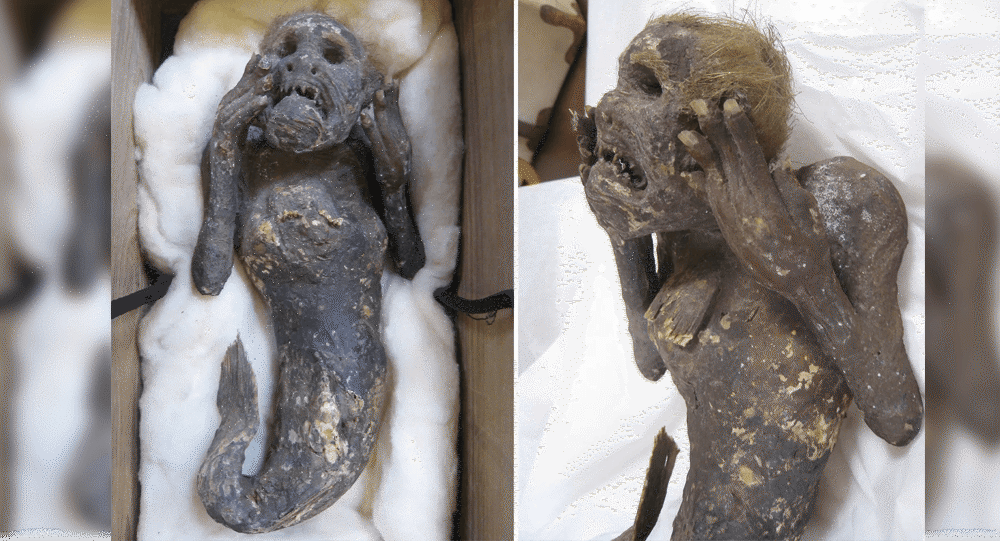
Mystery of 300-year-old mummified mermaid is being probed
There is a 300-year-old mummified mermaid with 30 centimetres tall and features a human-like head, two hands with what appear to be fingernails, and its lower body that look like a fish tail. The “mermaid mummy” is being probed by Japanese scientists in an attempt to unravel the mystery of its existence.

JBJ Soul Kitchen: Bon Jovi's community restaurant
JBJ Soul Kitchen is a community restaurant by Jon Bon Jovi with no prices on the menu; customers donate to pay for their meals. If you are unable to donate you may do volunteer work in exchange for your family’s meal.

Toddler Calls 911 Accidentally and Saves Dad's Life
A father from Florida collapsed on the floor during a medical episode. Fortunately, his toddler son dialed 911 by accident and saved his life. An officer from the Hernando County Sheriff's Office arrived quickly and administered first aid before transporting him to a nearby hospital.
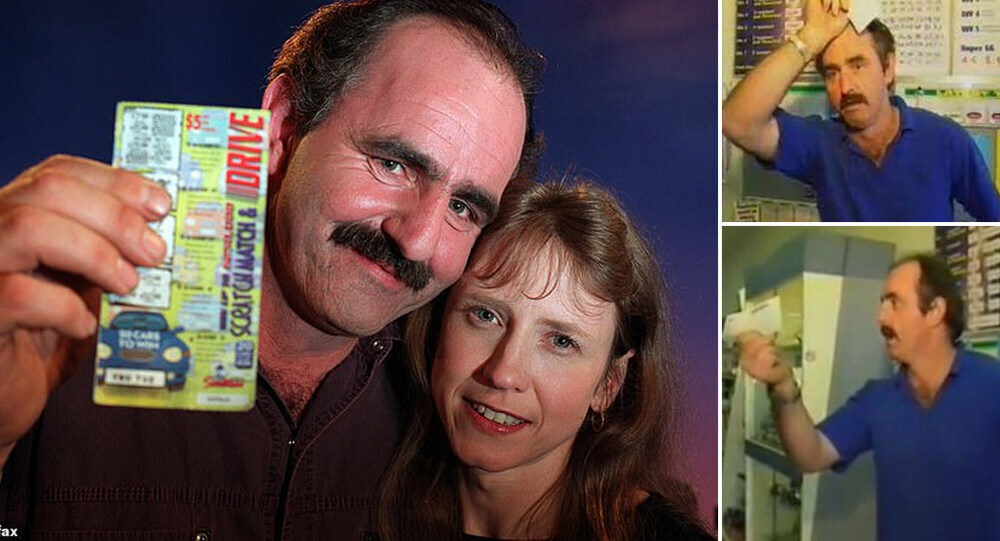
Australian man dies, comes back to life, and wins the lottery twice
Bill Morgan, an Australian, is a man who has beat the odds. He escaped death by surviving a horrific automobile accident and heart attack before collapsing into a coma and going on to win the lotto twice. He went from losing virtually everything to winning far more than he could have imagined.

The Inspiring Journey of Francis Tsai, Marvel Comics artist diagnosed with ALS
Francis Tsai, an American illustrator and conceptual artist who worked for Marvel Comics, was diagnosed with ALS in 2010. After he lost the ability to move his hands and arms, he started painting digitally on his cellphone with his right big toe. After he could not move his feet anymore, he began using eye-gaze technology to keep drawing.

A subway in Chongqing passes through a building (images)
A train has been constructed through an apartment complex in Chongqing, China. The 19-story residential structure is not only passed by the light rail passenger train, but it also serves as a transit stop. Apartment residents can simply get a ride from the sixth to eighth levels.
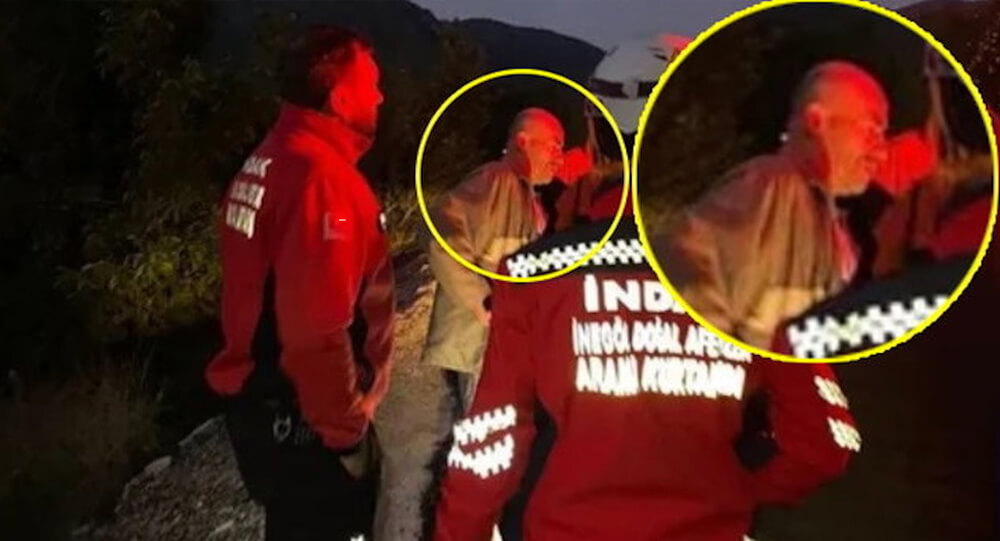
A man joins a search operation without realizing he is the missing person
Beyhan Mutlu, a Turkish national, was reported missing by local media and unintentionally joined search teams looking for himself in a forest. He was drunk and lost in the woods when he ended up in a group with others looking for himself.
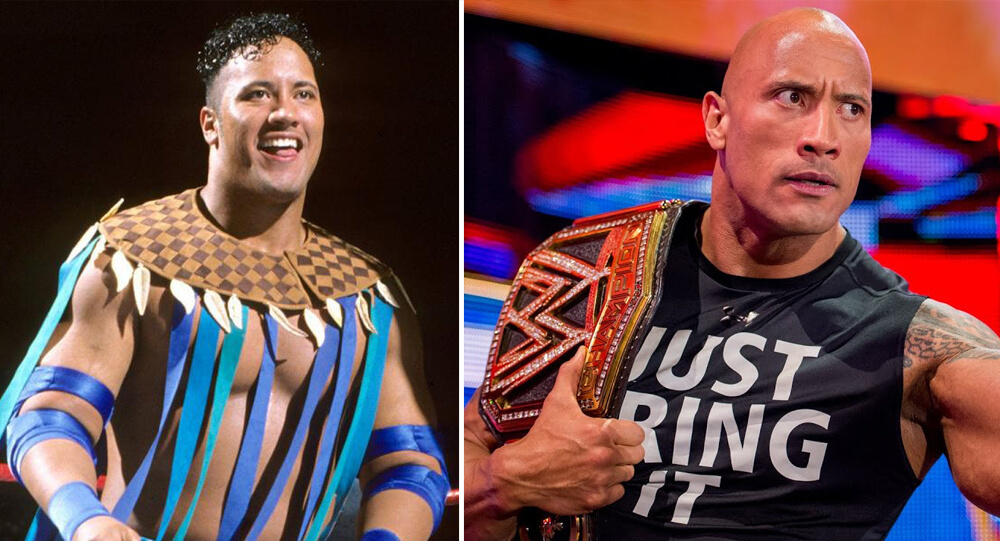
Before "The Rock," There Was "Rocky Maivia"
Dwayne “The Rock” Johnson’s first WWF persona was Rocky Maivia, a face (good guy). The audience rejected him due to his cheesy character, with chants of “Die, Rocky, die!”. After this, he became a heel (villain), referring to himself in the third person as “The Rock” and insulting the audience.

This whale tail sculpture saved a train that went off the rails
A train in the Netherlands failed to stop in time and broke through the emergency barrier. It's being held up by the statue of a whale's tail.

Smart girl saves her family more than 100 people in 2004 tsunami
In 2004, a 10-year-old girl saved her family and 100 other tourists from the Asian tsunami because she had learned about the giant waves in a geography lesson, it has emerged.
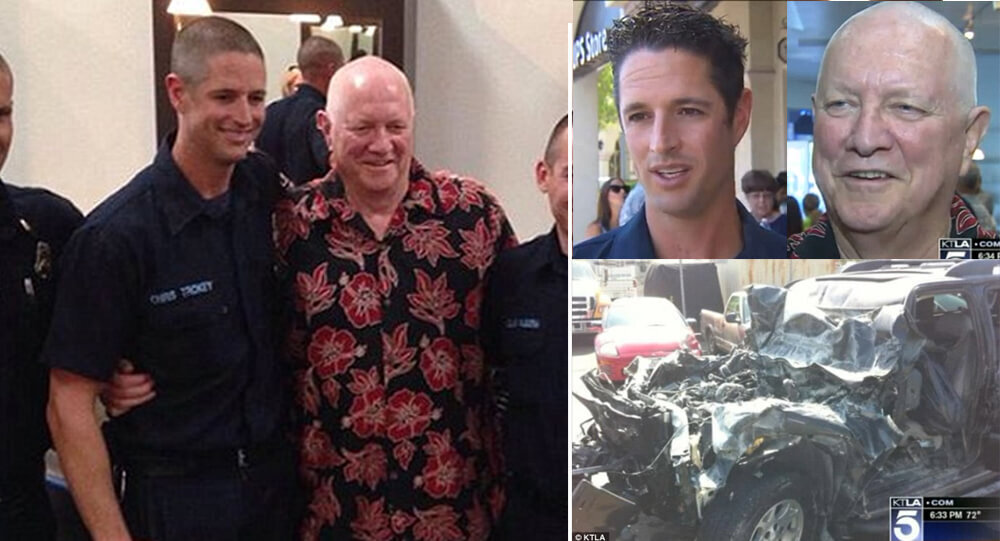
Paramedic Rescues Doctor Who Saved Him 30 Years Earlier
In 1981, a doctor helped save the life of a 3.2 pounds premature baby boy. Thirty years later, the boy, who had grown up to be a firefighter-paramedic, helped in saving the same doctor from a car accident.
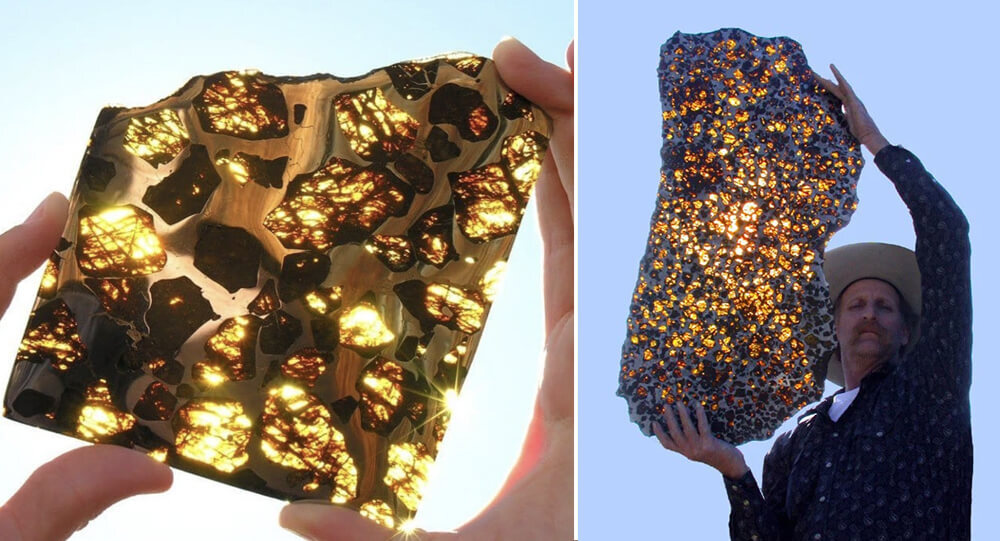
The beauty and uniqueness of Fukang Meteorite
This Fukang meteorite is around 4.5 billion years old and weighs more than 2,000 pounds. It was discovered in China in 2014 and is assumed to have formed when our solar system initially formed.
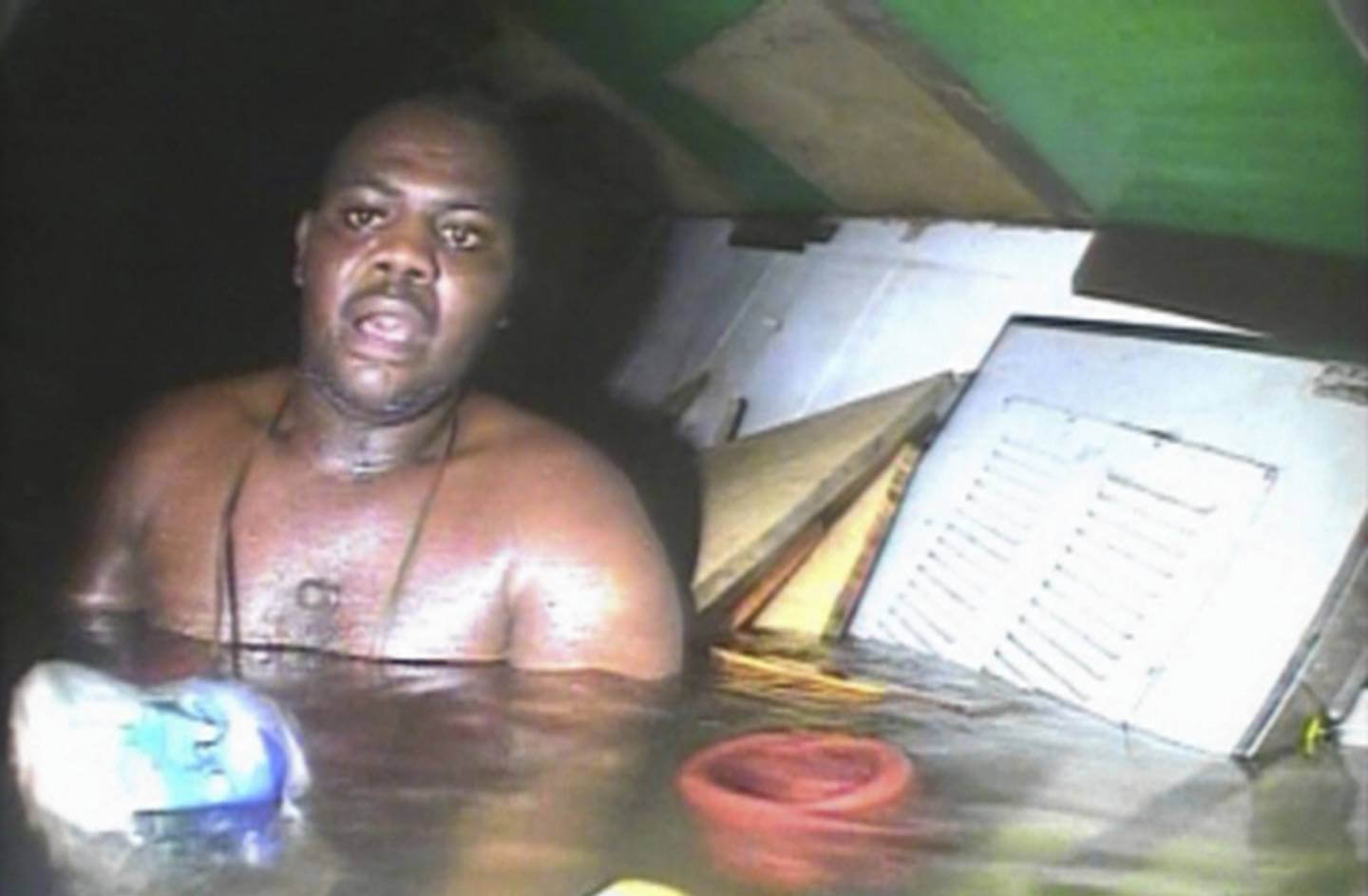
A story of a man Survived Inside Sunken Ship For Three Days
A man survived a sunken ship for nearly three days, 279 feet underwater and in complete darkness, while listening to fish eat the bodies of his shipmates.

Kipekee, the world's only spotless giraffe, was born at Brights Zoo
The world's only spotless giraffe was born at a zoo in the United States. The giraffe born without spots on July 31 is the only one of her kind on Earth.
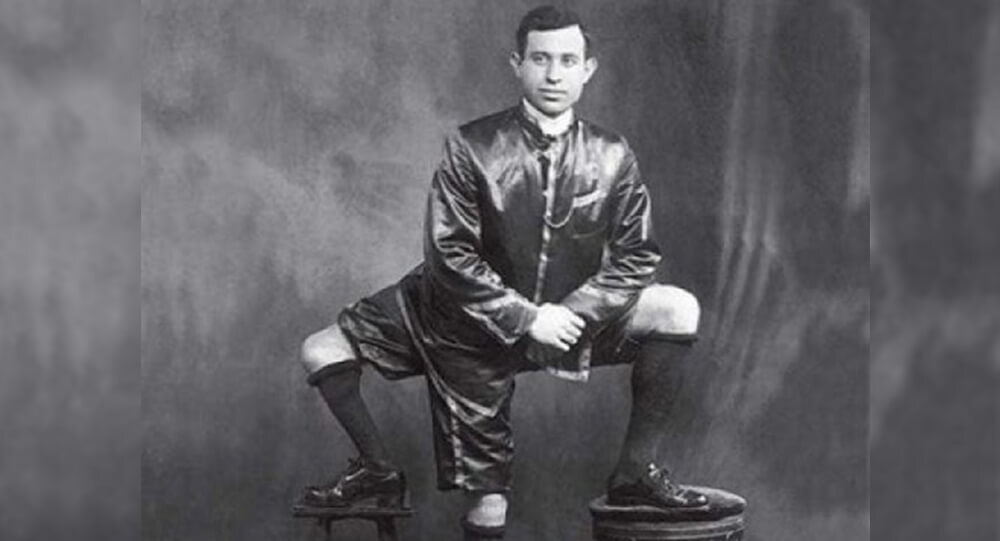
Frank Lentini, The Three-Legged Sideshow Performer
Francesco Lentini was a man with three legs, four feet, sixteen toes, and two sets of functional male genitals. He worked for the circus and lived to be 78 years old.

Woman survives skydiving accident, discovers she's pregnant
2005, a woman performing her first solo skydive jump survived a parachute malfunction which caused her to slam face first into a parking lot at 50 MPH. During surgery doctors discovered she was pregnant. She made a full recovery and the baby was fine.

Unique Dining table with a hole for your cat to peek and join you dinner.
Dinos, a Japanese internet shop, has launched a new range of cat furniture, which includes this oak table with a hole in the middle and a perch underneath. It places your cat companion in the center of the table, making your cat the main focus of your meal, as it should be, because cats are the true proprietors of “your” home.
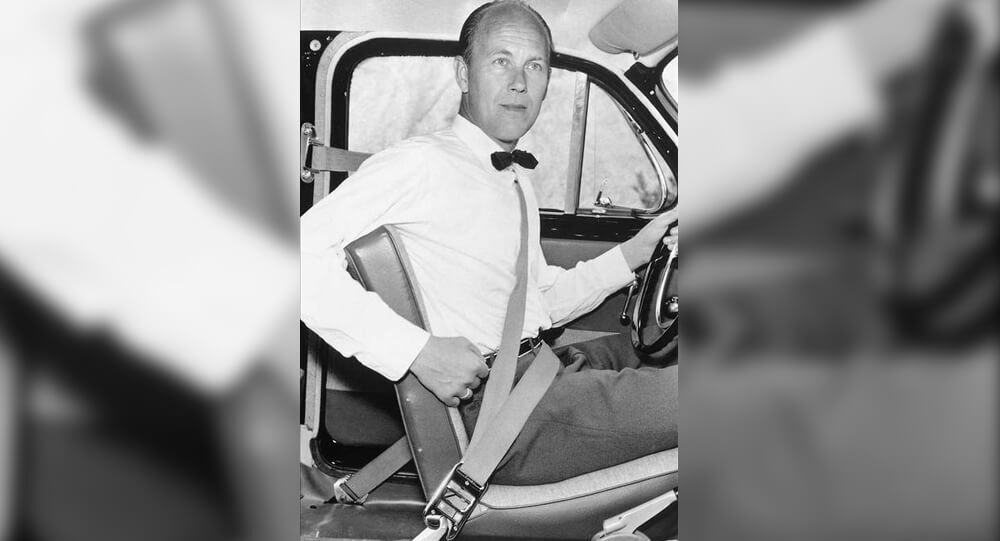
Who invented the three-point seat belt?
While employed by Volvo in 1959, Swidish engineer Nils Bohlin created the three-point safety belt. Volvo first had the design patented, but soon as they discovered its importance as a new safety measure, they made the patent open to everyone. Millions of lives were genuinely spared by Volvo’s gift to the world.
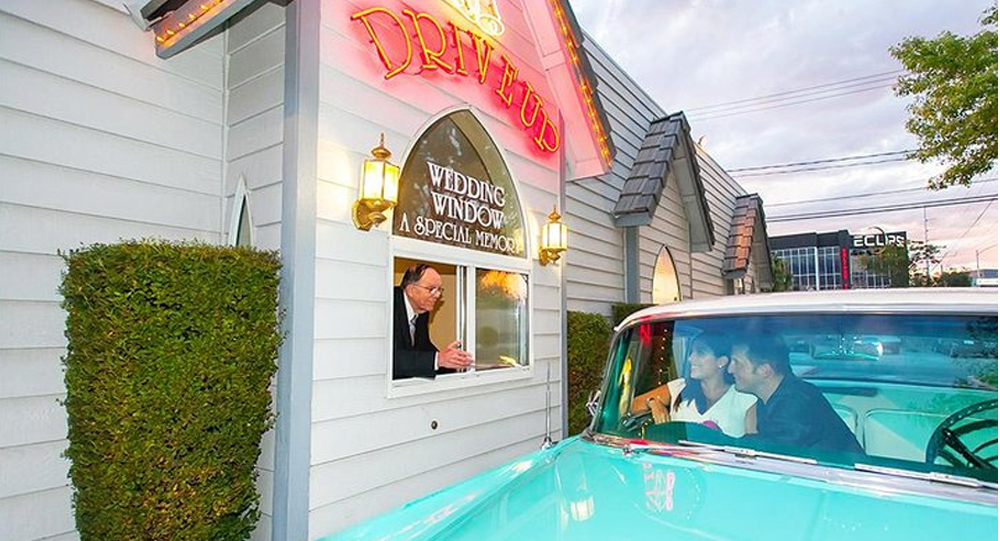
Drive-Thru Weddings in Las Vegas: The Ultimate Fast, Fun, and Legal Way to Say “I Do”
Inspired by fast food convenience, Las Vegas offers drive-thru weddings where couples can legally marry in under 5 minutes—without leaving their car. Some chapels even offer curbside Elvis impersonators and 24/7 ceremonies, complete with “to-go” marriage licenses.

Morgan’s Wonderland, the world’s first ultra-accessible amusement park
Gordon Hartman was heartbroken when his special needs daughter, Morgan, was rejected by a group of children playing by the hotel poolside. He then set out to build a place where all children can play together. This led to the development of the world’s first ultra-accessible amusement park, Morgan’s Wonderland