
Despite the fact that flying is still a mode of transportation used about 100 years ago, it has made life so much easier. Experts have even declared it to be the safest mode of transportation. Considering the hundreds, if not thousands, of flights that take place every day, a few crashes per year are nothing compared to the number of car accidents that occur every day.
Even with the safest mode of transportation, we still have a small percentage of events, and flight British Airways 5390 was a one-of-a-kind incident in the history of commercial flying. BA flight 5390 was a service from Birmingham (BHX) down to Málaga–Costa del Sol (AGP), Spain’s fourth-busiest airport.
Another day in the Boring Life of a Pilot
On June 10th, 1990, nothing had changed. For a long time, the same plane, the BAC 1–11–500, was used for this flight. The plane had been in the British Airways fleet since 1988 and had been properly maintained. British Airways is known for taking excellent care of their planes. There were 81 passengers on this flight, including four cabin crew members and two pilots.
Captain Tim Lancaster, who is 42 years old and has over 11,000 flight hours, piloted the plane. At the age of 39, Alastair Atchison, the co-pilot, had accumulated 7,500 flight hours. Both pilots had a lot of experience and had their fair share of in-flight issues as well as potential disasters that they were able to avoid because of their knowledge.

The aircraft passed both pre-flight and post-flight inspections, and there were no technical issues. The plane took off from Birmingham airport at 8:33 a.m. without incident. According to British weather, the level of turbulence was normal. The plane was gradually climbing to the required altitude for cruising to the destination. Commercial jets fly at an altitude of around 30,000 feet (8500 meters), but the BAC 1–11–500 was a smaller plane that cruised at 27,000 feet (8000 meters).
Explosive Decompression
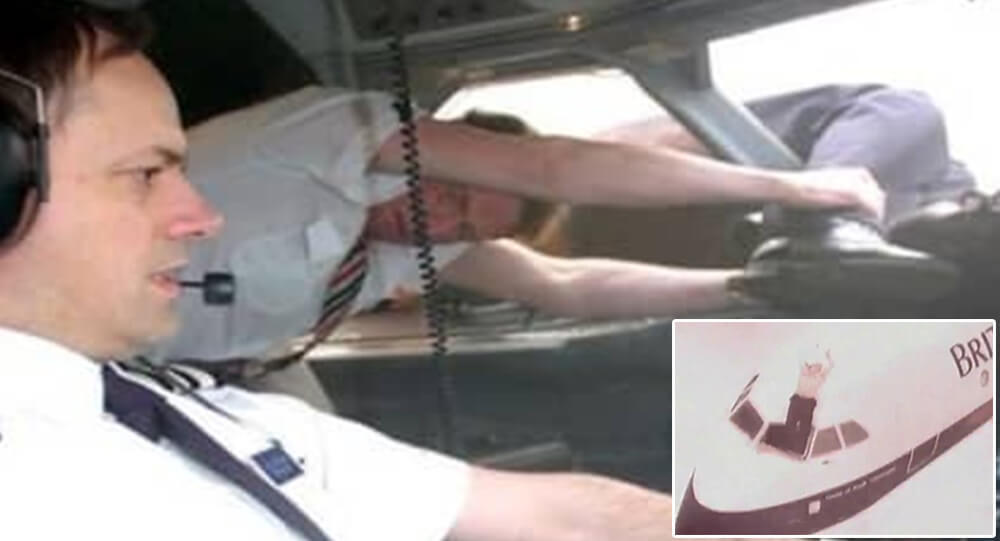
Two of the cockpit windows shattered about 30 minutes after take-off, depressurizing the cabin and sucking Captain Tim Lancaster out. Lancaster was extremely fortunate because he would not have survived that day if one of the attendees had not acted quickly. Before disappearing out the window, flight attendant Nigel Ogden grabbed his Captain’s ankles. Lancaster could not be pulled back due to the high speed and low pressure at that altitude.
“I whipped round and saw the front windscreen had disappeared and Tim, the pilot, was going out through it — he had been sucked out of his seatbelt and all I could see were his legs,” (Quote by Nigel Ogden)
It wasn’t just the Captain’s life on the line, but the lives of everyone on board. If Ogden didn’t catch the Captain in time, the Captain had a good chance of flying right into the Jet’s engine, destroying it and causing an explosion that would send the plane into a nose-dive crash. Everyone on board would have died as a result of this.
Co-pilot Atchison was attempting an emergency landing by descending as quickly as possible towards Southampton airport. Ogden was starting to lose his grip as the co-pilot spoke with flight control in Southampton. Another flight attendant named Simon Rogers realized that Ogden was not able to hold the Captain for another 15 minutes until the plane landed, so they used extra seatbelts to tie the Captain’s legs to the chair.
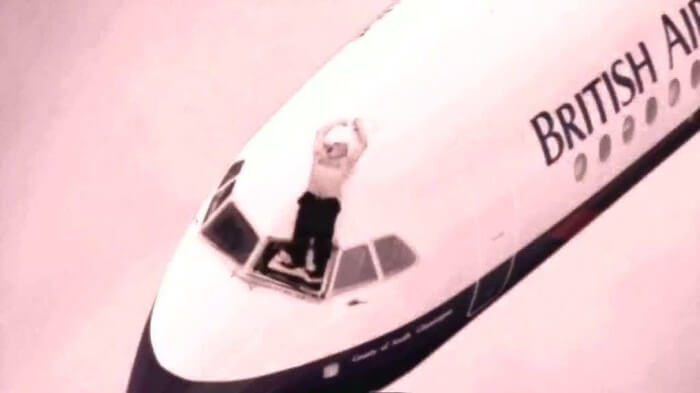
While all of this was going on, Lancaster was forced to remain in the same position due to the plane’s speed. The powerful speed combined with high winds from the high altitude ripped his shirt. One of the worst parts was that he couldn’t close his eyes for the duration, so he was constantly seeing potential death in the sky.
“Most terrifyingly, his eyes were wide open. I’ll never forget that sight as long as I live.” (Quote by Tim Lancaster)
Lancaster was able to return to the cockpit after the plane landed safely at Southampton airport around 8:50 a.m. The emergency services had waited for the plane to land before giving the Captain first aid. He was fortunate to escape with only minor injuries and his life. He was not deprived of oxygen, according to the medics, due to the quick descent. The Captain could have died from a lack of oxygen if the co-pilot had kept the plane at 27,000 feet for longer.
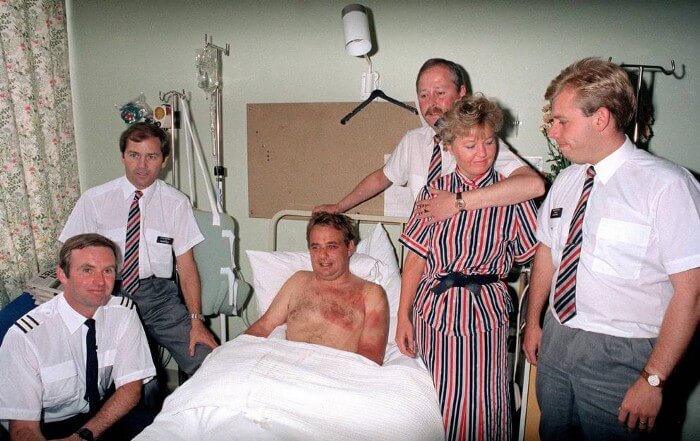
Everyone made it home safely at the end of the day. The entire crew can be seen in this photo surrounding their Captain, who has minor bruises on his chest and arms. The crew worked together to save not only their Captain, but also everyone else on board who was in grave danger.


Mystery of 300-year-old mummified mermaid is being probed
There is a 300-year-old mummified mermaid with 30 centimetres tall and features a human-like head, two hands with what appear to be fingernails, and its lower body that look like a fish tail. The “mermaid mummy” is being probed by Japanese scientists in an attempt to unravel the mystery of its existence.

Tourist in China left hanging from 330-ft-high glass bridge as wind blows away its panels
The popular tourist attraction glass-bottomed bridge was shattered after a strong wind blew away its panels. A Chinese tourist was left stranded in strong winds 330 feet up on a glass-bottomed bridge.

A little girl survived a 1-hour submersion in freezing creek water
On June 10, 1986, two-and-a-half-year-old Michelle Funk fell into an icy creek and was submerged for 66 minutes. When rescuers pulled her out of the water, she was not breathing, had no pulse, and appeared lifeless. The doctors used various techniques to rewarm her blood and bring her back to life. She was successfully resuscitated and went on to lead a healthy life.
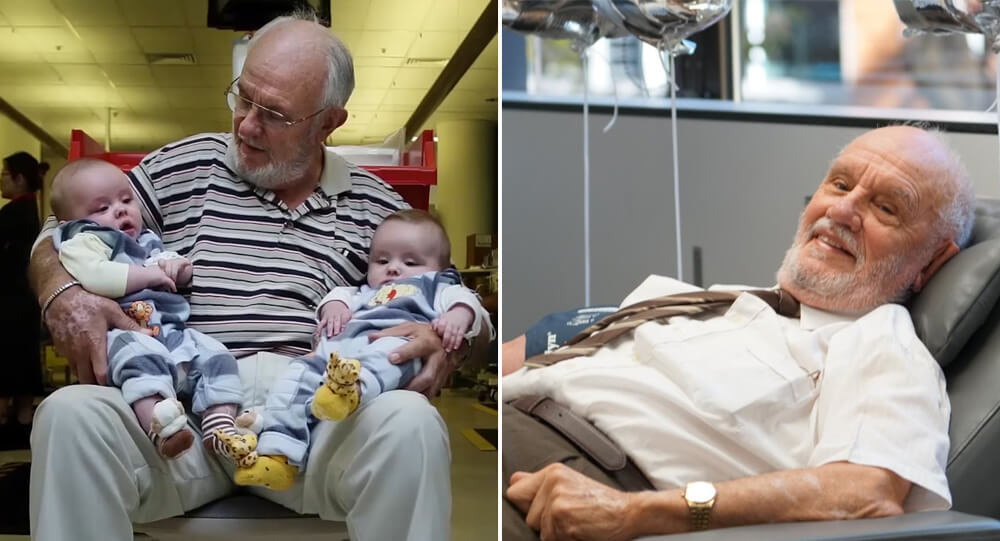
Man's Blood Helped Save Millions of Babies
Australian blood donor James Harrison has been one of our most impressive and valued donors, having donated for 60 years. Know his story, how he was a pioneer of our Anti-D program, and why this matters.


Story of Forrest Fenn and who he hid a bronze chest treasure full of gold and other jewels
Forrest Fenn, an art dealer, hid a bronze chest full of gold and other jewels somewhere in the Rocky Mountains ten years ago. In a poem, he hinted at its location. Thousands of people tried and failed to find the treasure, which is said to be worth over a million dollars, and at least four people died in the process. In June 2020, the Fenn treasure was discovered.

How Magic Johnson Missed Out On $7 Billion Nike deal
Magic Johnson turned down a deal with Nike in 1979 that offered him 100,000 shares of stock and $1 for every pair of shoes sold. Instead, he chose Converse, which offered him $100,000 per year. Johnson lost about $5 billion by declining the Nike deal.
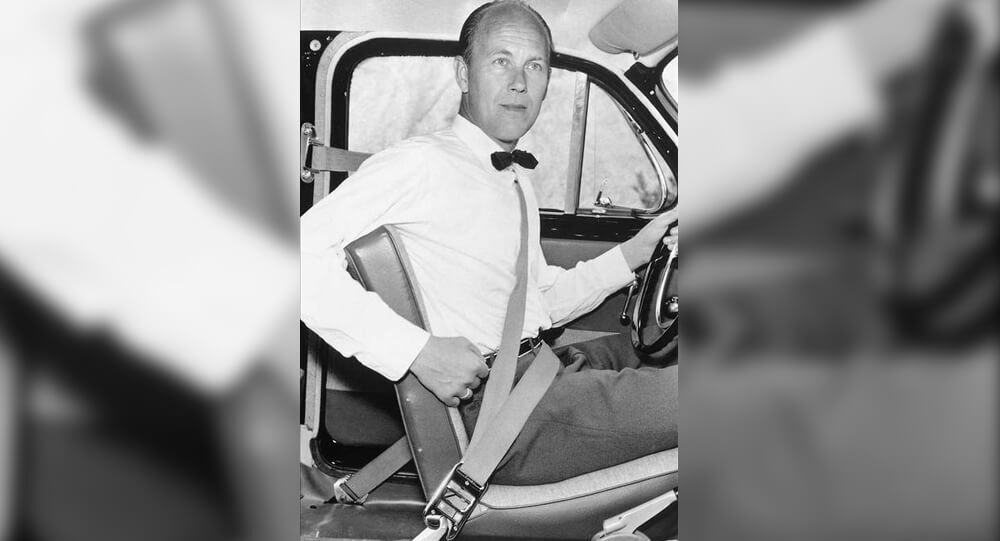
Who invented the three-point seat belt?
While employed by Volvo in 1959, Swidish engineer Nils Bohlin created the three-point safety belt. Volvo first had the design patented, but soon as they discovered its importance as a new safety measure, they made the patent open to everyone. Millions of lives were genuinely spared by Volvo’s gift to the world.

Aitzaz Hasan, Pakistani school boy who sacrificed his life from suicide bomber
Aitzaz Hasan, a 15 year old Pakistani school boy, sacrificed his life while preventing a suicide bomber from entering his school of 2000 students. His father said "My son made his mother cry but saved hundreds of mothers from crying for their children."
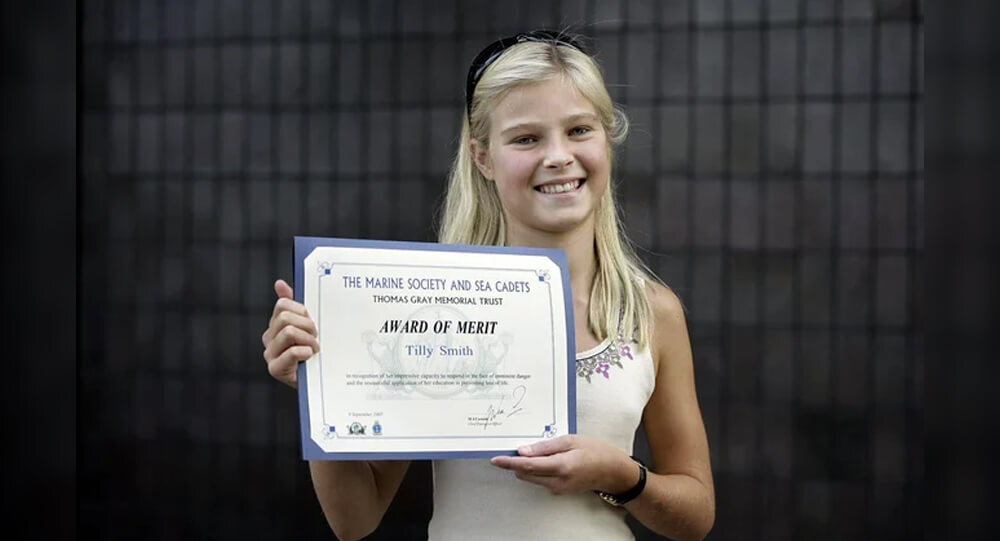
Smart girl saves her family more than 100 people in 2004 tsunami
In 2004, a 10-year-old girl saved her family and 100 other tourists from the Asian tsunami because she had learned about the giant waves in a geography lesson, it has emerged.
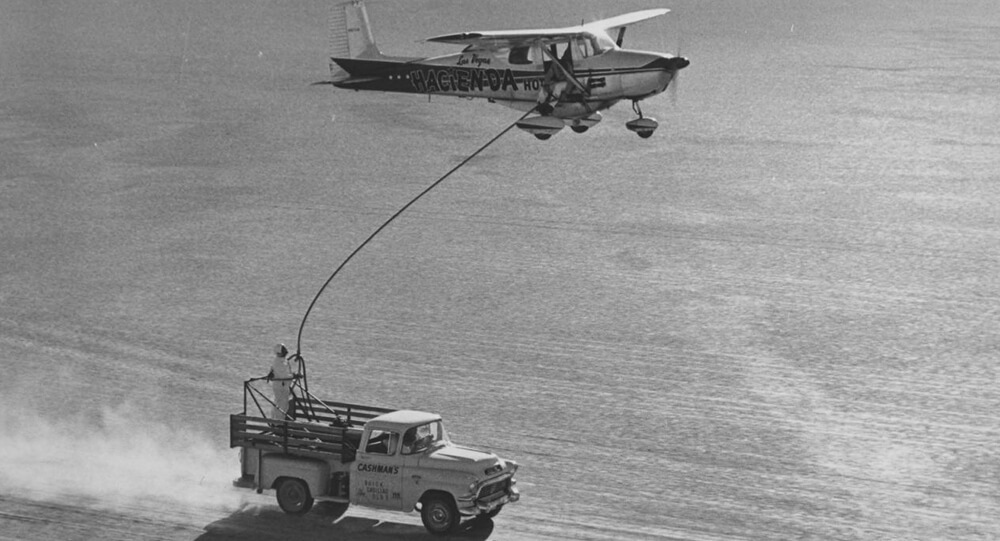
The world’s longest flight spent more than two months in the air
Roberts Timm and Jim Cook, two pilots, flew an aircraft for more than two months without landing in 1958. Matching the speed of a truck moving down the road to refuel. A mattress for sleeping, a small steel sink for personal hygiene, the removal of most interior fittings to reduce weight, and a basic autopilot were among the improvements.

World's largest iceberg breaks off Antarctica
In 1986, the iceberg known as A23a broke away from the Antarctic coast. However, it quickly grounded in the Weddell Sea, effectively turning into an ice island.

Smart guy brings life-sized cutout of his late mother to his graduation
Even though that his mother passed away in 2016, a young man had a clever idea to make a life-size cutout of her and bring it to the event so that she could attend his graduation ceremony.

Leo Grand: from homeless to mobile app developer
In 2013, A young programmer offered a homeless man the choice between $100 cash or coding lessons. Leo Grand chose the lessons, and his first mobile app was “Trees for Cars," which helps drivers find carpooling partners.

24-year-old burglar beaten by retired boxer victim
A 24-year-old knife-wielding burglar attempted to get into the home of a 72-year-old senior in Oxford, England, in 2009, but was left battered, bruised, and pinned to the ground. Frank Corti, the elderly, turned out to be a former boxing champion.

Unique Dining table with a hole for your cat to peek and join you dinner.
Dinos, a Japanese internet shop, has launched a new range of cat furniture, which includes this oak table with a hole in the middle and a perch underneath. It places your cat companion in the center of the table, making your cat the main focus of your meal, as it should be, because cats are the true proprietors of “your” home.

Man uses first-class ticket to eat for free at airport's VIP lounge for almost a year
A Chinese man purchased a First Class Ticket, which included admission to a VIP Lounge with free food. Over the course of a year, he rescheduled over 300 times in order to receive over 300 free dinners. When questioned, it was discovered that he is rescheduling his reservation to another date after eating. He eventually cancelled the ticket and got a full refund.
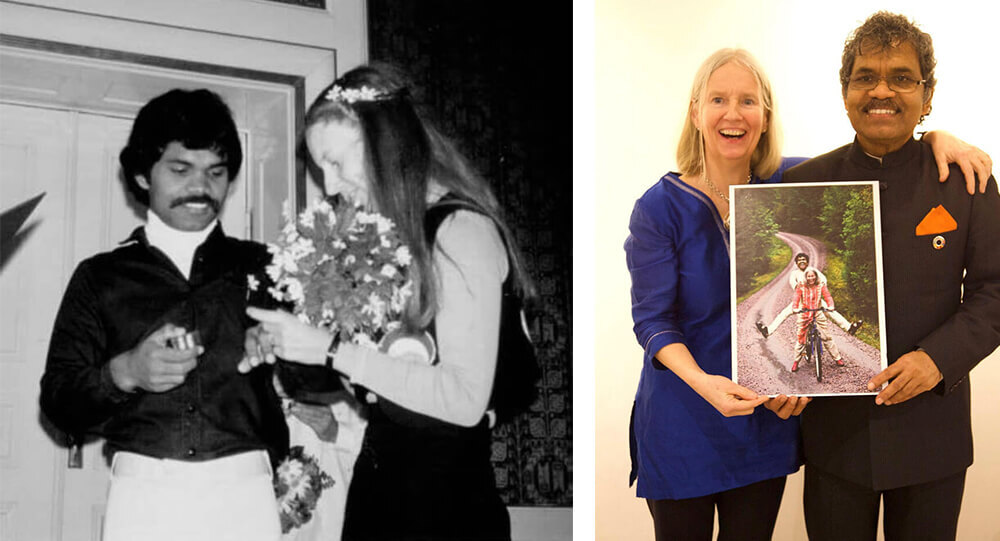
Photos: This man sold everything 45 years ago to buy a bike and travel 6,000 miles from India to Sweden to see his love.
An Indian man traveled from India to Sweden on a bicycle to meet his Swedish wife in 1978. The journey took him 4 months and through eight countries.

A woman who had been lost since she was a newborn 51 years ago was said to have been spotted
A woman who had been lost since she was a newborn for 51 years was reported to have been sighted.

How Being Bugs Bunny Helped This Voice Actor Out of Coma
Mel Blanc; the voice of Bugs Bunny, had been in a serious car accident that put him in a coma. After many unsuccessful attempts to get him to talk, a doctor asked “Bugs, can you hear me” Mel responded in the voice of bugs bunny, “Whats up, Doc? The doctors used this to lead him out of his coma.

JBJ Soul Kitchen: Bon Jovi's community restaurant
JBJ Soul Kitchen is a community restaurant by Jon Bon Jovi with no prices on the menu; customers donate to pay for their meals. If you are unable to donate you may do volunteer work in exchange for your family’s meal.

Morgan’s Wonderland, the world’s first ultra-accessible amusement park
Gordon Hartman was heartbroken when his special needs daughter, Morgan, was rejected by a group of children playing by the hotel poolside. He then set out to build a place where all children can play together. This led to the development of the world’s first ultra-accessible amusement park, Morgan’s Wonderland

Kenyan Innovator Creates Smart Gloves That Translate Sign Language Into Audible Speech
In 2023, a Kenyan inventor Roy Allela invented smart gloves that can convert sign language movements into audio speech, for his six years old niece who was born deaf.

The actions of a 7-year-old girl protected her mother from bullets
A 7-year-old girl jumped in front of her mother to save her from a man who was attempting to kill her in 2007. She was shot six times and survived, as well as saving her mother.

'Super obedient' lookout parrot trained by Brazilian drug dealers is seized by police
In 2019, police in Brazil seized a 'super obedient' lookout parrot trained by drug dealers. According to reports, the bird had been taught to alert criminals to police operations by shouting: "Mum, the police!" As soon as the police got close, he started shouting.
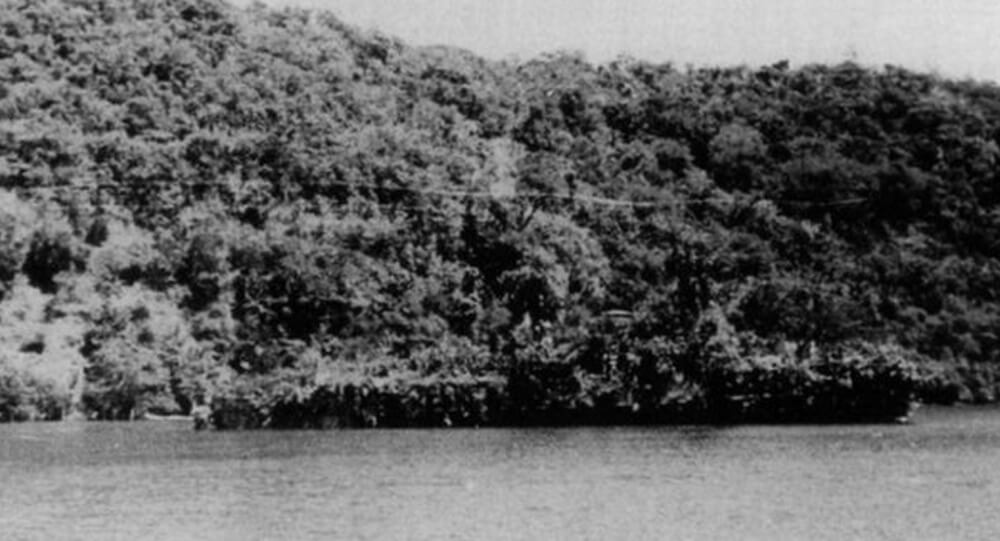
Abraham Crijnssen – The Ship That Disguised Itself As An Island
During World War II a Dutch minesweeper evaded the Japanese for eight days disguised as an island. The crew covered the decks in cut trees and painted exposed surfaces to look like rocks. They moved only at night and anchored closed to shore by day, eventually escaping to Australia.