
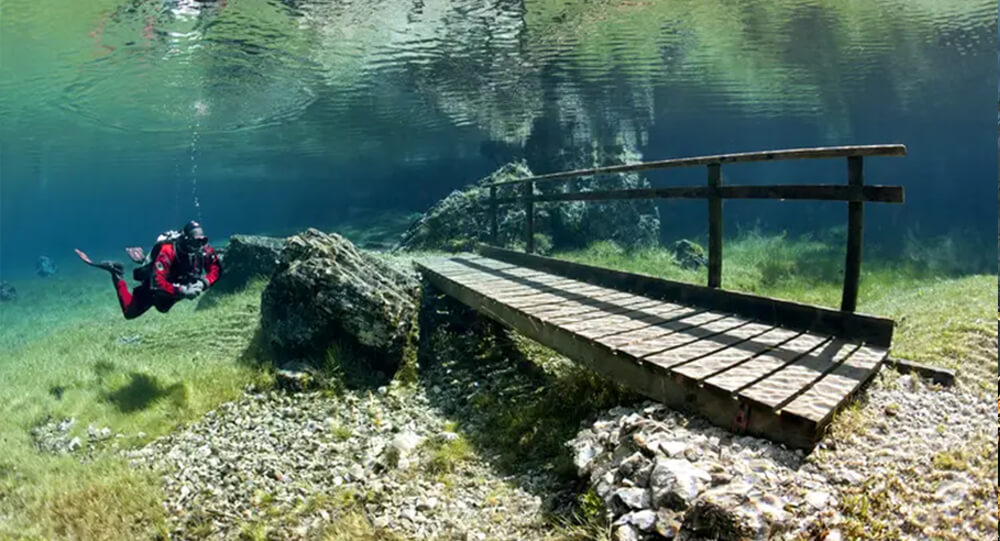

Grüner See, The Park That Turns Into A Giant Lake Naturally
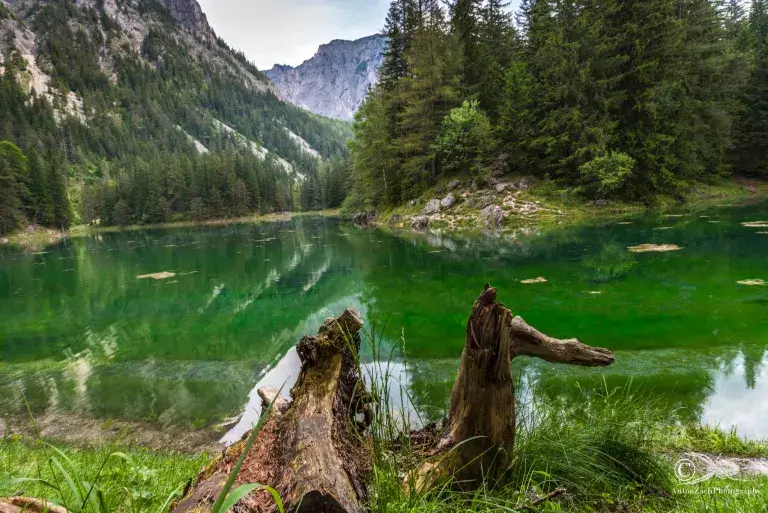
Austria is by far one of the most magical European countries, with breathtaking scenery and natural wonders. Aside from its ski resorts and tall mountain peaks, Grüner See, or Green Lake, is a natural treasure found nowhere else in the world.
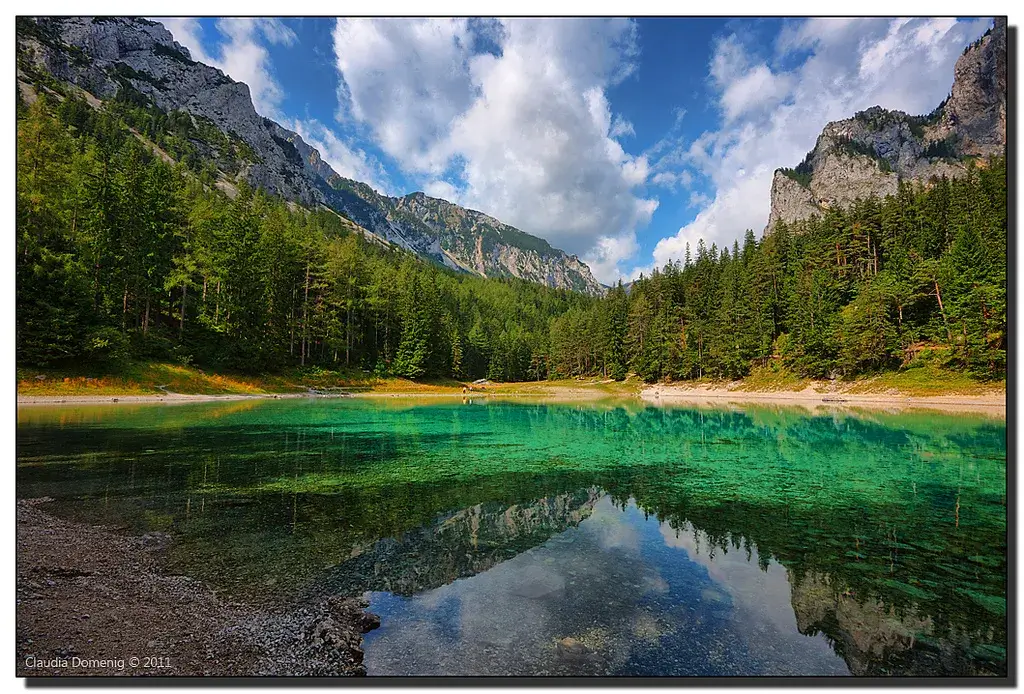
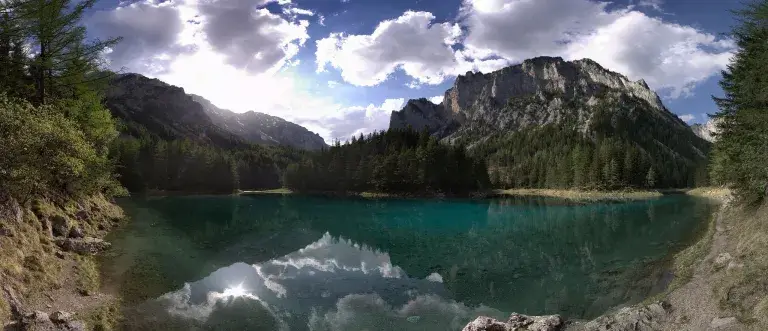
This lake, located at the foot of the Hochschwab mountains, does not appear to have any special features. During the winter, the water is no deeper than 6 feet. The nearby park is used for hiking. However, as spring approaches, something unbelievable begins to happen.
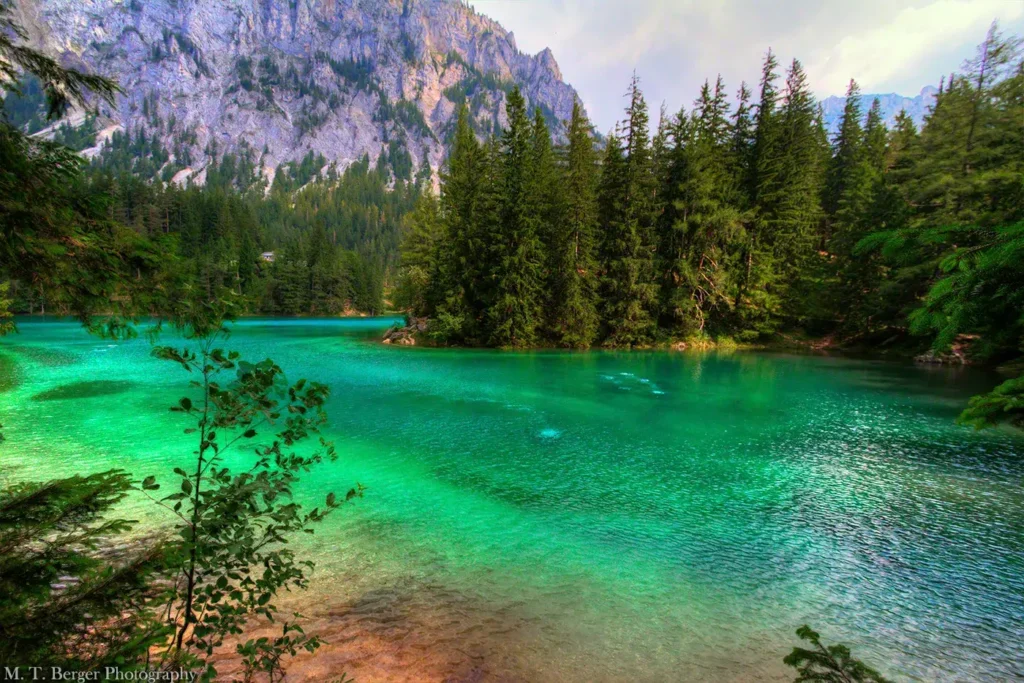
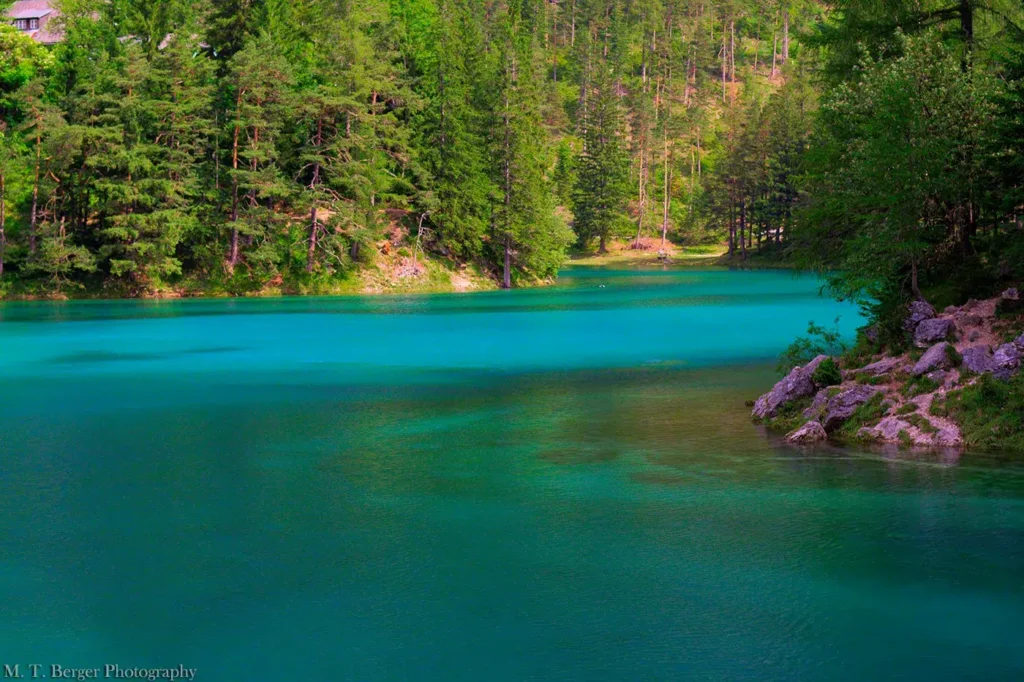
As the temperature rises, the lake expands and can reach a depth of 40 feet, covering the entire park’s surface. The site becomes a popular summer destination for divers, who can explore the park directly beneath the water. In addition, the grass at the bottom causes the water to turn a bright green. As you dive into the lake, you’ll notice benches, bridges, and trees that form an impressive underwater landscape.
As winter arrives, the lake returns to its 6-foot-deep depth as if nothing had happened. Regardless of the explanation, this location provides a once-in-a-lifetime experience.
Related Articles
- Top 10 Mysterious And Least Explored Places On Earth
- Qasr al-Farid, the Lonely Castle of the Nabataeans
- Circular Bridge Built To Slow Down Drivers So That They Would Enjoy The View (Photos)
- How Were the Two Parts of the Al Naslaa Rock Formation Created?
Top 6 Largest Meteorites Ever Found on Earth
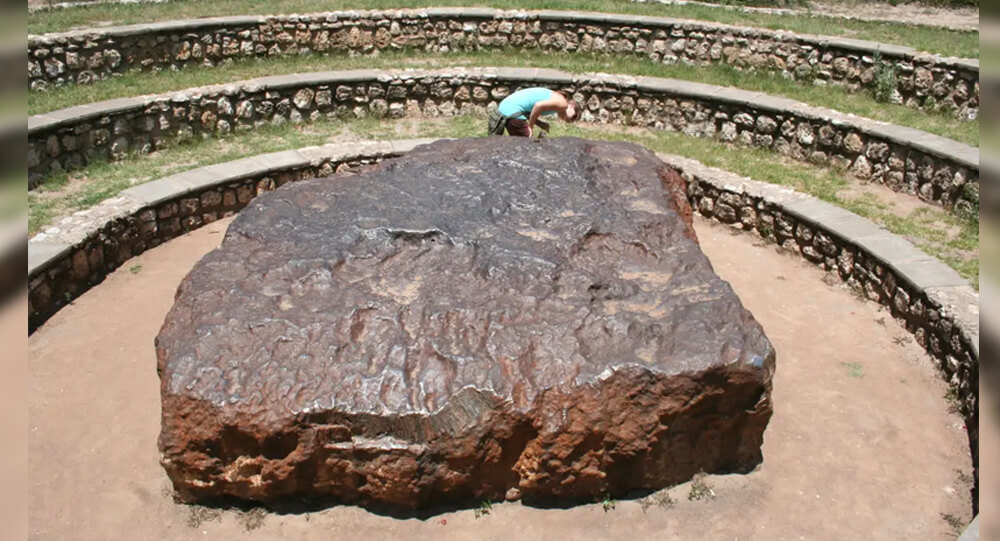
When space meteorites hurtle towards Earth, they frequently burn up in the atmosphere before reaching us. Those that burn up become meteors - or shooting stars.

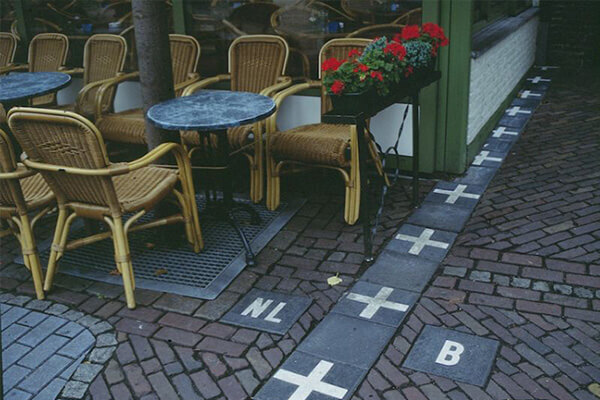
Coolest and unique international boarders you must see
Not only do borders define us, but they also determine who we are. Simple lines on the ground, either man-made or geological, distinguish one culture from the next.
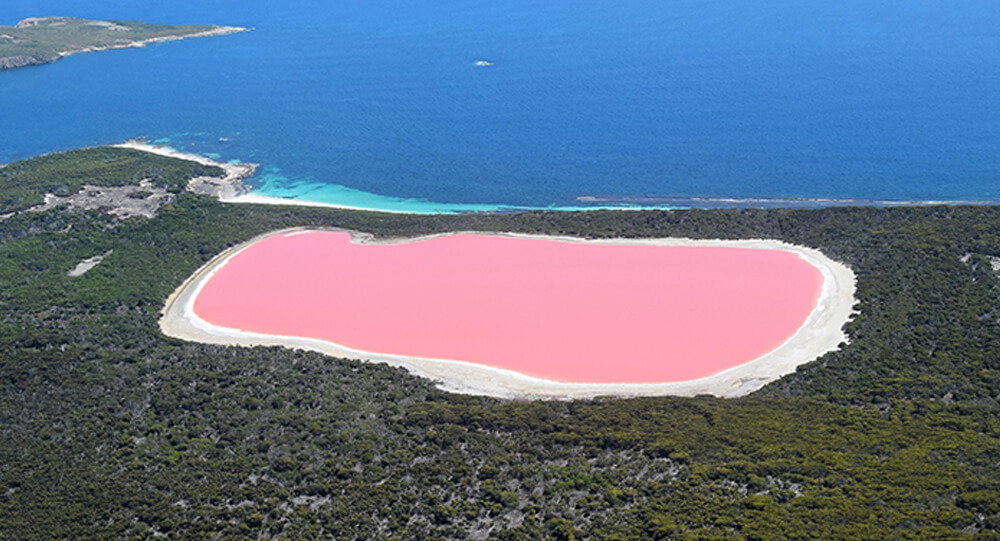
What is secret behind the Australia’s mysterious pink lake?
Lake Hillier in Australia maintains a bright pink hue all year round. Although no one knows for sure what causes the unique coloring, experts speculate that it might be the result of high salinity, a pink bacteria called “halobacteria,” and a salt-loving algae species called Dunaliella salina.
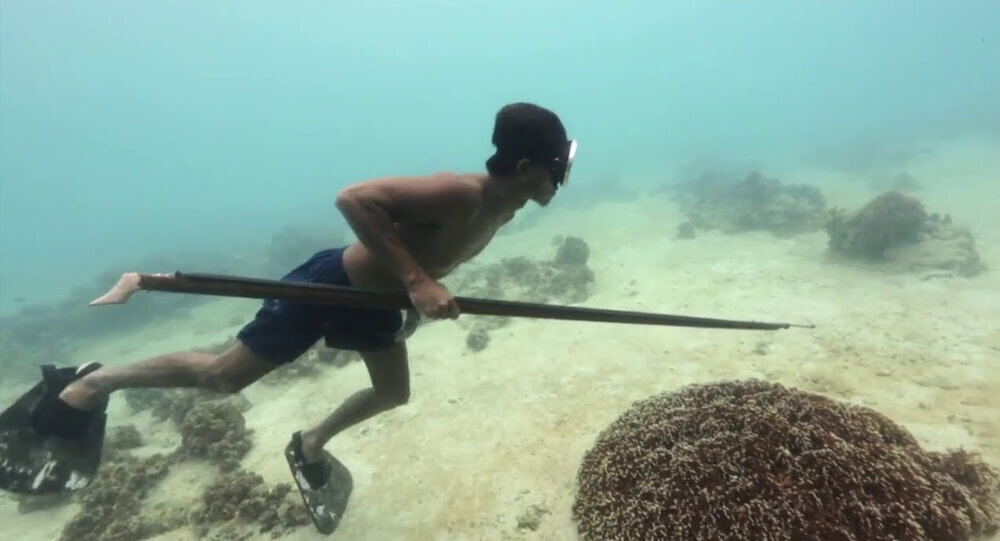
The unusual ability of 'sea nomads' to hold breath is due to one major organ
The Bajau are a group of people that practice extreme free diving, submerging for up to 13 minutes at depths of about 200 feet. These ‘sea nomads’ dive to catch fish or look for natural materials that can be used in crafts in the waters that surround the Philippines, Malaysia, and Indonesia.
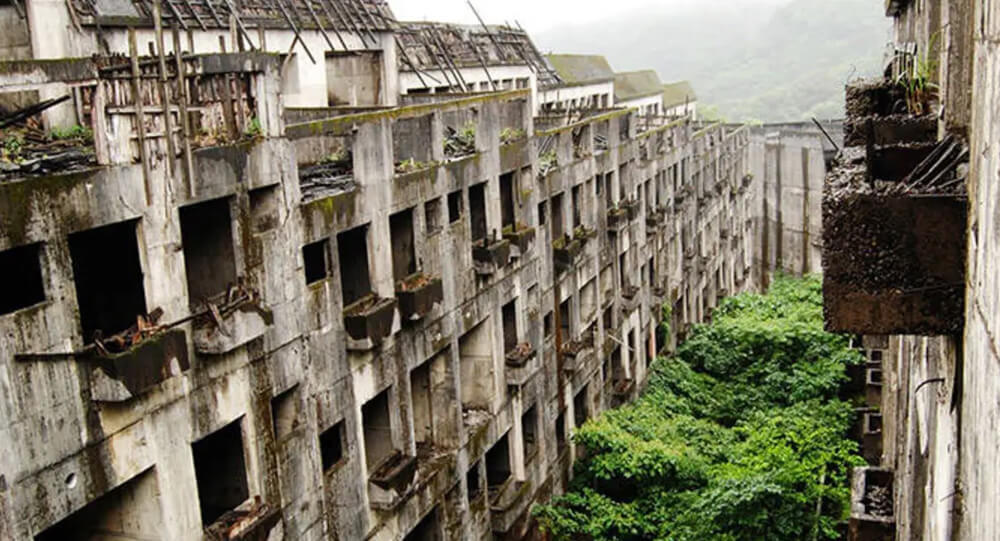
Famous abandoned cities and ghost towns in the world
Learn the stories behind seven of the world's most renowned abandoned cities and villages, from the infamous Chernobyl nuclear catastrophe zone to Hashima Island.
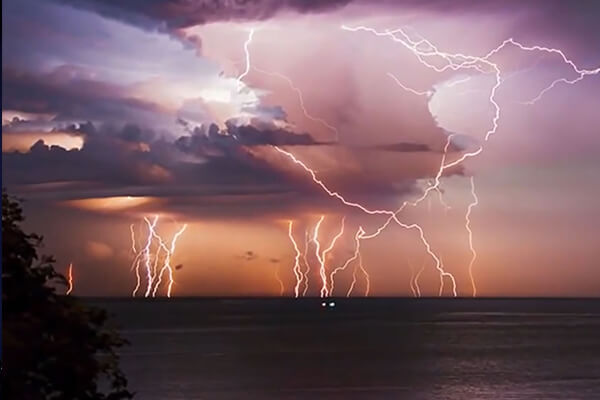
8 most amazing natural phenomena on earth
Nature is elusive and unpredictable, and the unexplained manifestations of its influence often leave us speechless. Though you might believe that shifting rocks and blood-colored rain are a prank or a magical phenomenon, science has an explanation for (almost) anything.
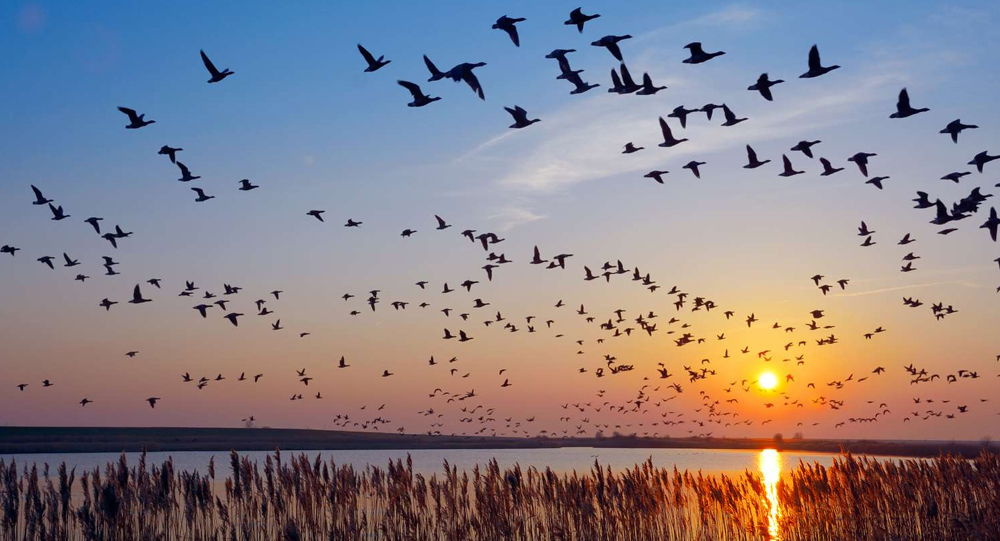
How Migratory Birds Navigate Thousands of Miles Without Getting Lost
Migratory birds undertake epic journeys spanning thousands of miles with astonishing precision, never losing their way. Their secret lies in a remarkable blend of innate senses, learned experience, and sophisticated navigation tools—ranging from the Earth's magnetic field to celestial clues and mental maps. Explore how these feathered travelers accomplish one of nature's most astounding feats through science, intuition, and adaptation.
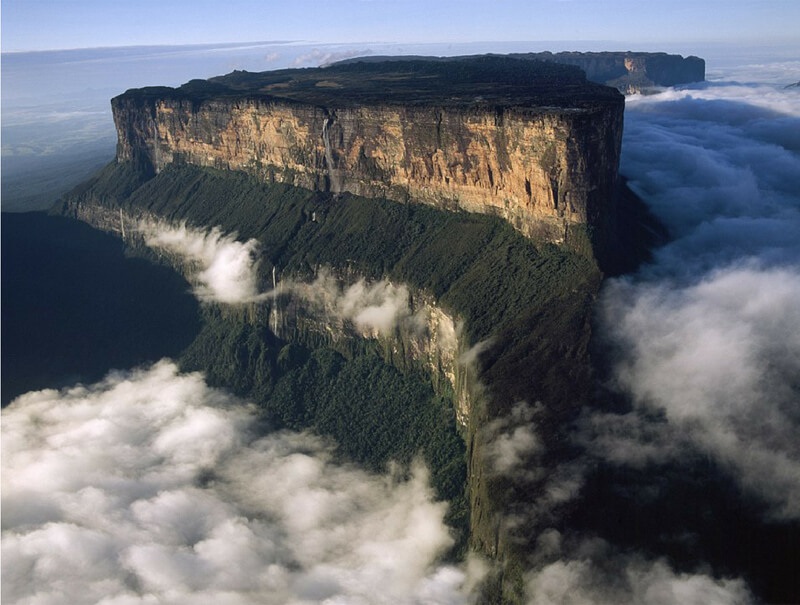
Top 10 Mysterious And Least Explored Places On Earth
Some people believe that there is nothing unexplored remaining on earth but the world doesn't cease to surprise us with its mysteries. Today I'll tell you about the lost places of the planet and animals that live only there.
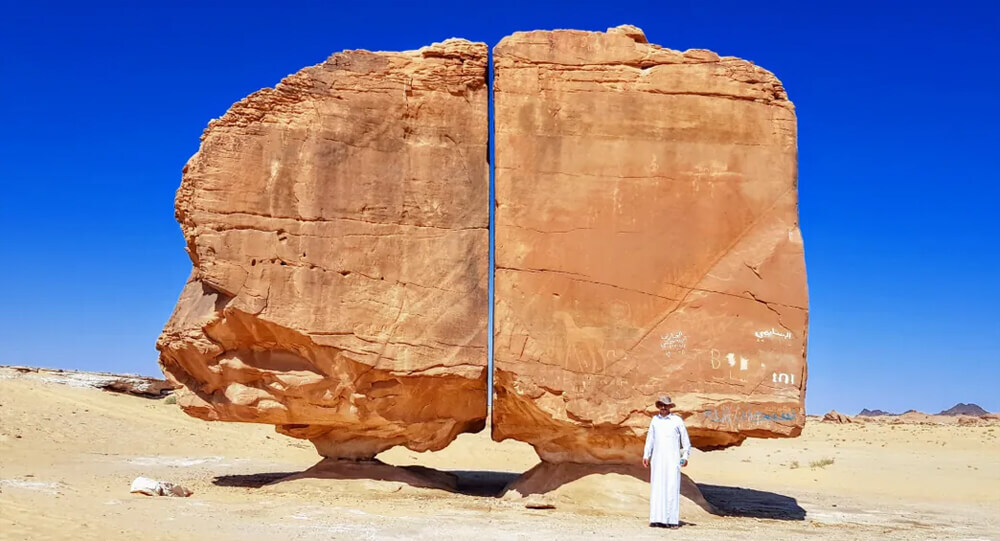
How Were the Two Parts of the Al Naslaa Rock Formation Created?
Scientists have been puzzled by the Al Naslaa rock formation in Saudi Arabia for a long time, and there is still no explanation for why this boulder appears to have a precise incision across the middle of it.
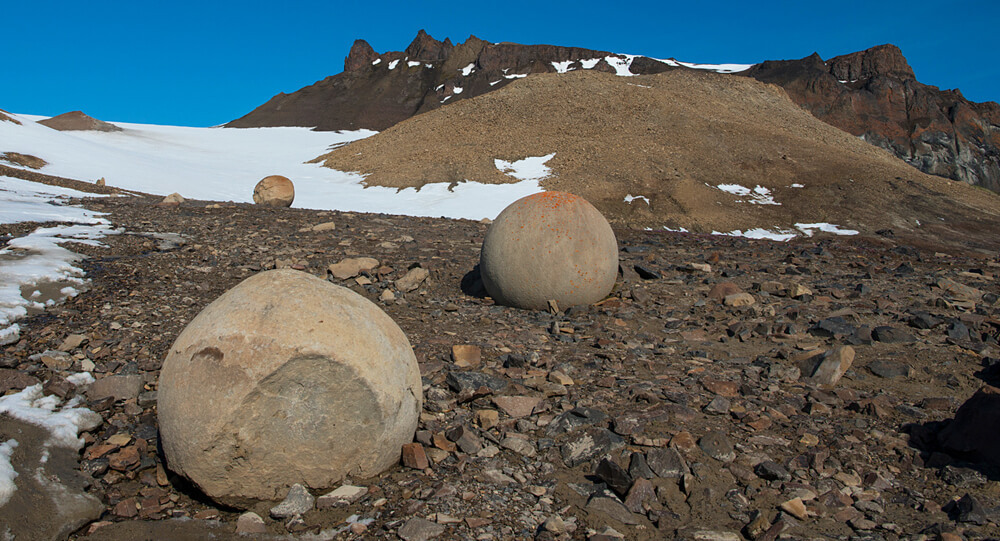
The mysterious GIANT spherical stones
Mysterious spherical stones ranging in size from a few millimeters to several meters have been discovered in Crimea, United States, Russia, and New Zealand. There are many theories from various geologists, but none of them are clear.
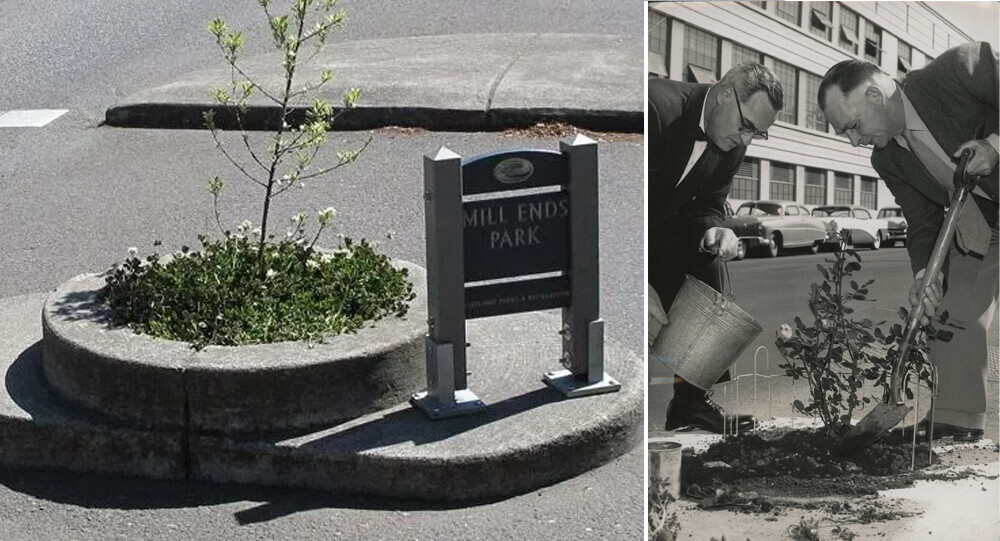
Mill Ends Park, the Smallest Park in the World
Portland, Oregon is home to the tiniest park in the world, a two-foot-diameter circle. Mill End Park is the name of this park.
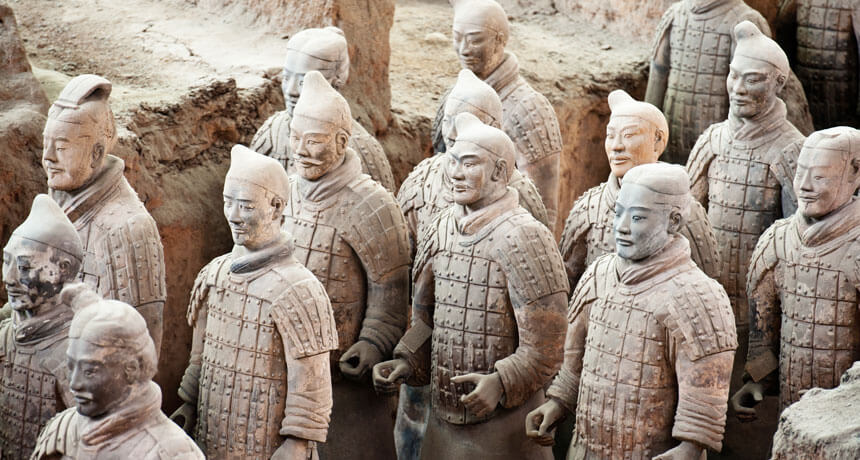
Top 10 Greatest and shocking Archaeological Discoveries of All Time
While we're all locked at home, there's no better way to escape to another time and place than to learn about amazing archeological sites and discoveries from around the world. Here are the 10 greatest and shocking archaeological discoveries —and don't be shocked if they inspire future trip plans whenever it's safe to do so again.
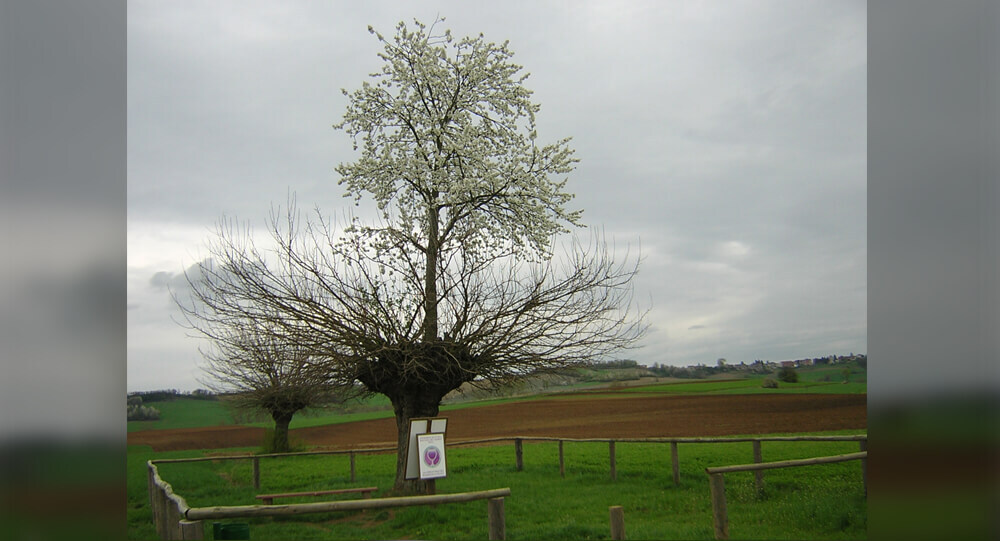
The Unique Grana Double Tree of Piedmont, Italy
The “Grana Double Tree” in Piedmont, Italy is a highly unusual tree, which consists of a cherry tree growing atop a mulberry tree. It is essentially a two-species, two-tiered hybrid duplex.
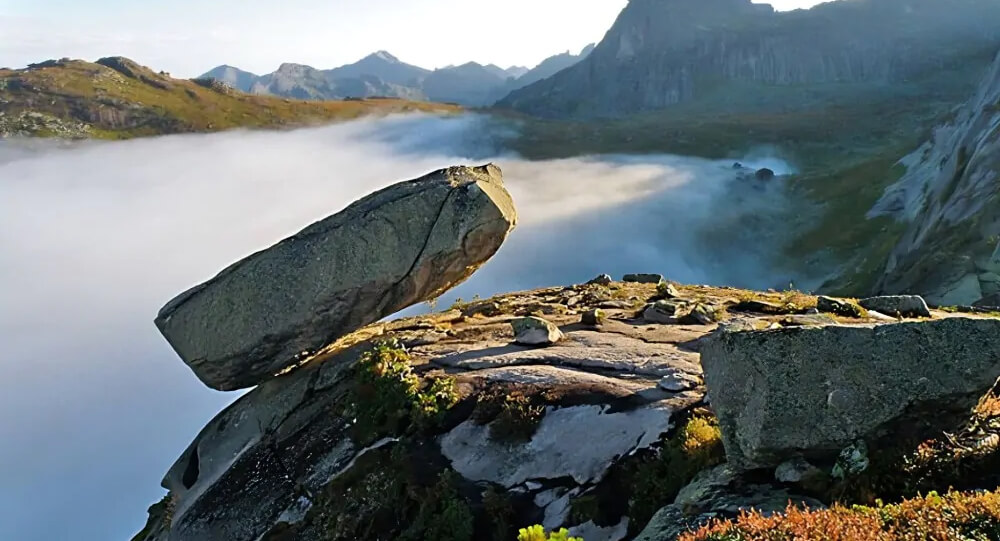
The Amazing Hanging Stone in Siberia Has Defied Gravity Since the Ice Age
The unbelievable "Hanging Stone" of Siberia weighs around 300 tons and has been hanging off a 1,000-meter cliff since the Ice Age.

Sandy Island: The Phantom Island That Fooled Maps and Google Earth for Centuries
Sandy Island, charted since 1774, was long considered a phantom island in the Coral Sea. Despite appearing on maps and Google Earth, it was "undiscovered" by scientists in 2012, revealing only deep ocean instead of land. The island's existence was likely a cartographic error or a misidentified pumice raft.

The Tiny Street in Scotland That Holds the Record as the World’s Shortest
Nestled in the northern Scottish town of Wick, Ebenezer Place may be small, but it packs a world record punch. Measuring only 6 feet 9 inches (2.06 meters) long and boasting just a single address—the front door of Mackay’s Hotel—this narrow street has earned its place in the Guinness Book of World Records as the shortest street on the planet. Officially declared a street in 1887, Ebenezer Place delights visitors with its quirky charm and unique history that highlights how even the tiniest places can capture global attention.
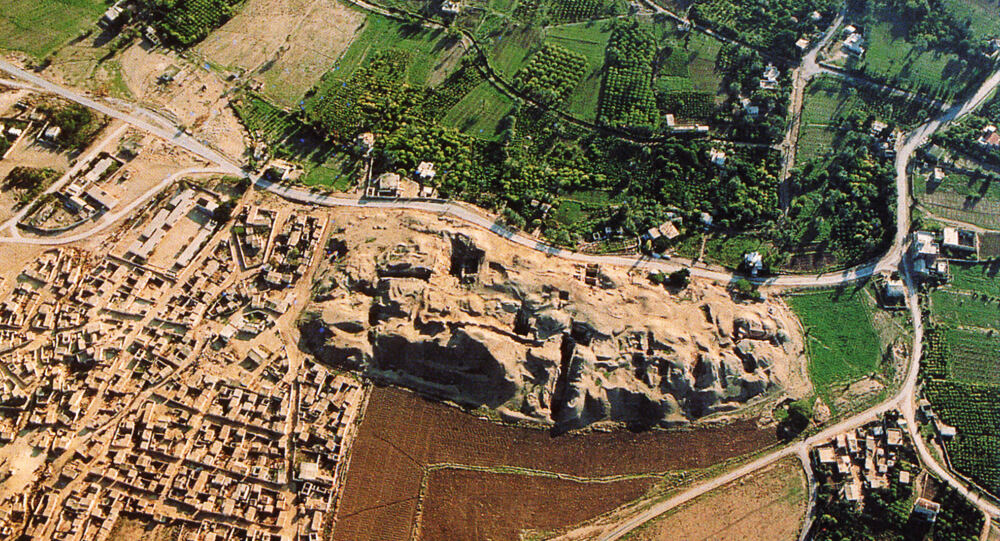
Ancient Jericho: The First Walled City In History
The ancient city of Jericho is the world's oldest walled city, with evidence of stone fortifications dating back nearly 9000 years.
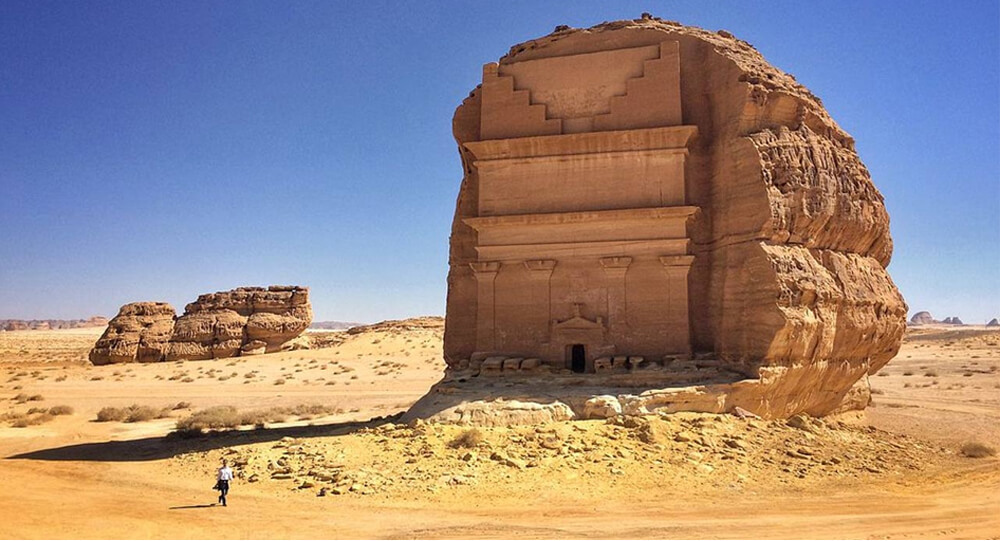
Qasr al-Farid, the Lonely Castle of the Nabataeans
The remote tomb of Qasr al-Farid, situated in the Saudi Arabian desert, dates back to the 1st Century CE. It was built by the Nabataean people, who also built Petra in Jordan. This site has remained largely undisturbed.
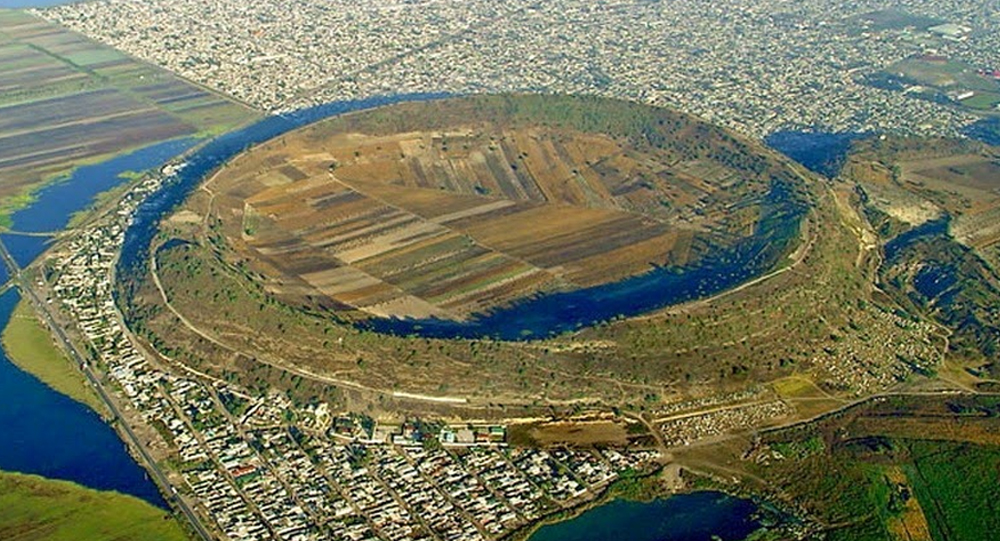
How Xico in Mexico Transformed from Volcano to Lake to Farmland
Xico, located near Mexico City, has a fascinating geological and cultural history that tells a story of transformation—once a violent volcano, then a serene lake, and today a fertile expanse of farmland. This transformation reflects the dynamic forces of nature and human intervention over centuries. This article explores the journey of Xico’s volcanic crater from its fiery origins through its time as a lake and how it ultimately became rich soil supporting agriculture and community life.
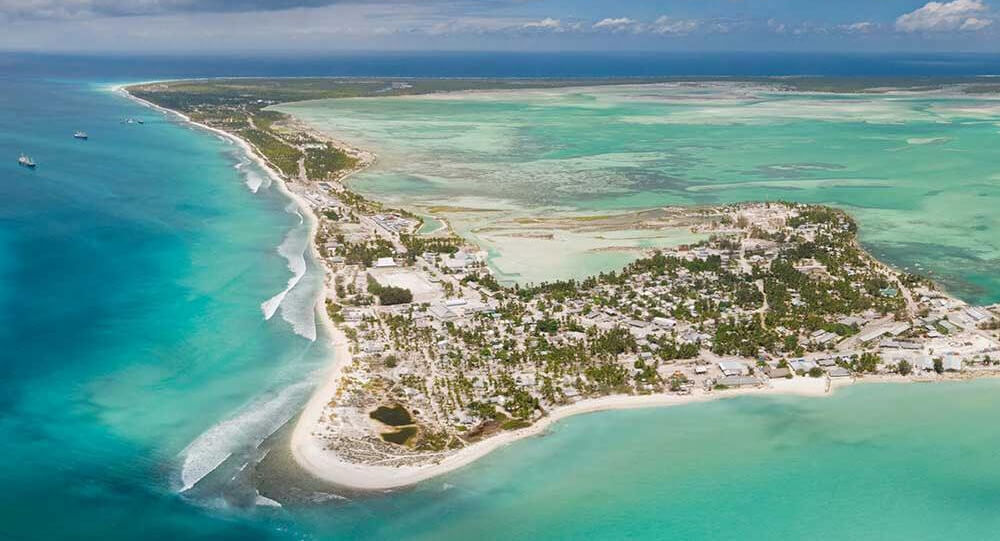
9 countries at risk of disappearing due to climate change
Although global warming is a serious threat to the entire planet, some geographical regions are more vulnerable to its effects.
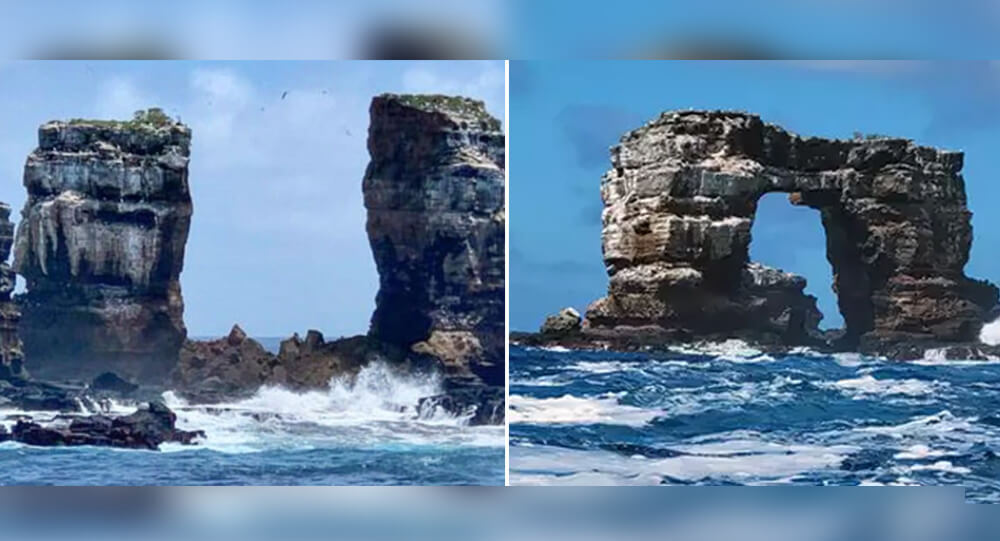
Darwin's Arch collapse
According to news sources, the top of Darwin's Arch, a famous natural stone archway in the northern Galapagos Islands, has collapsed into the waves.
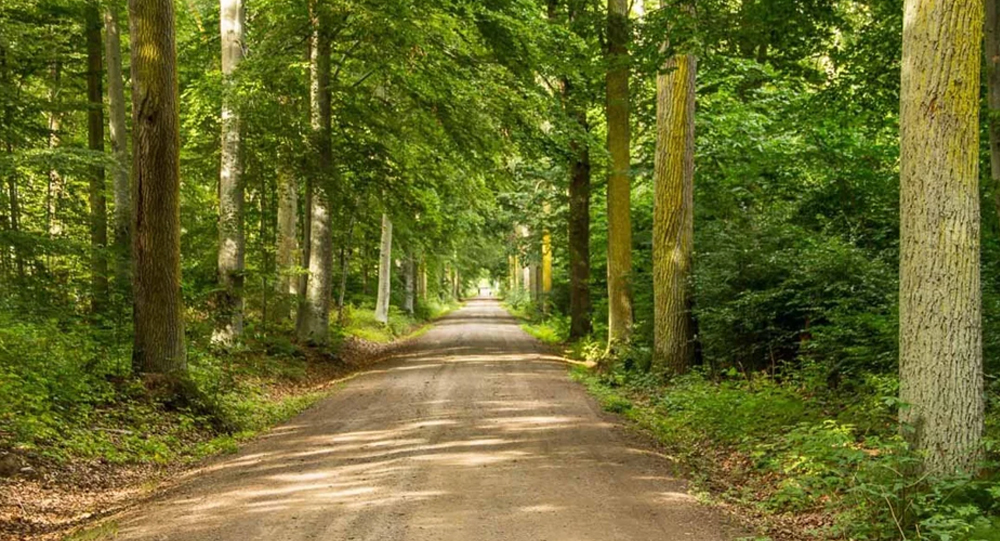
How Sweden’s 300,000 Oak Trees Became an Unintended Legacy: The Naval Forest That Outlived Wooden Warships
In the 1830s, Sweden planted 300,000 oak trees for the purpose of building naval ships. However, by the time the trees matured, metal warships had replaced the need for wooden ones. The forest still stands to this day.
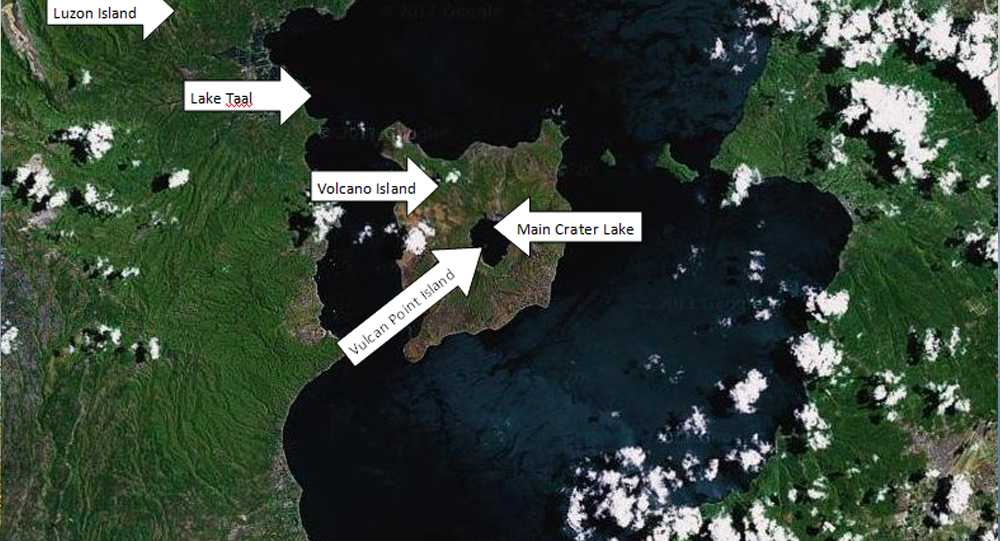
Taal volcano: The Island in a Lake on an Island in a Lake on an Island
Lake Taal, on the island of Luzon, in the Philippines archipelago's northernmost reaches, is unique. It's now one of just two lakes in the world with a third-order island within it, with the lake itself being a part of the order. In other words, Lake Taal, which is located on the island of Luzon, has a volcano (Volcano Island), a lake (Crater Lake), and its own little island (Vulcan Point).
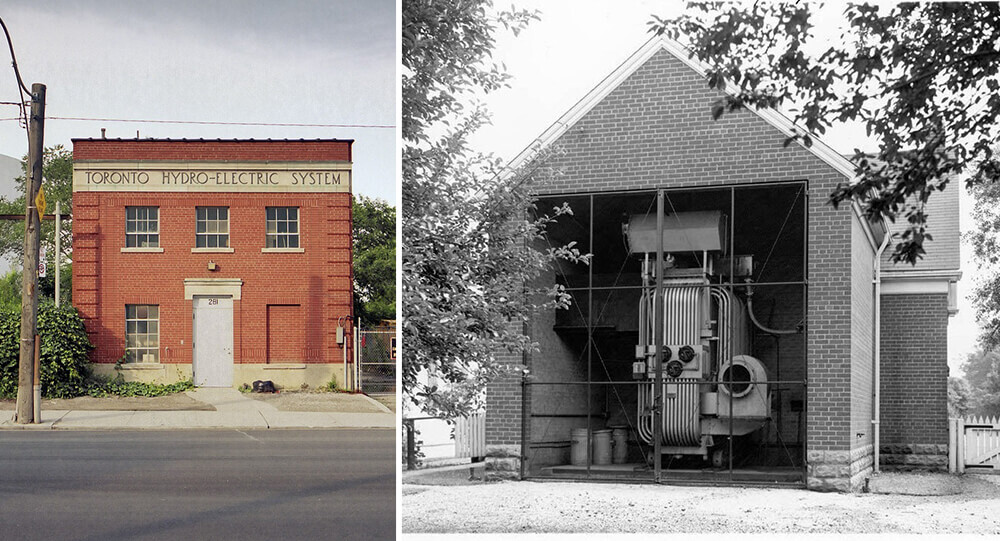
Toronto’s Camouflaged Electric Substations
For over a century, Canada’s second-largest power company has been disguising its electrical substations in Toronto as beautiful houses that blend perfectly with the neighborhood. These fake houses contain transformers that supply electricity throughout the city.
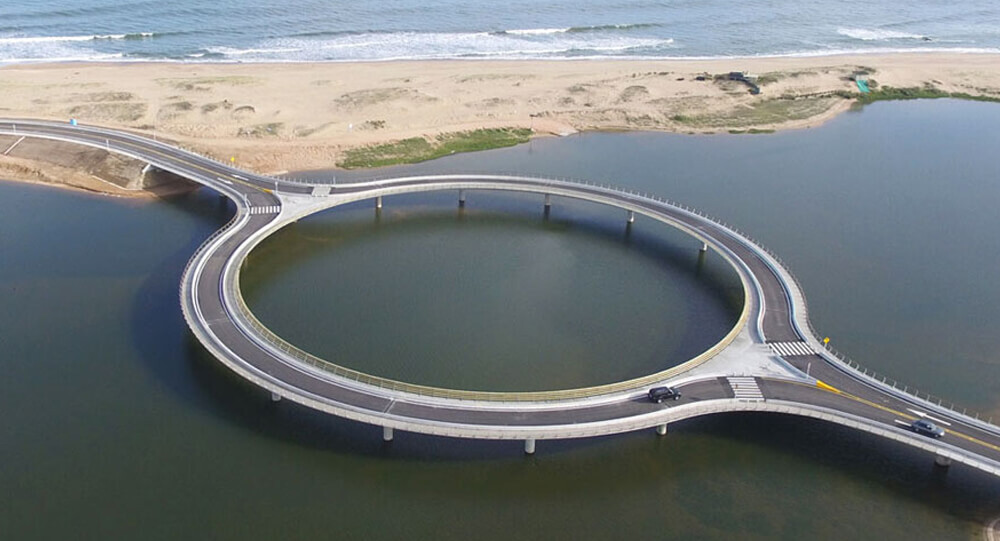
Circular Bridge Built To Slow Down Drivers So That They Would Enjoy The View (Photos)
Uruguay’s Laguna Garzon Bridge splits into a circle so drivers can slow down and enjoy the view. It also prevents head-on collisions and creates a walkway for pedestrians.