
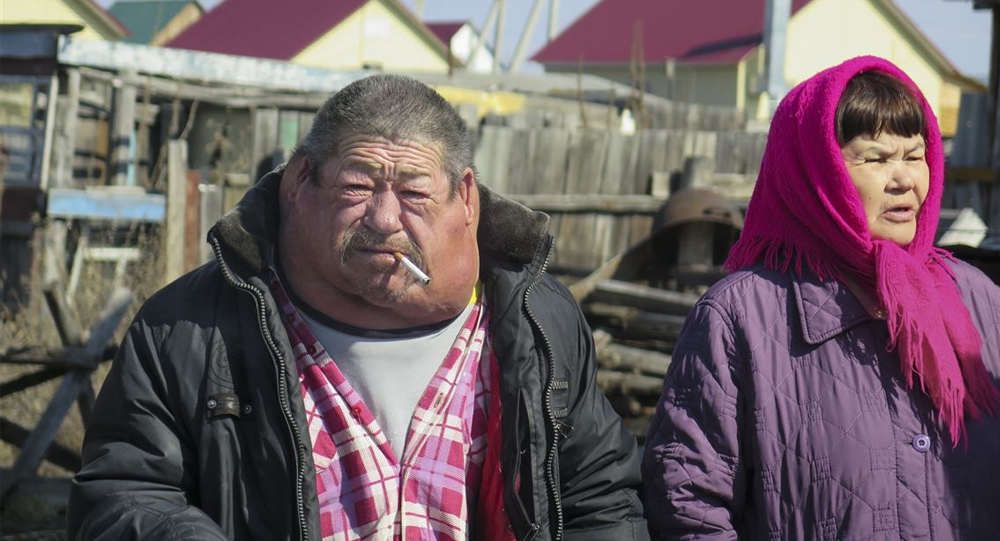

Vakil Batirshin’s Story: How Radiation Exposure Caused Severe Lymph Node Swelling
In an unsettling glimpse into the hidden aftermath of radioactive exposure, Vakil Batirshin’s case offers a powerful testament to the often delayed and enduring damage radiation can inflict on the human body. Known for his severely swollen lymph nodes—an affliction linked to intense radiation exposure—Vakil’s condition underscores the grim reality faced by many living near nuclear disaster zones or contaminated sites.
The Unseen Effects of Radiation: How It Targets the Lymphatic System
Radiation’s impact on health is well-documented, but what is less widely known is its profound effect on the lymphatic system. Lymph nodes, responsible for filtering harmful substances and producing immune cells, are highly sensitive to radiation. Exposure to ionizing radiation can lead to depletion of lymphocytes (immune cells), followed by fatty degeneration and eventually fibrosis (hardening and scarring) of the lymph nodes.
For Vakil, this process manifested as visibly enlarged and swollen lymph nodes, which hinder lymphatic drainage, causing persistent swelling, inflammation, and increased risk of infections like cellulitis. This condition—lymphadenopathy in the context of radiation damage—does not always appear immediately but can surface months or years after initial exposure. It reflects a gradual breakdown in the body’s ability to maintain fluid balance and immune defense.
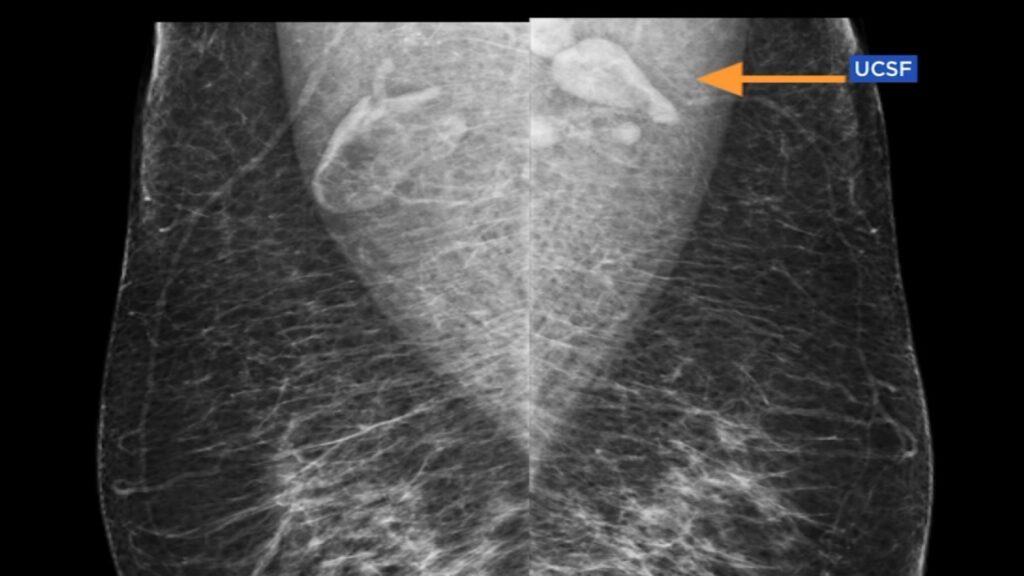
What makes radiation exposure especially dangerous is its insidious timing. Effects such as cancers, cardiovascular diseases, and lymphatic damage often take years or decades to develop, complicating diagnosis and treatment. This latency period means individuals like Vakil may live seemingly normal lives before symptoms emerge, often with limited medical options.
Scientific studies reinforce that survivors of nuclear events, from Hiroshima and Nagasaki to Chernobyl and Mayak, face increased risks of solid tumors, leukemia, and chronic conditions due to radiation-induced damage on cells and tissues throughout the body.
The Human Story Behind the Science

Vakil Batirshin reportedly lived in Ozersk (also known as City 40), a secretive Russian city dominated by the Mayak nuclear facility, notorious for nuclear accidents and radioactive pollution. Despite official warnings, many residents remained there, unknowingly exposed to high radiation levels.
Vakil’s case illustrates not just a medical phenomenon but a human tragedy. His swelled lymph nodes are a visual marker of the nuclear disaster’s human cost—living proof of radiation’s destructive power far beyond the initial blasts or leaks.
Why Nuclear Safety and Medical Support Matter
Cases like Vakil’s drive home the urgent need for rigorous nuclear safety, transparent monitoring, and long-term health support for affected populations. Preventing exposure is paramount, as radiation damage accumulates silently and relentlessly.
Moreover, ongoing medical care for radiation victims must address complex symptoms, such as lymphedema and immune dysfunction, through multidisciplinary approaches involving surgery, physiotherapy, and infection management. Advances in radiobiology continue to seek ways to mitigate late radiation effects and improve quality of life for survivors.
Fascinating Trivia About Radiation and Lymphatic Damage
- Lymph nodes are among the most radiosensitive tissues in the body, with radiation triggering a depletion of immune cells followed by fibrosis.
- Radiation-induced lymphedema is a well-known complication in cancer patients receiving radiotherapy, especially when lymph nodes are irradiated or surgically removed.
- Long-term survivors of atomic bombings have shown increased frequencies of solid cancers linked to radiation doses, highlighting the cancer risk associated with exposure.
- Despite passing some threshold doses swiftly causing acute symptoms, many radiation effects only become apparent after extended latency periods.
- Radiation exposure can damage DNA, increasing the chances of mutations that lead to cancers and chronic illnesses.
- Fibrosis in lymph nodes can severely impair immune filtering, contributing to chronic inflammation and susceptibility to infections.
A Warning and a Call for Compassion
Vakil Batirshin’s swollen lymph nodes tell a painful story of radiation’s lasting imprint—a story of science, humanity, and caution. His condition highlights why nuclear safety must be a global priority and why victims of exposure deserve lifelong medical attention and empathy.
Radiation’s threat extends beyond immediate crises, persisting quietly in bodies and communities. By understanding and sharing stories like Vakil’s, we deepen awareness and strengthen resolve to protect current and future generations.
If this profound insight into radiation’s long-term effects moved you, please share it to promote nuclear safety awareness, medical support for survivors, and respect for those living with invisible scars.
Sources & Further Reading:
- Interview with Vakil Batirshin on Radiation Illness — Morbid Knowledgetwitter
- The Impact of Radiation on Lymphedema — PMC Articlepmc.ncbi.nlm.nih
- Radiation Health Effects — US EPAepa
- Radiation-Induced Lymph Node Fibrosis — Karger Publisherskarger
- Radiation Health Effects — Canadian Nuclear Safety Commissioncnsc-ccsn
- Long-Term Effects of Radiation Exposure on Health — PubMedpubmed.ncbi.nlm.nih
- Russia’s Nuclear Nightmares and Radiation Impact — Daily Heralddailyherald


Upside-Down Fig Tree From The Roof Of An Ancient Ruin in Italy
There is an upside-down fig tree in Bacoli, Italy. No one is quite sure how the fig tree ended up there or how it survived, but year after year, it continues to grow downwards and bear figs.

Recipient of suicide victim's heart kills himself 12 years later
In 1995, Sonny Graham received a transplanted heart from a suicide victim. He then committed suicide in the very same manner as the donor.
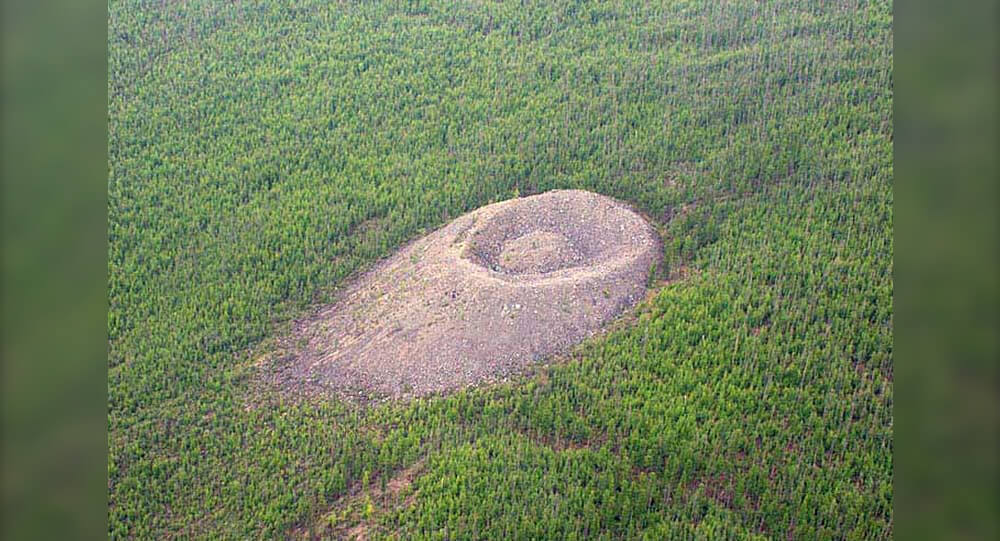
What Caused The Mysterious Patomskiy Crater in Siberia?
Discovered in 1949, the Patomskiy Crater resembles a huge convex cone with a funnel-shaped recess and a rounded hill in the middle, which looks like an eagle’s nest with an egg nestled inside it. The crater’s origin is a mystery that has baffled scientists for decades.
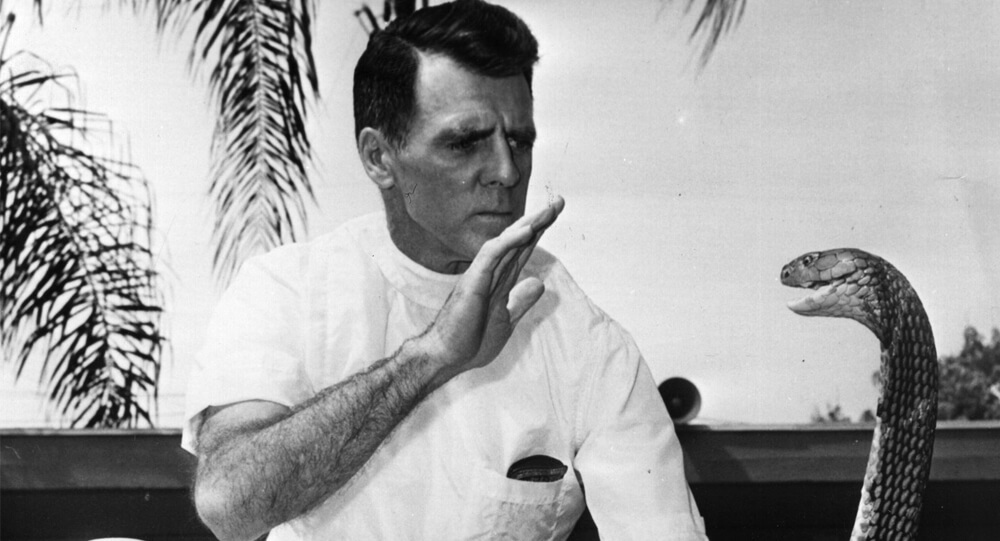
The story of Bill Haast, who lived to be 100 despite his extensive snake venom injections
Bill Haast immunized himself by injecting snake venom into his blood for several years. He holds the Guinness World Record for surviving the most lethal snake bites, having been bitten over 172 times. Bill became known as "Snake Man" around the world and lived for over 100 years.

The Bizarre (And Magical) Duel Between Chung Ling Soo And Ching Ling Foo
Ching Ling Foo and Chung Ling Soo were two magicians from the early 20th century who were bitter rivals. While Ching Ling Foo was genuinely Chinese, Chung Ling Soo was actually a New Yorker named William Robinson.
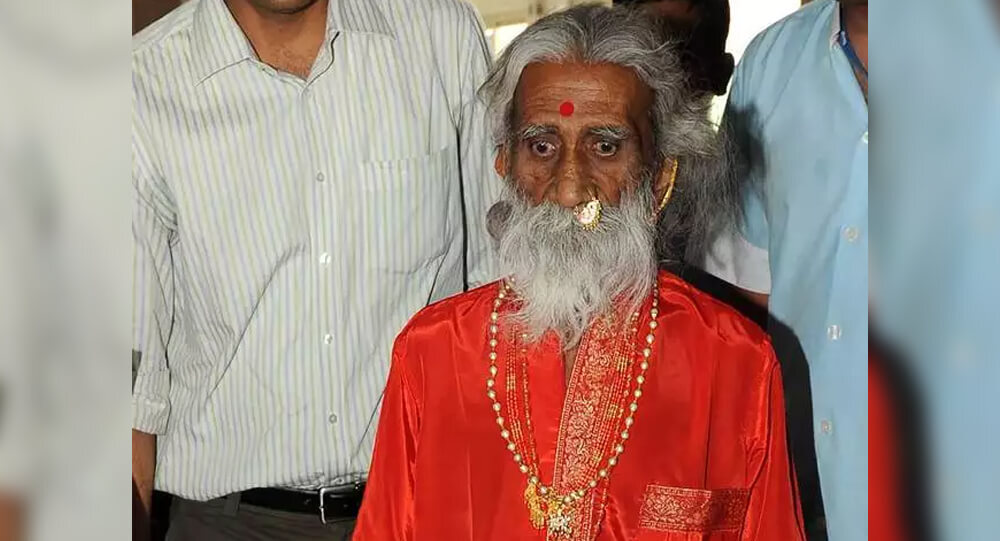
This Yogi Spent 76 Years Without Eating or Drinking Anything and Confirmed by
Prahlad Jani, the starving monk who lived 76 Years without food and water.
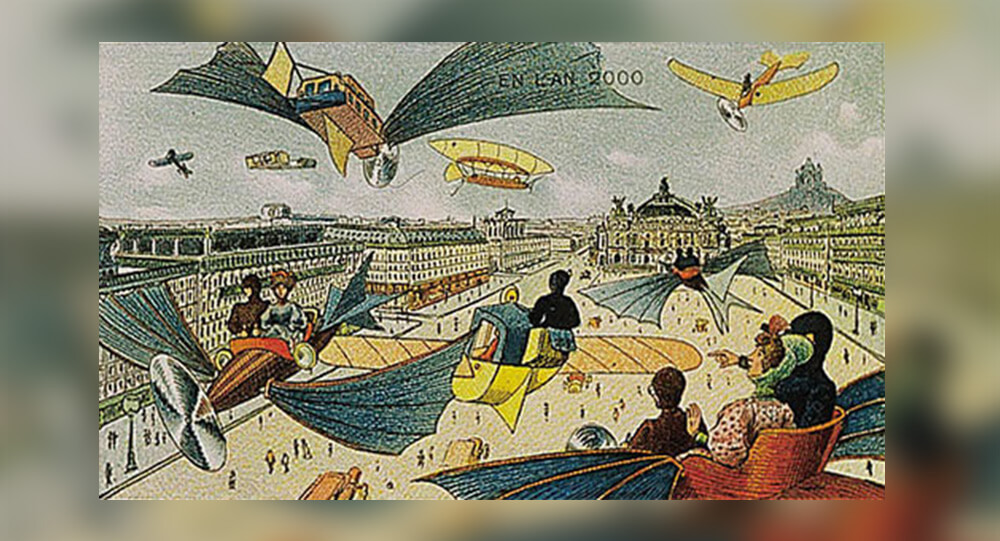
the world from someone predicting 2000 from a guy in 1910
Villemard, a French artist, illustrated how he imagined the future would be in the year 2000 in 1910.

Thousands of Rare "Ice Eggs" Blanket Finnish Beach in Spectacular Natural Phenomenon
Thousands of ice balls recently covered a beach in Finland, a rare phenomenon caused by wind and waves sculpting pieces of ice into smooth spheres. These "ice eggs" can vary in size from chicken eggs to soccer balls and have also been spotted in other cold regions globally.

Mill Ends Park, the Smallest Park in the World
Portland, Oregon is home to the tiniest park in the world, a two-foot-diameter circle. Mill End Park is the name of this park.
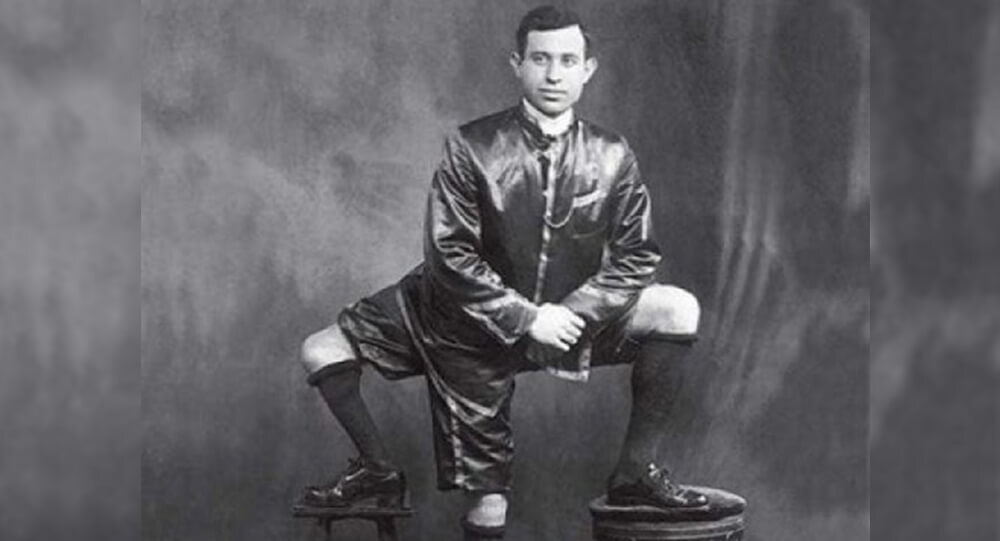
Frank Lentini, The Three-Legged Sideshow Performer
Francesco Lentini was a man with three legs, four feet, sixteen toes, and two sets of functional male genitals. He worked for the circus and lived to be 78 years old.

Max Headroom Incident: America’s Creepiest TV Hack
In 1987 a man hijacked a television station during an episode of Dr. Who and wore a Max Headroom mask and uttered nonsense, and he still hasn’t been caught

A man who has been suffering from headaches for nearly six months discovers chopsticks lodged in his brain
When it was discovered that a Vietnamese man with headaches and vision problems had chopsticks lodged in his brain, the doctors were almost as surprised as the man himself.

Brazilian gang leader attempts to escape from Rio de Janeiro prison by dressing up as his daughter
In 2019, a Brazilian gang leader tried to escape from prison by dressing up as his daughter when she visited him behind bars and walking out of the penitentiary's main door in her place.

The story of a boy who claims to be on Mars: Boriska Kipriyanovich
Boriska Kipriyanovich, who lives in Volgograd, Russia, claims he lived on Mars before being resurrected on Earth on a mission to redeem humanity. What we know about him is as follows:
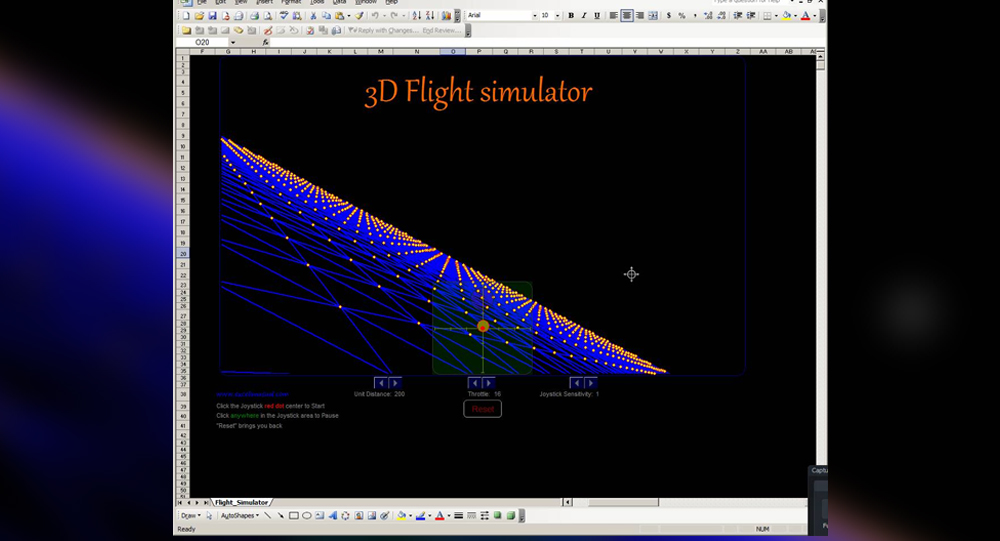
The Story of the Hidden Flight Simulator Game in Microsoft Excel 97
Before smartphones ruled hidden gaming, Microsoft slipped an extraordinary secret into one of its flagship office programs: a fully functional flight simulator game inside Excel 97. This little-known Easter egg captivated users who discovered a way to pilot a plane through the grid-like interface. Explore how this unexpected feature was created, the tech magic behind it, and why it remains a legendary piece of software lore.

San Pedro prison in La Paz, Bolivia: community inside prison
Bolivia’s largest prison has a society within itself and no guards inside the walls. Inmates elect their own leaders, make their own laws, get jobs to pay for their cell’s rent, and can even live with their families.

Kim Peek: The Real Rain Man Who Memorized 12,000 Books
Kim Peek wasn’t just a man with an extraordinary memory—he was a megasavant whose astonishing ability to recall the contents of over 12,000 books inspired the iconic character Raymond Babbitt in the film Rain Man. Able to read two pages at once, scanning one with each eye, Peek could memorize an entire book in about an hour. Despite his phenomenal talents, he faced developmental challenges and lived a unique life that changed perceptions about human potential and cognitive diversity. This article explores the remarkable story of Kim Peek, his capabilities, and the legacy he left behind.

How a Canadian Man Traded a Red Paperclip for a Two-Story Farmhouse
In 2005, Canadian blogger and entrepreneur Kyle MacDonald embarked on an extraordinary journey that captured the world’s imagination. Starting with nothing more than a single red paperclip, Kyle pursued a year-long chain of strategic trades that escalated from small, quirky items to a two-story farmhouse in a small town in Saskatchewan. What began as a playful social experiment became a legendary story of creativity, perseverance, and the power of barter in the digital age.

Belgian Woman Banned from Zoo After 4-Year Affair with Chimpanzee
A Belgian woman was banned from the zoo after having an affair with a chimp.

Japan’s Chicken-Flavored Ice Cream: The Bold Fusion of Sweet Vanilla and Real Grilled Chicken
A Japanese company once created chicken-flavored ice cream using real grilled chicken bits mixed into vanilla. It combined sweet and savory in a way few dared try, but it drew curiosity from foodies seeking extreme culinary experiences.
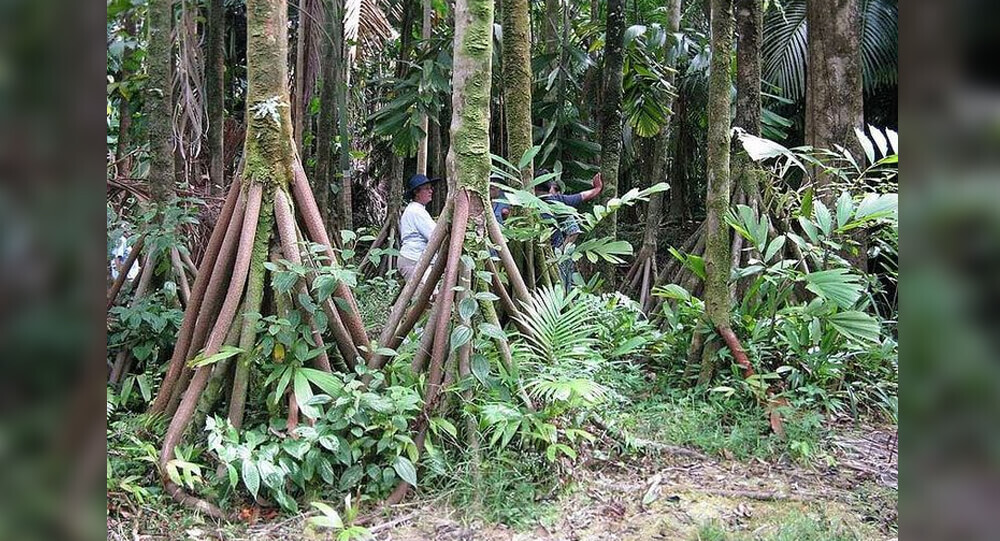
The “Walking” Palm, tree species can walk up to 65 feet each
This tree species can walk up to 65 feet each year to find the best habitat to live in.

Roller Coasters were First Invented to Distract People from sin
Roller coasters were invented to distract Americans from sin. In the 1880s, hosiery businessman LaMarcus Thompson didn’t like that Americans were going to places like saloons and brothels and created the first roller coaster on Coney Island to persuade them to go there instead.

The Miracle Baby: Nigerian Couple in the UK Welcomes a Rare Blonde, Blue-Eyed Child
A black, Nigerian couple living in the U.K. gave birth to a white, blonde, blue-eyed baby that they call the "miracle baby."

The Incredible Story of Martin Laurello, The Sideshow Performer With The Revolving Head
Martin Laurello was also known as 'The human owl'. He was born with the ability to turn his head a full 180 degree.
![Mysterious ghost ship found with mummified captain inside [SOLVED]](https://weeklyrecess.com/wp-content/uploads/2024/07/Solved-Mysterious-ghost-ship-with-mummified-captain-cover.jpg)
Mysterious ghost ship found with mummified captain inside [SOLVED]
German captain had been sailing the world for 20 years. It was unknown when or how he died or how long the ghost ship had been adrift