
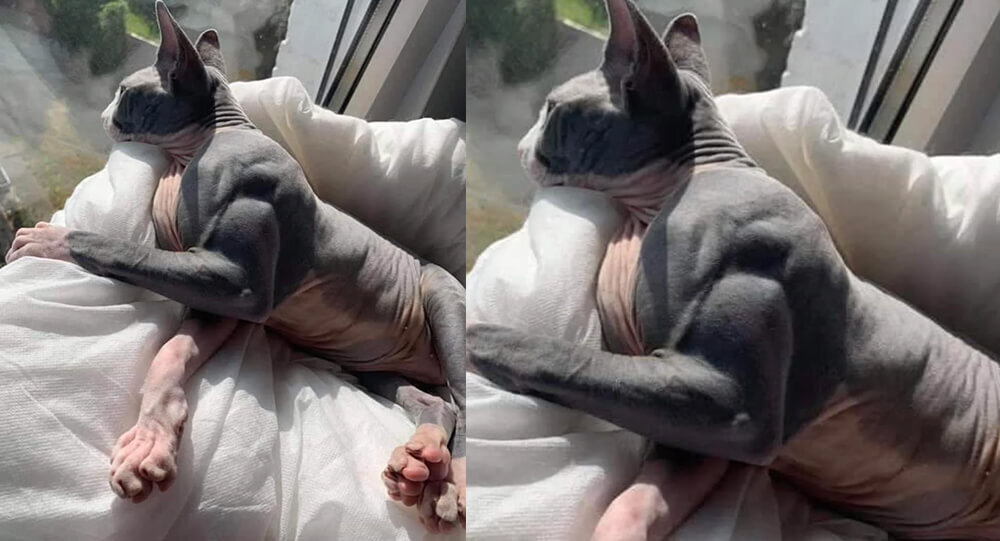
On Reddit, a cat has gone viral due to its bad condition, which makes it appear as if it has been doing additional gym sessions.
The cat suffers from Myostatin-related muscular hypertrophy, which leads it to grow muscle mass while not desiring to.
The disorder is caused by a mutation in the cat’s genes, which results in a lack of myostatin protein. As a result, when a problem with the disease emerges, it limits muscle cell proliferation, causing muscle mass to rapidly increase.
“House cat suffering from Myostatin-related muscular hypertrophy – an uncommon disorder that causes muscles to become overly huge,” user bsmith2123 commented on the r/Damnthatsinteresting subreddit, captioning the photo.
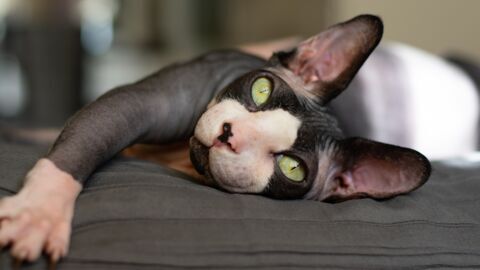
As you might expect, people were quickly enthralled by what they were seeing. “I bet he purrs like an engine,” one guy speculated.
“No Sarah, I don’t think I’ll get off the table,”
another laughed.
“He meows in an Austrian accent,” claimed a third.
Cats aren’t the only ones that can be affected by this disease. Cattle, rats, lambs, dogs, and even humans are said to be affected. You may wonder whether this is a good or terrible thing for animals, and according to Popular Science, it has both negative and positive consequences depending on the organism.
While it will certainly assist racing whippets, Thoroughbred horses, and other animals that are naturally built to be fast, it may have a negative impact on others that aren’t.
“Each of us has two copies of the gene encoding myostatin,” says Popular Science. You become heterozygous for the gene if you inherit one mutant copy, and animals with that pattern are unusually muscular and strong without being so clearly odd that people write case reports about them.
“Only when you’re homozygous, which means you have two mutant copies, do you become an outlier.”

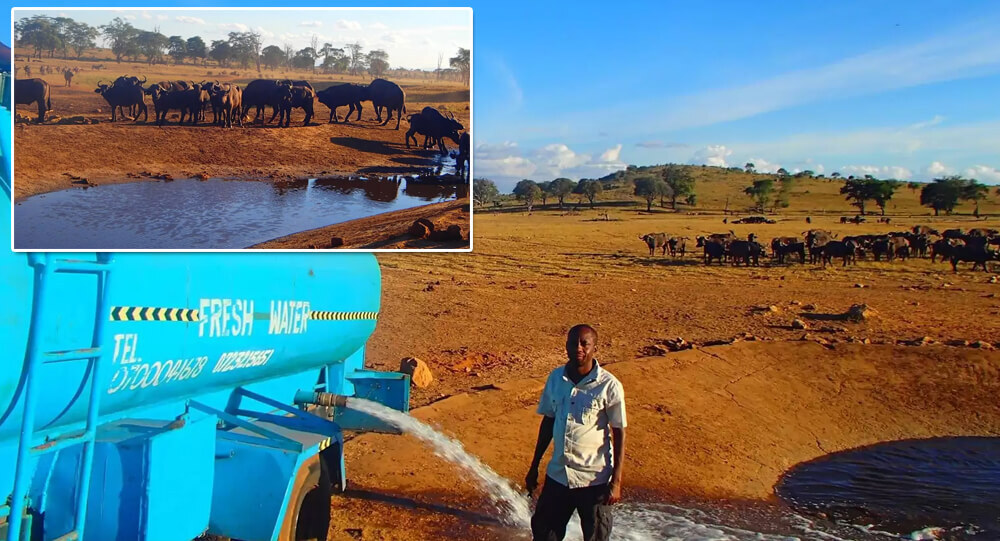
A man travels for hours daily through a drought to provide water for wild animals.
This man travels throughout Kenya bringing thirsty animals thousands of litres of water. Patrick Kilonzo Mwalua regularly travels to the Tsavo, where extreme drought is endangering the lives of elephants, buffalo, zebras, and antelope. He promises to keep giving out water every week until it starts to rain in the hopes that getting the word out will lead to a long-term fix.

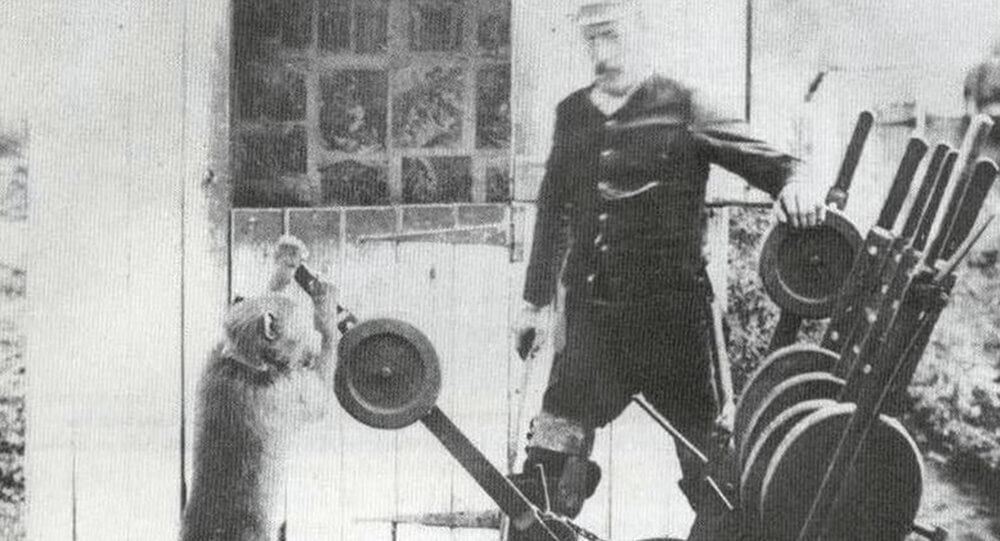
Jack the Baboon operated a railroad, earned a living, and never made a mistake
A baboon worked as a signalman for the railroad in the late 1800s. He never made a mistake and worked for the railroad until the day he died.
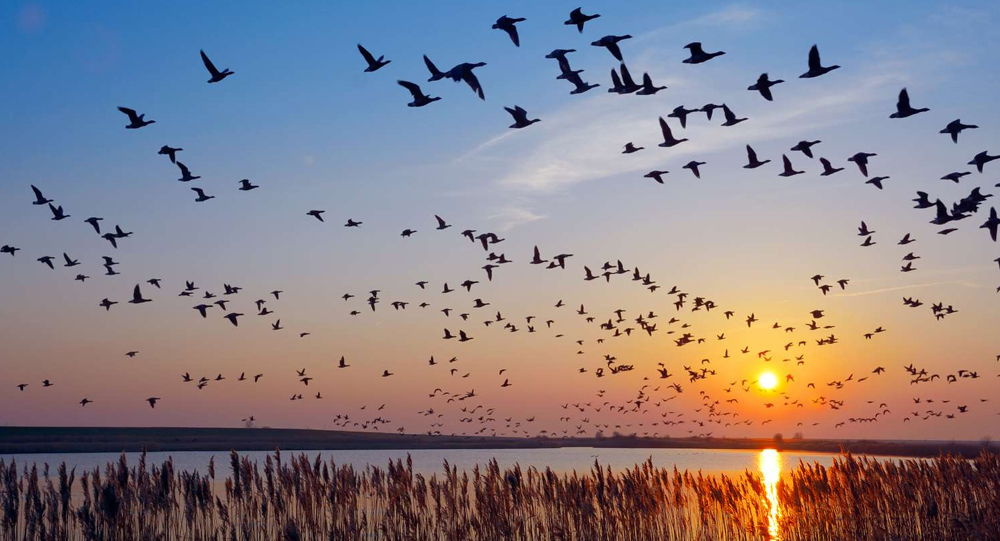
How Migratory Birds Navigate Thousands of Miles Without Getting Lost
Migratory birds undertake epic journeys spanning thousands of miles with astonishing precision, never losing their way. Their secret lies in a remarkable blend of innate senses, learned experience, and sophisticated navigation tools—ranging from the Earth's magnetic field to celestial clues and mental maps. Explore how these feathered travelers accomplish one of nature's most astounding feats through science, intuition, and adaptation.
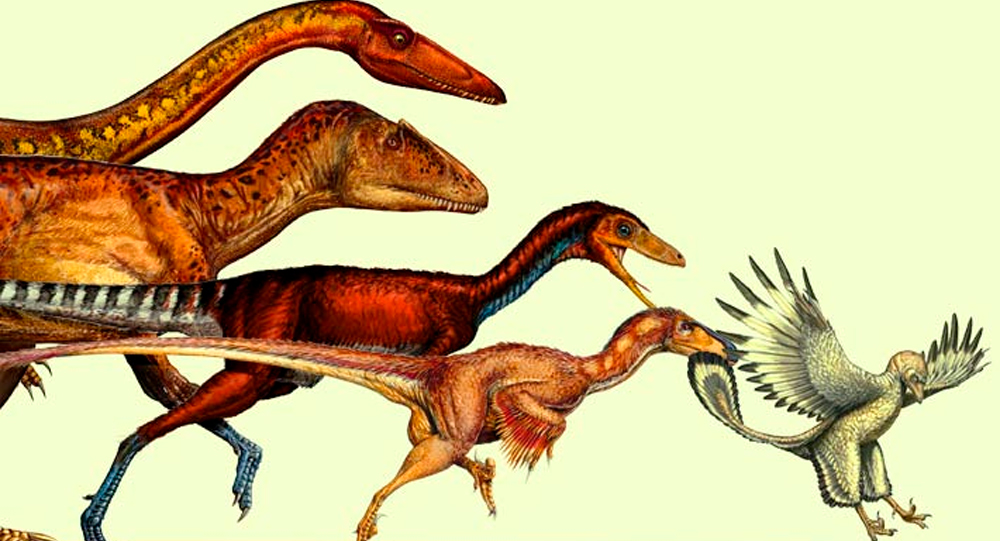
The Evolution of Flight: From Dinosaurs to Birds – A Journey Through Time and Science
Flight is one of nature’s most remarkable adaptations, but its origins trace back millions of years before modern birds took to the skies. Emerging from theropod dinosaurs during the Jurassic period, birds evolved feathers, wings, and lightweight bodies that enabled powered flight. This detailed narrative explores the fascinating evolutionary path from ground-dwelling dinosaurs to the aerial masters of today, blending science, intriguing fossil finds, and surprising trivia about our feathered ancestors.
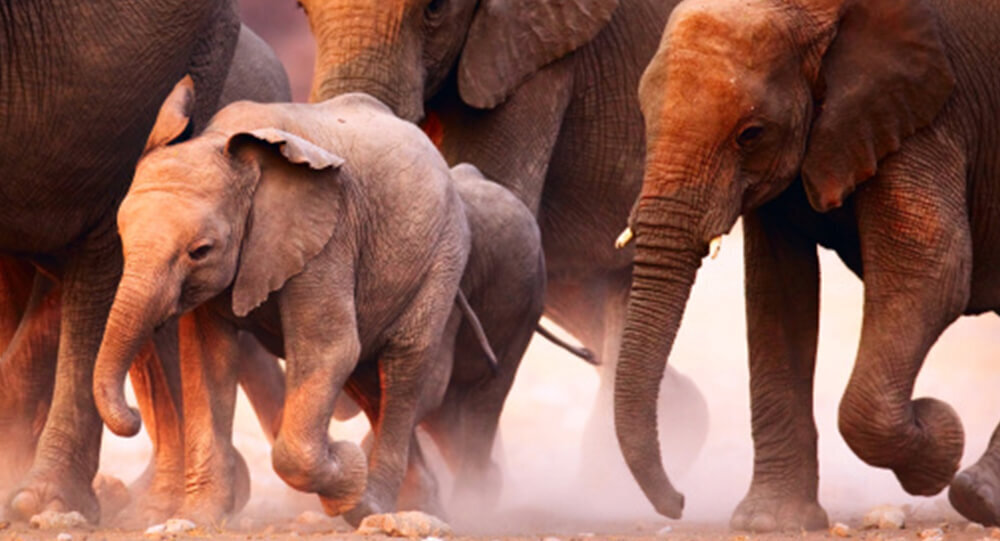
Earthquakes: Can Animals Really Predict Them?
In 1975, when officials in the Chinese city of Haicheng were alarmed by odd and anxious behaviors of dogs and other animals. These observations led them to order 90,000 residents to evacuate the city. Only a few hours later a 7.3 magnitude earthquake destroyed nearly 90% of the city’s buildings.
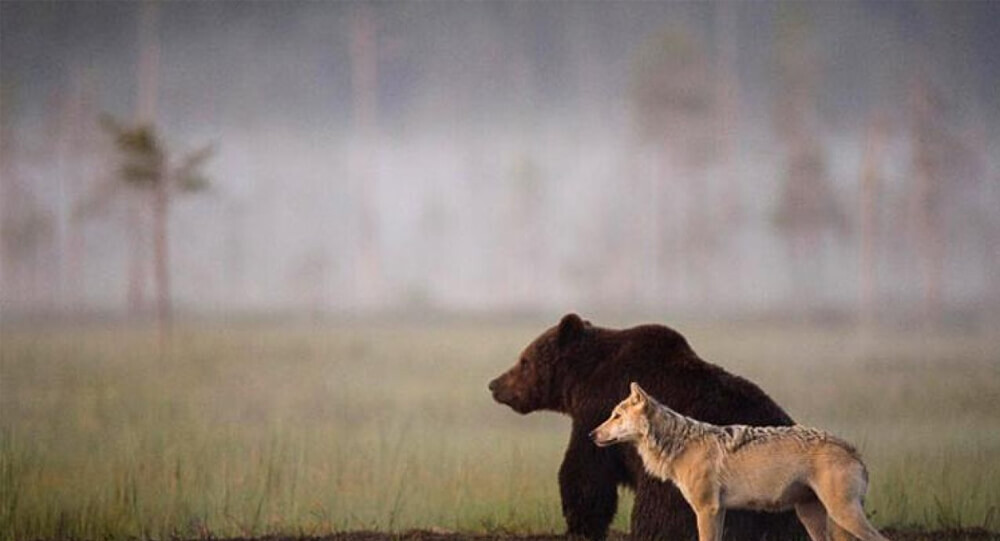
The unique friendship of a bear and a dog
A female grey wolf and a male brown bear's remarkable "friendship" was captured by Finnish photographer Lassi Rautiainen over the course of ten days in 2013. Together, they traveled everywhere while hunting and splitting their catch.

9-Year-Old Hero from Yemen Rescues Fox from a 3-4 Floor Deep Well—No Ropes, Just Bravery
In an inspiring act of courage, a 9-year-old boy from Yemen rescued a trapped fox from a deep well—three to four floors underground—without any climbing equipment. Discover the full story of how quick thinking, determination, and sheer bravery saved an innocent life against all odds.
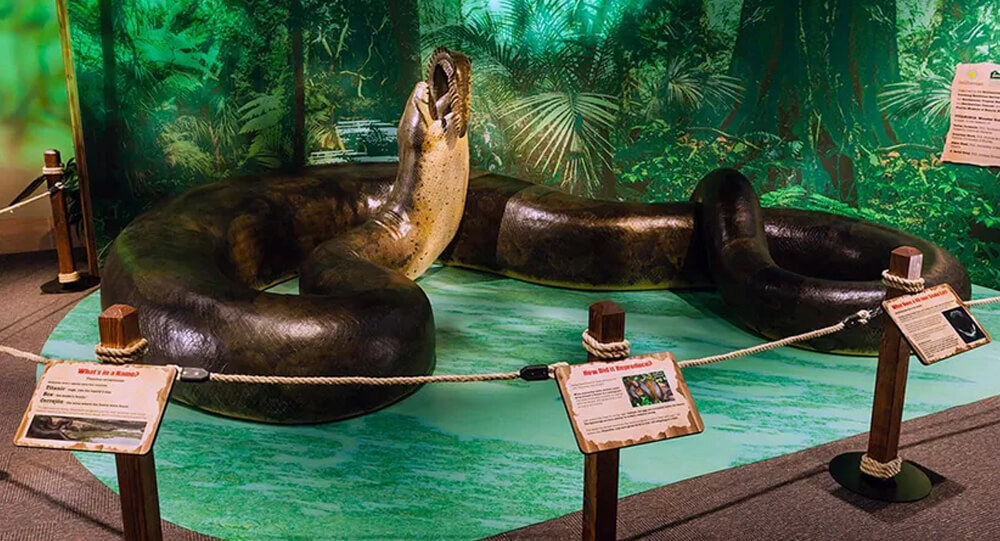
Titanoboa cerrejonensis, fossils of the world’s largest species of snake
In 2009 in a coal mine of Columbia, scientists discovered fossils of the world’s largest species of snake. The species is called “Titanoboa cerrejonensis,“and it is from around 60 million years ago. It would have had measured about 48 feet long and weighed about 2,500 pounds
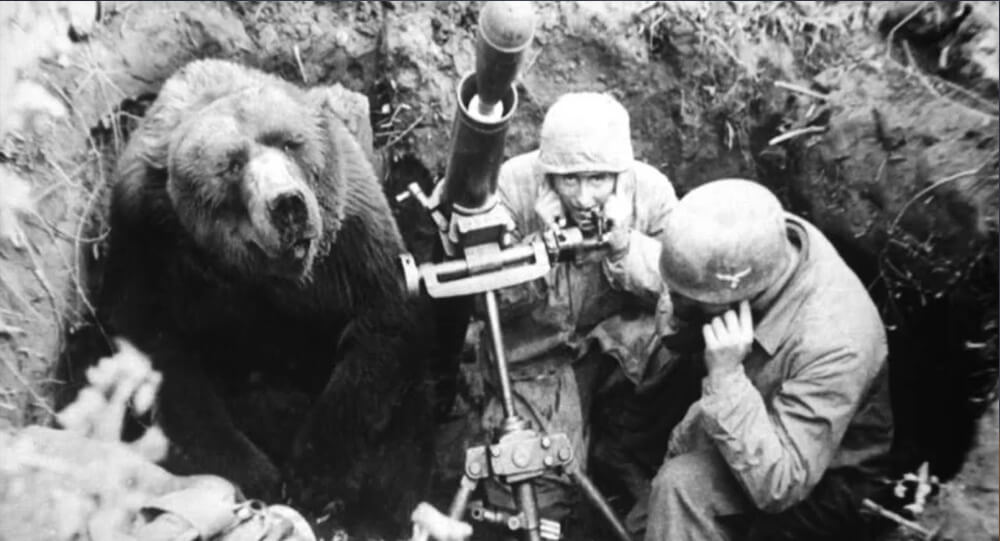
The 440-pound bear named Wojtek and his World War II battle against the Nazis
Polish troops raised an orphaned bear cub during WWII. He enjoyed drinking beer, and was trained to salute. He became officially enlisted as a member of the forces, and helped carry artillery during battle.
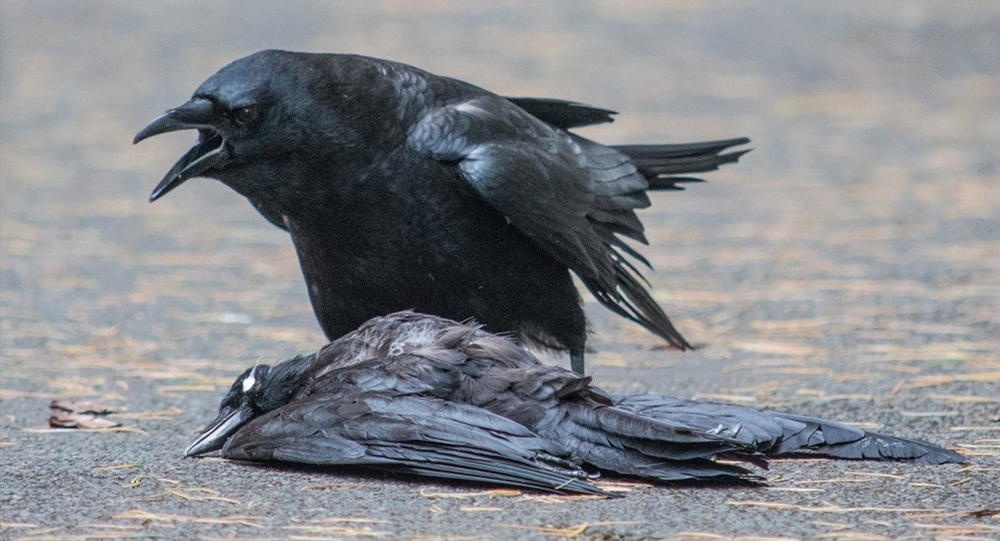
Why Crows Hold Funerals for Their Dead
Crows are far more than noisy backyard birds; they engage in peculiar, ritualistic behaviors when one of their own dies. Known as “crow funerals,” these gatherings involve groups of crows circling, calling, and sometimes even interacting physically with the deceased in ways that stump scientists and captivate bird watchers. What drives this strange behavior? New research reveals it’s a complex mix of learning, social bonding, and survival instinct wrapped in an enigmatic ritual.
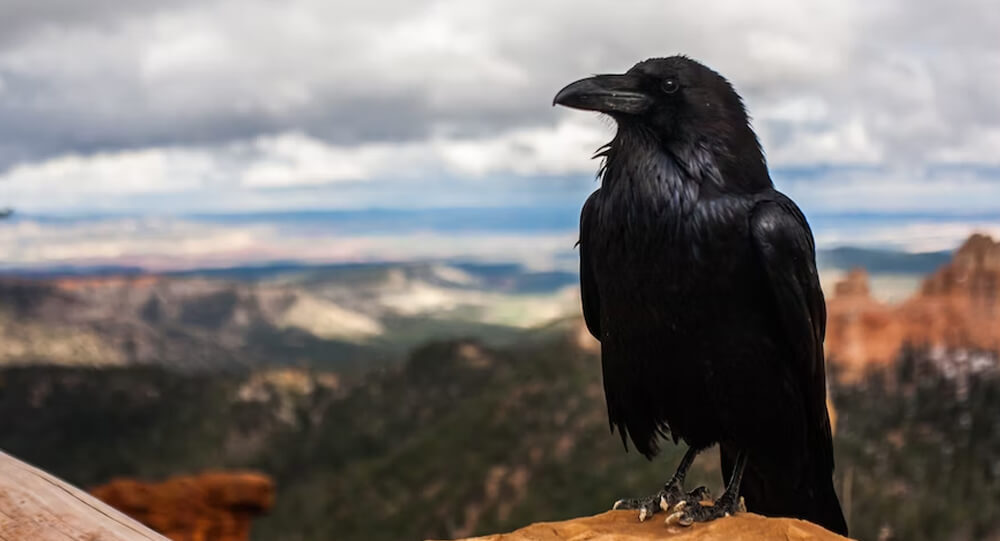
9 Reasons Crows Are Smarter Than You Think
Crows have the intelligence of a 7-year-old human, making them one of the smartest non-primate animals on the planet. They use tools, have a long-term memory that includes facial recognition, and comprehend analogy.
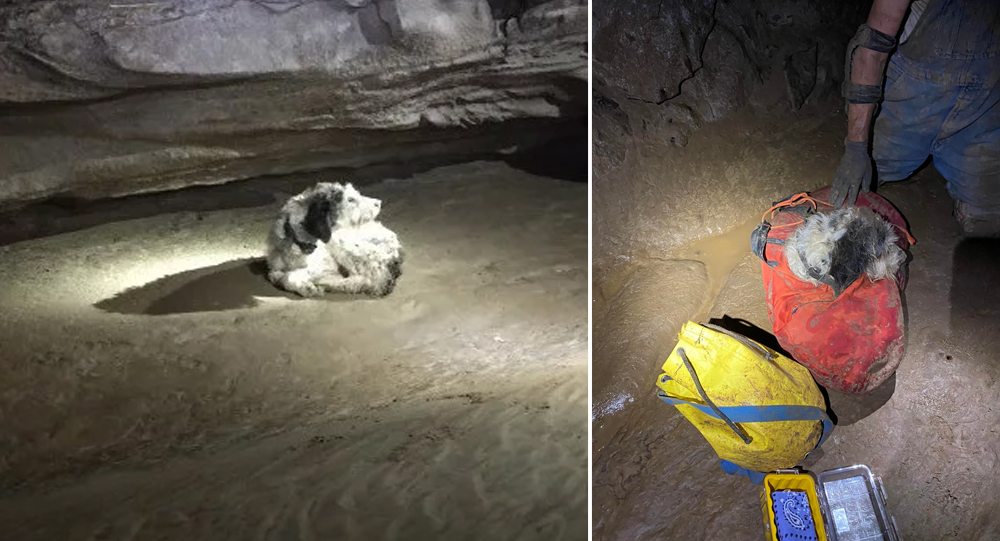
13-year-old dog missing for two months found alive in a cave.
On Aug 6, 2022, A group of Missouri cave explorers accidentally found and helped rescue a senior dog that had been missing for two months. It is unclear how long the dog was in the cave or how it managed to survive.
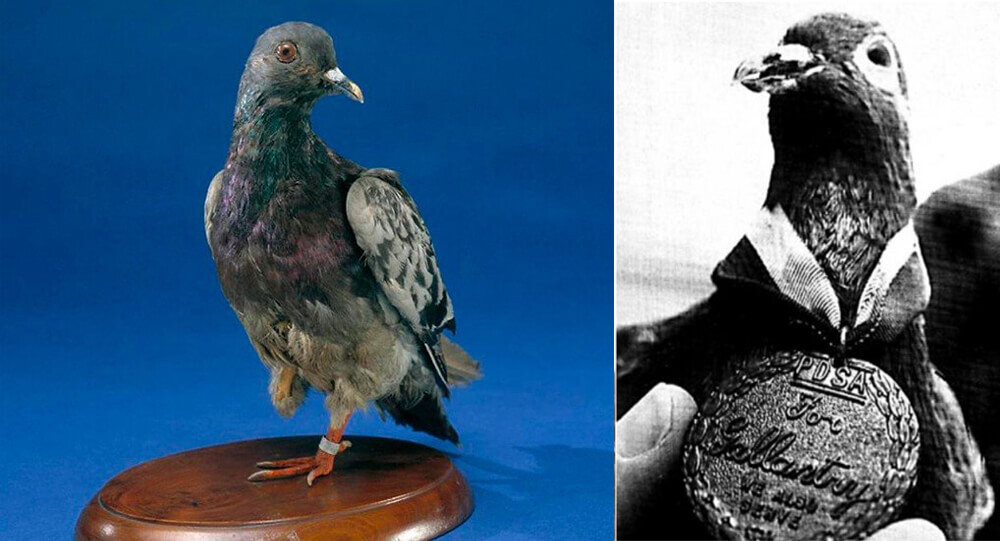
Chen Ami, The Bravery pigeon that saved 194 Soldier
During World War 1, a carrier Pigeon name Cher Ami was shot, blinded and had her leg blown off. She is still able to deliver the message and saved lives 194 soldiers.
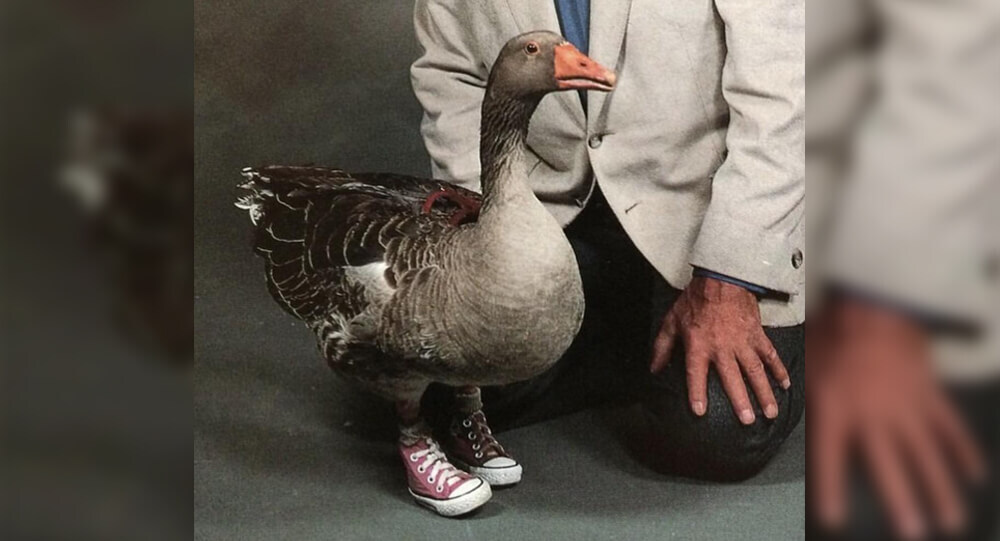
Andy Goose - The Goose With No Feet but wears Nike shoes
Andy was a goose who was born without feet. However, his owner came up with a solution to help him stand and move around by outfitting him with Nike sneakers. This gave Andy the ability to move around like any other goose, but it also made him a source of inspiration for disabled children. Sadly, he was mysteriously murdered in 1991.
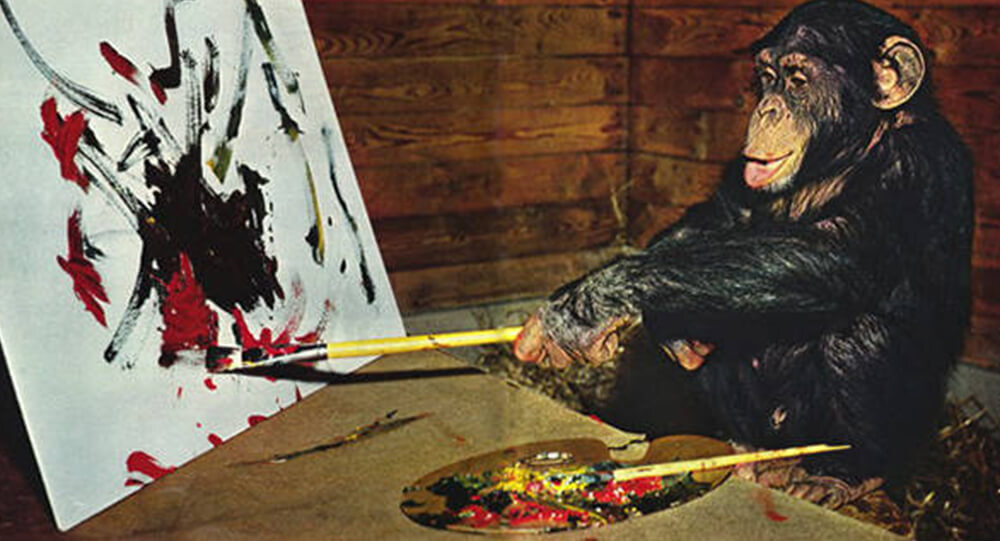
Pierre Brassau: The chimpanzee painter who deceived the avant-garde world
Abstract paintings by a previously unknown artist “Pierre Brassau” were exhibited at a gallery in Sweden, earning praise for his “powerful brushstrokes” and the “delicacy of a ballet dancer”. None knew that Pierre Brassau was actually a 4 year old chimp from the local zoo.
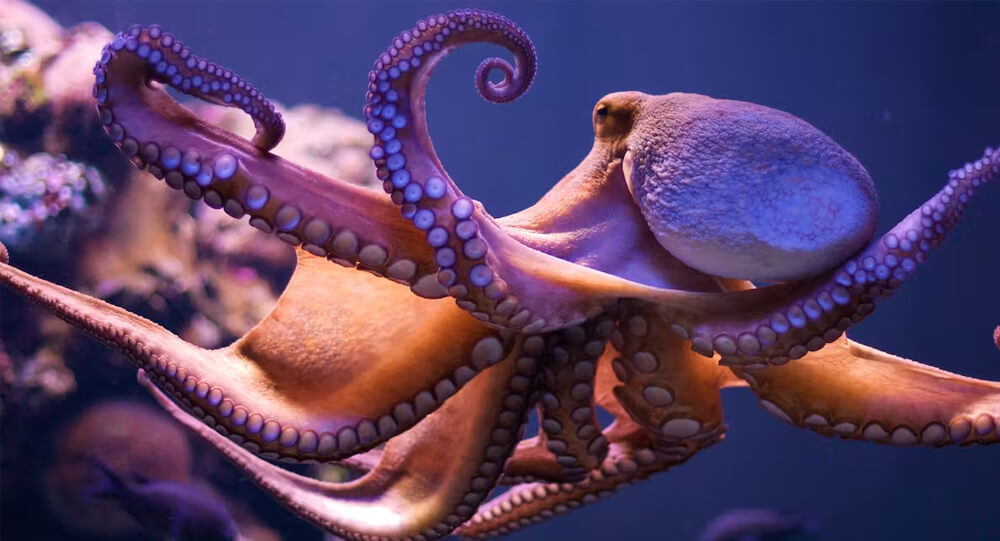
Are Octopus Intelligent? A Look Inside an Octopus's Brain
Octopuses are extremely intelligent. It is the only invertebrate capable of emotion, empathy, cognitive function, self-awareness, personality, and even interpersonal relationships. Some believe that if humans did not exist, octopi would eventually take our place as the dominant life form on Earth.

Why the Brooklyn Bridge Was Once Crossed by 17 Camels and 21 Elephants
On May 30, 1883, a rumor that the Brooklyn Bridge was going to collapse caused a stampede, which killed at least at twleve people. To prove the bridge was safe, P.T. Barnum led a parade of 21 elephants over it.
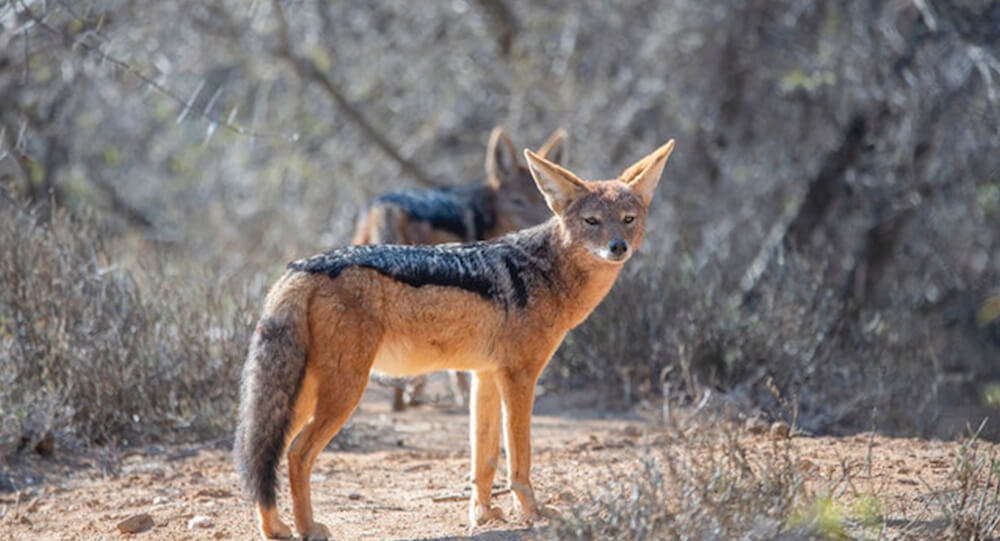
How Switzerland ended rabies epidemic by air-dropped vaccinated chicken heads
A rabies epidemic struck foxes in Switzerland in the 1960s. The government wanted to vaccinate foxes against rabies, but manual vaccination was difficult and expensive. Instead, they began dropping vaccinated chicken heads across the countryside for the foxes to consume, and the rabies vanished.

Remembering Alex: The African Grey Parrots Final Message
"You be good, I love you. See you tomorrow" Parrot's last words to her caretaker. Alex (1976 – September 6, 2007) was an African Grey Parrot and the subject of a thirty-year (1977–2007) experiment by animal psychologist Irene Pepperberg, initially at the University of Arizona and later at Harvard University and Brandeis University. Pepperberg bought Alex in a regular pet shop when he was about one year old.
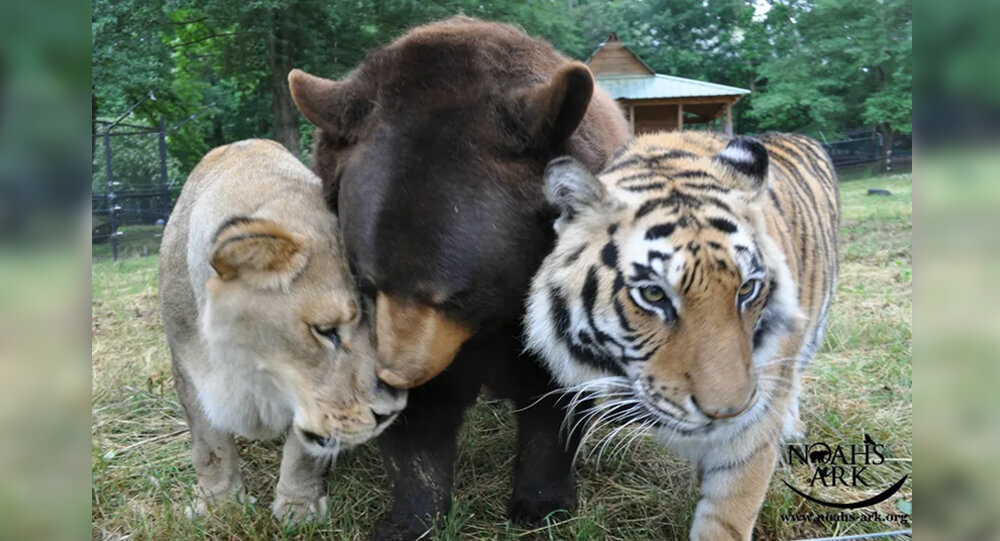
Bear, Tiger, And Lion Became Friends For Life
In 2001, a Bear, Tiger, And Lion cub where found abandoned in a drug dealer's basement. They were soon adopted by a sanctuary and lived together ever since.
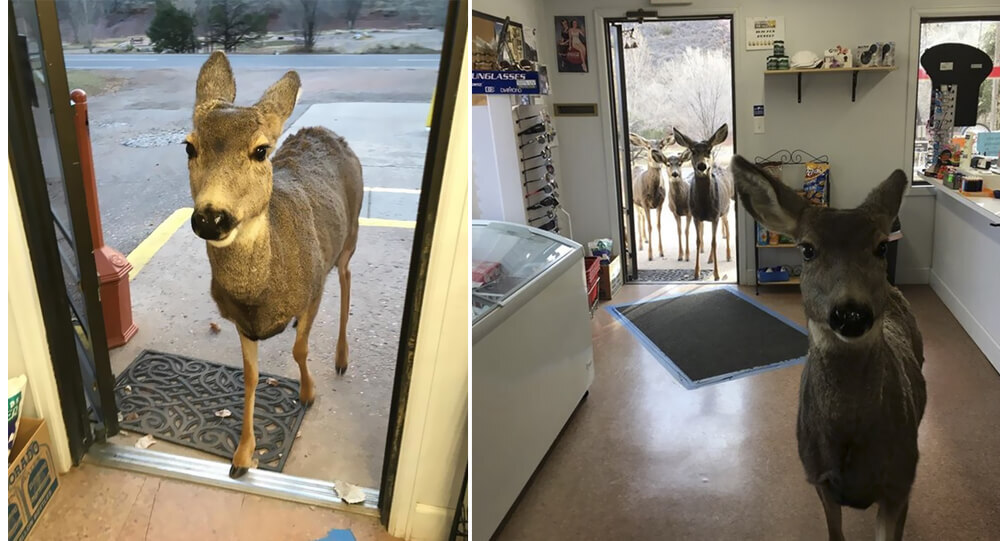
Deer Walks Into Store To Check Their Goods, Comes Back Later With Her Kids
In 2017, a deer entered a Colorado store. An employee fed the deer a peanut bar in an attempt to get it to leave. The deer did leave, but later that day it returned with its entire family.
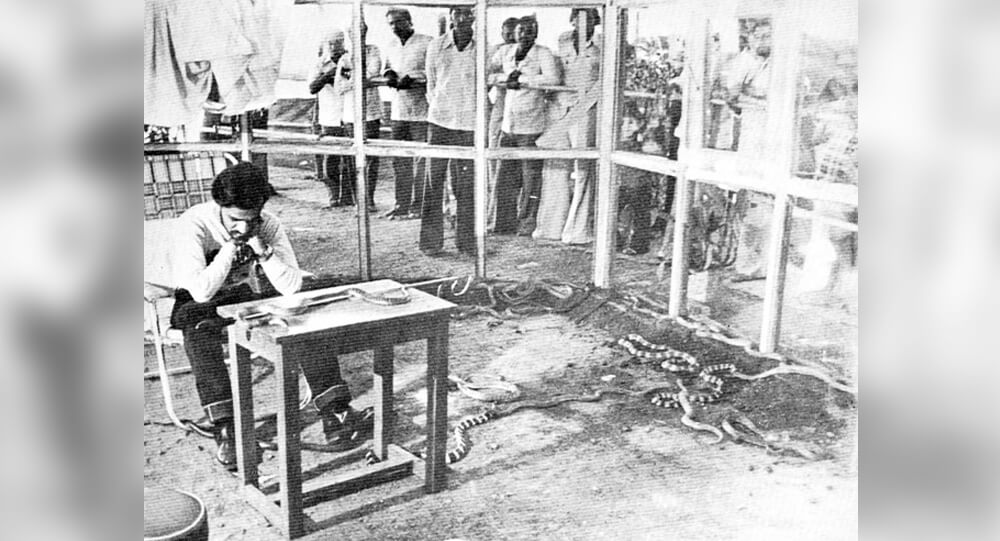
The story of a man who spent 72 hours with 72 venomous snakes to prove they only bite when provoked
In the 1980s, an Indian man spent 72 hours in a glass cabin with 72 snakes, some of which were extremely venomous. His aim was to prove that snakes only attack when provoked. Remarkably, he was not bitten once in those 72 hours and even set a Guinness World Record in the process.
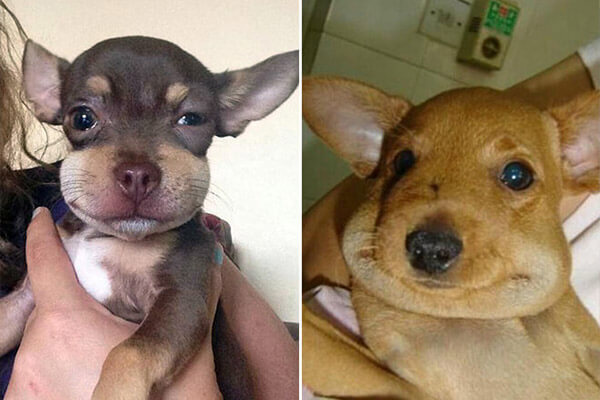
Photos of dogs who were stung by bees yet remained adorable
Flies are sky raisins, aren't bees jalapeno sky raisins as well? Please note: you are a terrible person if you laugh at this gallery, just kidding. Enjoy the photos of dogs who were stung by bees yet remained adorable.

The viral stray dog walked up to a pharmacy in Istanbul and showed an injured paw
Back in 2019, a stray dog walked up to a pharmacy in Istanbul and showed an injured paw to the pharmacist who then treated the wound and gave the dog food and water. The incident was caught on video, which went viral instantly.
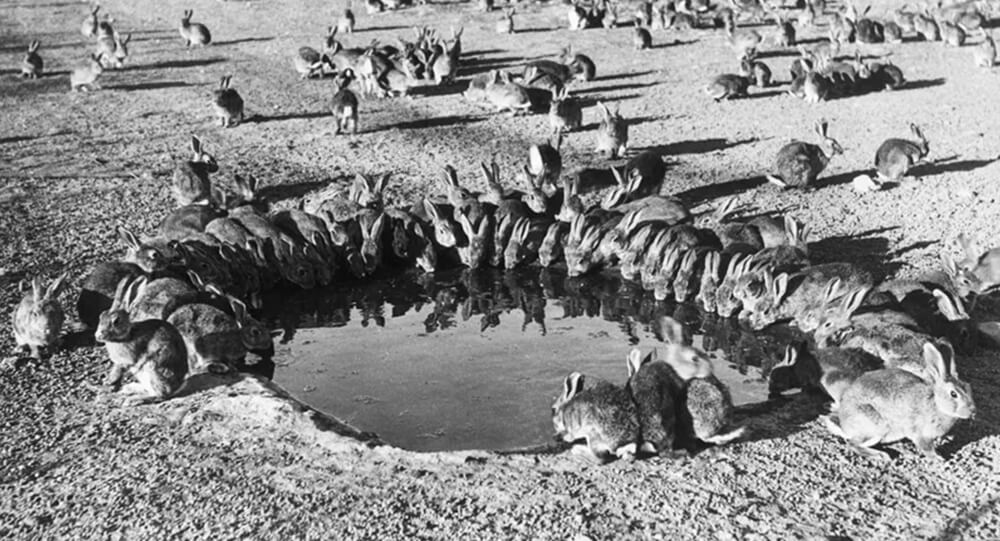
How European Rabbits Took over Australia
In 1859, wealthy settler Thomas Austin released 13 wild rabbits on his Australian estate. By 1920, their population grew to 10 billion.