
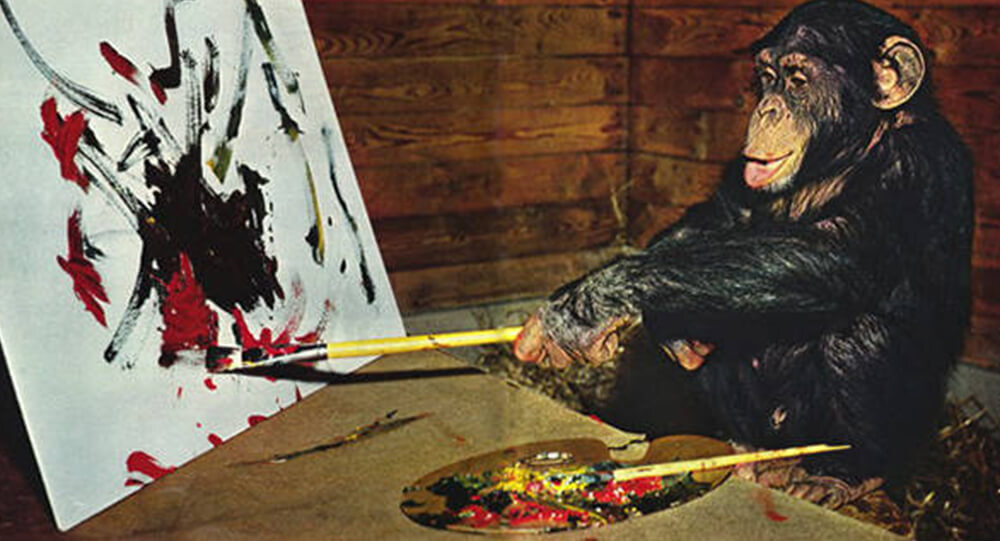

Pierre Brassau: The chimpanzee painter who deceived the avant-garde world
Pierre Brassau’s first and only exhibition was held in 1964 at the Gallerie Christinae in Göteborg, Sweden. With the exception of one critic, all of them praised his work, citing his “powerful strokes” and “clear determination.” Before long, people were asking themselves how someone with such artistic talent could have come from.
They discovered shortly after that Pierre Brassau was a chimpanzee and had been residing at the zoo at Borås Djurpark.
A local journalist masterminded an elaborate hoax to see if respected art critics truly knew what they were talking about, which included the entire art show and even the artist.
A few weeks prior to the art exhibition, the hoax started.
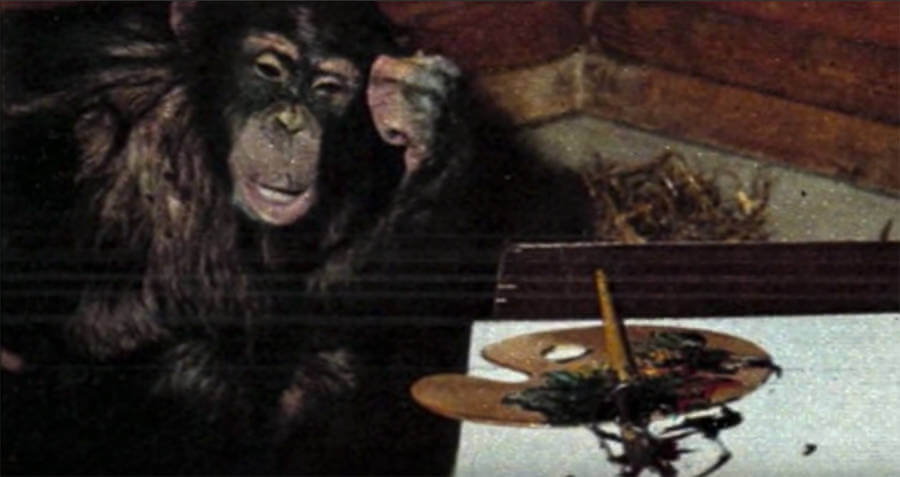
A journalist from the Göteborgs-Tidningen newspaper named Åke “Dacke” Axelsson recently made the decision to test art critics. There were plenty of critics and galleries in Goteborg, and abstract art was becoming more and more popular. Axelsson questioned how proficient these art critics were in differentiating between “good” and “bad” abstract artwork.
In particular, could they distinguish between artwork created by chimpanzees and artwork created by humans?
So, Axelsson went to the nearby zoo and convinced the 17-year-old keeper to allow him to give some canvas and oil paints to Peter, the resident West African chimpanzee. At first, it looked like the project would fail because Peter was more of a paint enthusiast than an artist and preferred to eat paint rather than apply it to a canvas.
Peter eventually started painting the canvas, either because he was tired of eating the paint or because he had an idea. Cobalt blue, which seemed to have the greatest flavor, was frequently used in his paintings due to his taste preferences.
Like any good artist, Peter painted with a stash of snacks nearby, in this case a bunch of bananas. Axelsson observed that Peter painted more quickly the more bananas he consumed. He could occasionally finish nine bananas in ten minutes.
After Peter finished several paintings, Axelsson selected the four he considered to be the best and hung them.

Although someone did remark that “only an ape could have done this,” Pierre Brassau’s work received overwhelmingly positive feedback.
Critic Rolf Anderberg of the morning Posten observed, “Pierre Brassau paints with powerful strokes, but also with clear determination.” His brushwork is twisted with an intense meticulousness. Pierre is a talented artist who moves like a ballet dancer.
Anderberg remained true to his statement that his painting was “still the best painting in the exhibition,” even after Axelsson disclosed that Pierre Brassau the artist was actually Peter the Chimpanzee.
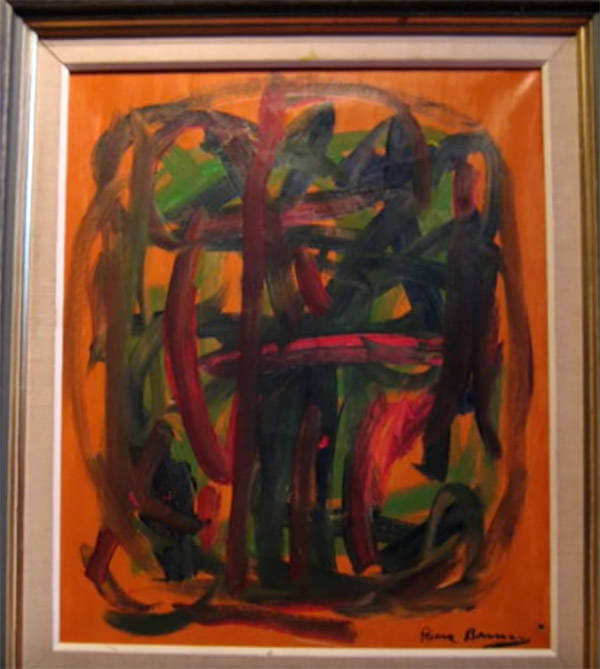
In fact, a private collector paid $90 (roughly over $700 in today’s currency) for an original Pierre Brassau piece.
Sadly, Pierre Brassau’s artistic career came to an end there because, in 1969, he was sent to the Chester Zoo in England. He spent the rest of his life there, eating bananas and blissfully oblivious to the commotion he had created in the world of abstract art.
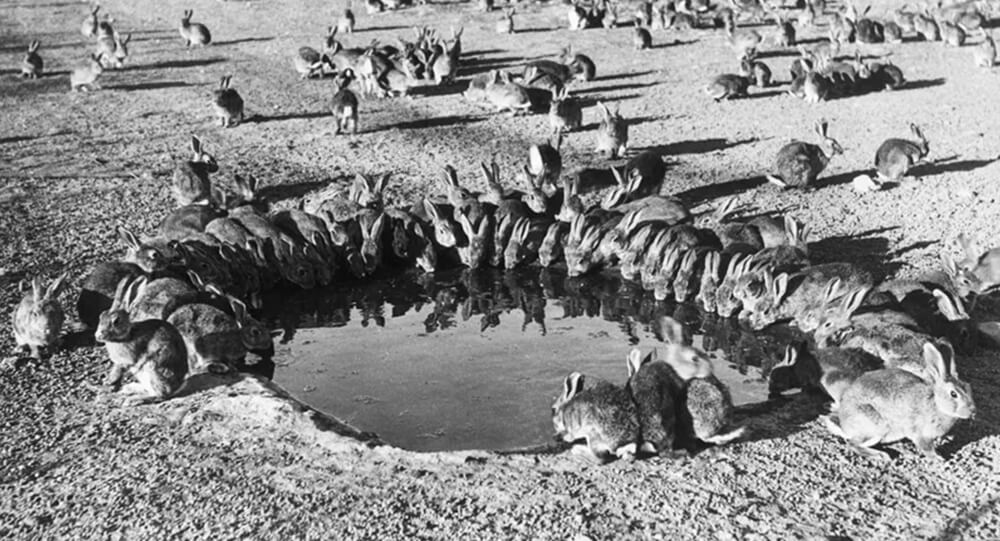
How European Rabbits Took over Australia
In 1859, wealthy settler Thomas Austin released 13 wild rabbits on his Australian estate. By 1920, their population grew to 10 billion.

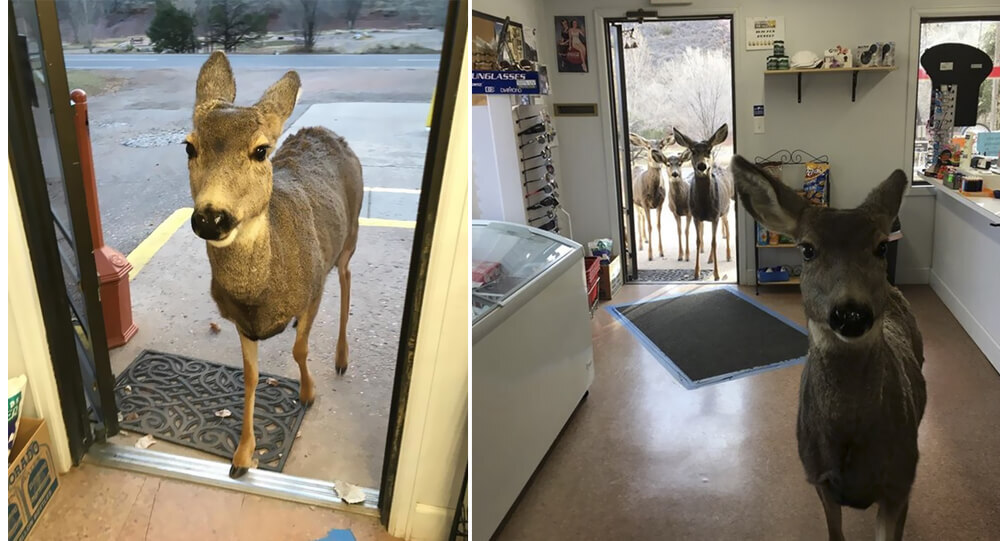
Deer Walks Into Store To Check Their Goods, Comes Back Later With Her Kids
In 2017, a deer entered a Colorado store. An employee fed the deer a peanut bar in an attempt to get it to leave. The deer did leave, but later that day it returned with its entire family.
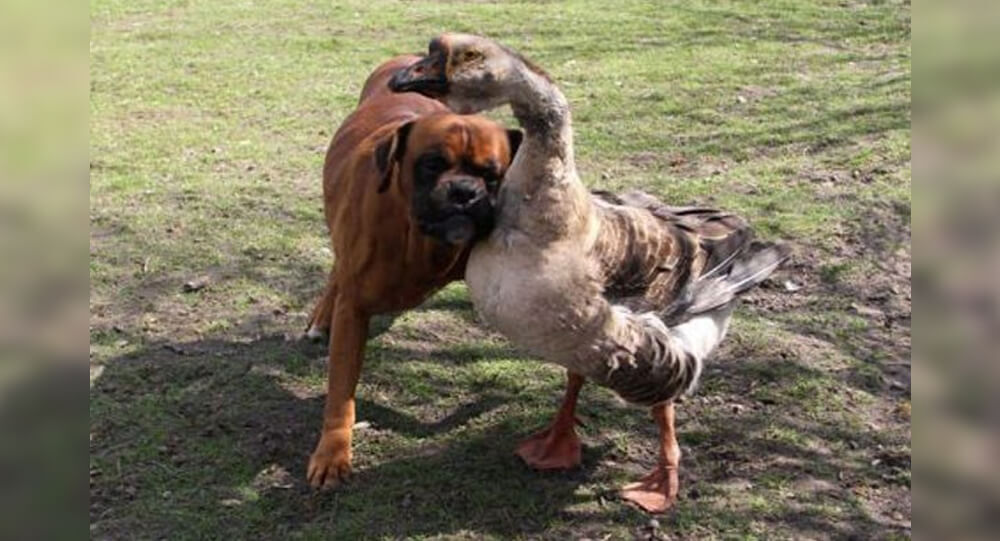
Blind dog guides by goose, Story of Boxer and Buttons’ friendship
When Baks the blind dog was left blinded after an accident, his friend Buttons became his seeing-eye-goose by hanging on to him with her neck and honking to direct him.
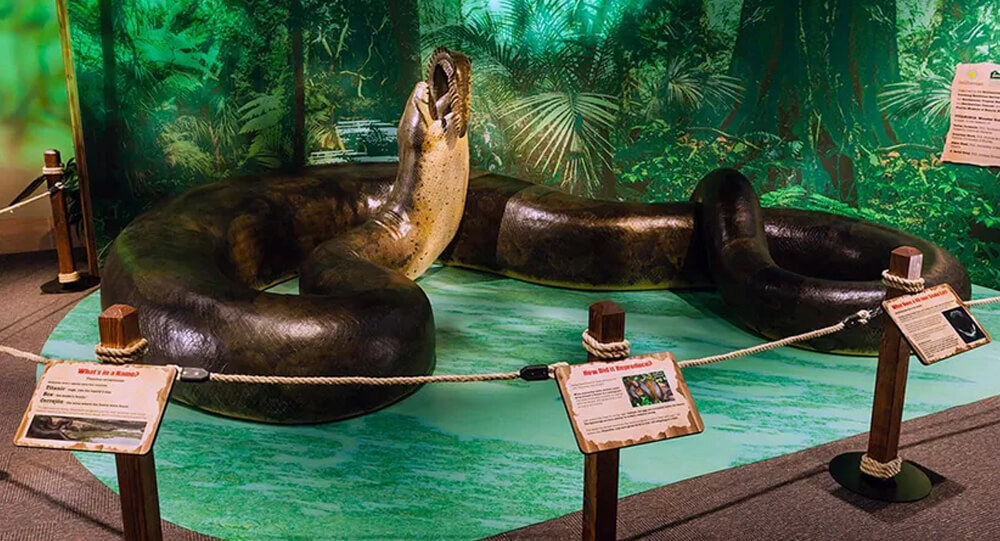
Titanoboa cerrejonensis, fossils of the world’s largest species of snake
In 2009 in a coal mine of Columbia, scientists discovered fossils of the world’s largest species of snake. The species is called “Titanoboa cerrejonensis,“and it is from around 60 million years ago. It would have had measured about 48 feet long and weighed about 2,500 pounds

A man travels for hours daily through a drought to provide water for wild animals.
This man travels throughout Kenya bringing thirsty animals thousands of litres of water. Patrick Kilonzo Mwalua regularly travels to the Tsavo, where extreme drought is endangering the lives of elephants, buffalo, zebras, and antelope. He promises to keep giving out water every week until it starts to rain in the hopes that getting the word out will lead to a long-term fix.
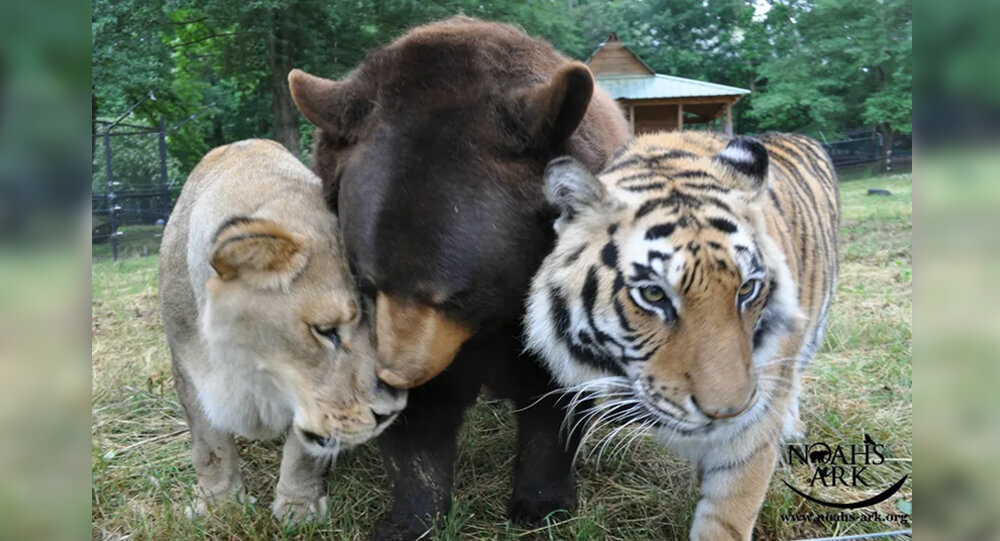
Bear, Tiger, And Lion Became Friends For Life
In 2001, a Bear, Tiger, And Lion cub where found abandoned in a drug dealer's basement. They were soon adopted by a sanctuary and lived together ever since.
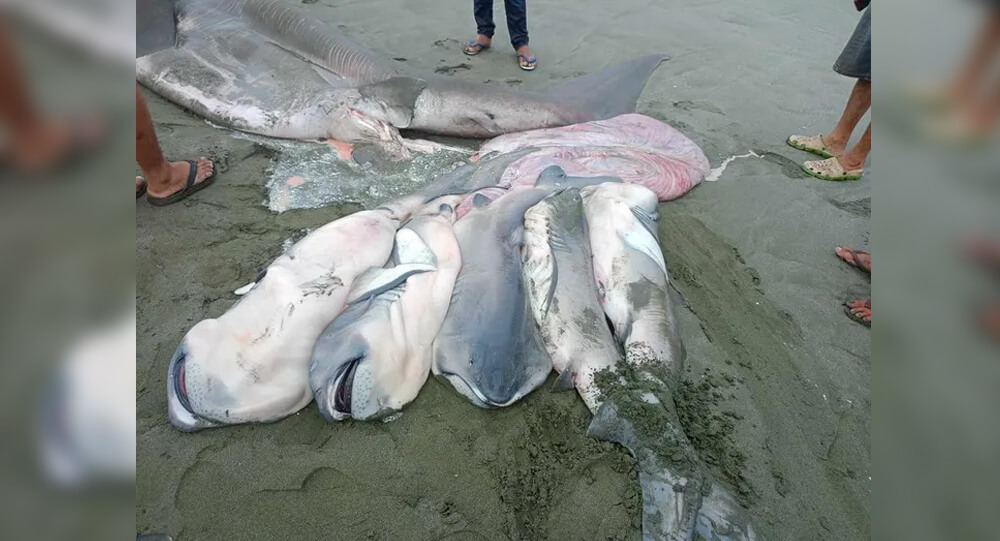
Megamouth Shark And Her Babies Found Dead In The Philippines
Filipino zoologists have recorded a pregnant megamouth shark for the first time ever since the rare aquatic specie was discovered in 1974.
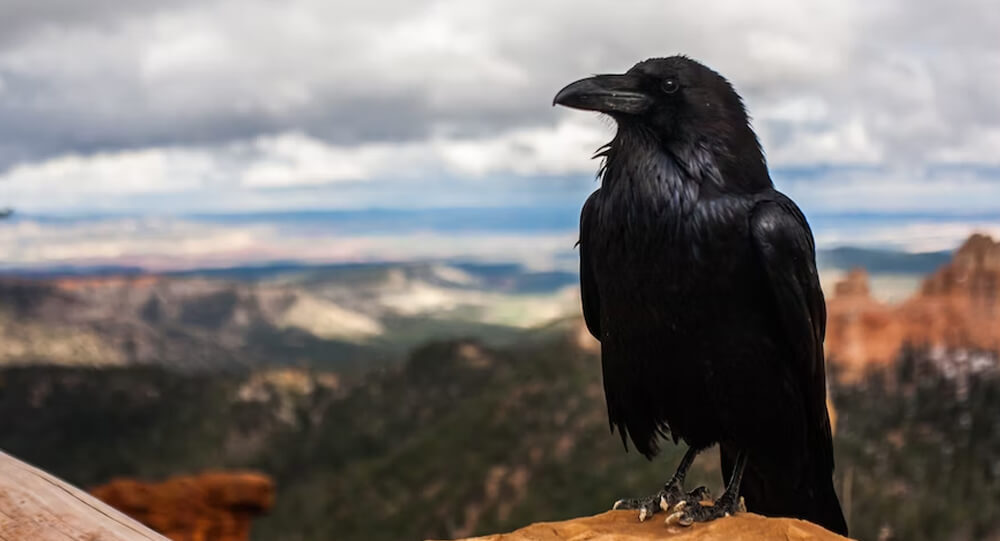
9 Reasons Crows Are Smarter Than You Think
Crows have the intelligence of a 7-year-old human, making them one of the smartest non-primate animals on the planet. They use tools, have a long-term memory that includes facial recognition, and comprehend analogy.
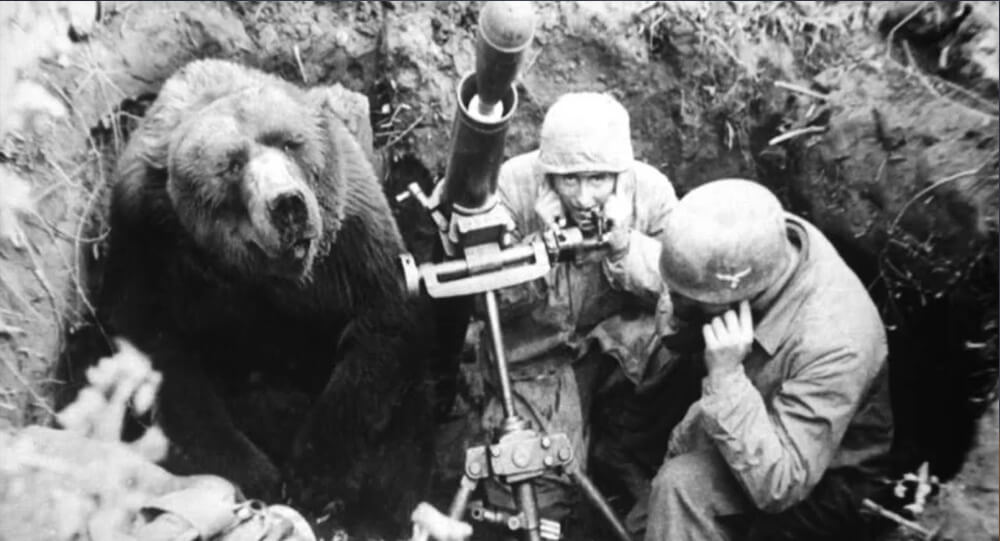
The 440-pound bear named Wojtek and his World War II battle against the Nazis
Polish troops raised an orphaned bear cub during WWII. He enjoyed drinking beer, and was trained to salute. He became officially enlisted as a member of the forces, and helped carry artillery during battle.
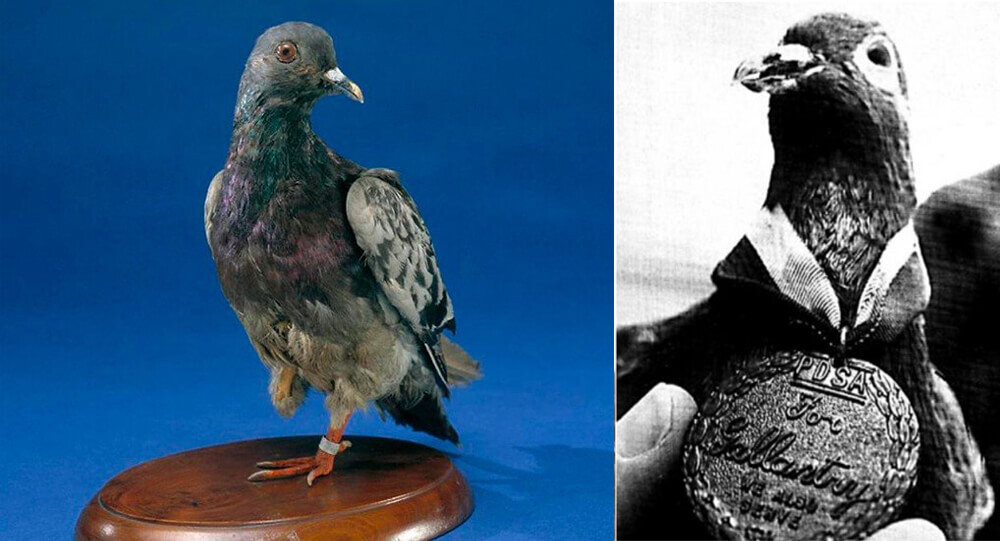
Chen Ami, The Bravery pigeon that saved 194 Soldier
During World War 1, a carrier Pigeon name Cher Ami was shot, blinded and had her leg blown off. She is still able to deliver the message and saved lives 194 soldiers.
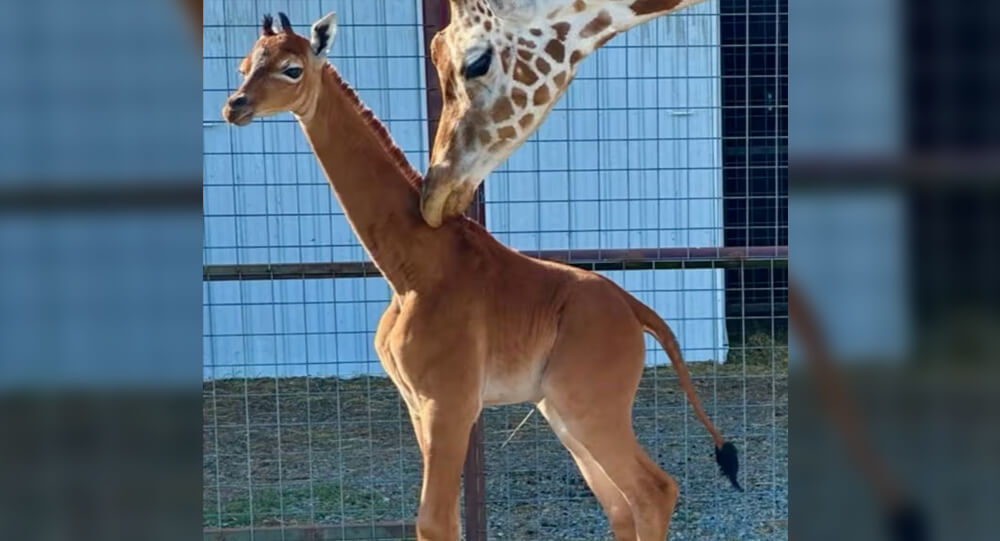
Kipekee, the world's only spotless giraffe, was born at Brights Zoo
The world's only spotless giraffe was born at a zoo in the United States. The giraffe born without spots on July 31 is the only one of her kind on Earth.
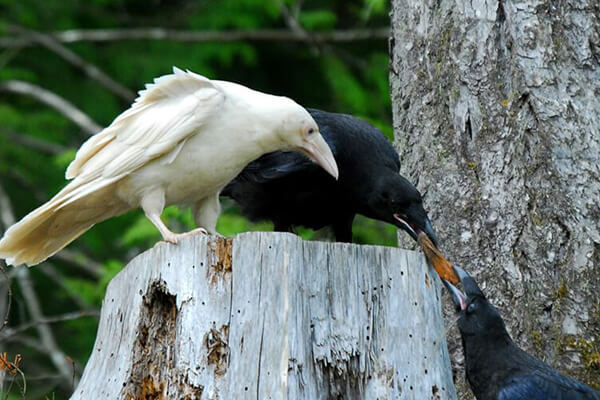
10 Rarest and Albino animals you haven’t seen
For centuries, people have been fascinated and enchanted by the ghostly appearances of abnormally white animals. People have loved albinos and other unusually white animals so much that they may be helping to increase their numbers, despite the difficulties these animals face in the wild. While these unusual animals did not win the genetic lottery, they have persevered in the face of adversity.
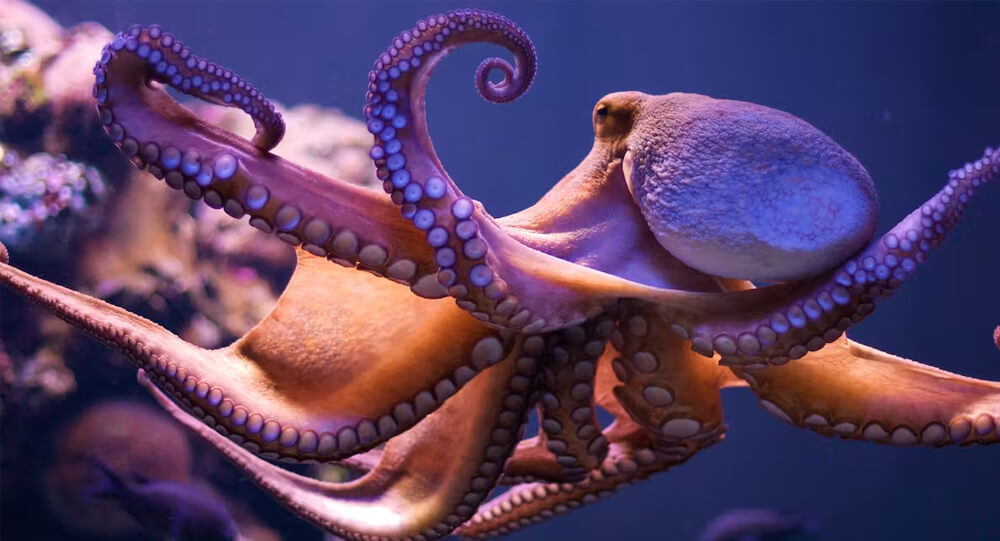
Are Octopus Intelligent? A Look Inside an Octopus's Brain
Octopuses are extremely intelligent. It is the only invertebrate capable of emotion, empathy, cognitive function, self-awareness, personality, and even interpersonal relationships. Some believe that if humans did not exist, octopi would eventually take our place as the dominant life form on Earth.
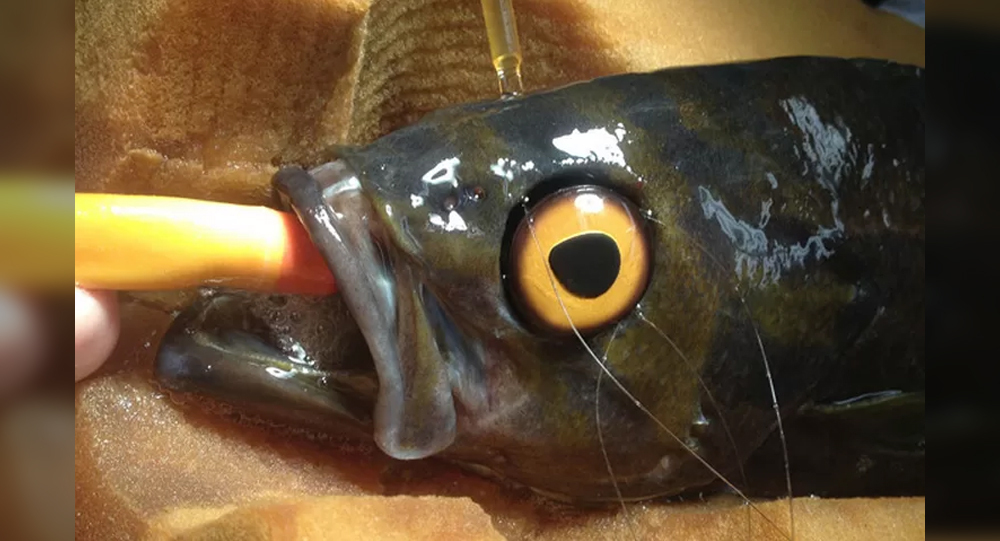
A one-eyed Vancouver fish receives a fake eye so that other fish will not bully him
A fish whose eye was removed due to cataract was bullied by other fish at the Vancouver Aquarium. So the vets fitted the fish with a prosthetic eye to fool the other fishes.
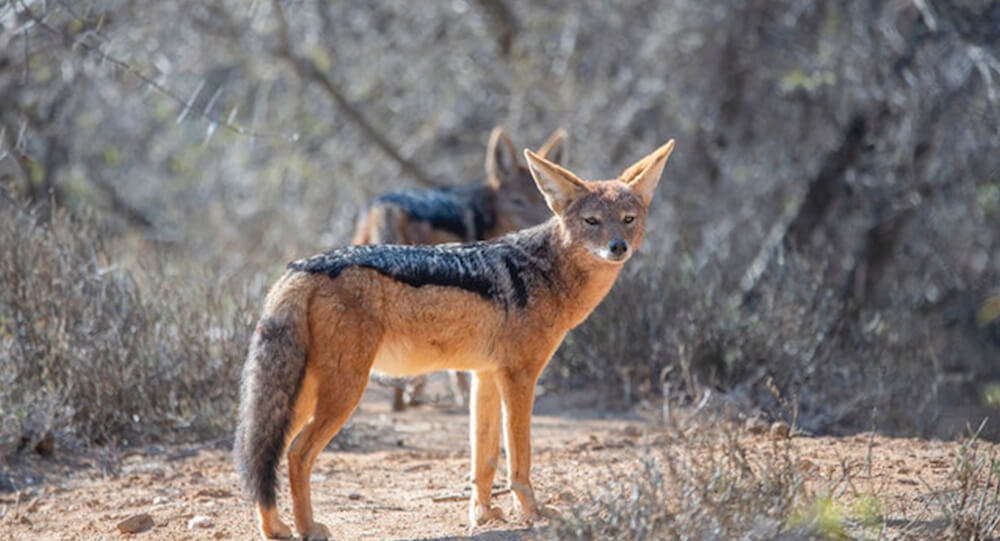
How Switzerland ended rabies epidemic by air-dropped vaccinated chicken heads
A rabies epidemic struck foxes in Switzerland in the 1960s. The government wanted to vaccinate foxes against rabies, but manual vaccination was difficult and expensive. Instead, they began dropping vaccinated chicken heads across the countryside for the foxes to consume, and the rabies vanished.
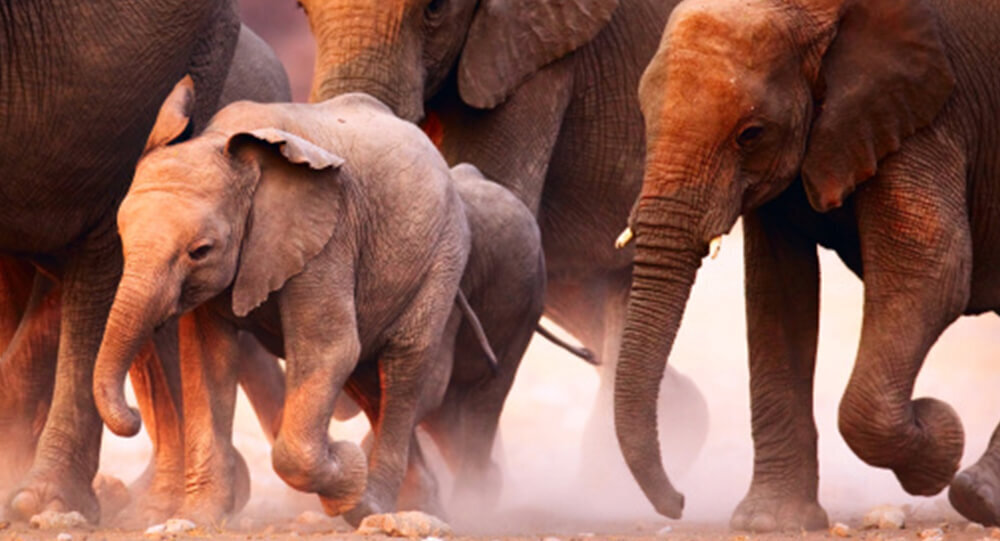
Earthquakes: Can Animals Really Predict Them?
In 1975, when officials in the Chinese city of Haicheng were alarmed by odd and anxious behaviors of dogs and other animals. These observations led them to order 90,000 residents to evacuate the city. Only a few hours later a 7.3 magnitude earthquake destroyed nearly 90% of the city’s buildings.
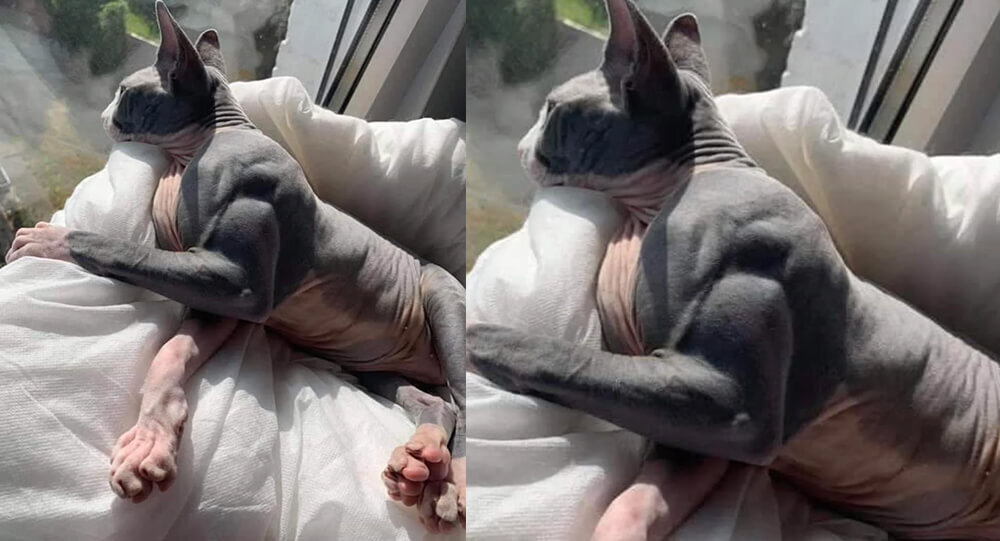
A Super Cat With Excessively Large Muscles Goes Viral Due To A Rare Condition
The cat suffers from Myostatin-related muscular hypertrophy, which leads it to grow muscle mass while not desiring to.
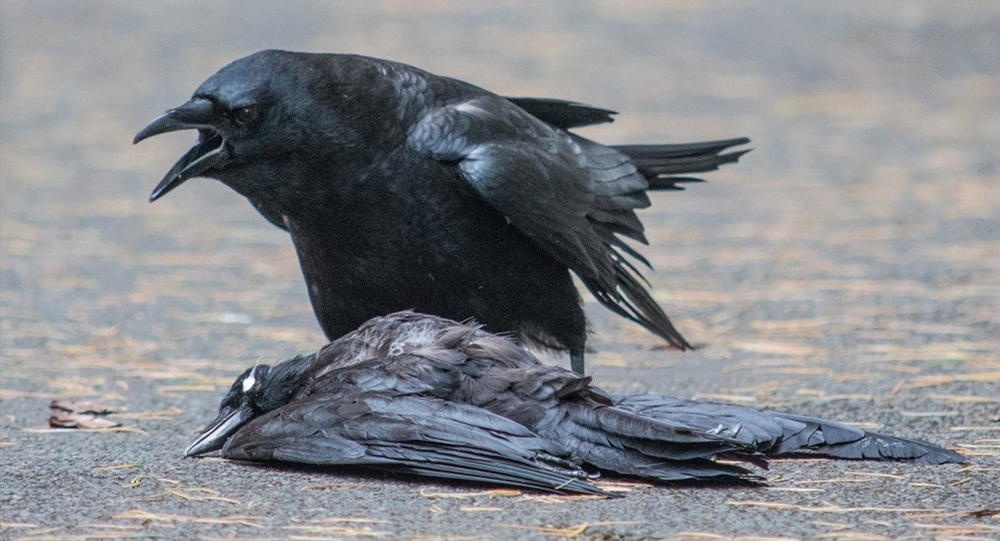
Why Crows Hold Funerals for Their Dead
Crows are far more than noisy backyard birds; they engage in peculiar, ritualistic behaviors when one of their own dies. Known as “crow funerals,” these gatherings involve groups of crows circling, calling, and sometimes even interacting physically with the deceased in ways that stump scientists and captivate bird watchers. What drives this strange behavior? New research reveals it’s a complex mix of learning, social bonding, and survival instinct wrapped in an enigmatic ritual.
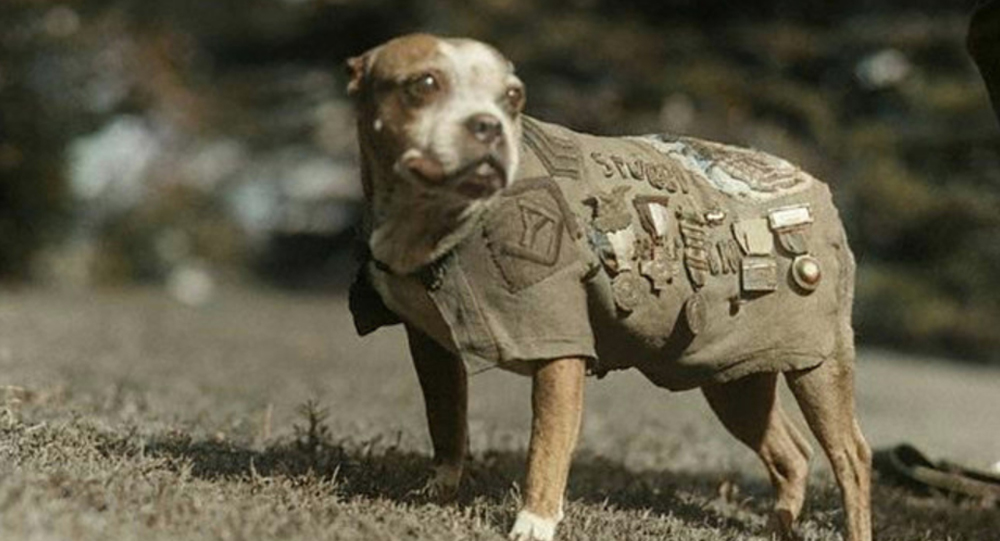
The Incredible Story of Sergeant Stubby, the Dog Who Became a War Hero
Sergeant Stubby was not just an ordinary dog—he was an extraordinary war hero who served alongside American troops during World War I. From catching a German soldier by his pants to alerting soldiers of mustard gas attacks and locating wounded comrades, Stubby’s bravery saved countless lives in the trenches. This article chronicles the inspiring journey of the stray dog who became the most decorated animal of the Great War and remains a beloved symbol of courage and loyalty.
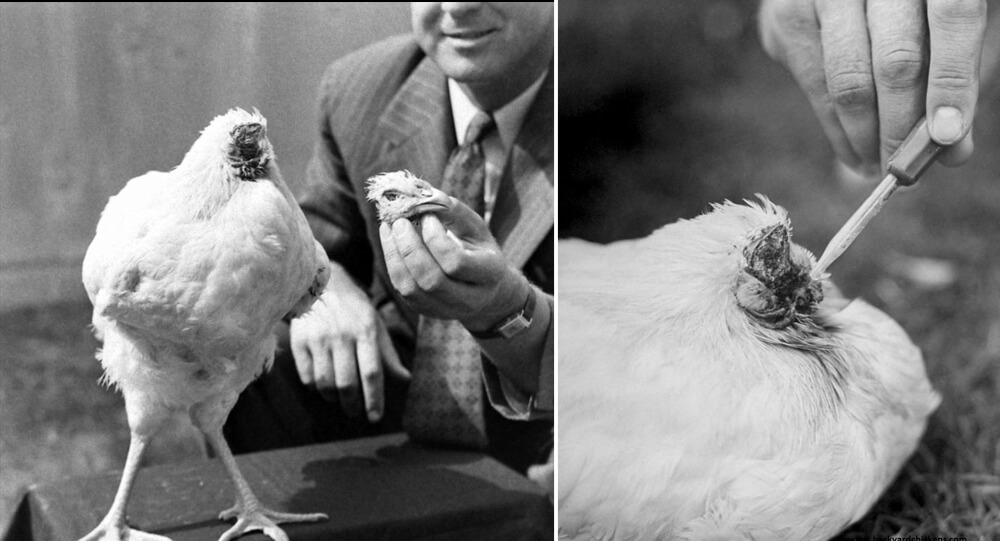
The story of The chicken that lived for 18 months without a head
Mike the Headless Chicken was a rooster whose head was accidentally chopped off but miraculously survived. This is due to most of the brain stem being left intact. He was fed using a special tube that delivered food directly into his esophagus. Despite his lack of a head, he lived for 18 months, gaining worldwide fame before ultimately choking on a kernel of corn during one of his tours, in a Motel in Fruita, Colorado.

Remembering Alex: The African Grey Parrots Final Message
"You be good, I love you. See you tomorrow" Parrot's last words to her caretaker. Alex (1976 – September 6, 2007) was an African Grey Parrot and the subject of a thirty-year (1977–2007) experiment by animal psychologist Irene Pepperberg, initially at the University of Arizona and later at Harvard University and Brandeis University. Pepperberg bought Alex in a regular pet shop when he was about one year old.
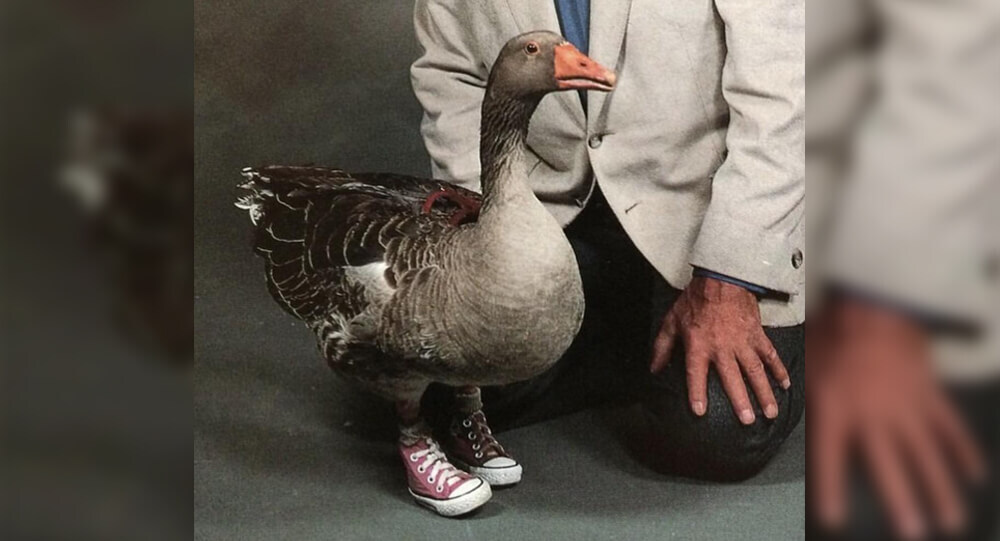
Andy Goose - The Goose With No Feet but wears Nike shoes
Andy was a goose who was born without feet. However, his owner came up with a solution to help him stand and move around by outfitting him with Nike sneakers. This gave Andy the ability to move around like any other goose, but it also made him a source of inspiration for disabled children. Sadly, he was mysteriously murdered in 1991.

The viral stray dog walked up to a pharmacy in Istanbul and showed an injured paw
Back in 2019, a stray dog walked up to a pharmacy in Istanbul and showed an injured paw to the pharmacist who then treated the wound and gave the dog food and water. The incident was caught on video, which went viral instantly.
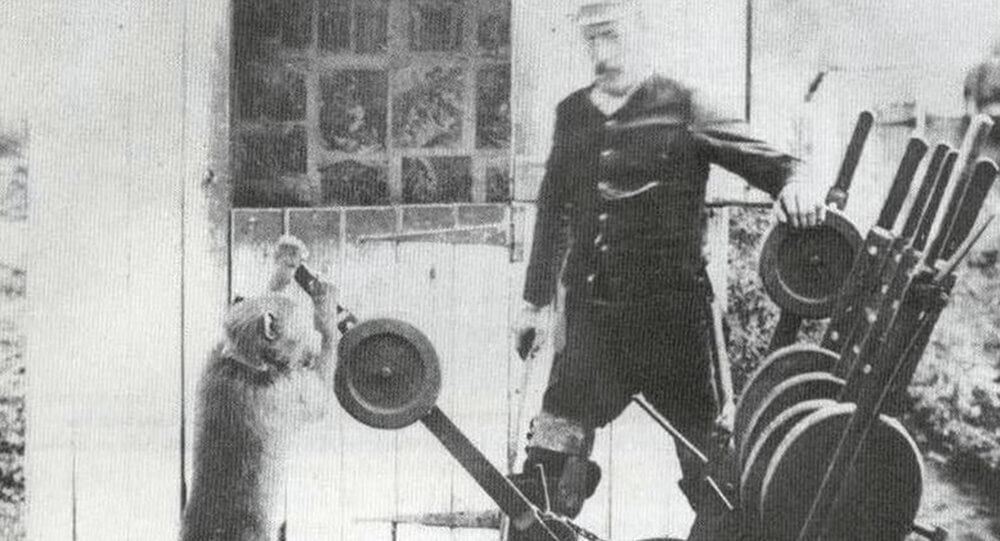
Jack the Baboon operated a railroad, earned a living, and never made a mistake
A baboon worked as a signalman for the railroad in the late 1800s. He never made a mistake and worked for the railroad until the day he died.
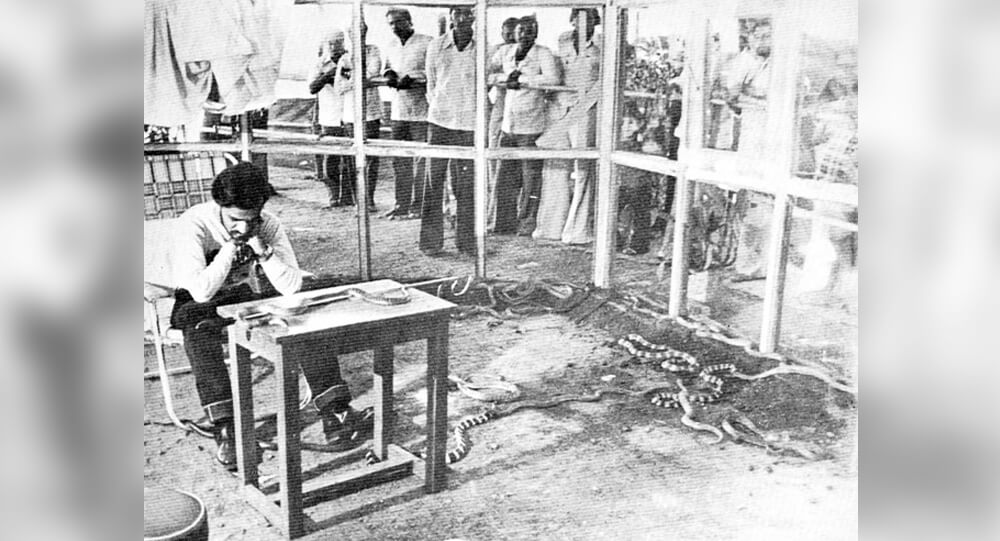
The story of a man who spent 72 hours with 72 venomous snakes to prove they only bite when provoked
In the 1980s, an Indian man spent 72 hours in a glass cabin with 72 snakes, some of which were extremely venomous. His aim was to prove that snakes only attack when provoked. Remarkably, he was not bitten once in those 72 hours and even set a Guinness World Record in the process.