
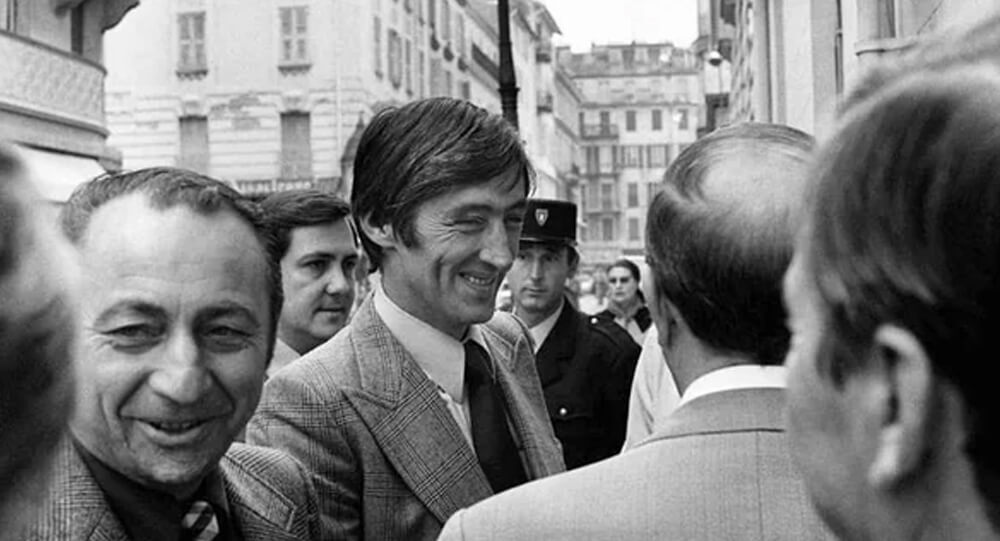
An old proverb from Northern England goes, “Where there’s muck, there’s brass,” which implies that those who don’t mind getting their hands filthy can frequently make good money. For Albert Spaggiari, the mastermind of the largest bank heist in French history, that was undoubtedly the case. He left no trace of the whereabouts of the millions he had stolen.
Spaggiari, who was born in 1932, was a tearaway who was constantly in trouble for stealing. When the boy was three years old, his mother, a lingerie shop owner, quickly got married again, but the boy disliked his stepfather. After leaving his family at the age of 17, he enlisted in the Parachute Regiment to fight the communist army of Ho Chi Minh in Indochina.
Spaggiari was a tough soldier who received two wounds and a bravery award. However, his previous weakness reappeared, and in 1953 he was taken into custody for breaking into a milk bar in Hanoi in order to steal the goods. He was imprisoned and returned to France wearing irons.
Spaggiari appeared to have changed his ways by the late 1960s; he got married to a nurse, relocated to the South of France, and set up shop in Nice for photography. His talent and charm quickly made him more and more in demand for social events and other weddings.
But his fingers were itching, and he was itching for action. Plans for a strong heist also started to form in his mind when he discovered that the Société Générale bank’s walls were in close proximity to the Nice sewer system.
He first rented a safety box in the bank’s vault and placed a loud alarm clock that was programmed to go off at midnight inside of it as a precaution. To ensure his plans were not interrupted, Spaggiari checked for seismic or acoustic detection alerts.
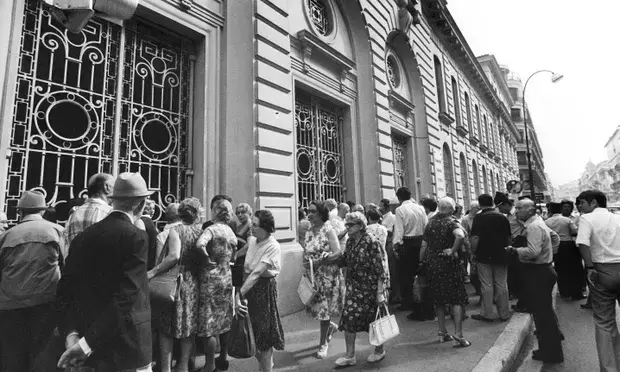
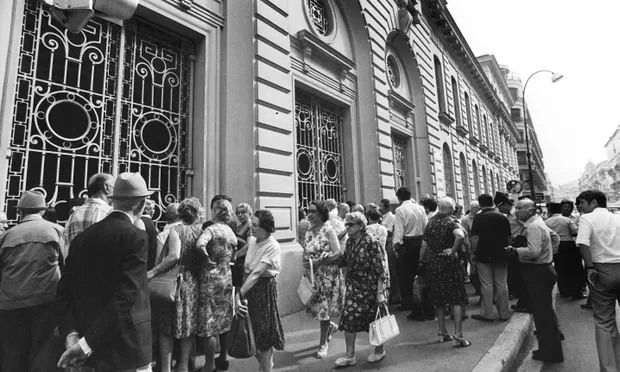
He didn’t have to worry. Similar to the owners of the Titanic, who believed their ship could not sink, the bank believed its vault could not be breached.
He then gathered a group of Marseilles-based criminals who made their way into the sewers. They dug an eight-meter (26-foot) tunnel, which Spaggiari insisted be shored up, and a mine shaft. They also installed hundreds of meters of electrical cables to provide lights while for two months in the summer of 1976, they waded through human waste every night.
Along the concrete-reinforced tunnel’s walls were sexist images of women, and police subsequently discovered food scraps, wine bottles, and cigarette packs.
They broke into the vault on Friday night of the three-day Bastille Day weekend, used a welding gun to seal the door from the inside, and broke open 371 safety deposit boxes before making an escape early on Monday.
Some reports state that Spaggiari fed his men wine and pâté, and that they had a picnic lunch inside the vault, where they looked through the various safety deposit boxes for hours.
The value of the haul would never be known because the bank had no idea what was inside the boxes. The estimated value of the cash and jewels varied from 30 million to 100 million francs.
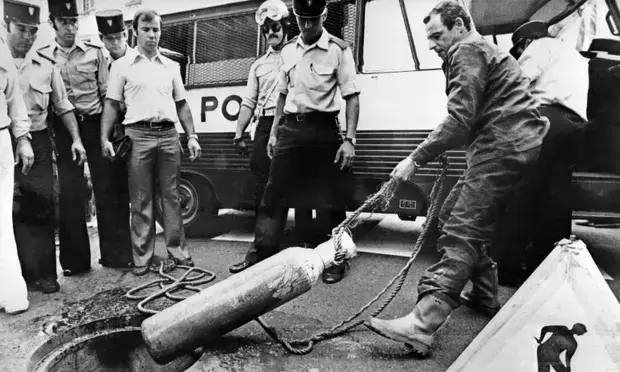
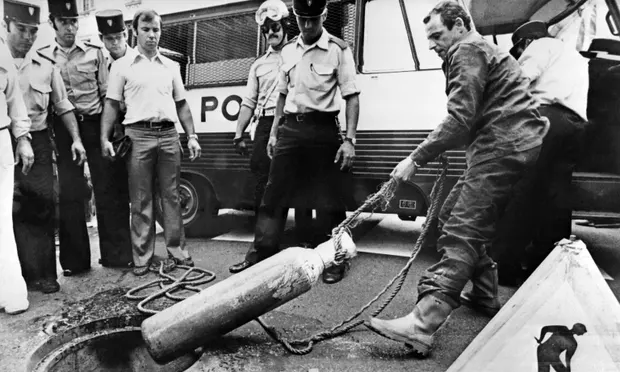
When the shocked bank’s locksmiths finally succeeded in opening the door, they discovered deposit boxes strewn all over the floor, the gang’s uneaten food remains, and a chalkboard bearing the words “Sans Armes, ni Violence, ni Haine” (without weapons, violence, or hate).
A few weeks later, the police apprehended one of the thieves who named the entire gang, including Spaggiari, after receiving a tip. As a photographer, he traveled to the Far East with the Mayor of Nice and was detained when the plane returned.
Spaggiari requested to see the judge in his chambers during his trial. Suddenly, he dashed to a window, threw it open, and jumped out. “Au revoir,” he waved before roaring off while perched atop a motorbike belonging to one of his accomplices. He was never seen by the French police again.
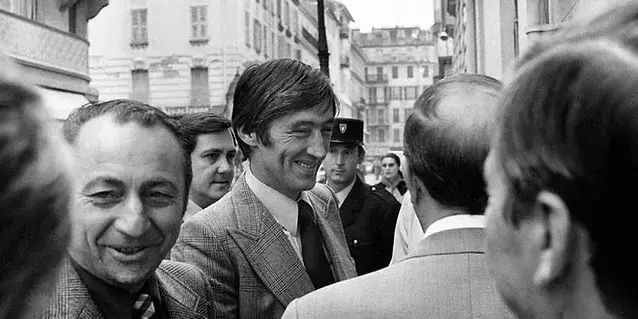

The judge sentenced him to life in prison while he was away. For the remainder of his life, Spaggiari traveled back and forth between Europe and South America, and it is thought that he occasionally visited his wife in France. He had been living in Italy under a false identity for a number of years when he passed away from lung cancer in 1989.
The French biopic “Sans arme, ni haine, ni violence” about Spaggiari was released in theaters in 2008. It showed him as an adventurous thief mixed with comedic fantasist, stranded by an Argentine hotel pool.
English thriller writer Ken Follett partially rewrote French journalists René-Louis Maurice and Jean-Claude Simoën’s book “The Heist of the Century,” which was inspired by a book written by Spaggiari and published in 1977 and titled “Sewers of Gold.”
Unanswered Questions: The Mystery Surrounding Spaggiari’s Disappearance
For decades, investigators and the general public have been confused by the question of whether Spaggiari was able to actually escape prosecution. There have been no verified sightings or reliable leads regarding his whereabouts despite intensive efforts to locate him. That he disappeared into the shadows and left the world full of unanswered questions and fascinating memories is a possibility.
There are a lot of speculations and theories regarding Spaggiari’s disappearance. Some people think he passed away suddenly, while others think he lived a quiet life in obscurity. The mystery and appeal of the man who stole 45 million francs and dared to vanish without a trace are only increased by the lack of hard evidence.


Chinese Couple Sell Their Three Children to Play Video Games
A young Chinese couple has sold all their three children in exchange for money to play online games at internet cafes.
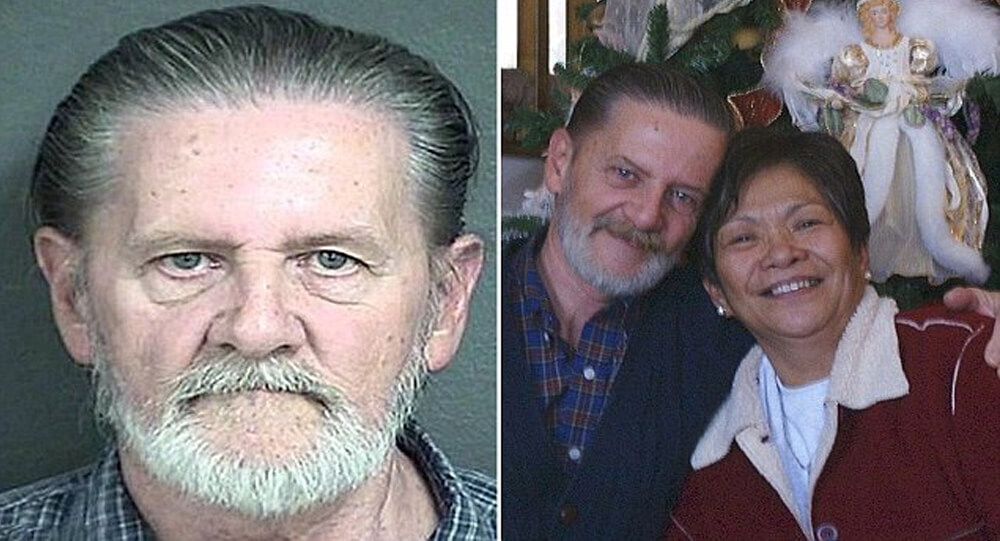
Man who robbed bank to get away from wife sentenced to home confinement
In 2017, a 70-year-old man robbed a Kansas City bank, then sat down in the lobby waiting for the Police to arrive stating he’d rather live in jail than with his wife. He was arrested but rather than thrown in a cell he was sentenced to 6 months of home confinement.


How a Pizza Delivery Saved a Hostage in 2015
A pizza delivery once helped end a hostage situation! In 2015, a pizza order placed by a woman being held hostage included a hidden message for help. The pizzeria staff alerted the police, leading to her rescue..!

The truth behind the murder of Cara Knott
After the murder of Cara Knott in 1986, a local news station filmed a ride-along segment with a highway patrol officer named Craig Allen Peyer who talked about women’s safety and gave tips on what to do when stranded on the road. That same officer later turned out to be the “Knotts killer.” He was convicted of the crime in 1988.
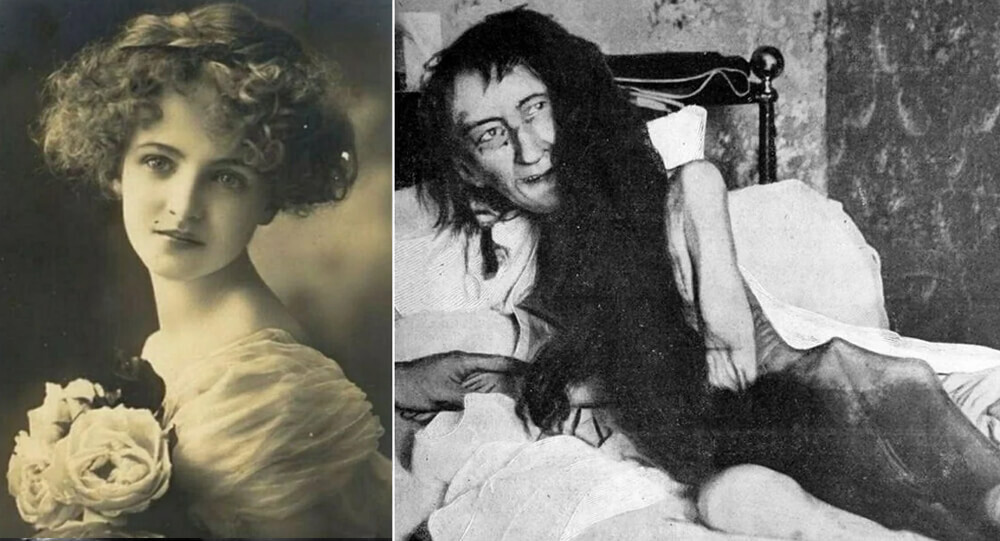
Blanche Monnier: Imprisoned For 25 Years For Falling in Love
Blanche Monnier, she was a French woman noted for her beauty, she wished to marry an old lawyer that her mother disapproved of, so she locked her in a small dark room in her attic for 25 years.
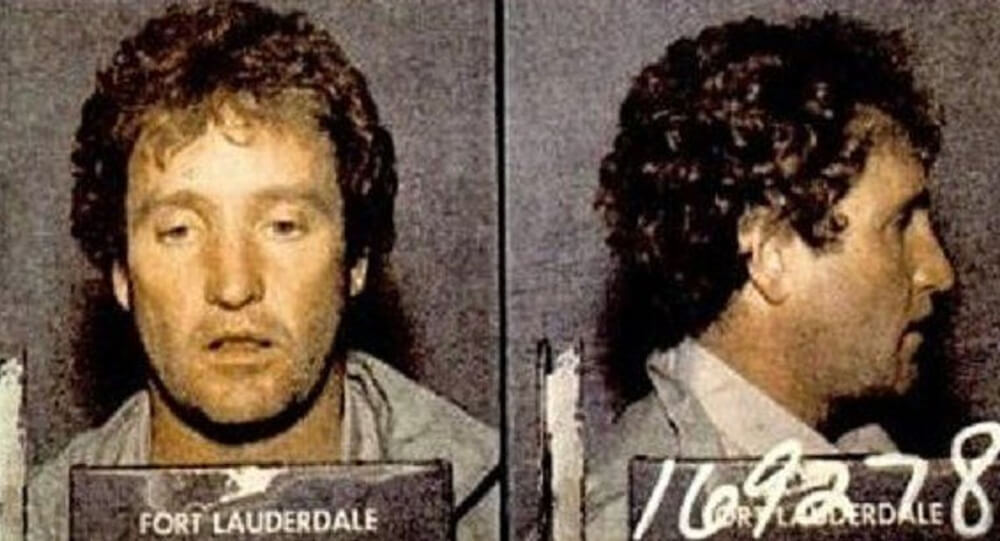
Andre Stander: The Police Officer Who Became a Bank Robber
Like scenes from a blockbuster movie, Andre Stander robbed Banks during his lunch breaks and returned to the scene as the lead investigating officer

The 2007 Mauritanian Flight Hijacking That Passengers Turned Into Victory
In 2007, a tense hijacking aboard an Air Mauritania flight turned into an extraordinary story of quick thinking and passenger bravery. When a gunman took control mid-flight, the pilot covertly warned passengers in French—a language the hijacker didn’t understand—that a sudden bumpy landing was imminent and urged them to use the moment to overpower the attacker. The passengers bravely followed the plan, dousing the hijacker with boiling water and subduing him, transforming fear into triumph. This article relives the harrowing incident and highlights the courage that saved lives on board.
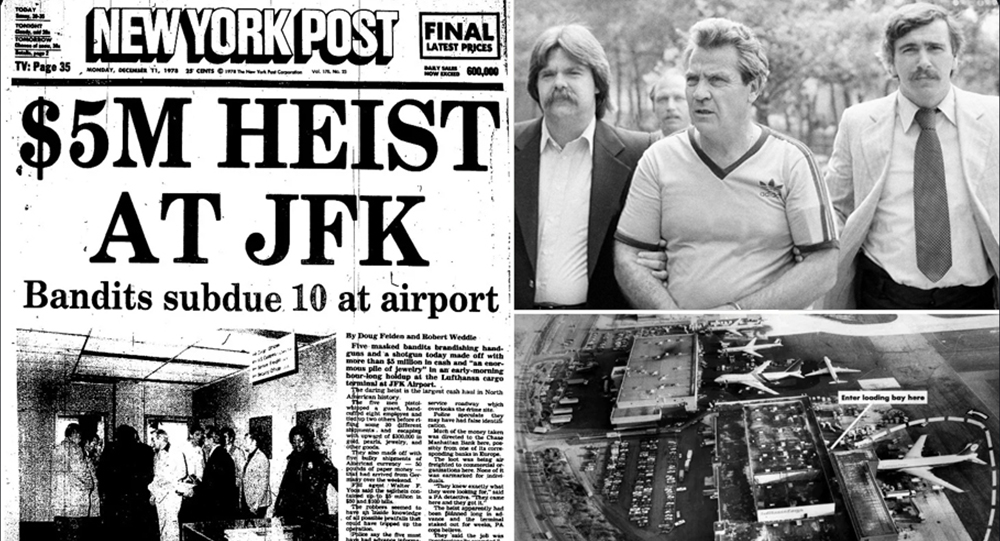
The 1978 Lufthansa Heist: Unraveling the Mystery of America's Most Infamous Airport Robbery
During the 1978 Lufthansa heist, robbers infiltrated JFK Airport, restraining employees and holding a night guard hostage. They escaped with $5.9 million—worth over $27 million today. The crime, linked to the Lucchese crime family, remained unsolved for decades, with most suspects vanishing
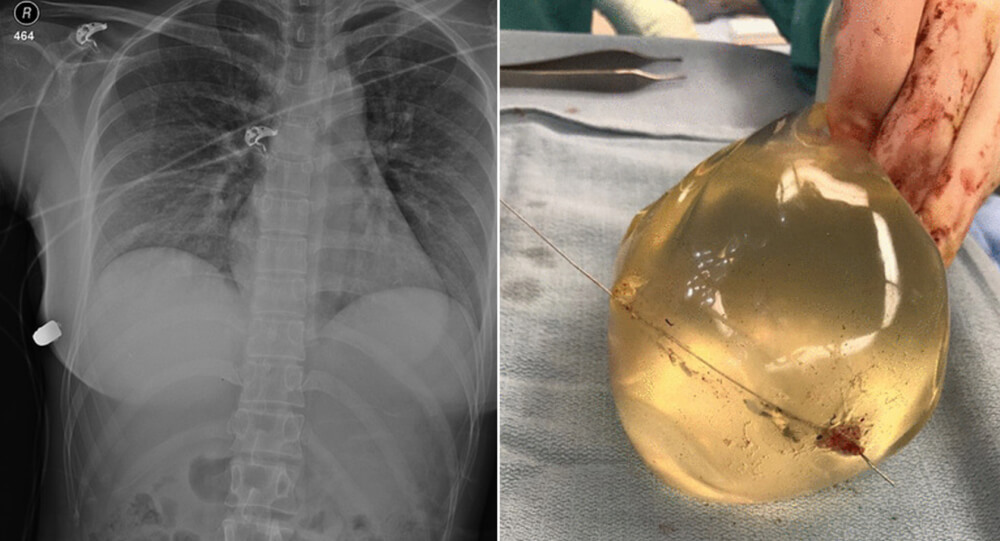
In 2018, a 30-year-old survived a close-range gunshot thanks to silicone implant
In 2018, a 30-year-old woman from Toronto, Canada survived a close-range gunshot thanks to her silicone breast implant. Doctors believe that the implant deflected the bullet away from her vital organs, and her only injury was a fractured rib.
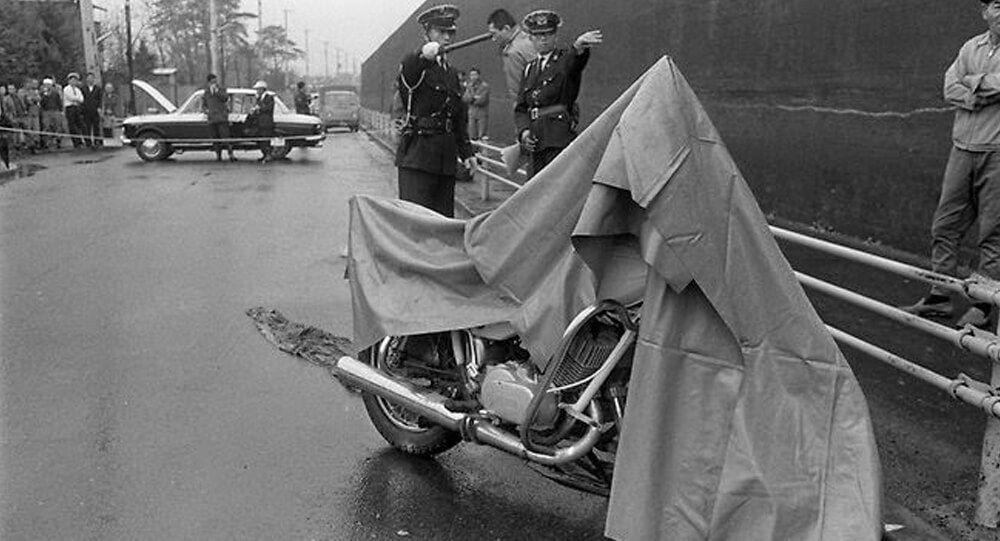
The great robbery: 300 million yen robbery
In 1968, a car driven by bank employees was pulled over by a motorcycle cop claiming the car had been rigged with a bomb. The cop got under the car to “defuse” the device. When the car started to smoke, everybody ran. Then the “cop” just drove the car away. The 300M Yen robbery remains unsolved
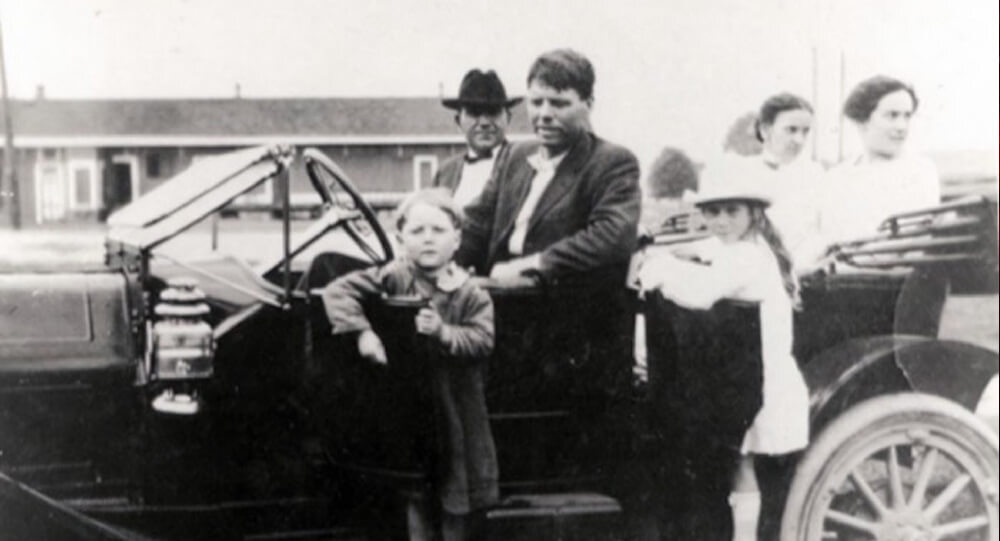
The Unsolved mystery of Bobby Dunbar's Disappearance
In 1912, a four-year-old boy named Bobby Dunbar went missing on a family trip, 8 months later he was found and reunited with his family. Nearly a century later, DNA testing of his descendants revealed that the child reunited with the Dunbar family was not Bobby, but rather a boy named Charles (Bruce) Anderson who resembled Bobby.
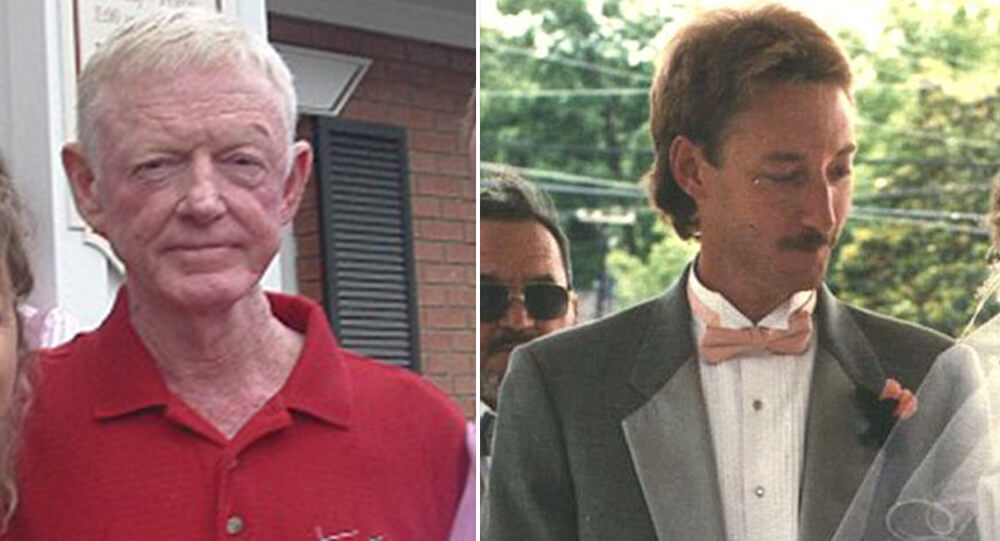
Recipient of suicide victim's heart kills himself 12 years later
In 1995, Sonny Graham received a transplanted heart from a suicide victim. He then committed suicide in the very same manner as the donor.

Woman found guilty of murdering her husband after a parrot repeated the victim's 'last words'
In 2017, a woman named Glenna Duram shot her husband five times before attempting suicide. Soon after, the couple’s pet African Grey parrot, the only witness to the crime, started repeating the words “don’t f*****g shoot!” It is thought to have been the pair’s last exchange. Duram survived and was found guilty of first-degree murder.
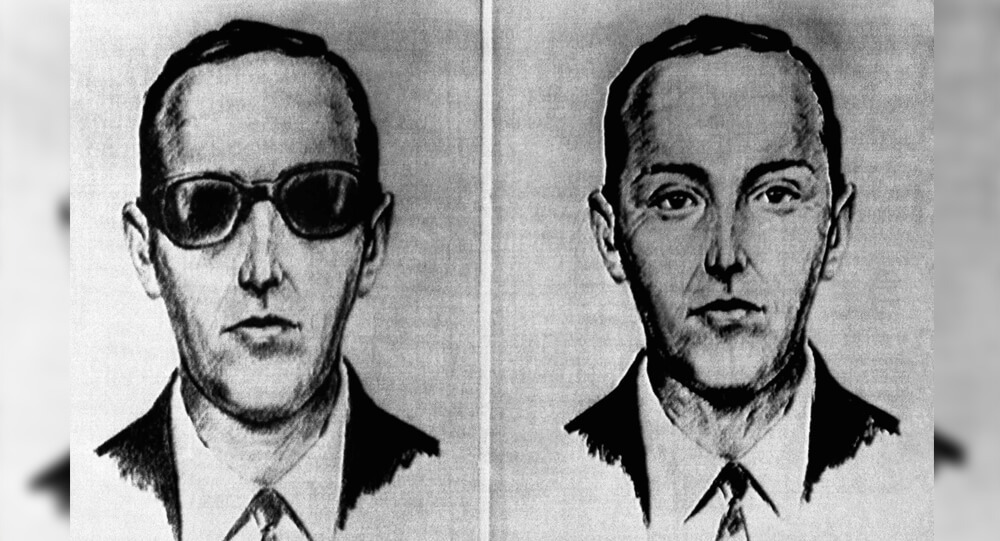
D.B. Cooper: Man who hijacked a plane and jumped out with a $200,000
On November 22, 1971, DB Cooper hijacked a Boeing 727, drank a whisky, smoked a fag, and then jumped out of the plane with $200,000. He was never again seen.
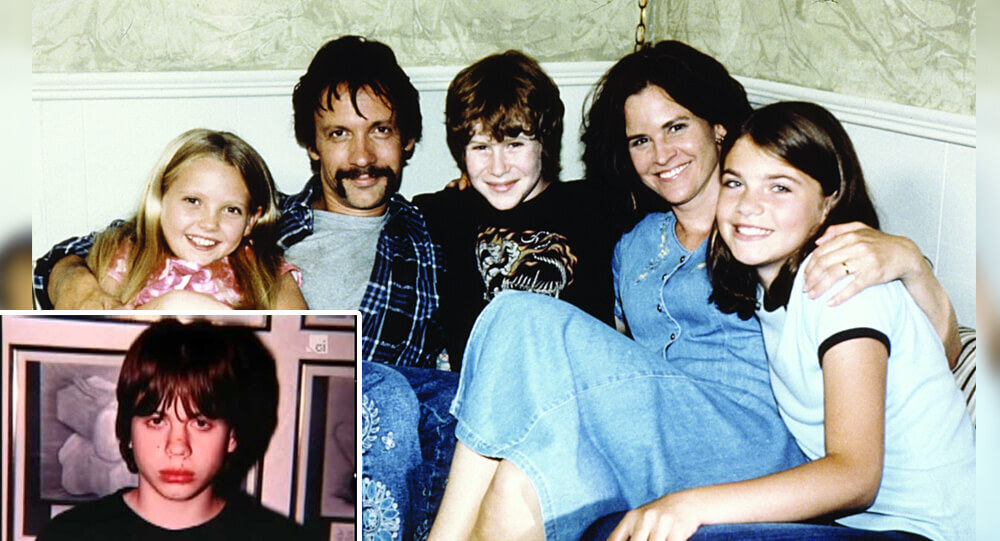
Michael Crowe Found 'Factually Innocent' In Sister's Murder
In 1998, 14-year-old Michael Crowe was charged with the murder of his sister. The police started targeting him after he seemed “distant and preoccupied” when his sister’s body was discovered, and during interrogation, police coercion led him to make a false confession. He was later declared factually innocent and the family won a lawsuit of $7.25 million in 2011.

Brazilian gang leader attempts to escape from Rio de Janeiro prison by dressing up as his daughter
In 2019, a Brazilian gang leader tried to escape from prison by dressing up as his daughter when she visited him behind bars and walking out of the penitentiary's main door in her place.

Quaker Oats Fed Children with Radioactive Oatmeal
In the 1940s and 1950s, Quaker Oats and MIT conducted experiments on radioactive iron and calcium-containing cereal. The diet was part of a study to see if the nutrients in Quaker oatmeal traveled throughout the body. In January 1998, a $1.85 million settlement was reached for 30 victims who came forward.
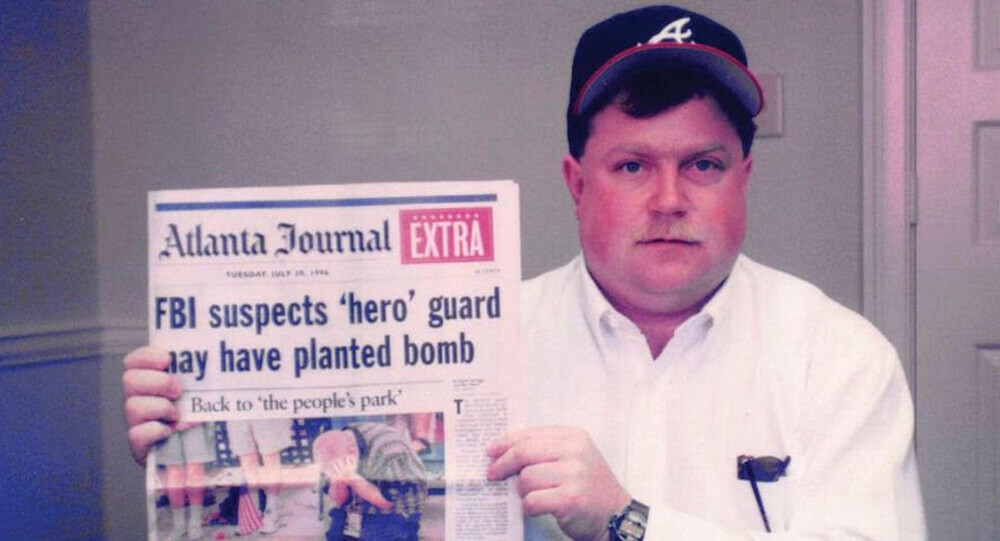
During the 1996 Olympic bombing, Richard Jewell falsely accused of committing the crime after saving dozens of people
Richard Jewell, an American security guard, discovered a bomb during the 1996 Olympic Games in Atlanta and assisted in the evacuation, but was later wrongfully accused and faced public scrutiny. He was cleared, but it had a lasting impact on him until his death in 2007 at the age of 44.

Japanese man accidentally switched at birth grew up in poverty while other baby lived life on privilege
In 2013, a 60-year-old Japanese man found out that he had been accidentally switched at birth. His biological parents were wealthy, but he was given to a struggling, single mother. While the infant who took his place grew up with all the luxuries and became the president of a real estate company, he grew up poor and became a truck driver. He later sued the San Ikukai Hospital in Tokyo that made this awful mistake in 1953.
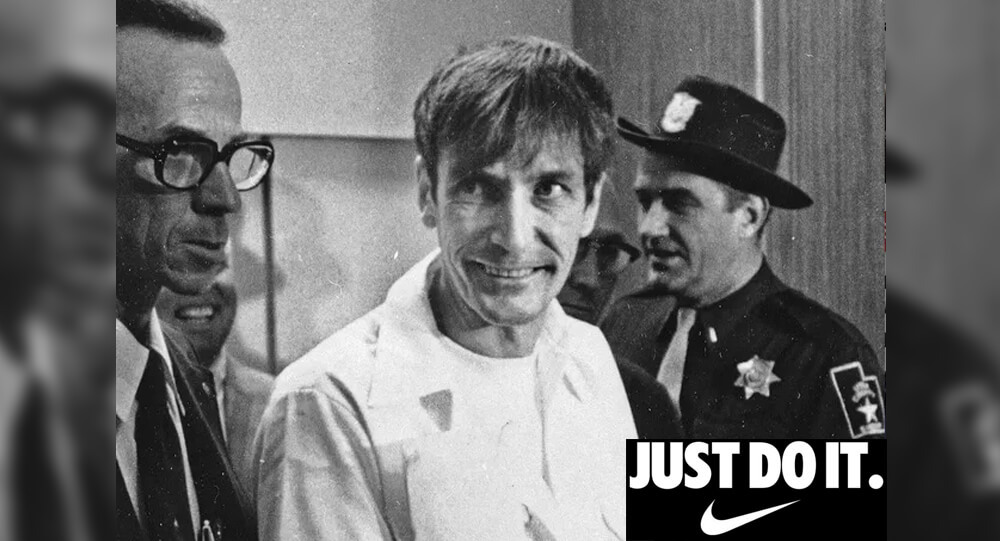
The story of Nike's famous tagline "Just do it"
Nike’s inspiration for their slogan “Just do it.” came from a man who was about to get executed, and his final words to the firing squad was “let’s do it!”

Scientists separated triplets at birth for a controversial experiment and had no idea what they were doing
As part of an experiment, a set of triplets was intentionally separated at birth and given to three sets of parents from different socioeconomic backgrounds. It was discovered in 1980, when two of the triplets attended the same college.
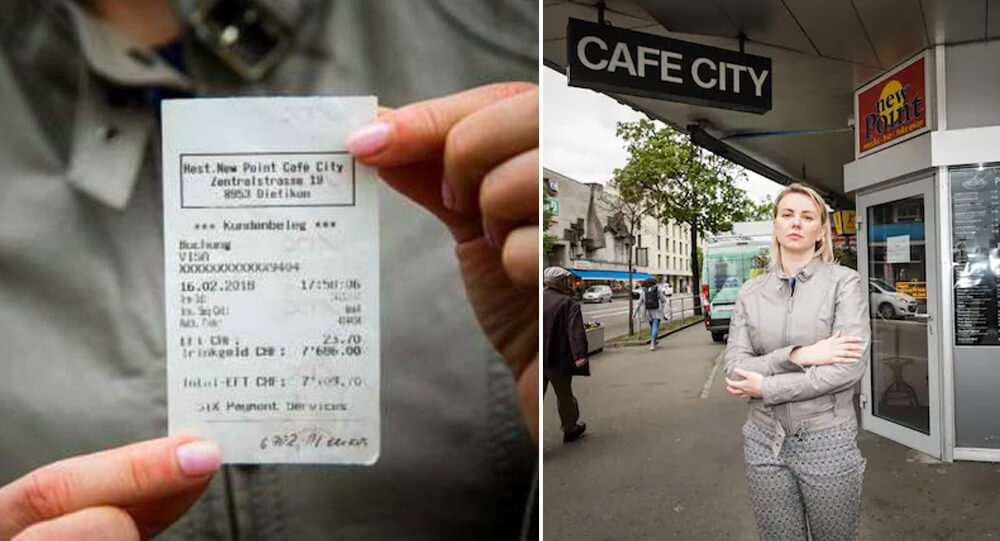
A woman accidentally tipped $7,723 for coffee and some cake and never get the money back
In 2018, a woman accidentally paid $7732 for a cup of coffee and a cake at a Swiss café after accidentally entering her PIN code as a tip. She never received a refund.

A woman finds her ex-boyfriend living in her attic 12 years after they broke up
Most people have heard of "things that go bump in the night," but for one South Carolina lady, that "thing" was her ex-boyfriend, whom she discovered living in her attic more than 12 years after they broke up.

A man faked his death in 2016 after his Mexican wife plotted to kill him by paying a hitman $2,000
In 2016, a guy faked his death after his Mexican wife plotted to murder him by hiring a hitman $2,000. He cooperated with the FBI to create fake murder images, which landed his wife in jail for 20 years.
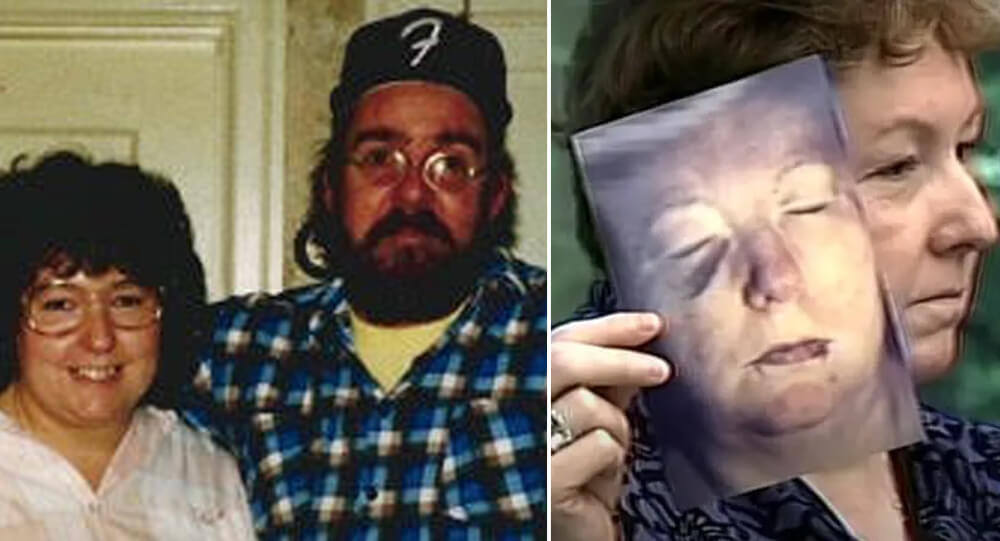
Susan Kuhnhausen Killed the Hitman Sent to Kill Her
Susan Kuhnhausen's ex-husband hired a hitman to assassinate her. Susan "made a decision to live" in that terrifying moment.