
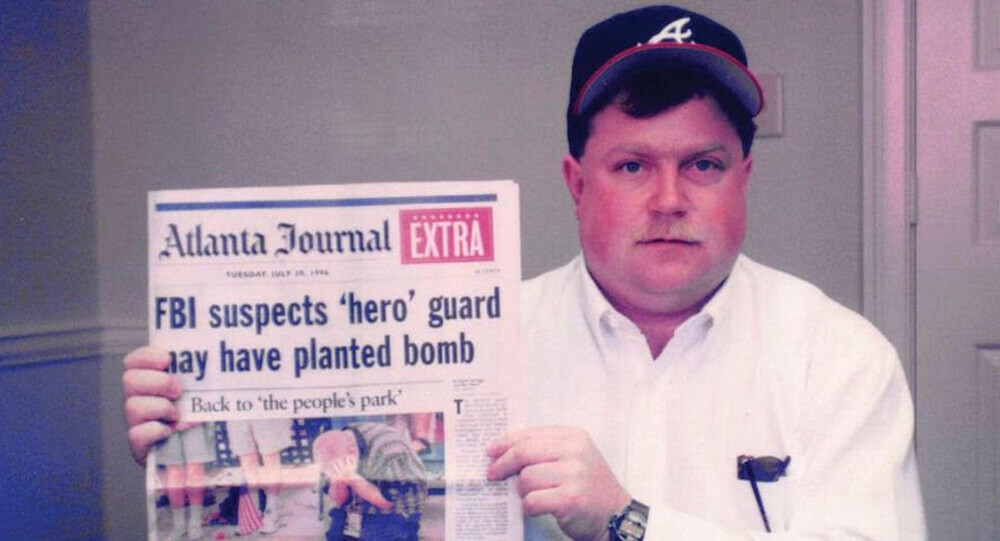

During the 1996 Olympic bombing, Richard Jewell falsely accused of committing the crime after saving dozens of people
On July 27, 1996, a security guard named Richard Jewell discovered a bomb in Atlanta’s Centennial Olympic Park during the Summer Olympics. Jewell’s quick thinking allowed him to evacuate dozens of people just before the bomb exploded, saving countless lives.
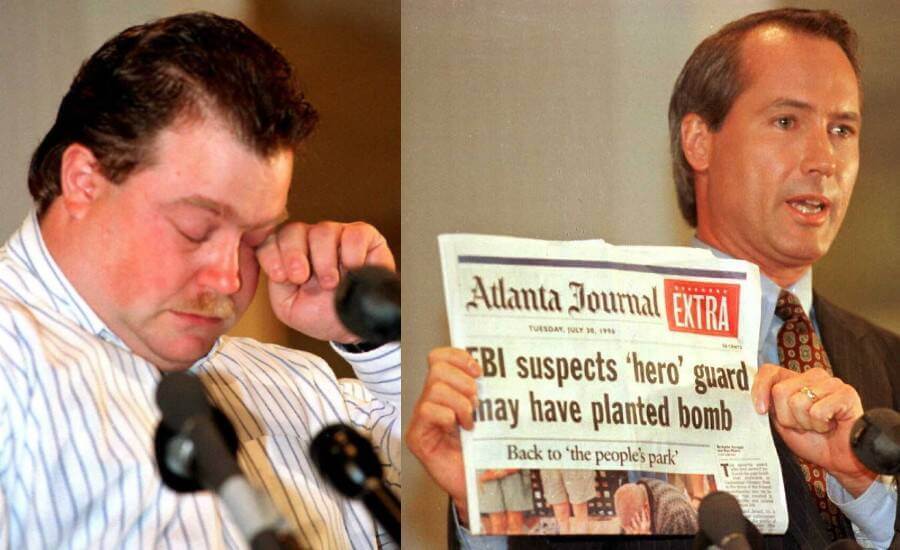
However, a few days later, news reports stated that Jewell had been designated as the FBI’s top suspect in the bombing. In the public eye, the hero quickly changed into the villain. From the Atlanta Journal-Constitution to CNN, media outlets from all over the nation painted Richard Jewell as a wannabe police officer who was so eager to play the hero that he was prepared to kill people for it.
Richard Jewell was never even formally charged with a crime, but for a torturous 88 days, everyone seemed to agree that he was guilty. In actuality, the FBI quickly gave up on Jewell’s case after realizing that he wasn’t the person they were looking for. And in 2005, a different man by the name of Eric Rudolph admitted to detonating the bomb.
Richard Jewell’s reputation was irreparably damaged, but it was too late. Later, the notorious case was examined in the 2019 film Richard Jewell. This Clint Eastwood-directed movie was made to serve as a warning about how hasty conclusions can lead to the death of an innocent person. The real account of Richard Jewell’s events, however, is even more tragic.
Richard Jewell: Who Was He?
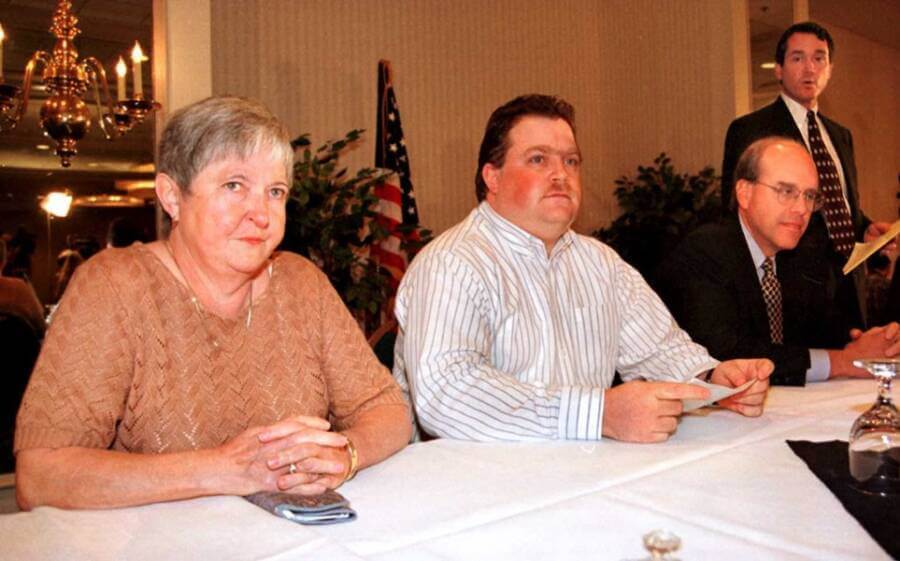
Prior to his ascent into the public eye, Richard Jewell lived a fairly ordinary life. On December 17, 1962, in Danville, Virginia, he was given the name Richard White. His mother, Bobi, brought him up in a strict Baptist family.
Richard’s mother left his philandering father when he was four years old and soon after married John Jewell, who raised Richard as his own son.
The family relocated to Atlanta, Georgia, when Richard Jewell was six years old. Even though Jewell had few friends as a young boy, he managed to stay busy on his own.
“I was a wannabe athlete, but I wasn’t good enough,” he admitted to Vanity Fair in 1997. He either volunteered at the school or assisted teachers when he wasn’t reading books about the World Wars.
After high school, he enrolled in a technical college in southern Georgia because he wanted to pursue his dream of becoming a car mechanic. However, Bobi learned about Jewell’s stepfather abandoning the family three days into the semester. Jewell left his new school in order to be with his mother.
After that, while continuing to live with his mother, he worked a variety of odd jobs, from running a neighborhood yogurt shop to serving as a jailer at the Habersham County Sheriff’s Office in northeastern Georgia.
Soon enough, he began to consider joining the police. After serving as a jailer for a year, Richard Jewell was elevated to the position of deputy in 1991. He was also sent to the Northeast Georgia Police Academy as part of his training, where he graduated in the top 25% of his class.
Richard Jewell appeared to have discovered his vocation at that point.
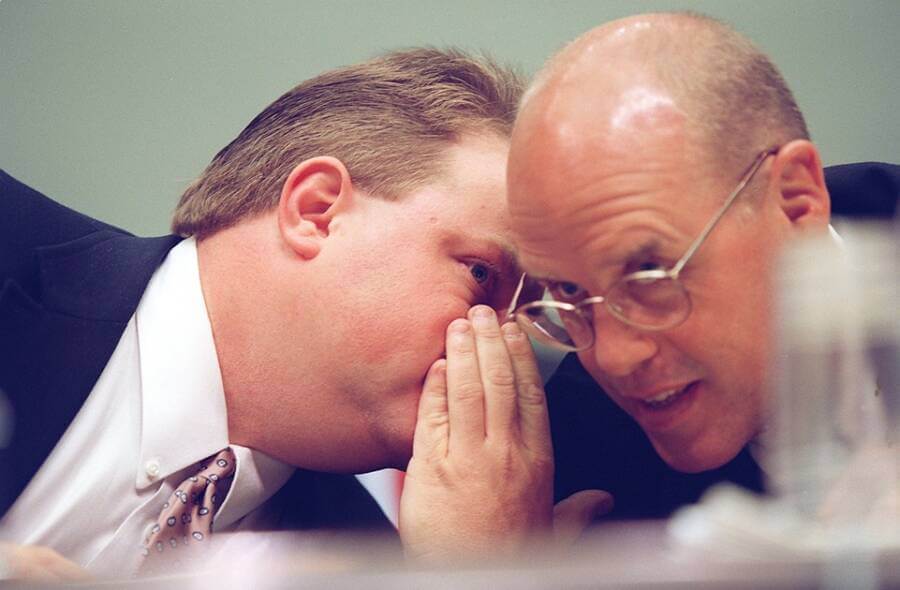
“You must be aware that Richard Jewell is a police officer in order to comprehend him. During the Olympic bombing investigation, Jack Martin, one of Jewell’s attorneys, remarked that Jewell “talks like a cop and thinks like a cop.” Even after being mistreated by the FBI, Jewell’s dedication to upholding the law was evident in the way he spoke about matters relating to police work.
Jewell’s excessive passion occasionally put him in danger. He was even once detained for pretending to be a police officer and put on probation with the requirement that he get counseling. Jewell left the sheriff’s office and took a job as a police officer at Piedmont College after wrecking his patrol car and being relegated to the position of a jailer.
Conflict arose between Jewell and the school’s administrators as a result of her harsh student policing methods. Officials from the school claim that he was ultimately pressured into leaving his position. In a cruel irony, Jewell’s admiration for law enforcement was later portrayed as obsessional, suggesting that he might resort to drastic measures in an effort to gain attention.
Richard Jewell’s Valor in the 1996 Olympic Park Bombing
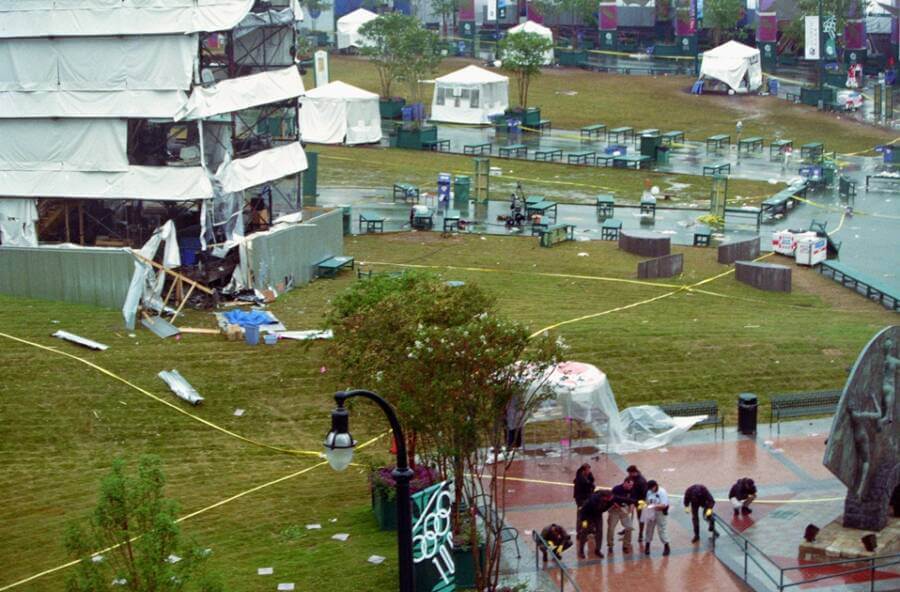
Jewell reasoned that there was probably a security job waiting for him at the 1996 Summer Olympics in Atlanta given all the publicity surrounding them.
Since his mother, who still lived in Atlanta, was preparing to have foot surgery, it seemed like the perfect opportunity. And in the end, Jewell was hired to work the 12-hour night shift as one of the security officers. He had no idea that his new job would soon cause chaos in his life.
He reportedly left his mother’s home for the Olympic Park at 4:45 p.m. on July 26, 1996, according to Jewell. and 45 minutes later arrived at the AT&T pavilion. Around ten o’clock he stopped to use the restroom.
Jewell noticed a group of inebriated people littering all over the sound-and-light tower by a music venue when he returned to his station nearby. He later admitted to being irritated with the group because they had made a mess and were bothering the camera crew to an FBI agent.
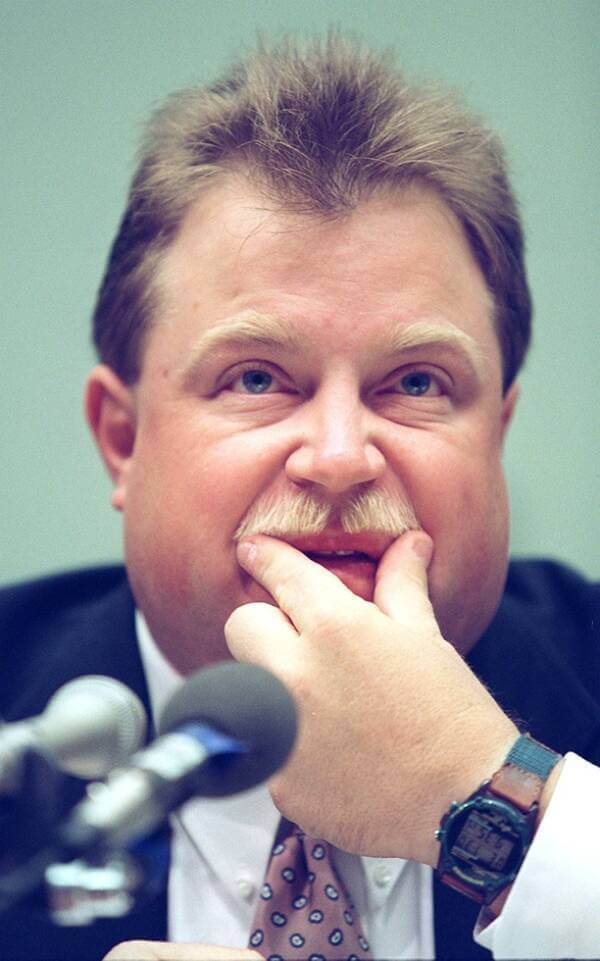
As the vigilante he was, Jewell went right away to report the drunk litterbugs. But on the way, he noticed a military-style backpack in an olive green color that had been abandoned under a bench. He initially didn’t give it much thought and even made light of the bag’s contents with Tom Davis, an investigator with the Georgia Bureau of Investigation (GBI).
“Well, I am sure one of these people left it on the ground,” Jewell said as she reflected. The little hairs on the back of my head started to stand up when Davis returned and said, “Nobody said it was theirs.” “Oh no,” I thought. This is not a good thing.
Jewell and Davis swiftly ordered onlookers away from the vicinity of the mysterious backpack. In addition, Jewell made two trips up into the tower to alert and then evacuated the technicians.
approximately 1:30 a.m. The backpack exploded on July 27, 1996, scattering shrapnel onto the crowds of onlookers nearby. Investigators discovered that the attacker had inserted nails inside a pipe bomb, a menacing device designed to cause the greatest amount of damage, after the attack.
Why Did Many People Believe Richard Jewell Was Guilty?
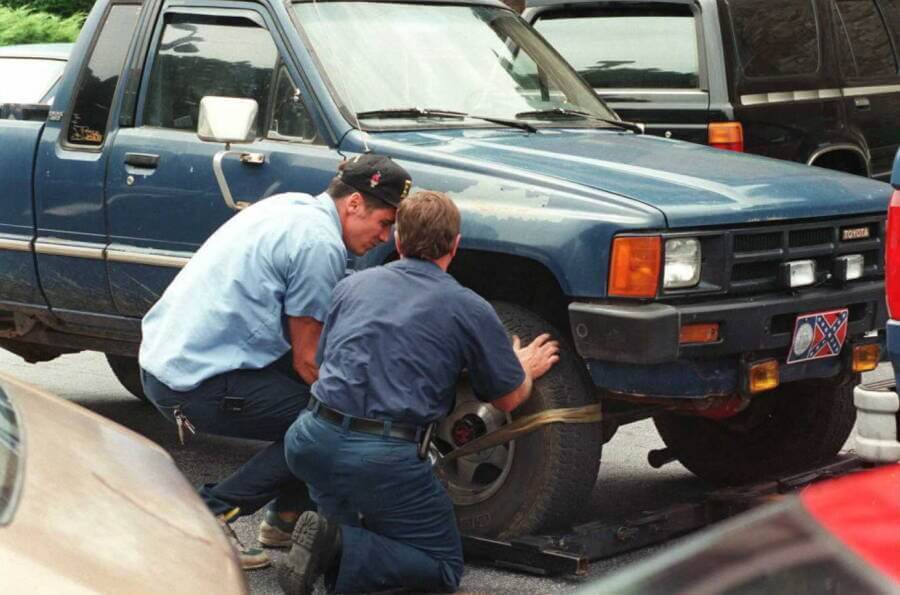
Soon after the explosion, federal agents flooded Atlanta’s Centennial Olympic Park. Even a year later, Richard Jewell, who spoke with the first agents to arrive at the park, had a clear memory of the chaotic scene that followed the bomb’s explosion.
It sounded just like what you hear in movies. In a 1997 interview, Jewell remarked, “It was like kaboom. “All of the shrapnel that was inside the package kept flying around, and some of the people got hit from the bench and some with metal.”
According to later reports, dispatchers were alerted to the threat by a 911 call from a nearby phone booth that said, “There is a bomb in Centennial Park. It was probably the bomber who said, “You have 30 minutes.”
One woman was killed and 111 people were injured in the Centennial Olympic Park explosion; a cameraman also passed away from a heart attack while trying to capture the event. However, the number of fatalities could have easily been much higher if Richard Jewell hadn’t partially evacuated the area.
Richard Jewell was immediately hailed as a hero by the media after they learned about his discovery of the bag and the action he took to evacuate the crowd.
However, his notoriety quickly faded after the Atlanta Journal-Constitution ran a front-page article with the headline “FBI Suspects ‘Hero’ Guard May Have Planted Bomb,” which implied Richard Jewell might have been responsible for organizing the attack in the first place.
The newspaper’s police reporter, Kathy Scruggs, reportedly received information about Richard Jewell’s potential involvement in the bombing investigation from a friend who works for the federal bureau. Another source who was affiliated with the Atlanta police confirmed the tip.
The most damaging part of the article was one sentence: “Richard Jewell… fits the profile of the lone bomber,” which was printed despite neither the FBI nor experts in criminal behavior making any public statements. Other news organizations that covered the bombshell story described Jewell in a similar manner, portraying him as a one-man bomber and wannabe police officer.
“They were talking about a hero bomber’s FBI profile, and I was like, ‘What FBI profile?The late Robert Ressler, a former FBI agent from the Behavioral Science Unit who interrogated notorious murderers like Ted Bundy and Jeffrey Dahmer during his career, said, “It rather surprised me.
The “hero bomber” profile does not exist, according to Ressler, who co-wrote the Crime Classification Manual used by the FBI.
Ressler had a sneaking suspicion that the phrase was a bombastic take on “hero homicide,” which describes a person who craves attention but wouldn’t kill anyone.
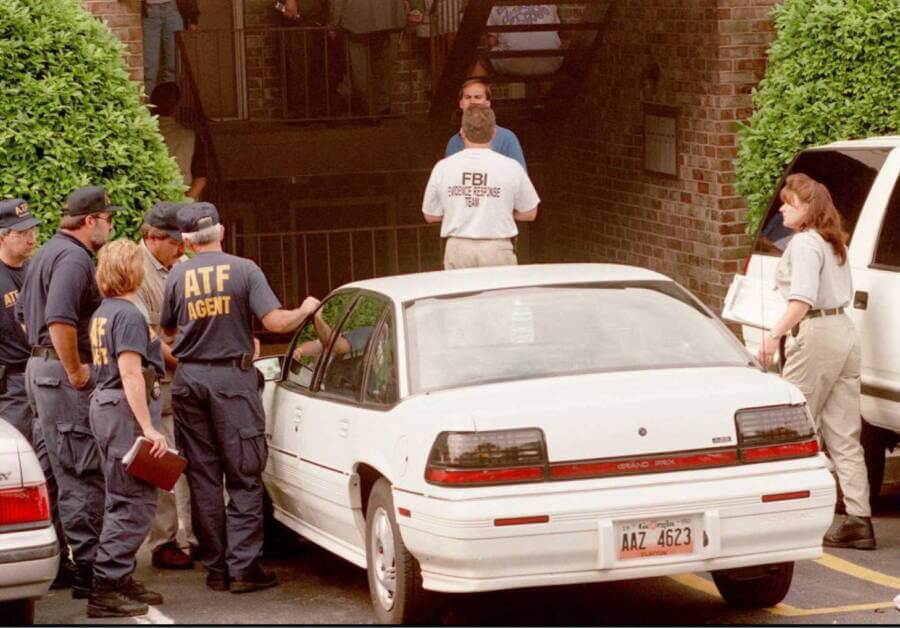
He and his mother were the subject of a media frenzy for 88 days after the FBI’s investigation into Richard Jewell was reported. News vans staked out in front of his mother’s apartment as investigators searched it and brought Jewell inside for questioning.
The United States announced in October 1996 that Richard Jewell could not have detonated the bomb based on his whereabouts that evening. He was formally exonerated by the Justice Department of being a suspect in the Centennial Park bombing investigation. However, his reputation had already been irreparably harmed.
You don’t revert to your original state, Jewell said. “I seriously doubt I’ll ever get that back. I was supposed to be their hero during the first three days—the one who saves lives. They no longer refer to me in that way. I now stand accused of bombing Olympic Park. They believed that individual was responsible.
The Aftermath Of A Tumultuous “Trial By Media”
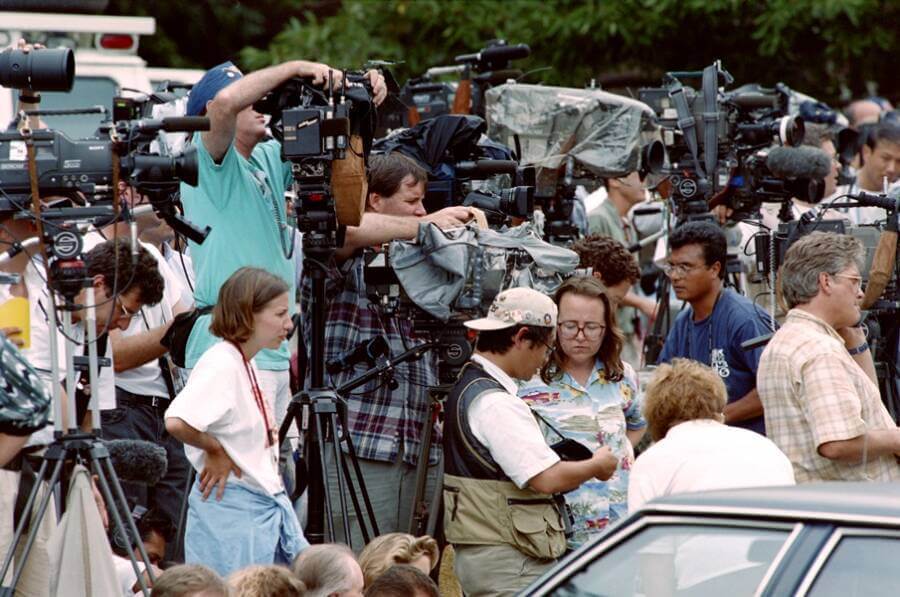
The incident involving Richard Jewell has become a case study in careless FBI investigation and careless press reporting.
According to one of Jewell’s lawyers, Watson Bryant, “this case has everything — the FBI, the press, the violation of the Bill of Rights, from the First to the Sixth Amendment.”
A phone call from Jewell’s former employer, Piedmont College President Ray Cleere, who informed the FBI about the security guard’s alleged overzealousness and his forcible departure from the school, served as a catalyst for the investigation into Jewell’s innocence. However, aside from the bureau, no one else can be made to answer for the investigation’s poor management.
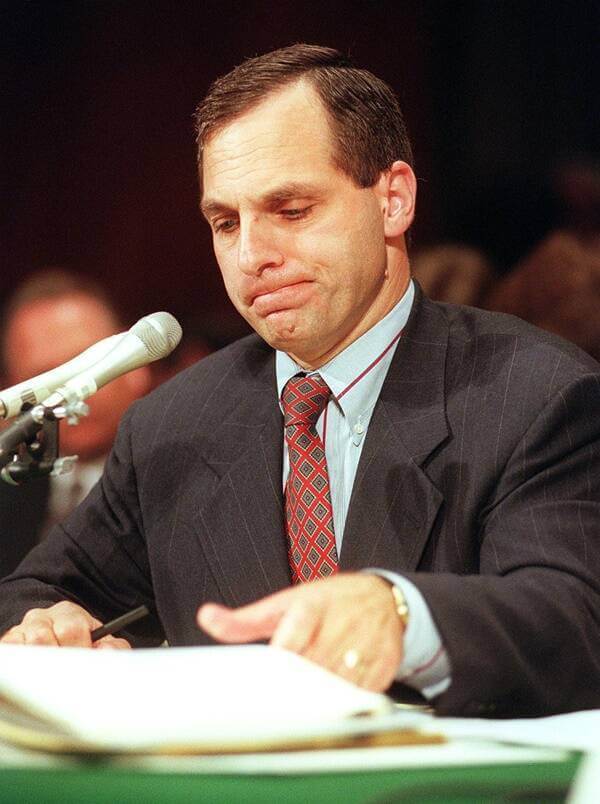
One year after the bombing, a Vanity Fair story exposed tensions within the organization brought on by toxic rivalries and micromanaging leadership, particularly from then-FBI Director Louis Freeh. Due to the FBI’s handling of the case, an investigation was launched, and Richard Jewell was requested to testify at congressional hearings regarding the bureau’s actions.
Then it became known that Richard Jewell had been questioned by FBI agents who were directly involved in the bombing case under false pretenses as a suspect. Under the pretense of working with them to create a training video for first responders, FBI agents Don Johnson and Diader Rosario brought Jewell to the agency’s headquarters on July 30, 1996, where she was questioned.
Reexaminations of the case-related reporting also uncovered terrible reporting errors. Despite the lack of supporting evidence, the tone of the reporting implied that Richard Jewell was guilty and portrayed him as a fame-obsessed wannabe hero.
He was referred to in the New York Post as “a Village Rambo” and “a fat, failed former sheriff’s deputy.” Jay Leno said that Jewell “had a scary resemblance to the guy who whacked Nancy Kerrigan,” and questioned, “What is it about the Olympic Games that brings out big fat stupid guys?”
According to Dave Kindred, a columnist for the Atlanta Journal-Constitution, Richard Jewell was drawn to the blue lights and sirens of police activity, just like Wayne Williams, who was convicted of murder and is suspected of killing multiple children. He also rose to fame after a murder, like this one.
What happened to Richard Jewell? His tragically early death and settlements with media outlets
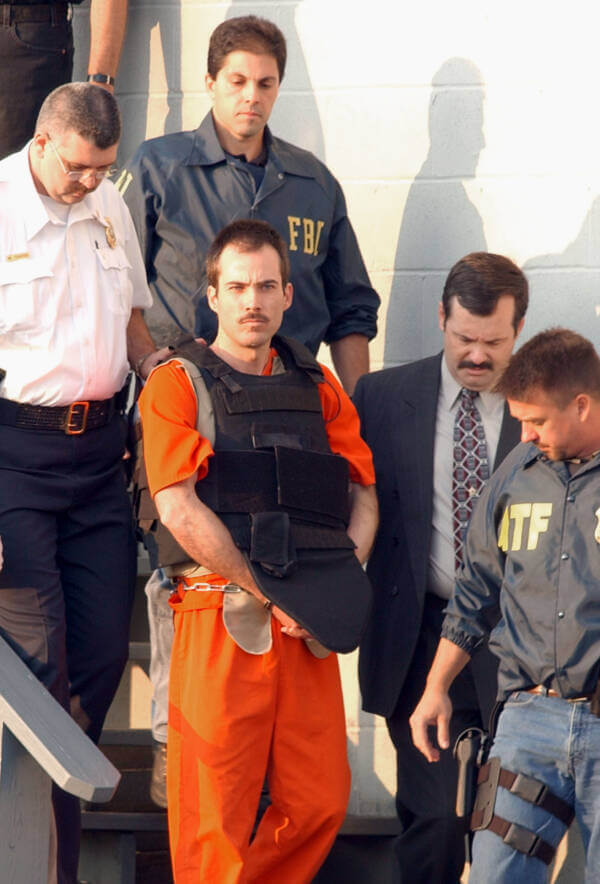
Following an investigation, Richard Jewell filed libel suits against several media organizations and was successful in obtaining settlements from Piedmont College, the New York Post, CNN, and NBC (the latter for an alleged $500,000). He did, however, lose a 10-year battle with Cox Enterprises, the Atlanta newspaper’s parent company.
After Richard Jewell passed away in 2007, the libel case against the Journal-Constitution persisted for years and even reached the Georgia Supreme Court. However, the Court ultimately decided that the newspaper owed Jewell and his family nothing because its reporting was accurate at the time of publication—that is, that he was in fact an FBI suspect in the days following the bombing.
However, Richard Jewell lost two significant things that no amount of settlements could ever bring them back for him: his dignity and peace.
After the Justice Department exonerated him of the bombing, he broke down in tears and said, “I hope and pray that no one else is ever subjected to the pain and the ordeal that I have gone through.”
“The government should be mindful of citizen rights. I’m grateful that it’s over and that you now understand what I already knew: I’m an innocent man.
The real bomber, Eric Rudolph, admitted responsibility for the attack as well as three other bombings in 2005, years after Richard Jewell was cleared of all charges. Sadly, Richard Jewell passed away only two years later.
Richard Jewell passed away on August 29, 2007, as a result of complications from diabetes and heart disease. He was only 44, so after the bombing and the ensuing media frenzy upended his life, he had very little time to enjoy it.
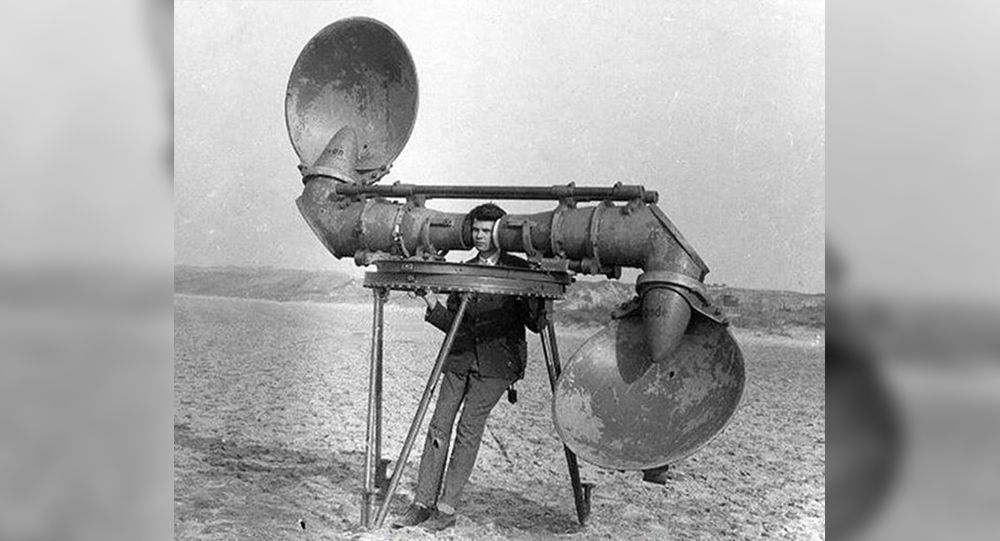
Before Radar: How Giant Acoustic Mirrors Detected Enemy Aircraft in WWI and WWII
Long before radar revolutionized air defense, enormous acoustic mirrors and specialized sound locators stood as the first line of defense against enemy aircraft. Designed as giant “ears,” these structures amplified distant engine noises, allowing operators to detect incoming planes by sound alone. Dive into the intriguing world of these pioneering listening devices, their operation, limitations, and enduring legacy in military history.
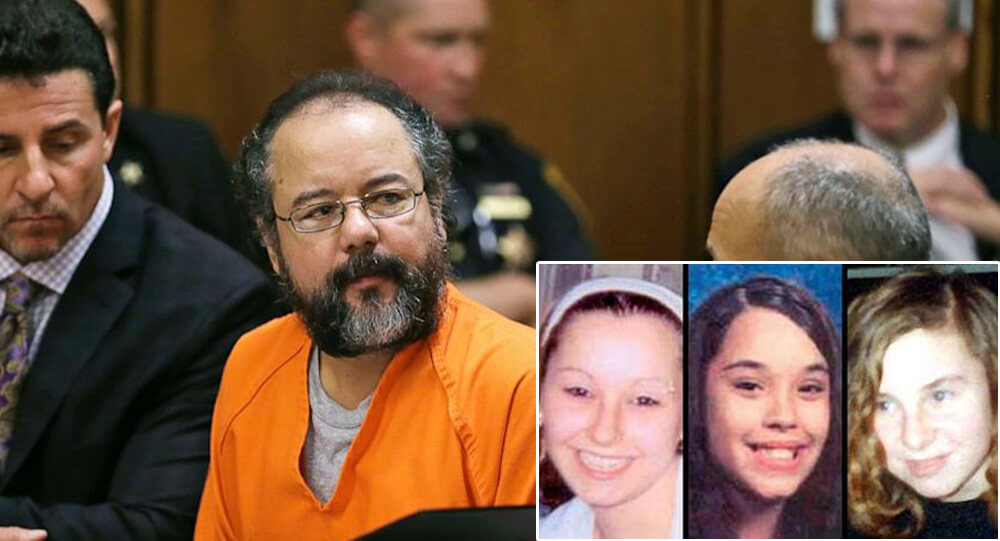
The Horrific story of Ariel Castro and the Cleveland abduction
Cleveland abduction victims Gina DeJesus, Michelle Knight, and Amanda Berry were forced to live in Ariel Castro's house of horrors for 10 years. He raped and beat them until they escaped in 2013.

How Sleep Deprivation Was Once Used as Torture
Sleep deprivation, long before modern interrogation techniques, was considered a “clean” and effective form of torture—leaving no physical scars, yet breaking minds with haunting silence. Victims endured days and nights without rest, leading to vivid hallucinations, disorientation, and psychological torment. This article traces the dark history of sleep deprivation as a weapon, examines the science behind its effects on the brain, and shines a light on the painful balance between human endurance and cruelty in the annals of coercion.
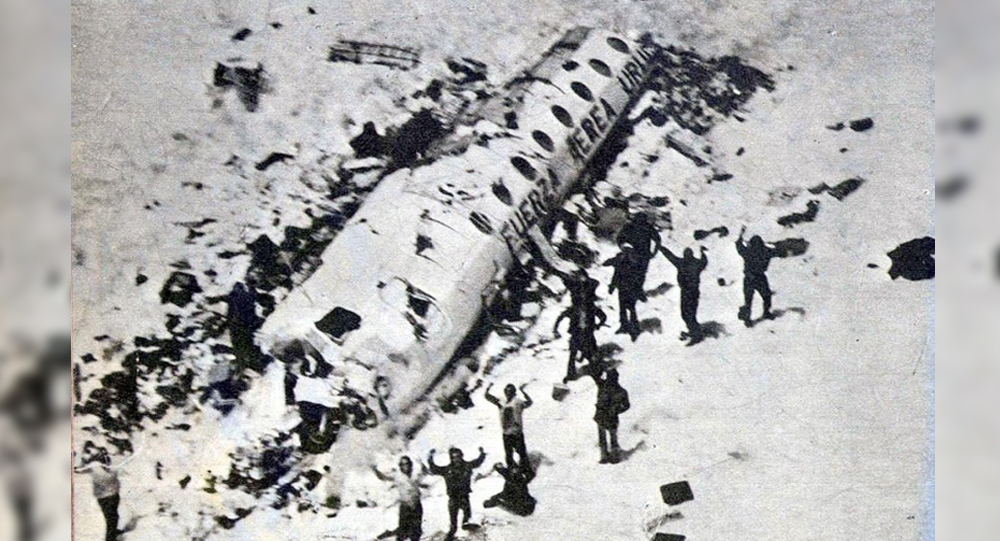
1972 Andes Plane Crash Survivor recall the terrifying Struggles to Stay Alive
On October 13, 1972, a plane carrying a rugby team from Uruguay crashed in the Andes between Chile and Argentina. The survivors were in brutal conditions - high altitude, bitter cold, and the lack of food—and faced the most terrible choice—eating the frozen flesh of their dead friends or starving to death themselves.
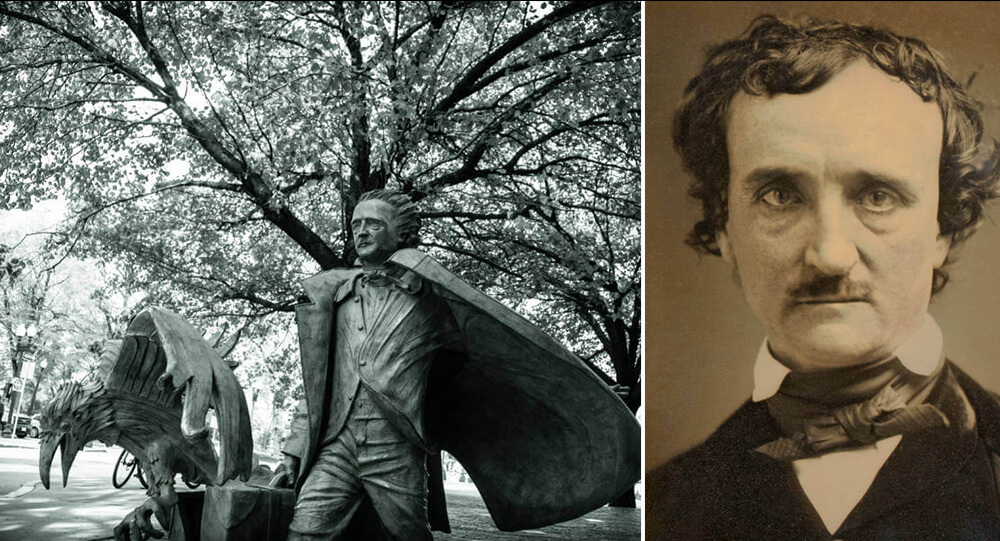
Inside The Mysterious Death Of The Famed Gothic Writer Edgar Allan Poe
Hours before his death Edgar Allen Poe was found on the streets of Baltimore. He was incoherent, wearing another man’s clothes, and unable to explain how he got there. The cause of his death is an unsolved mystery.
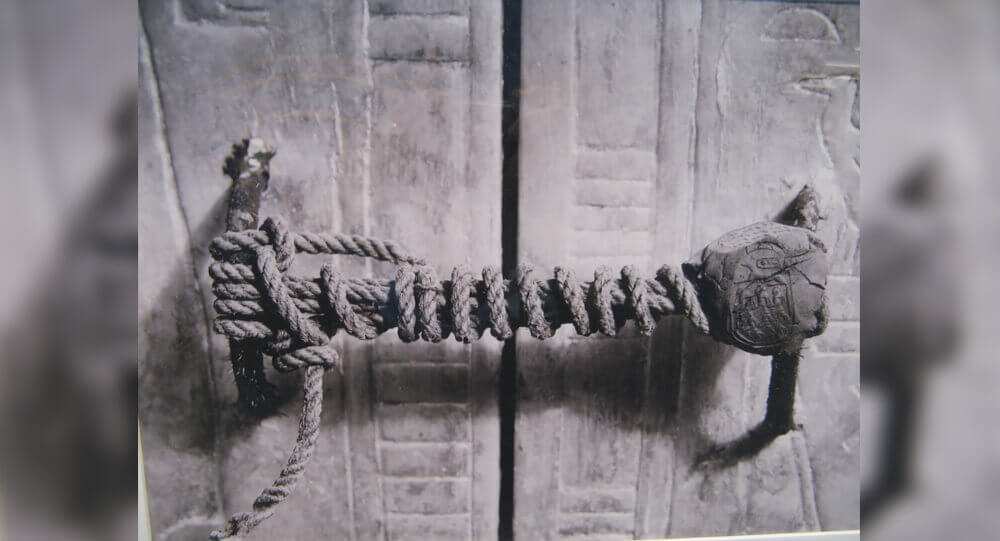
The unbroken seal on King Tutankhamun's tomb until 1922
The unbroken seal of Tutankhamun's tomb before it was opened in 1923, it was unbroken for over 3000 years.
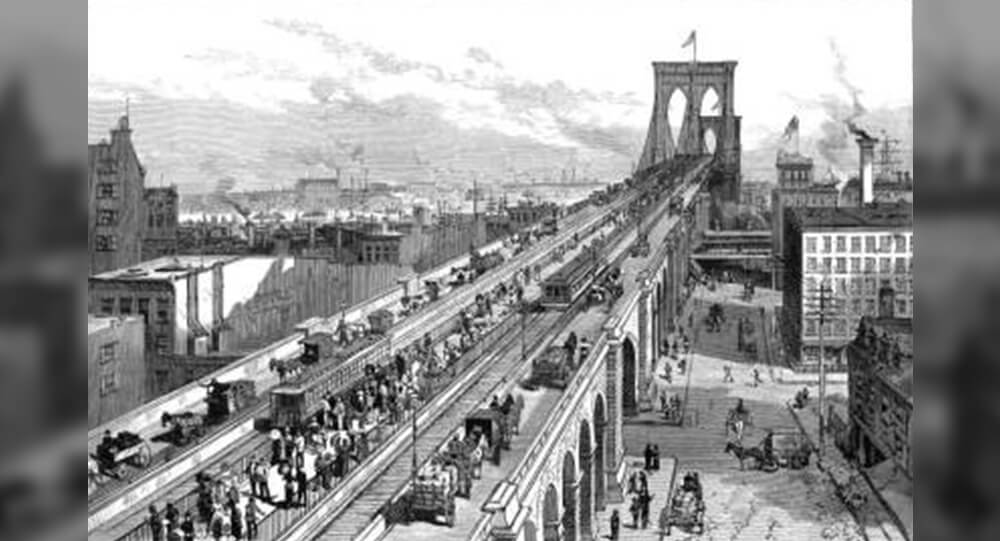
Why the Brooklyn Bridge Was Once Crossed by 17 Camels and 21 Elephants
On May 30, 1883, a rumor that the Brooklyn Bridge was going to collapse caused a stampede, which killed at least at twleve people. To prove the bridge was safe, P.T. Barnum led a parade of 21 elephants over it.

Medieval Medicine: A 1,000-year-old onion and garlic salve kills modern bacterial superbugs
Scientists recreated an Anglo-Saxon manuscript-based 9th century onion and garlic eye remedy and discovered that it killed 90% of antibiotic-resistant staph bacteria (MRSA).
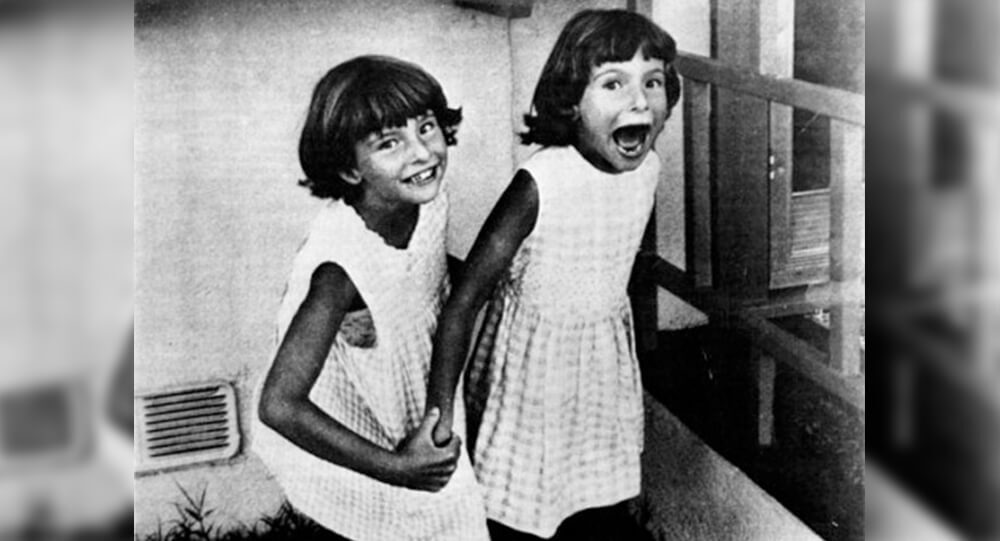
Poto And Cabengo: The Secret Language Of Twins
Poto and Cabengo, as the two girls called each other, communicated in their own language. The twins were ignored by their parents and secluded from the outside world because their father felt they were developmentally retarded, and their unique language evolved as a result of that neglect.

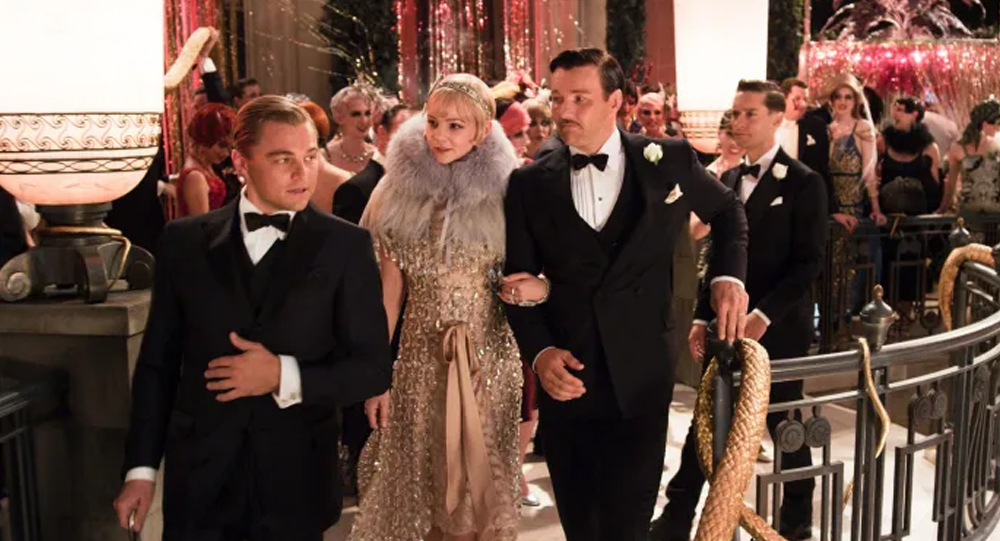
From Flapper to Fashion Week: How 1920s Style Still Shapes Modern Trends
The roaring 1920s revolutionized fashion, introducing bold styles, daring cuts, and a spirit of freedom that still inspires today’s wardrobes. From flapper dresses to statement accessories, here’s how the Jazz Age lives on in modern fashion.
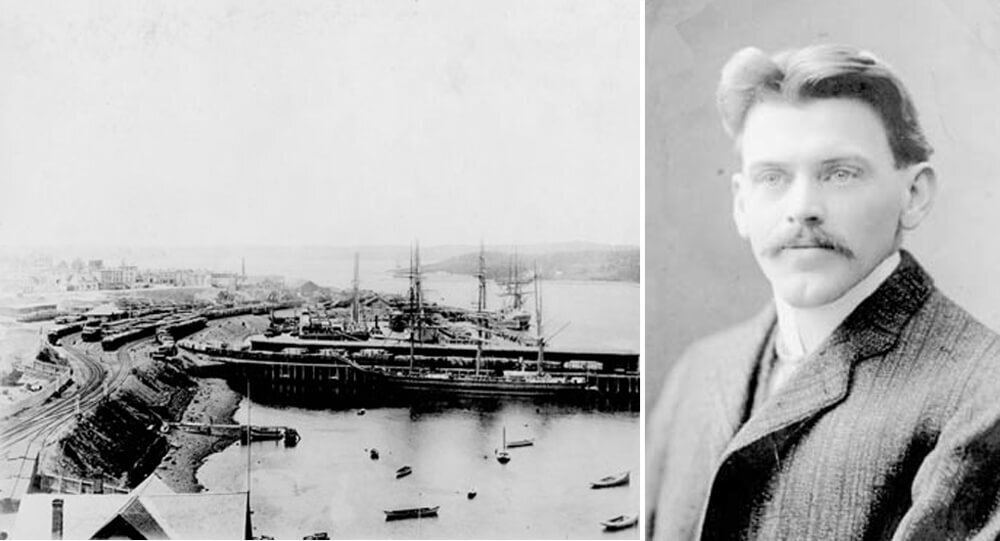
Vince Coleman, a railway dispatcher, sacrificed his own life
Vince Coleman, a railway dispatcher, sacrificed his life in order to warn an incoming train of an imminent explosion. His telegraph said “Hold up the train. Ammunition ship afire in harbor making for Pier 6 and will explode. Guess this will be my last message. Good-bye, boys.” He saved 300 lives.
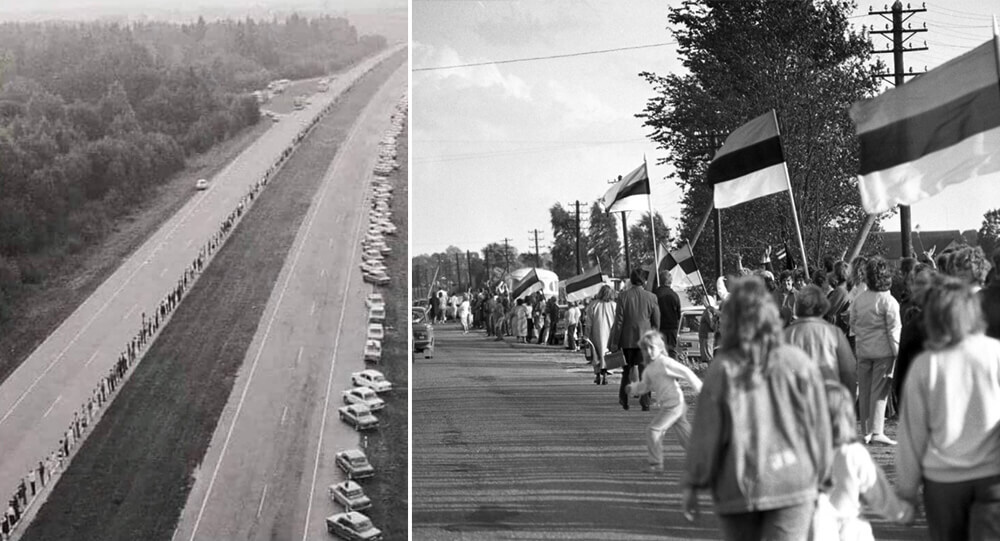
The Baltic Way: the longest unbroken human chain in history
On August 23, 1989, about 2 million people from Latvia, Estonia, and Lithuania formed a human chain that united all 3 countries to show the world their desire to escape the Soviet Union and the communism that brought only suffering and poverty. This power stretched 600 km.
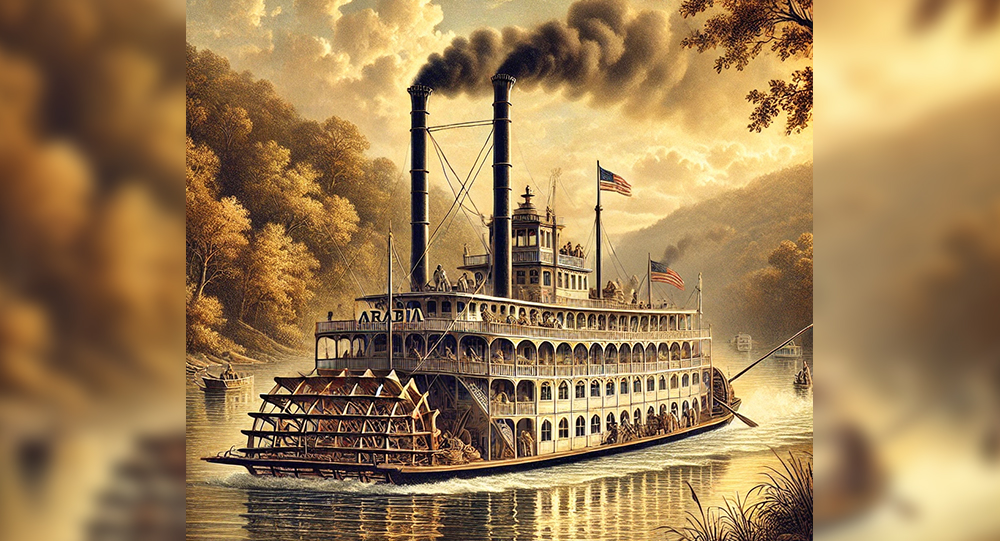
The Arabia Steamboat: Unearthing a 19th Century Time Capsule from the Missouri River
The Arabia was a steamboat that sank in the Missouri River in 1856. Over time, the river shifted 800 meters to the east, eventually turning the site of the sinking into a field. The steamboat remained under 45 feet of slit and topsoil until 1988, when it was excavated. The mud, as it turned out, was such a great preserver that most of the artifacts on board were found to be intact. They even found jars of preserved apples that were still edible!
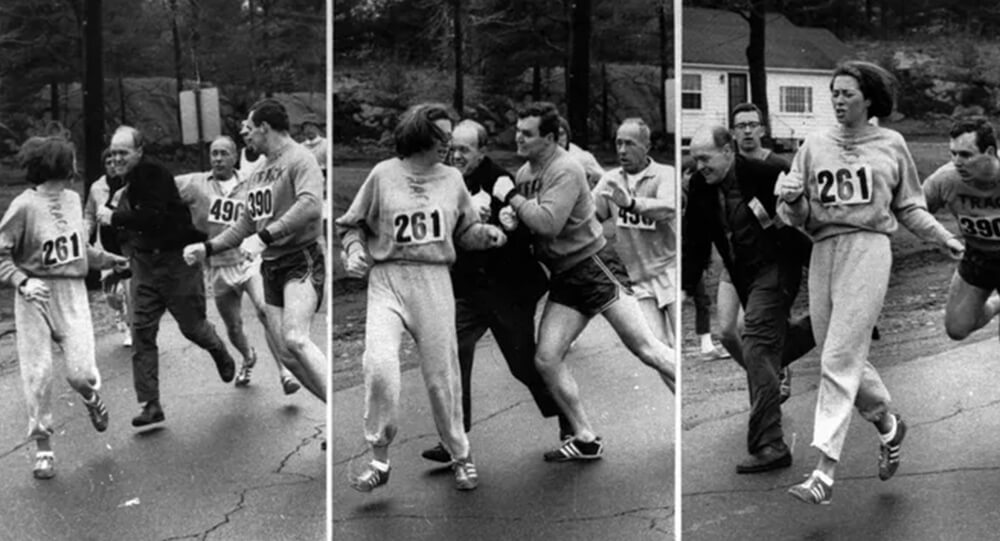
Story of Kathrine Switzer: the first woman to run in Boston Marathon
Before women were allowed to run in the Boston Marathon, Kathrine Switzer participated. A race official attempted to forcefully remove her from the race in 1967, but her boyfriend pushed him down. She was the first female finisher who had a numbered entry in the race.
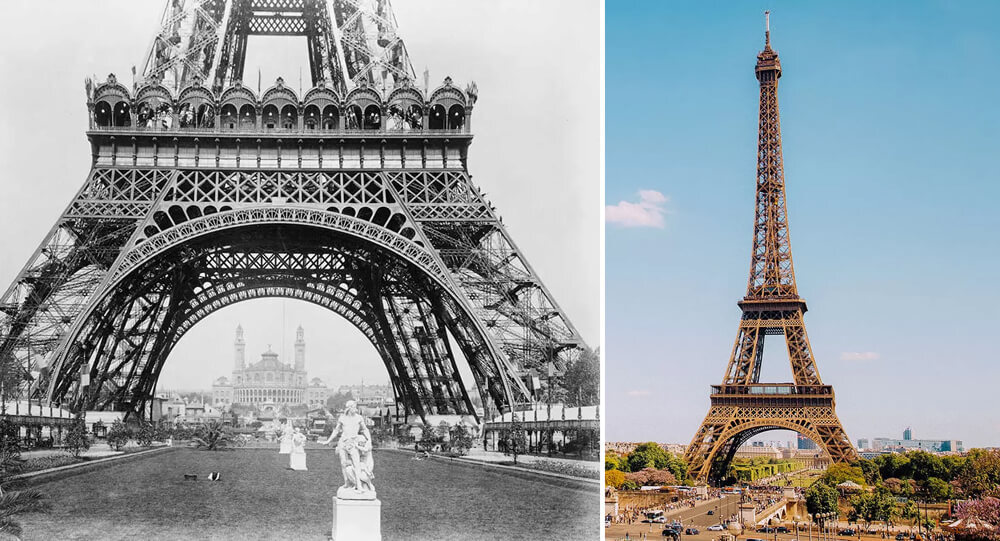
Why was the Eiffel Tower almost demolished
The Eiffel Tower was intended to be a temporary structure for the World's Fair in 1889, but it was nearly dismantled and sold for scrap metal. It was saved because of its potential use as a radio antenna, and it now serves as a tourist attraction as well as a working broadcast tower.
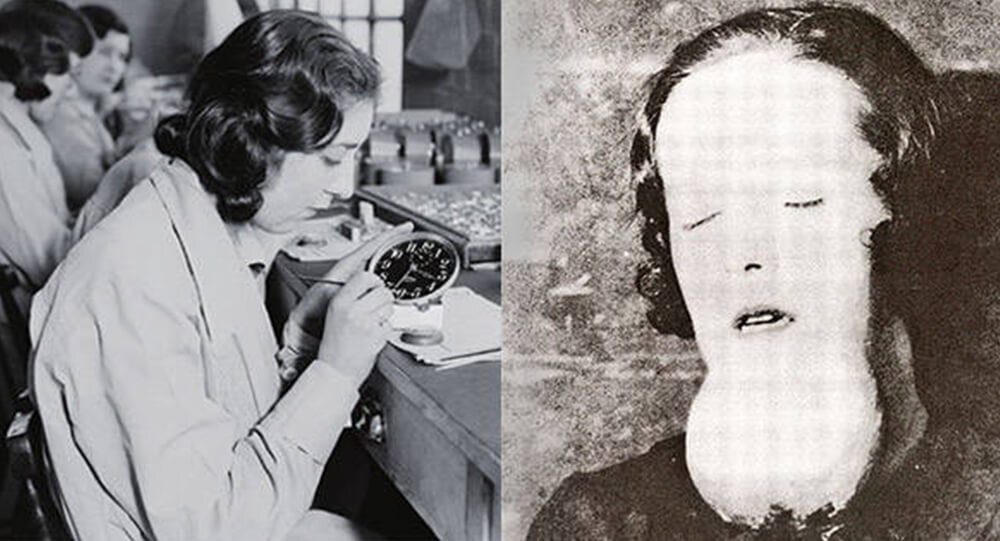
The true story Of The Radium Girls that change US labor laws
Hundreds of young women worked in clock factories during World War I, painting watch dials with luminous radium paint. The company lied about the risk of radiation, claiming there was no danger, which resulted in the death of the young women.
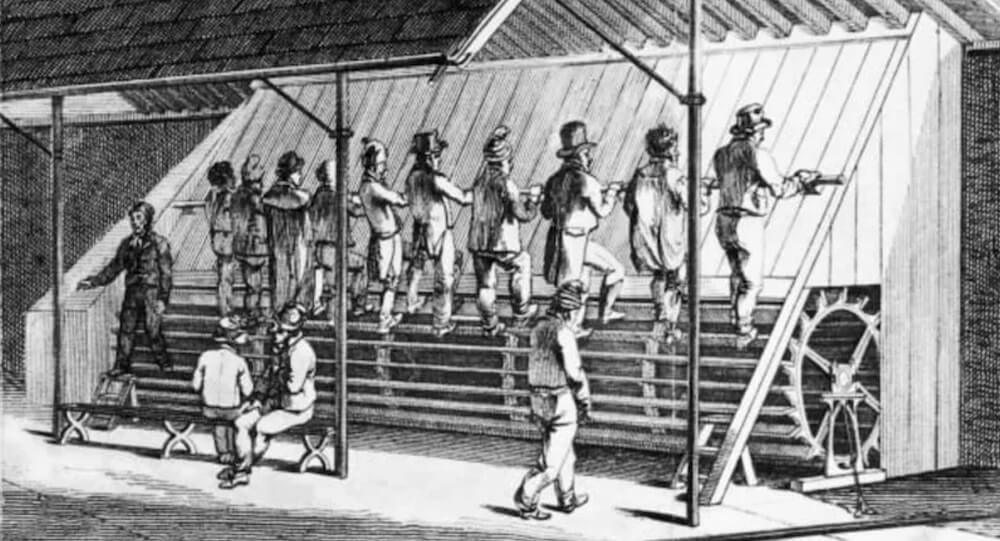
History of Treadmill, punishment for prisoners
Treadmills were originally a punishment used to harness human power on a giant wheel used to grind grains, hence the name "treadmill." The History of Treadmill
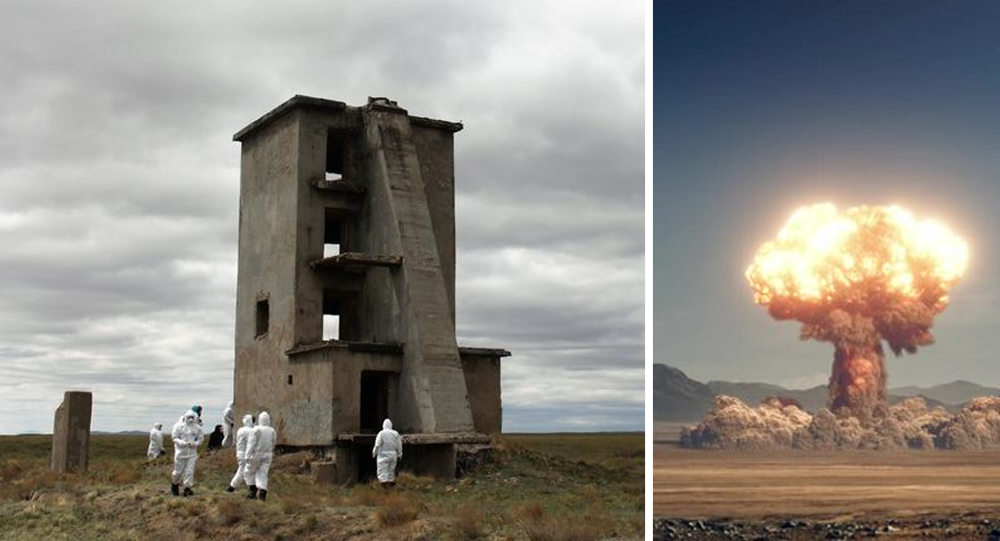
The Forgotten Story of Semipalatinsk and the Soviet Nuclear Experiments
Between 1949 and 1989, the Semipalatinsk Test Site in Kazakhstan became the primary location for Soviet nuclear weapons tests, exposing millions of unsuspecting villagers to radioactive fallout. Known as the “Polygon of Suffering,” this remote desert witnessed 456 nuclear detonations that caused widespread health crises, birth defects, and generational genetic damage. This article narrates the chilling legacy of Semipalatinsk, unveiling the human cost of Cold War arms development and the ongoing struggle for healing and recognition in Kazakhstan.
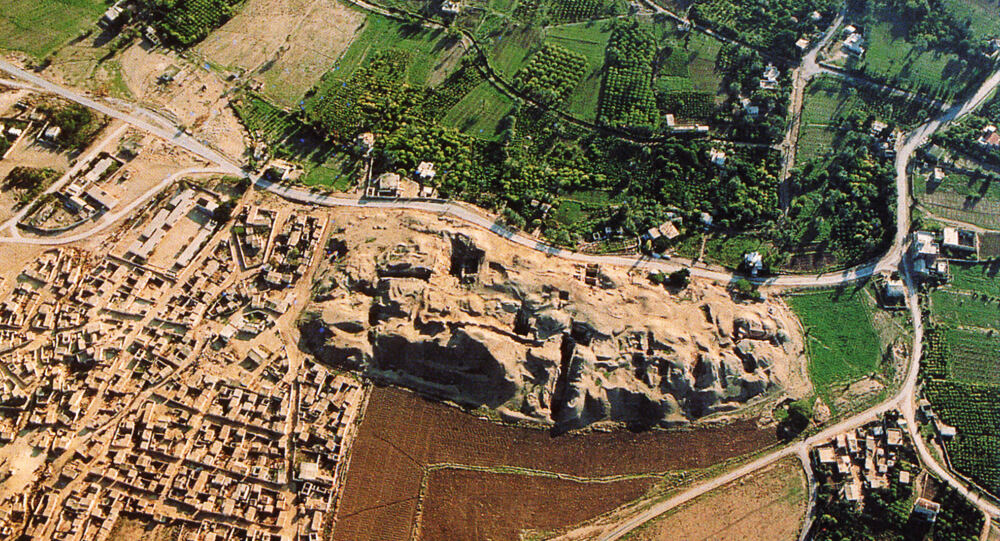
Ancient Jericho: The First Walled City In History
The ancient city of Jericho is the world's oldest walled city, with evidence of stone fortifications dating back nearly 9000 years.
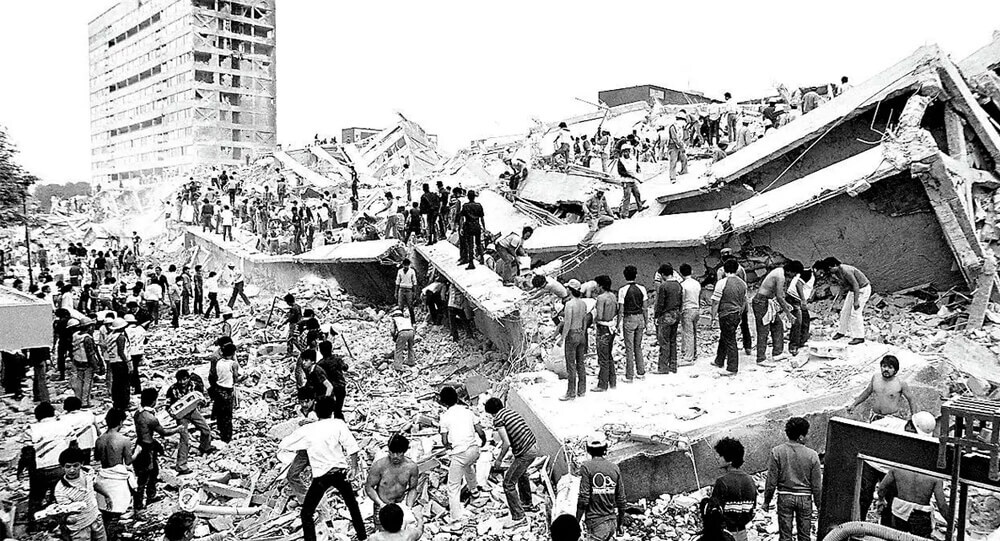
Remembering the miracles of the 1985 Mexico earthquake (unbelievable stories)
In 1985, after an 8.0 magnitude earthquake hit Mexico City, nearly all newborn babies survived a collapsed hospital. They are known as “Miracle Babies” for surviving 7 days without nourishment, water, warmth or human contact.
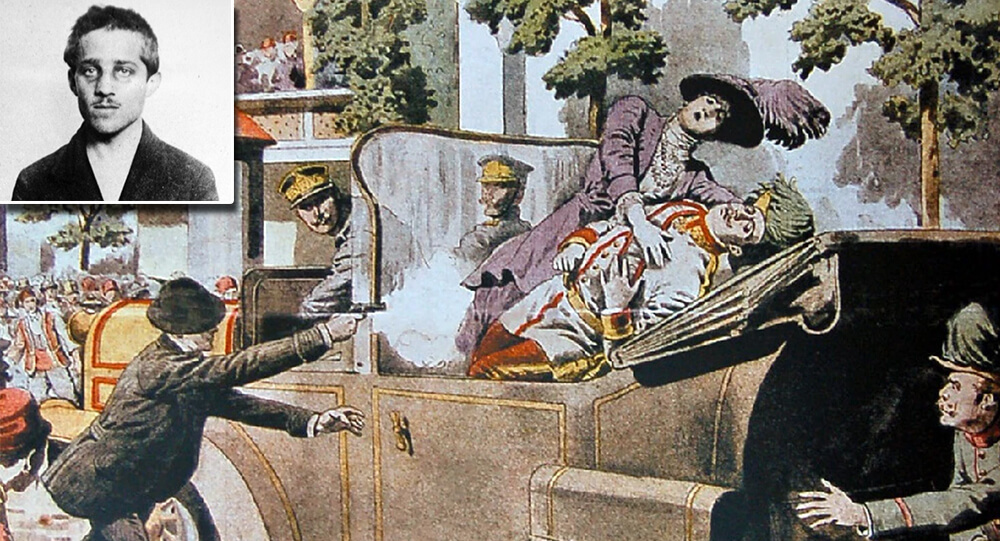
Franz Ferdinand’s Assassination that sparked World War I
Archduke Franz Ferdinand of Austria and his wife Sophie are shot to death by a Bosnian Serb nationalist during an official visit to the Bosnian capital of Sarajevo on June 28, 1914. The killings sparked a chain of events that led to the eruption of World War I by early August.
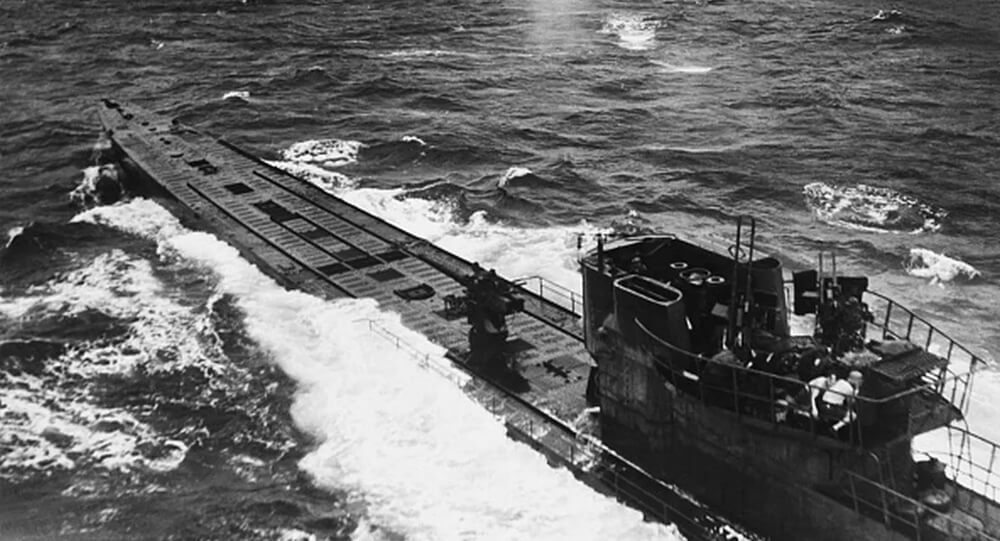
The Amazing Truth About The German U-Boat That Was Sunk By A Toilet
During WWII, a German captain and an engineer flushed the submarine's high-tech toilet incorrectly, causing the vessel to rapidly fill with water. British planes patrolling the sea attacked them as the submarine was brought to the surface. While many members of the crew were killed in the attack, the captain escaped!
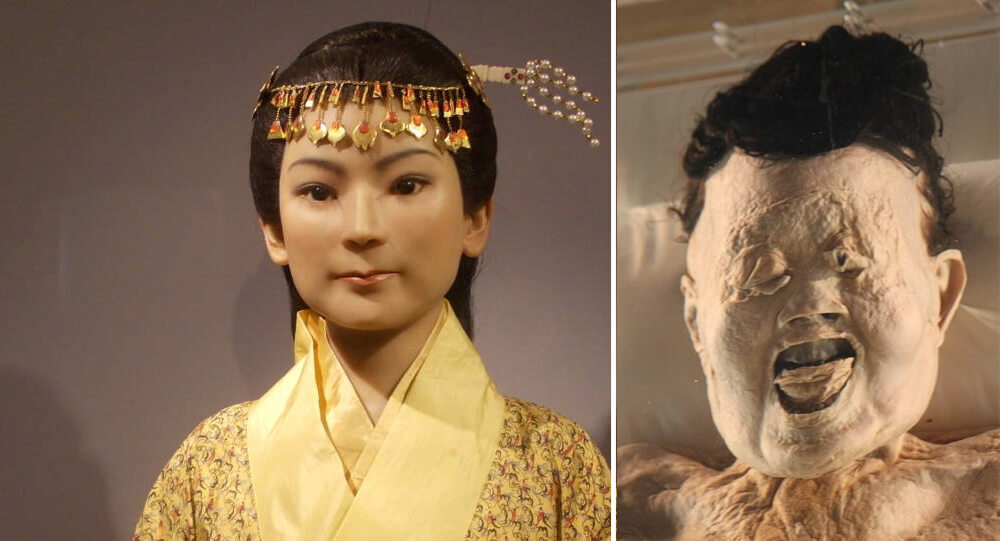
Xin Zhui And The Story Of The Stunningly Intact Lady Dai Mummy
A 2,000-year-old mummy of a Chinese woman, Xin Zhui, also known as “Lady Dai,” was preserved in 21 gallons of an “unknown liquid.” With her original hair, organs, eyebrows, and eyelashes intact, the mummy still has blood in her veins. Her skin and ligaments are soft and as flexible as that of a living person.

The 1976 April Fools' Pranks, Planetary Alignment
On April fool's Day, 1976, the BBC convinced many listeners that a special alignment of the planets would temporarily decrease gravity on Earth. Phone lines were flooded with callers who claimed they felt the effects.
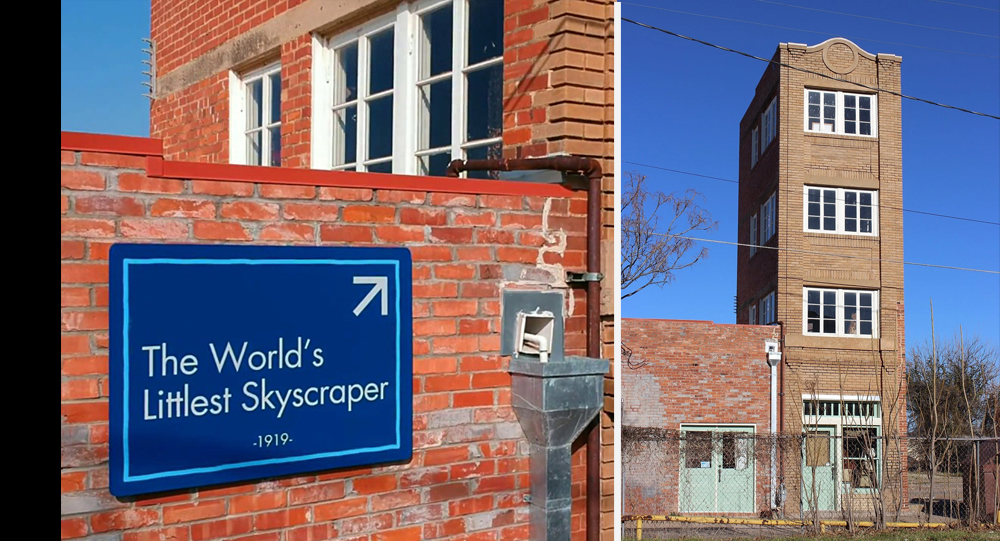
The Littlest Skyscraper: How J.D. McMahon’s 480-Inch Con Fooled Investors in 1919
In 1919, J.D. McMahon convinced investors to fund a 480-foot skyscraper, but he labeled the plans as 480 inches, building a 40-foot structure instead. After taking $200,000, he won in court since the plans matched what he built.