
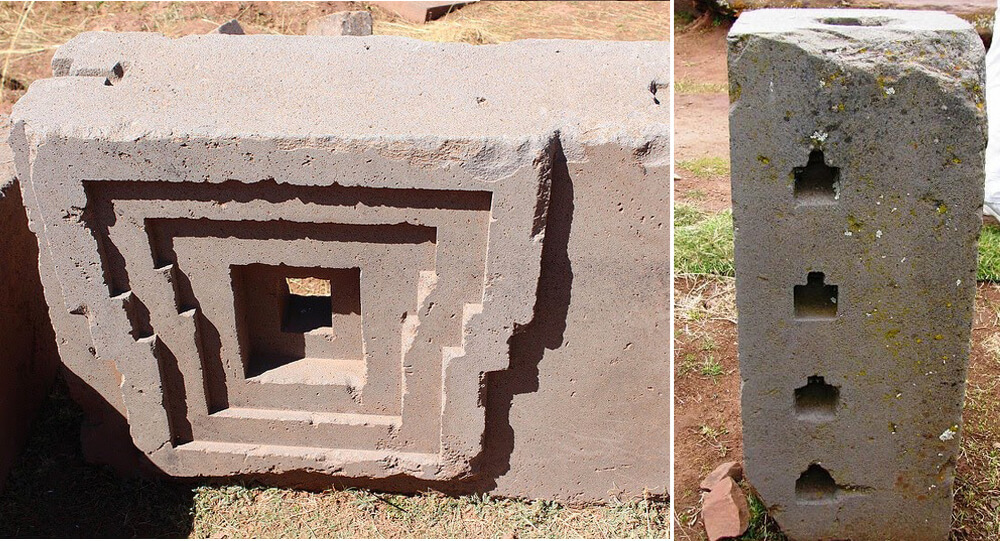
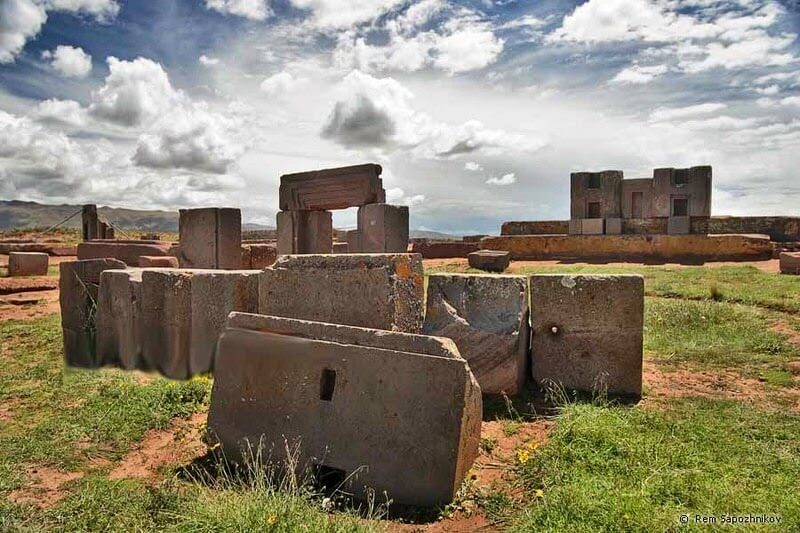
Puma punku is the name of a sizable temple complex that is a component of Tiahuanacu, a bigger archaeological site, and is situated close to Tiwanaku in Bolivia. The origin of the temple is unknown, but based on carbon dating of organic material discovered on the site, archeologists think the complex may have been constructed by the Tiwanaku Empire, one of the most significant civilizations before the Inca Empire, which thrived between 300 and 1000 AD.
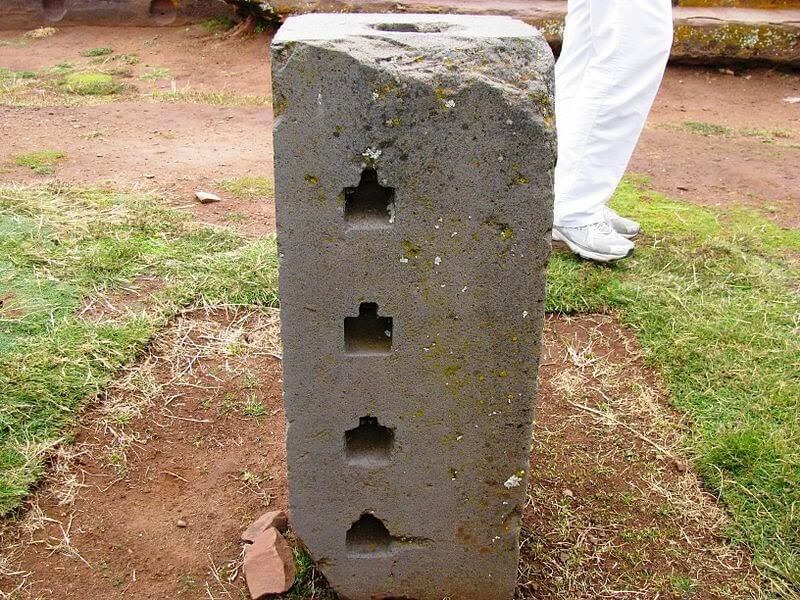
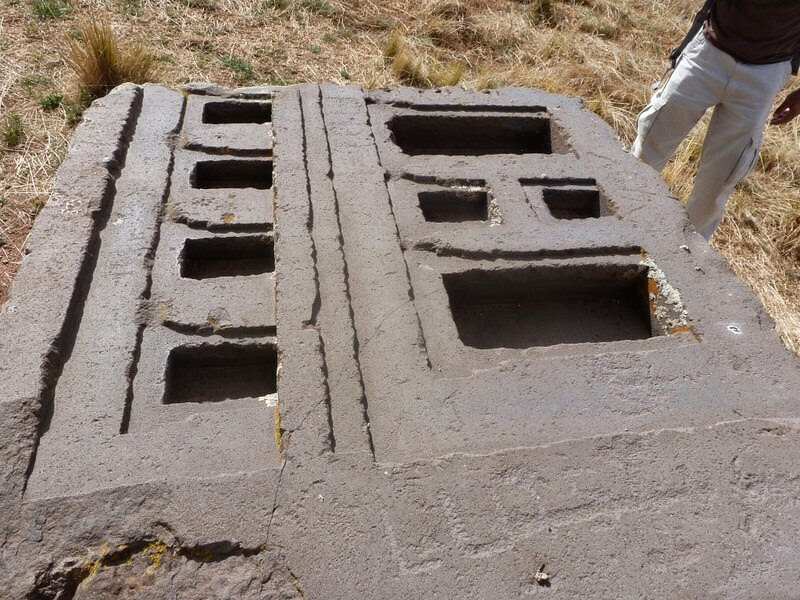
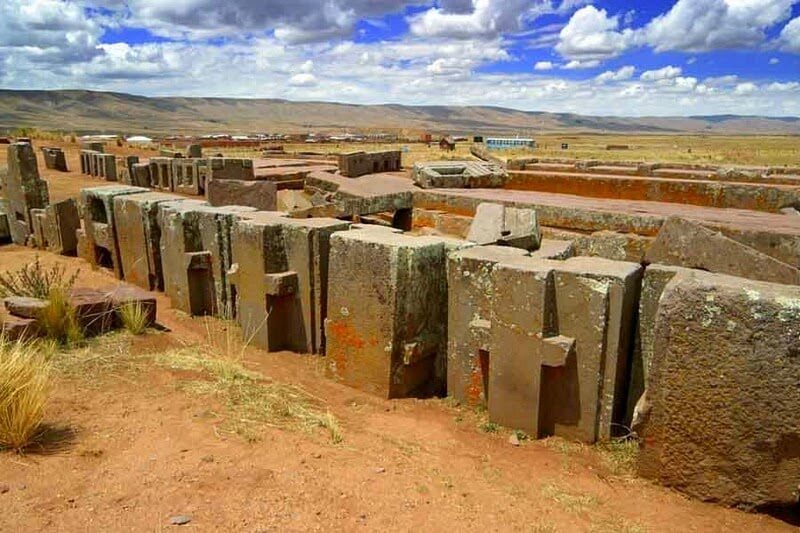
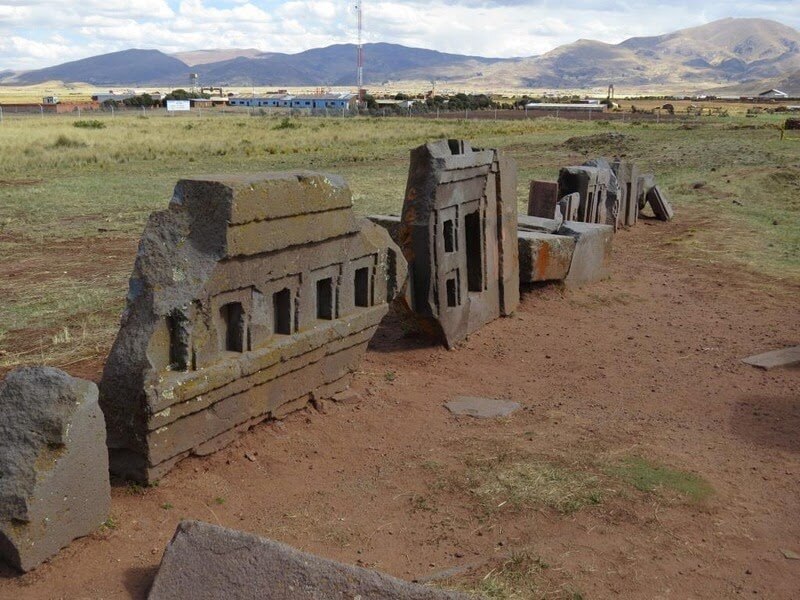
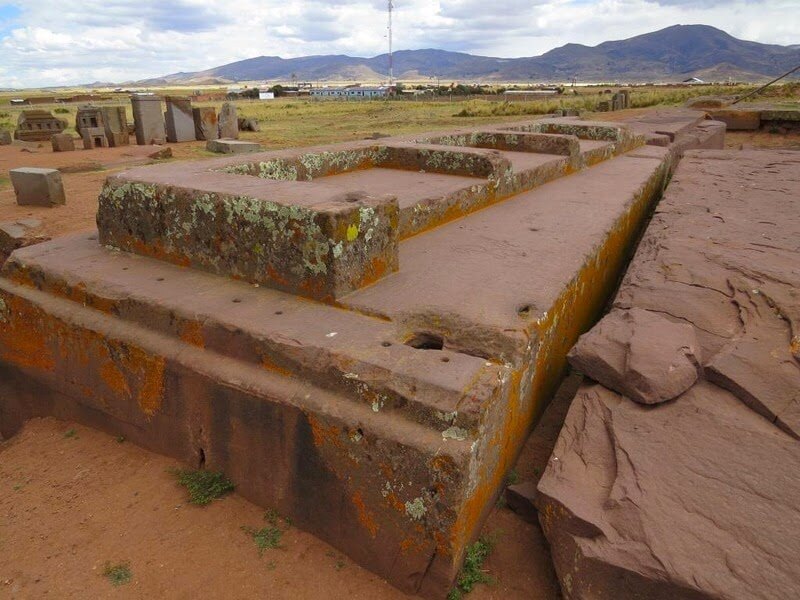
The stonework at Puma Punku is what I find most fascinating. A terraced earthen mound called Puma Punku was previously covered in massive megalithic blocks, each weighing several tens of tons. The red sandstone and andesite stones were carved with such accuracy that they lock together perfectly without the use of mortar.
These stone blocks exhibit an astonishing level of technical skill and accuracy. Even a razor blade cannot pass through the rocks. Some of these blocks have’machine’ quality finishing and perfectly drilled holes. This is said to have been accomplished by a culture that lacked a written language and was unaware of the wheel’s existence. Something isn’t right here.
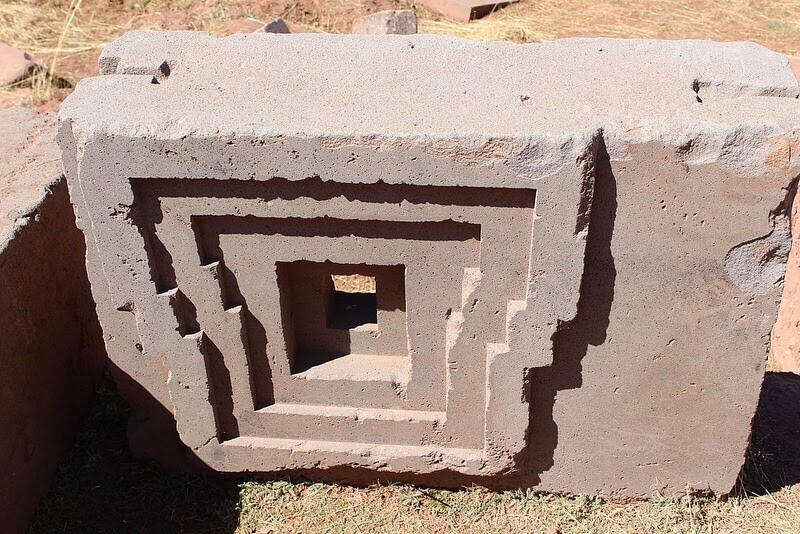
In assembling the walls of Puma punku, each stone was finely cut to interlock with the surrounding stones and the blocks fit together like a puzzle, forming load-bearing joints without the use of mortar. One common engineering technique involves cutting the top of the lower stone at a certain angle, and placing another stone on top of it which was cut at the same angle. The precision with which these angles have been utilized to create flush joints is indicative of a highly sophisticated knowledge of stone-cutting and a thorough understanding of descriptive geometry. Many of the joints are so precise that not even a razor blade will fit between the stones. Much of the masonry is characterized by accurately cut rectilinear blocks of such uniformity that they could be interchanged for one another while maintaining a level surface and even joints. The blocks were so precisely cut as to suggest the possibility of prefabrication and mass production, technologies far in advance of the Tiwanaku’s Inca successors hundreds of years later.
…
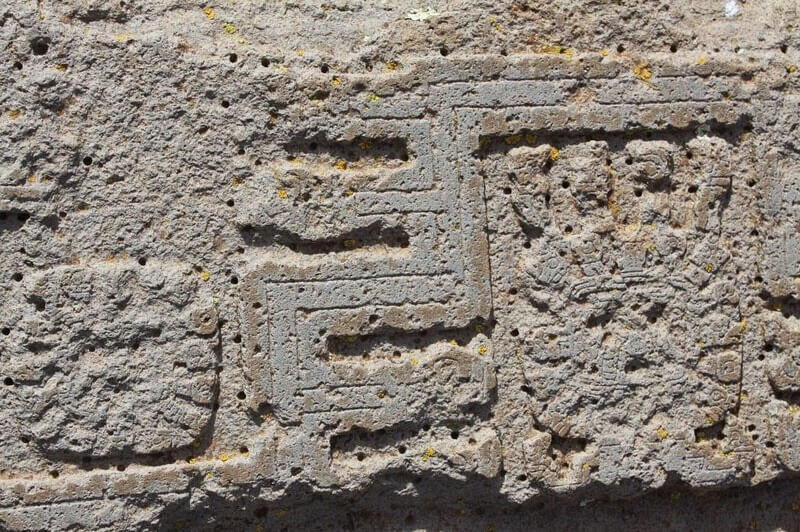
Some of the stones are in an unfinished state, showing some of the techniques used to shape them. They were initially pounded by stone hammers—which can still be found in numbers on local andesite quarries—, creating depressions, and then slowly ground and polished with flat stones and sand
The stones are enormous in size. The biggest of these blocks is estimated to weigh 131 metric tons and measures 25.6 feet long, 17 feet wide, and 3.5 feet thick. Given their enormity, since the temple’s discovery, there has also been discussion about how they were moved to Puma Punku. The red sandstone stones were brought from a quarry about 10 kilometers away from Lake Titicaca, according to chemical tests. Around 90 kilometers away across Lake Titicaca, on the Copacabana Peninsula, quarries produced the smaller andesite blocks that were utilized for carvings and stone facing.
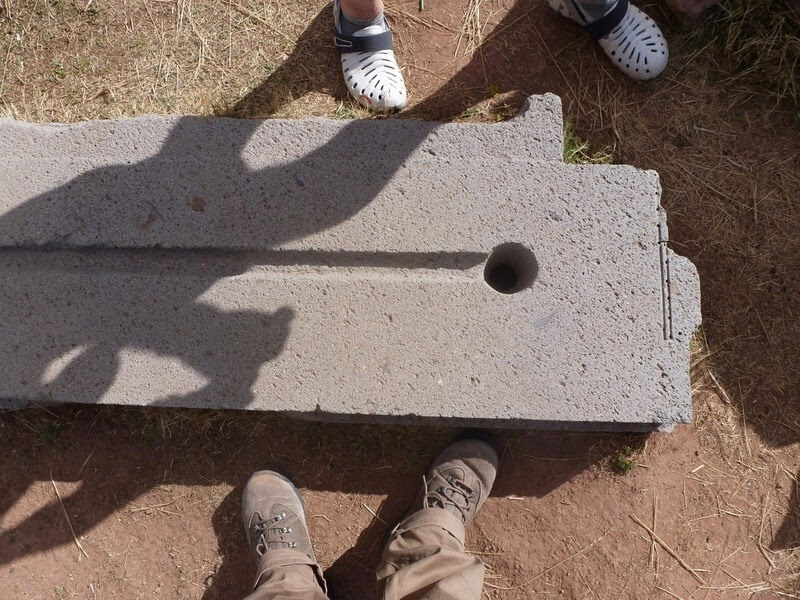
On the basis of inferential evidence, one could contend that Puma Punku was not constructed by the Tiwanaku, but rather by a more developed civilisation. It’s possible that contamination in the samples tainted the carbon dating data or that Puma Punku was constructed by a different civilisation that crossed the ocean, erected the complex, and then disappeared. Some people think that Puma Punku could not have been created without the aid of extraterrestrial entities.
Today, the complex is in total disrepair, with enormous chunks of granite stacked on top of one another. An earthquake that may have been accompanied by a tidal wave from Lake Titicaca appears to have completely devastated the location.


10 Rarest and Albino animals you haven’t seen
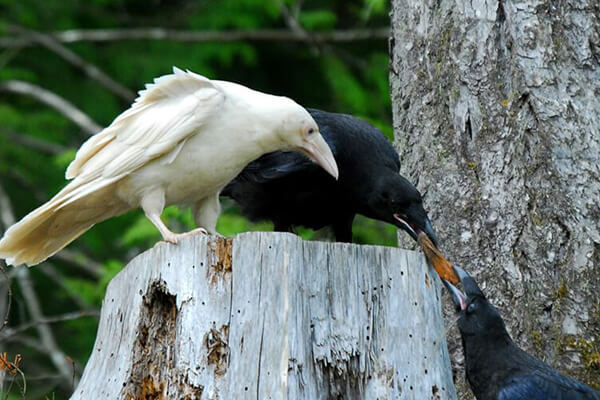
For centuries, people have been fascinated and enchanted by the ghostly appearances of abnormally white animals. People have loved albinos and other unusually white animals so much that they may be helping to increase their numbers, despite the difficulties these animals face in the wild. While these unusual animals did not win the genetic lottery, they have persevered in the face of adversity.

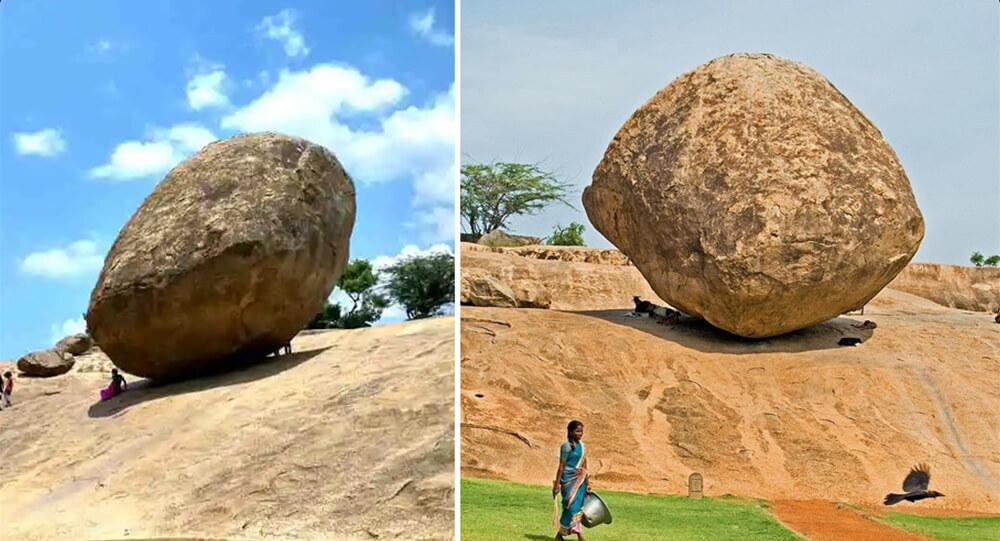
Mahabalipuram: The mystery behind Lord Krishna's butterball that defies gravity
Krishna's Butter Ball is a massive rock in Mahabalipuram, Tamilnadu, India, that is perfectly balanced on a slope. An attempt was made in 1908 to remove the rock for fear that it would roll down and destroy nearby homes, but the efforts were wasted.

The birth or sign language in Nicaragua
When 50 deaf Nicaraguan children who did not know sign language were placed in the same classroom, they created their own sign language. Scientists are still researching the unique spontaneous appearance of language, as well as its own evolution and training of grammar.
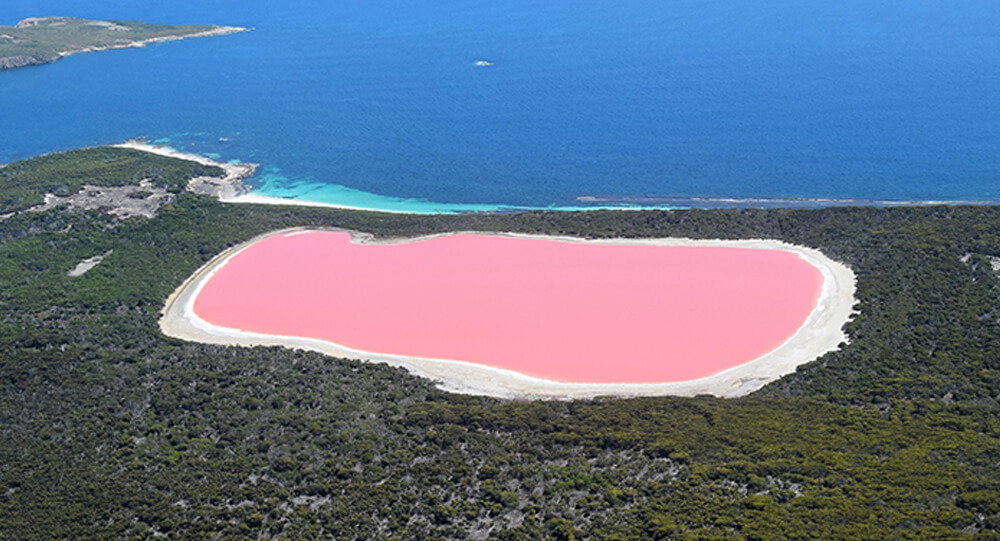
What is secret behind the Australia’s mysterious pink lake?
Lake Hillier in Australia maintains a bright pink hue all year round. Although no one knows for sure what causes the unique coloring, experts speculate that it might be the result of high salinity, a pink bacteria called “halobacteria,” and a salt-loving algae species called Dunaliella salina.
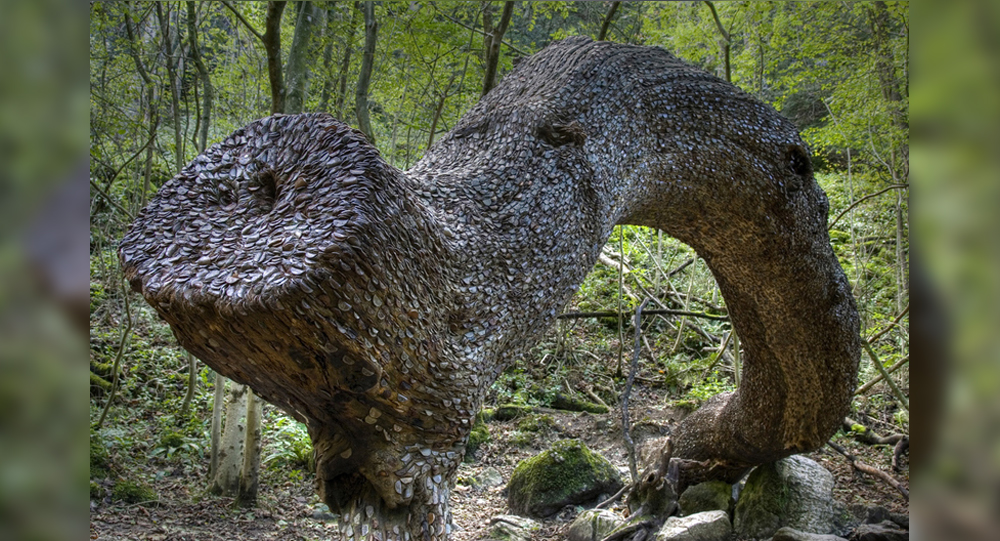
The Mystical Money Tree of the Scottish Highlands: A 1,700-Year-Old Tradition
In the Peak District Forest of the Scottish Highlands in the UK, there is a unique tree which is laden with only money. This tree laden with money has been studded with British coins for 1700 years, there is no corner of its trunk where a British coin is not stuck.
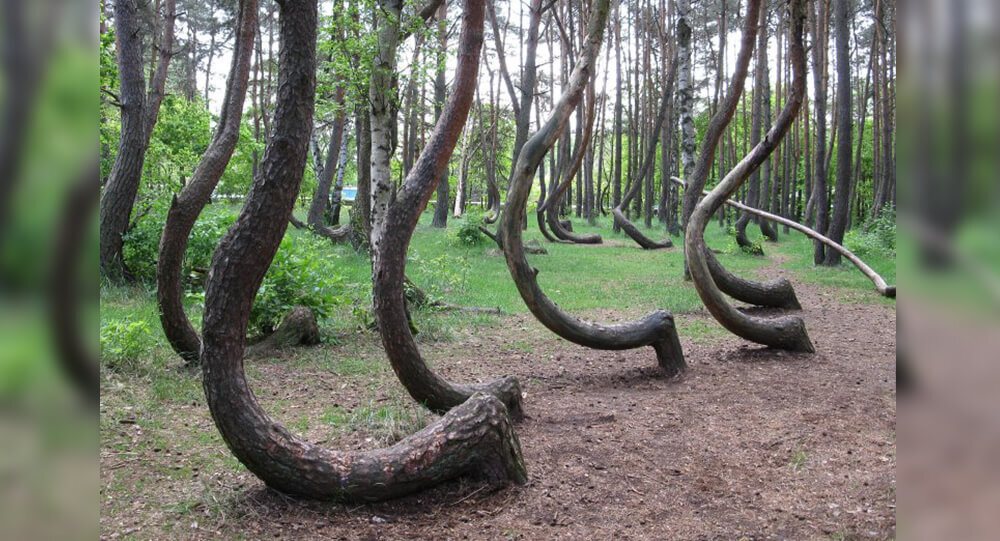
Poland's Krzywy: The Mysteries of the Crooked trees
In Poland, there is a forest with 400 crooked trees that have a 90-degree bend at the base of their trunks. Despite of numerous possibilities, the real reason and how it evolved remain a mystery.
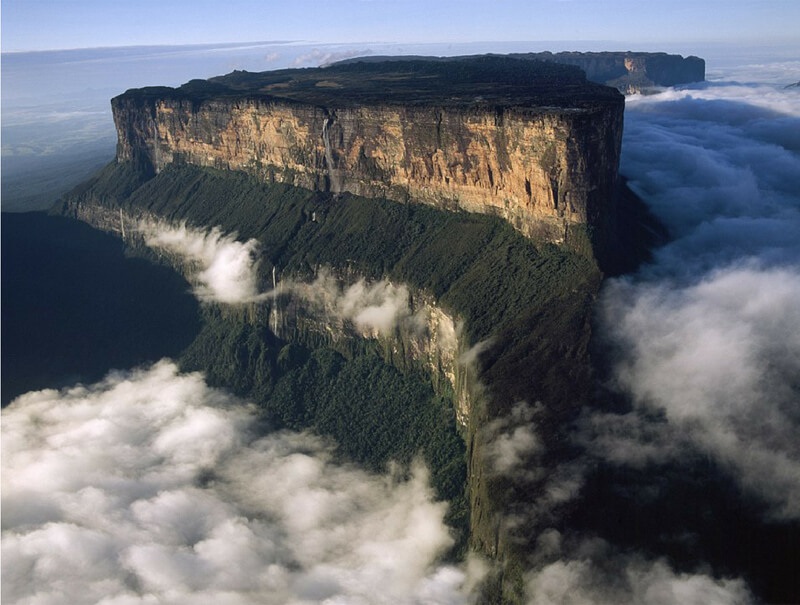
Top 10 Mysterious And Least Explored Places On Earth
Some people believe that there is nothing unexplored remaining on earth but the world doesn't cease to surprise us with its mysteries. Today I'll tell you about the lost places of the planet and animals that live only there.

The Forgotten Story of Marilyn Monroe’s Stolen Dress That Returned Years Later
One of Marilyn Monroe’s most iconic gowns vanished mysteriously, disappearing into the shadows of Hollywood history. This garment, often regarded as a symbol of glamour and tragedy, slipped away for decades before resurfacing under enigmatic circumstances. Whispers of underground auctions, secret collections, and ghostly legends hint at a fascinating and almost cinematic journey for a dress that once captivated a nation. This article uncovers the intriguing saga of Marilyn Monroe’s stolen dress, tracing its path back into the public eye and exploring its lasting cultural significance.

The Unsolved mystery of Bobby Dunbar's Disappearance
In 1912, a four-year-old boy named Bobby Dunbar went missing on a family trip, 8 months later he was found and reunited with his family. Nearly a century later, DNA testing of his descendants revealed that the child reunited with the Dunbar family was not Bobby, but rather a boy named Charles (Bruce) Anderson who resembled Bobby.
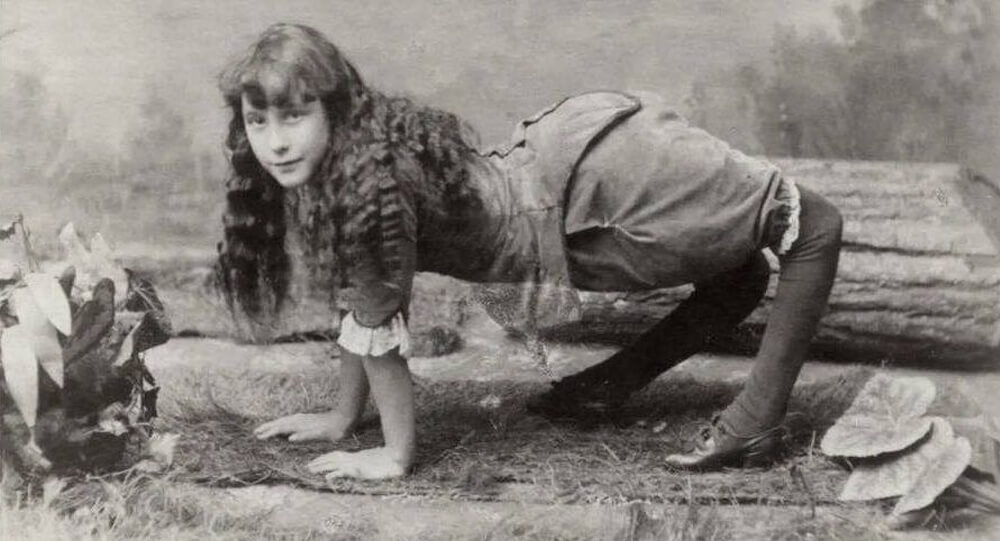
The Heartbreaking Story Of Ella Harper, The ‘Camel Girl’
Ella Harper, Professionally known as the “Camel Girl” was born with a rare orthopedic condition that cased her knee to bend backward. Due to this condition, had to walked on all four legs, which resulted in her nickname as “Camel Girl”. Tough it was hard at first, but soon she made a fortune out of it.
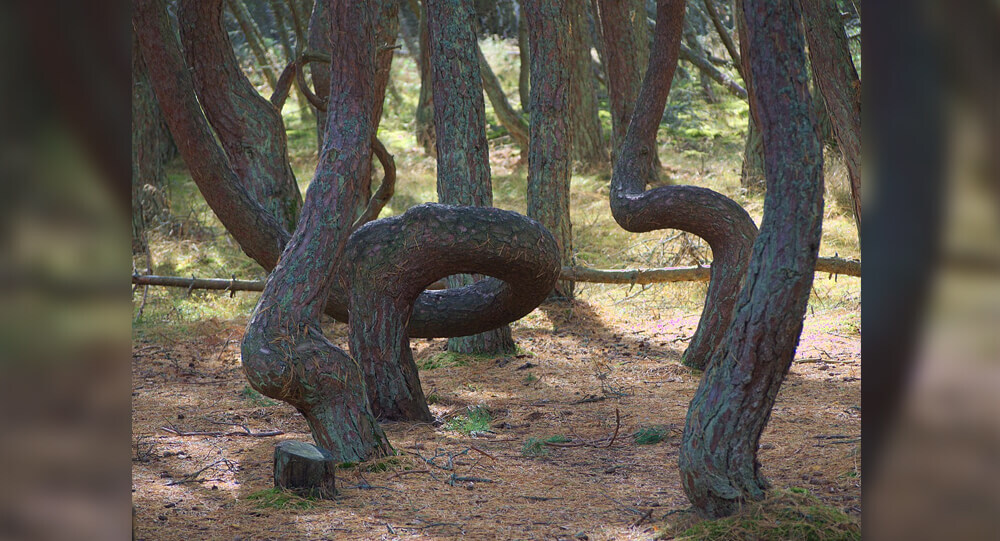
The Mystery of the Dancing Forest: Reasons behind the unusual wonders of forest
The Dancing Forest in Russia is noted for its unusually twisted pine trees. The trunks of these trees are contorted into spirals, rings, and other squiggly loops, but the reason for this malformation is still a mystery.
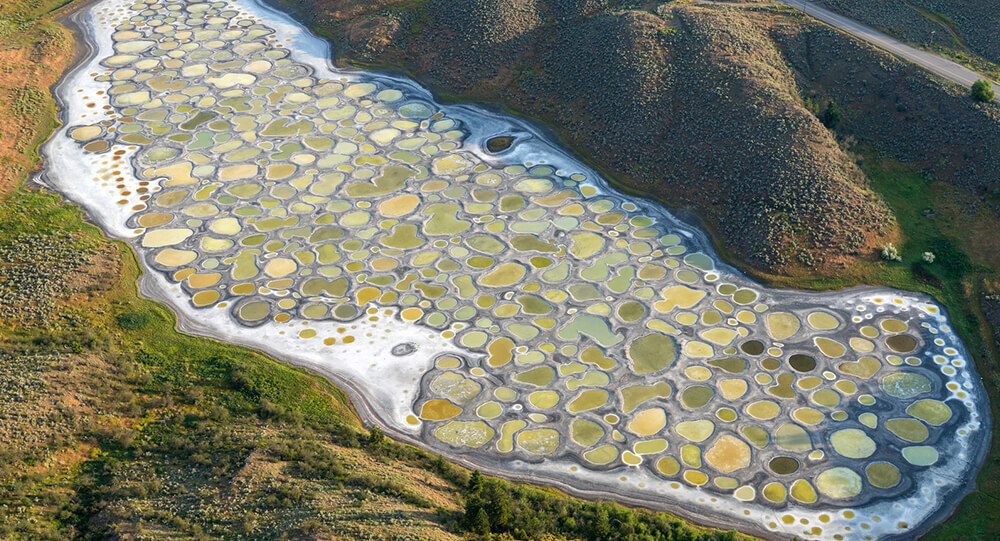
The Mystery of Canada's Magical Spotted Lake
Lake Khiluk, the world's most mineralized lake, and one of the most mysterious places on Earth. Each of these spots has a distinct chemical content and is said to cure various diseases.

The story of a boy who claims to be on Mars: Boriska Kipriyanovich
Boriska Kipriyanovich, who lives in Volgograd, Russia, claims he lived on Mars before being resurrected on Earth on a mission to redeem humanity. What we know about him is as follows:
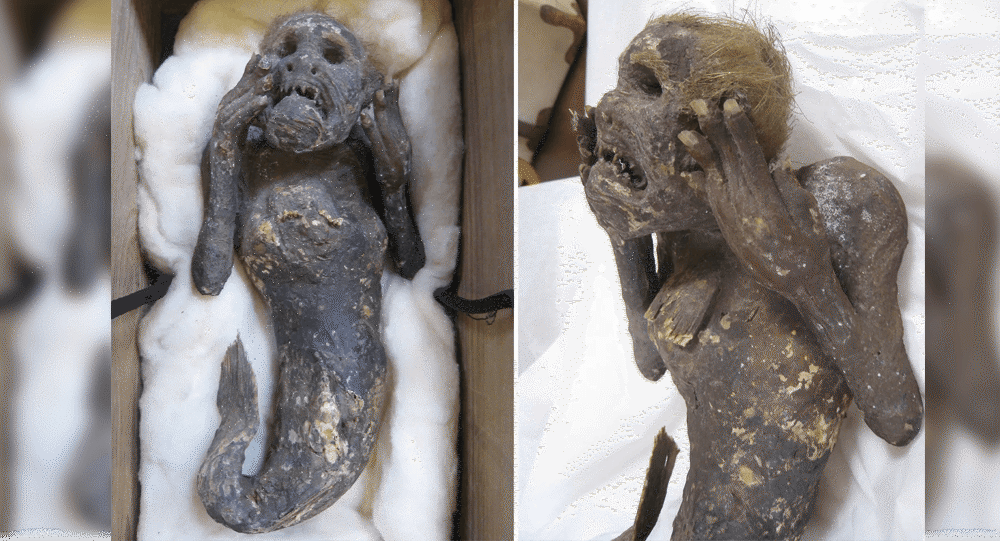
Mystery of 300-year-old mummified mermaid is being probed
There is a 300-year-old mummified mermaid with 30 centimetres tall and features a human-like head, two hands with what appear to be fingernails, and its lower body that look like a fish tail. The “mermaid mummy” is being probed by Japanese scientists in an attempt to unravel the mystery of its existence.

The Remarkable story of jazz bassists Henry Grimes, lost but found as janitor and reclaimed the spotlight
Henry Grimes, one of the most versatile jazz bassists, disappeared in the 1960s and was later presumed dead. However, a jazz-loving social worker found him in 2002 working as a janitor in a hotel. Grimes found his way back into the limelight when a fellow musician sent him a bass as a gift. In 2016, he received a lifetime achievement award.
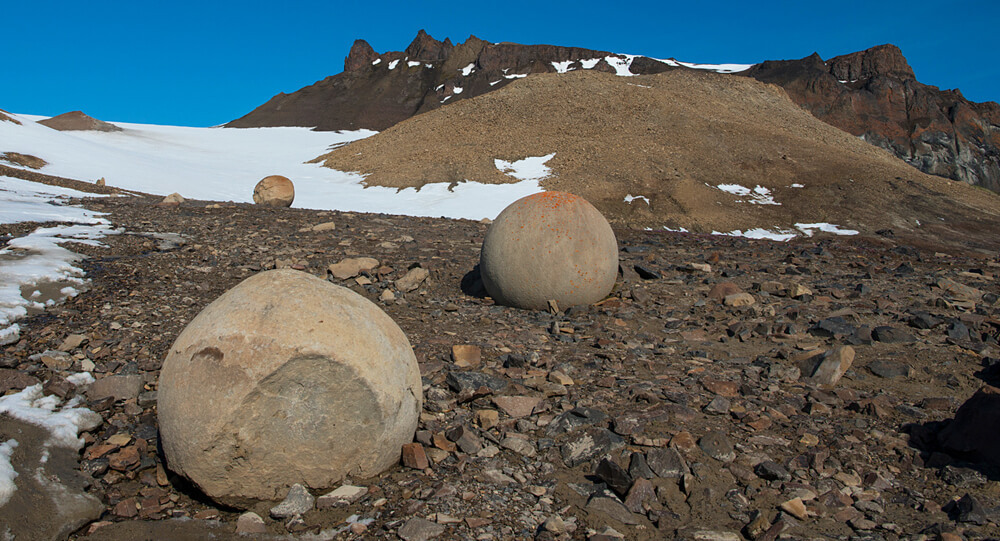
The mysterious GIANT spherical stones
Mysterious spherical stones ranging in size from a few millimeters to several meters have been discovered in Crimea, United States, Russia, and New Zealand. There are many theories from various geologists, but none of them are clear.
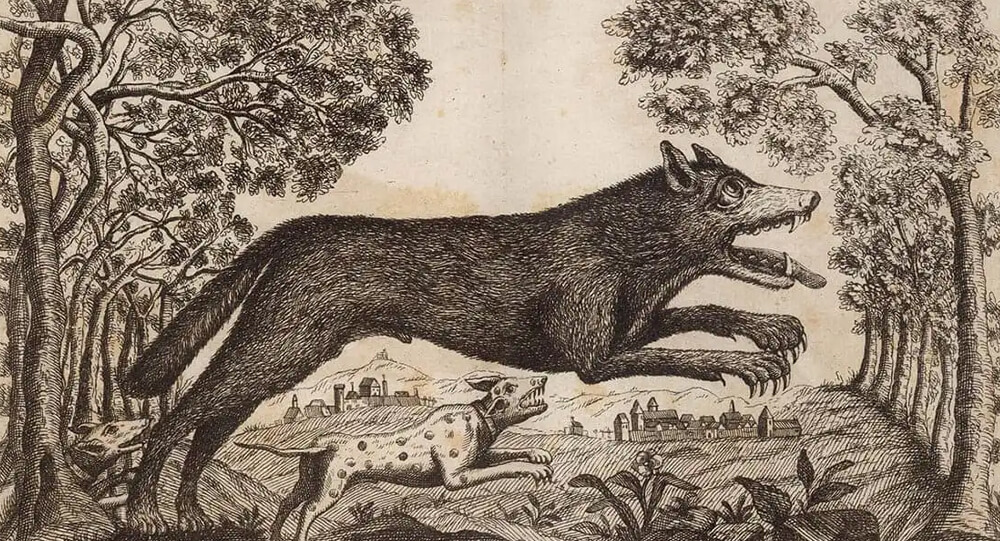
What Was the Beast of Gévaudan?
Between 1764 and 1767, a mysterious animal called the Beast of Gévaudan terrorized the French village called Gévaudan. It attacked and killed about 100 adults and children. While most believe it was a wolf, some say it may have been a wolf-dog hybrid, hyena or even a lion, but without any genetic evidence, the beast will remain a mystery forever.

Jason Padgett: Became a Math genius after head injury in a robbery
Fate has no place in mathematics, yet fate played a role for Jason Padgett and his new fame for being a mathematical genius

The 1978 Lufthansa Heist: Unraveling the Mystery of America's Most Infamous Airport Robbery
During the 1978 Lufthansa heist, robbers infiltrated JFK Airport, restraining employees and holding a night guard hostage. They escaped with $5.9 million—worth over $27 million today. The crime, linked to the Lucchese crime family, remained unsolved for decades, with most suspects vanishing
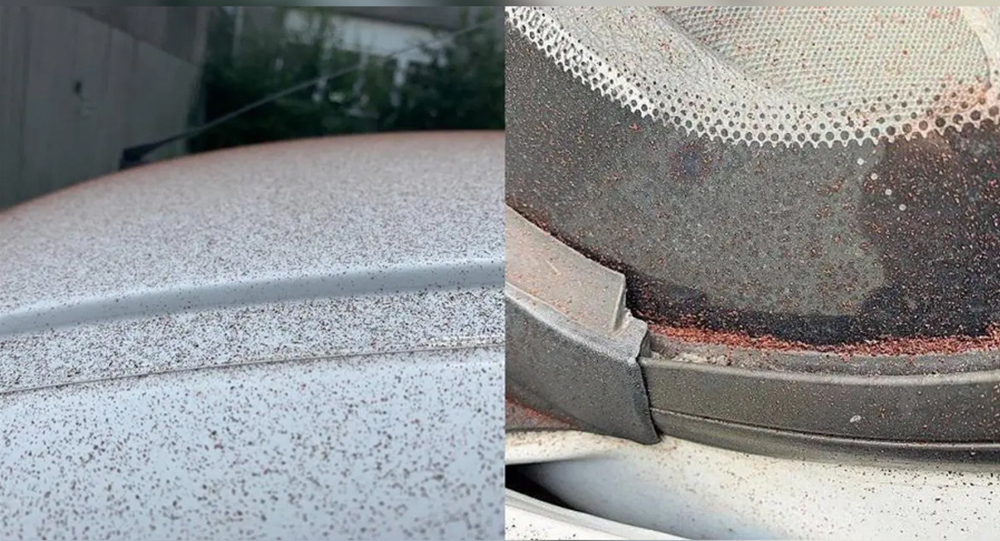
Chocolate Rain in Switzerland: How a Factory Malfunction Turned Olten Into a Sweet Spectacle
In 2020, chocolate 'rained' from the sky in a town in Switzerland. This incident was caused by a ventilation system malfunction at a chocolate factory in Olten. Strong winds then carried the snow-like cocoa powder and spread it around in the immediate vicinity of the factory, covering cars and other things in chocolate.
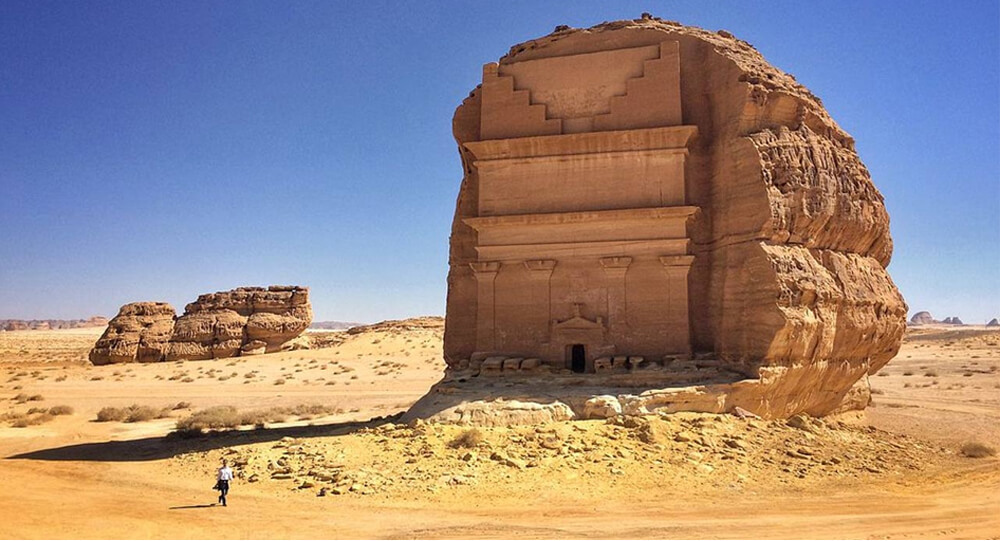
Qasr al-Farid, the Lonely Castle of the Nabataeans
The remote tomb of Qasr al-Farid, situated in the Saudi Arabian desert, dates back to the 1st Century CE. It was built by the Nabataean people, who also built Petra in Jordan. This site has remained largely undisturbed.
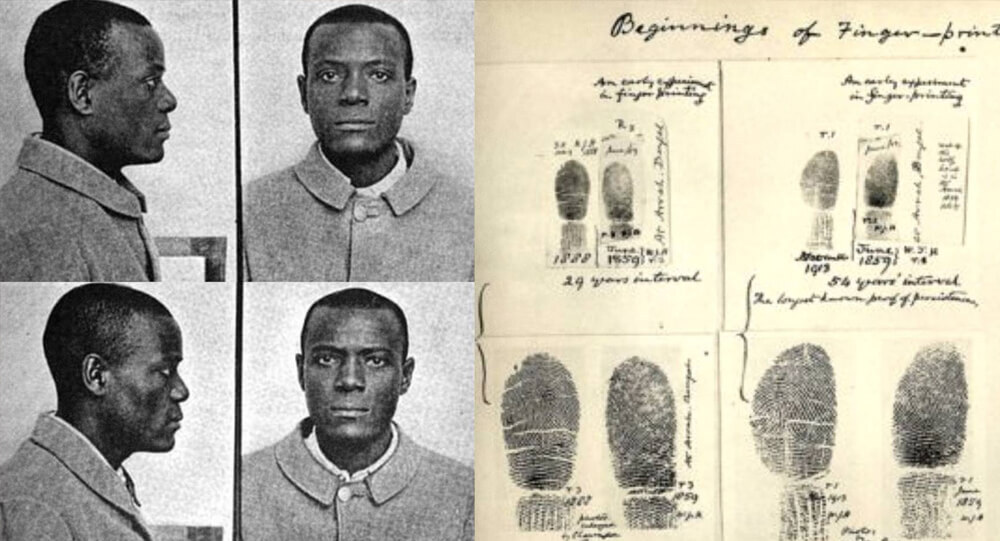
Will & William Wests: The puzzling situation of two inmates who are identical but not related
These are the mugshots of Will West and William West, and they are not related. They were both sent to Leavenworth Prison at the same time, in 1903, and after some confusion, the staff understood they had two different prisoners with the nearly same name, who looked exactly alike. They are part of the reason fingerprints are now used as identification.
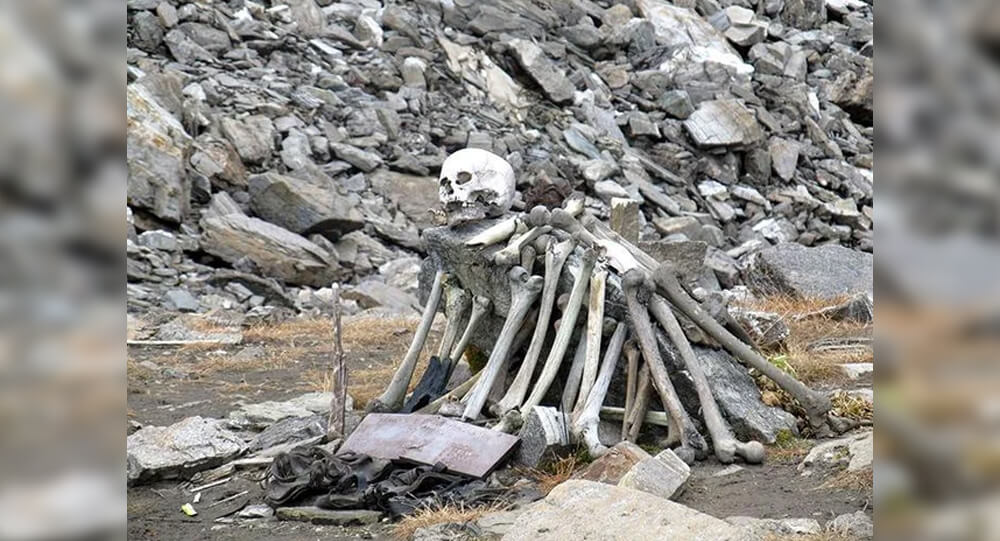
The mystery of India's 'lake of skeletons'
In 1942, a British forest guard in India made an alarming discovery. Some 16,000 feet above sea level, at the bottom of a small valley, was a frozen lake absolutely full of skeletons.
![[solved] “macaroni mystery”, 500 pounds of pasta dumped in new jersey](https://weeklyrecess.com/wp-content/uploads/2024/05/Macaroni-Mystery-cover.jpg)
[solved] “macaroni mystery”, 500 pounds of pasta dumped in new jersey
In April 2023, Old Bridge, New Jersey, faced a peculiar 'Macaroni Mystery' when 500 pounds of pasta were mysteriously dumped in the woods.

The mystery of the Sri Lankan national handball team's disappearance
In 2004, the whole Sri Lankan national handball team disappeared. Later, the Sri Lankan government denied the existence of such a team. The location of the team is still unknown.