
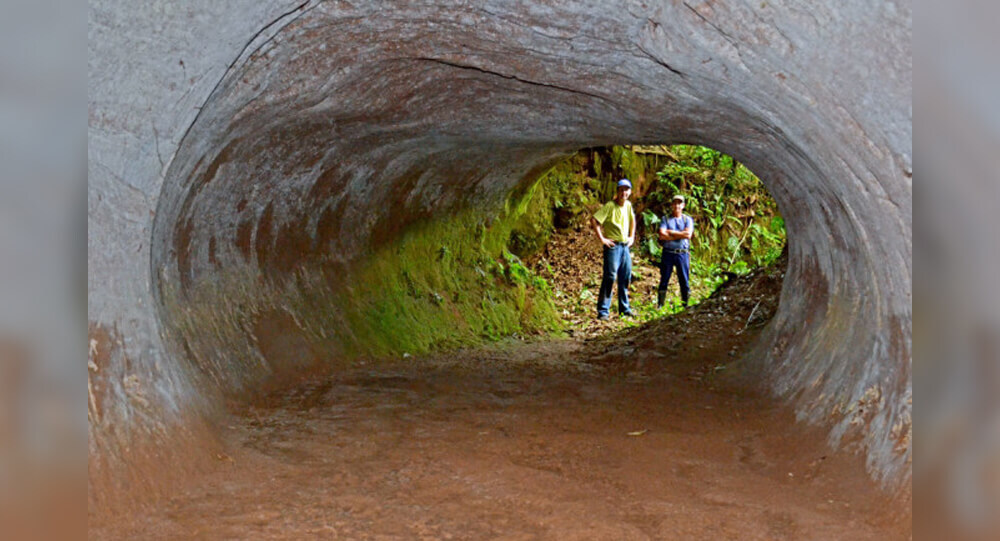

Tunnels Dug by ancient giant sloths, A South American Megafauna
At the time, Adamy, a geologist with the Brazilian Geological Survey (known by its Portuguese acronym, CPRM), was working on a general survey of the state of Rondonia in the Amazon. He eventually found his way to a large hole on a forested slope a few miles north of the Bolivian border after asking around.
Adamy couldn’t thoroughly examine the cave during that first visit because he couldn’t get in touch with the landowner. However, an initial examination indicated that it was not the result of any organic geological process. He had visited other neighboring caves created by water in the same geology that underlies this specific hillside. This wide, round passage with a smooth floor was nothing like the caves that once existed.
Adamy remarked, “I’d never seen anything like it before,” and vowed to go back someday to take a closer look. It truly caught my interest. It appeared unnatural.
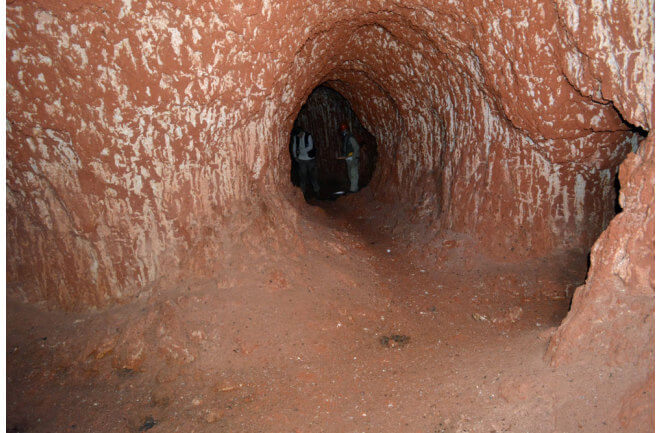
Some years prior, approximately 1,700 miles southeast, a different Brazilian geologist discovered an identically strange cave. A construction site in the town of Novo Hamburgo was passed by Heinrich Frank, a professor at the Federal University of Rio Grande do Sul, as he was speeding down the highway on a Friday afternoon. There he saw a strange hole in a bank where half of a hill had been eaten away by excavators.
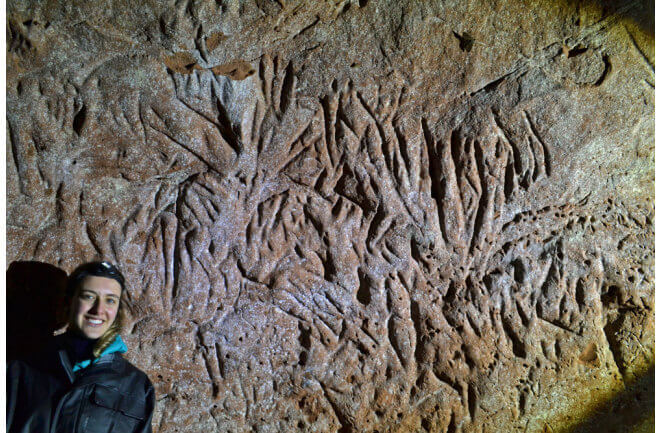
Given the lack of such a sight in the local geology, Frank returned a few weeks later and crawled inside. There was only one shaft, roughly fifteen feet long, and when he was lying on his back, he discovered what appeared to be claw marks all over the ceiling. After failing to find any geologically plausible explanation for the cave’s existence, he came to the conclusion that it was a “paleoburrow,” which he believes was excavated by a giant ground sloth species that is now extinct.
Frank remarks, “I had no idea that paleoburrows existed.” “As a professor and geologist, I’d never even heard of them.”
Rise of the Burrow
Actually, very few burrows associated with extinct megafauna had been documented in the scientific literature until the early 2000s. That’s particularly odd since Frank became enamored with burrows and started discovering them in large quantities following his accidental discovery in Novo Hamburgo.
For instance, when Frank and his students surveyed a 45-mile stretch of newly constructed highway close to Porto Alegre, they found paleoburrows in more than 70% of the road cuts. Many of them are completely filled with sediment, but they are still easily visible, resembling dark, round knots in a bank of dirt. Some, like the one that initially caught Frank’s interest, are still open.
Frank eventually found a suitable opening and squeezed through an elliptical shaft that was about 65 feet long, four feet wide, and covered in claw marks. He estimated that the original burrow was roughly 250 feet long, not including the twists and turns that it undoubtedly once contained, by extrapolating from the original size of the hill that was cut away for the highway.
According to Frank, “there is no geological process in the world that produces long tunnels with claw marks on the walls, that branch and rise and fall, and that have an elliptical or circular cross-section.” “I’ve also seen dozens of caves with inorganic origins, and it’s very evident that digging animals had no part in their creation in these cases.”
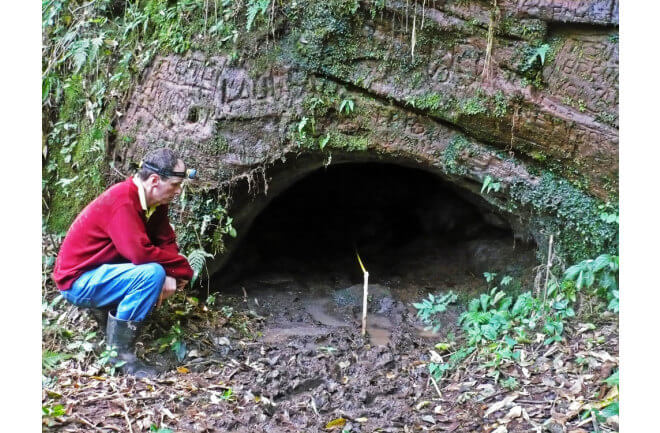
Frank has found at least 1,500 paleoburrows in his native state of Rio Grande do Sul, in the extreme south of Brazil. He has located hundreds more and counting in Santa Catarina, which is directly to the north.
Because of how much these burrows resemble ancient animal dens, he says, “sometimes you get the feeling that there’s some creature waiting around the next curve.”
The First in the Amazon
Amilcar Adamy of the CPRM didn’t get the chance to visit that peculiar cave in Rondonia again until 2015. Granted, it’s not the coolest part—it turned out to be the first paleoburrow found in the Amazon. It also turned out to be one of the longest ever measured, with 2,000 feet or so of branching tunnels combined. An estimated 4,000 metric tons of dirt and rock were excavated from the hillside to create the burrow; the main shafts, which have since been widened by erosion, were originally more than six feet tall and three to five feet wide.
Adamy claims, “This wasn’t made by one or two people.” It was created by many, over many generations, according to Frank, who calls it an exciting discovery that is not very surprising.
He claims, “We knew that burrows this big could exist.” “This massive one in Rondonia just serves as proof that they are real.”
Frank has discovered burrows in Rio Grande do Sul that were once several hundred feet long. In another burrow located far to the north in the state of Minas Gerais in the Gandarela Mountains, more than 1,000 total feet of tunnel have been measured. Frank has heard of one burrow in Santa Catarina that is longer than 3,000 feet, but he hasn’t looked into it yet.
Prehistoric Engineers
Frank thinks ground sloths were the ones who dug the largest burrows, which could have a diameter of up to five feet. He and his colleagues are considering the possibility of studying the fossil remains of several genera that were once found in South America and whose adaptation suggests further research, including the massive, several-ton Lestodon, Glossotherium, and Catonyx. Others think that even the largest burrows were made by extinct armadillos, like Pampatherium, Holmesina, or Propraopus, despite their smaller stature than that of sloths.
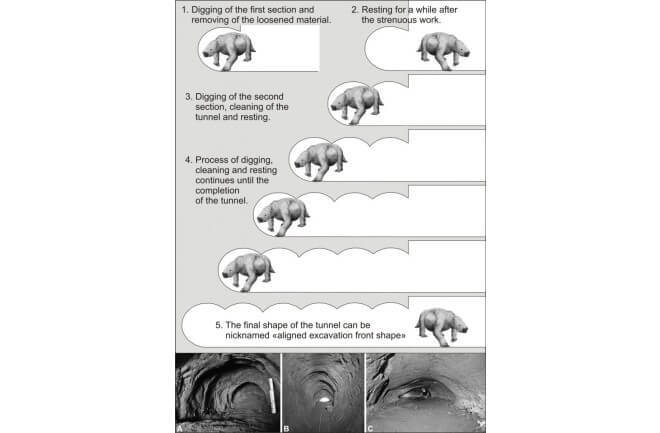
Nevertheless, Frank and his colleagues are still at a loss as to how to account for the sheer size of the burrows. The burrows are much bigger than what would be required to protect the animals that dug them from weather or predators, regardless of whether armadillos or prehistoric sloths are to blame.
The largest surviving member of the family, the giant armadillo, is found throughout most of South America and weighs between 65 and 90 pounds. Its burrows can reach a length of 20 feet and a diameter of just 16 inches.
“So what would dig one five feet wide and 250 feet long if a 90-pound animal alive today digs a 16-inch by 20-foot borrow?Frank enquires. “Nothing explains it; not humidity, not climate, not predators. Really, I have no idea.
Since animals stop digging burrows when they become extinct, dating the burrows is also at best conjecture. But they had to have been excavated between 8,000 and 10,000 years ago, when the giant ground sloths and armadillos of South America went extinct. It is not yet known when sediments washed in, but dating organic material discovered in burrow sediments would indicate when the burrow was dug. Frank adds that although it hasn’t been tested yet, speleothems, or mineral deposits, growing on burrow walls may be utilized to determine an age.
The peculiar geographic distribution of paleoburrows is another puzzling finding. Although they are widespread in the southern Brazilian states of Rio Grande do Sul and Santa Catarina, they are presently virtually unknown in Uruguay, even though some of the earliest known specimens were discovered in Argentina, which is even farther south. Similar to this, not many have been discovered in Brazil further north, and Frank is only aware of a very small number of potential burrows in other South American nations.
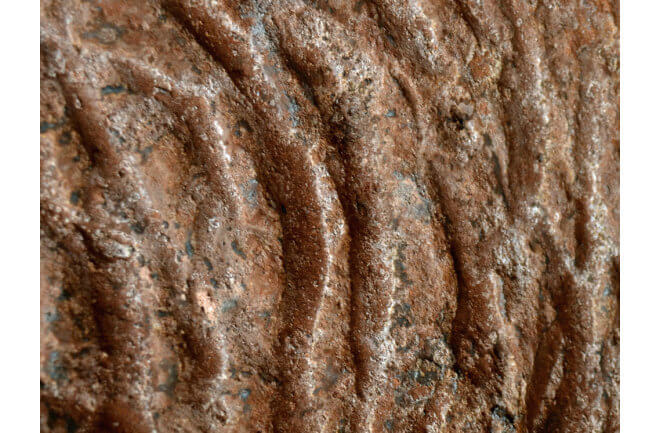
Because he happens to live and work in the heart of burrow country, he doesn’t believe he is biased. Frank’s colleagues have done extensive searches in other parts of Brazil, but their results have been largely negative. He has also conducted some detective work by looking through other people’s cave photos on Google. He often recognizes paleoburrows in the south of Brazil from details inadvertently captured in photographs, such as a grinning group of Brazilian boy scouts posing in front of a wall of a cave pocked with claw marks. People share photos of caves they have visited on social media in other parts of the nation and continent, but almost none of them appear to have been originally excavated by animals.
A South American Thing
You won’t find paleoburrows here, despite the fact that giant ground sloths and armadillos once roamed North America.
“It’s possible that we haven’t noticed them here,” says paleontologist Greg McDonald of the Bureau of Land Management, who specializes in studying extinct South American sloths. “Alternatively, it’s possible that they were present here but were unable to thrive for an extended period of time due to improper soil conditions.”
The lack of paleoburrows also raises unanswered questions. Dasypus bellus, the magnificent armadillo, is extinct. It was roughly twice as large as the nine-banded armadillo of today. It was common in Pleistocene North America and shared many forelimb morphologies with modern armadillos, which love to burrow. Beautiful amardillo remains are frequently found in caves, but not ones scientists have ever thought were actually dug by the animal.
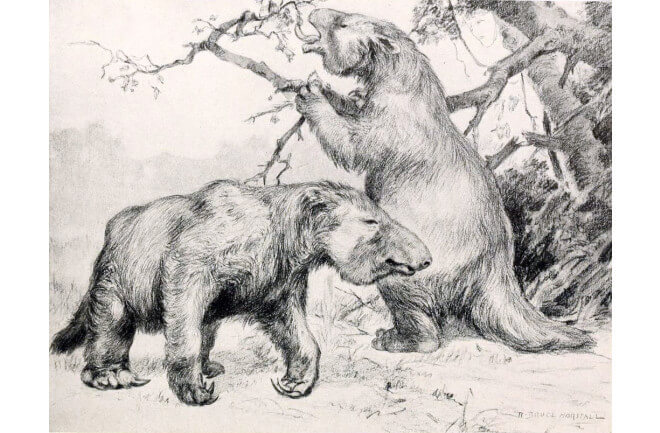
McDonald acknowledges another possibility: paleoburrows may exist in North America but have received little attention, similar to what happened in South America until recently.
“There are things that are so commonplace that people just take them for granted,” he says. “And nobody will know until someone who is at least mildly curious looks more closely and asks, ‘What’s forming these?'”
There’s a long list of research projects to design for the few scientists in South America studying paleoburrows, all centered around the same fundamental questions: who, why, what, where, and when?
Frank has been studying paleoburrows for the past ten years, and describing patterns that have emerged from his observations is at the top of his priority list. While some are straightforward shafts, others are intricate feats of subterranean construction with branching tunnels that rise, fall, and twist to form a network with multiple entrances. Every now and then, a few of them reveal much larger chambers. There are comparatively few of them. And then there are the big ones.
“We must identify the patterns. We’re beginning to get a better understanding of this,” says Frank. “And from there, it will be easier for us to deduce the kinds of animals that were digging them.”

How Sleep Deprivation Was Once Used as Torture
Sleep deprivation, long before modern interrogation techniques, was considered a “clean” and effective form of torture—leaving no physical scars, yet breaking minds with haunting silence. Victims endured days and nights without rest, leading to vivid hallucinations, disorientation, and psychological torment. This article traces the dark history of sleep deprivation as a weapon, examines the science behind its effects on the brain, and shines a light on the painful balance between human endurance and cruelty in the annals of coercion.

The Baltic Way: the longest unbroken human chain in history
On August 23, 1989, about 2 million people from Latvia, Estonia, and Lithuania formed a human chain that united all 3 countries to show the world their desire to escape the Soviet Union and the communism that brought only suffering and poverty. This power stretched 600 km.

Top 10 most cruel medical procedures that are being used today
We are all aware that medicine has advanced dramatically over the last fifty years. There are several modern medical approaches available today, but this was not always the case. However, the past of medicine is a dark one. Medical leeches, lobotomy, vascular surgery, cranial stenosis, and even electroshock therapy are all options. These are only a couple of the cruel healing techniques that are still in use today.
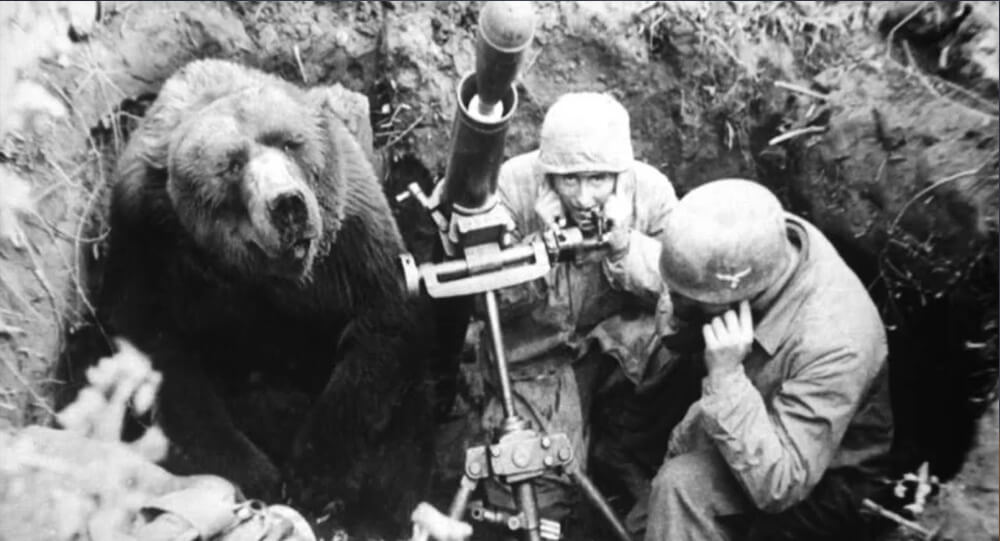
The 440-pound bear named Wojtek and his World War II battle against the Nazis
Polish troops raised an orphaned bear cub during WWII. He enjoyed drinking beer, and was trained to salute. He became officially enlisted as a member of the forces, and helped carry artillery during battle.
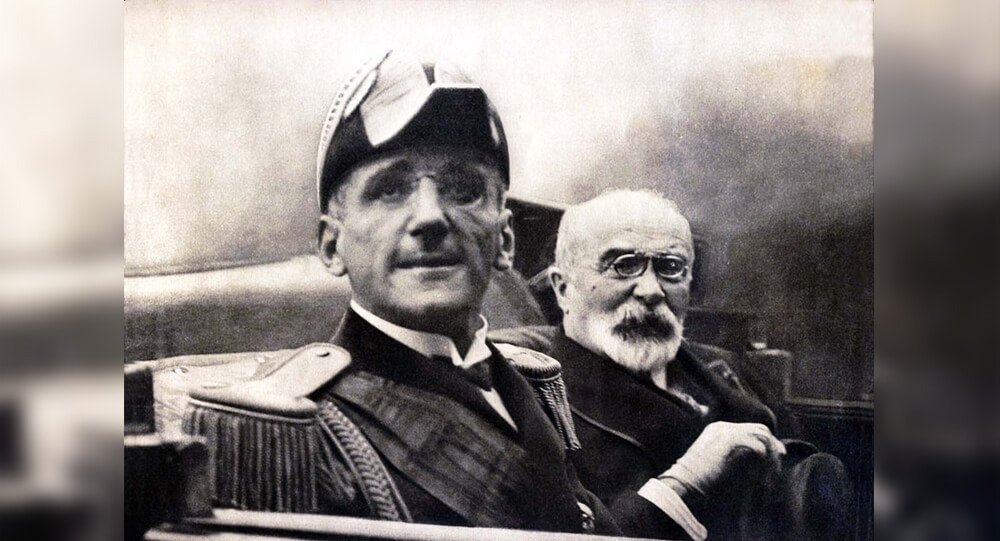
The Assassination Of King Alexander
The assassination of King Alexander of Yugoslavia marked a pivotal moment in the country's history. This article delves into the rise and reign of King Alexander, exploring his early life and ascension to the throne. It also examines the political and social climate in interwar Yugoslavia, setting the stage for the tensions and challenges that ultimately culminated in his tragic assassination. By understanding the context in which this event unfolded, we can better grasp the significance and impact it had on the nation and its future.

The true story of Josephine Myrtle Corbin, the lady born with four legs and two private parts
Josephine Myrtle Corbin, an American sideshow performer born in 1868, had a rare condition known as dipygus, which caused her to have four legs, each smaller inner leg paired with one of her outer legs. Corbin joined the sideshow circuit, captivating audiences as the "Four-Legged Girl from Texas."

Medals of Friendship: The Enduring Olympic Story of 1936
At the 1936 Summer Olympics, two Japanese pole vaulters named Sueo Oe and Shuhei Nishida tied for second, but they declined to compete against each other. As a result, Nishida was awarded the silver medal and Oe won a bronze medal. Upon returning to Japan, the athletes had their medals cut in half and spliced together to create new "friendship medals," which were half silver and half bronze.
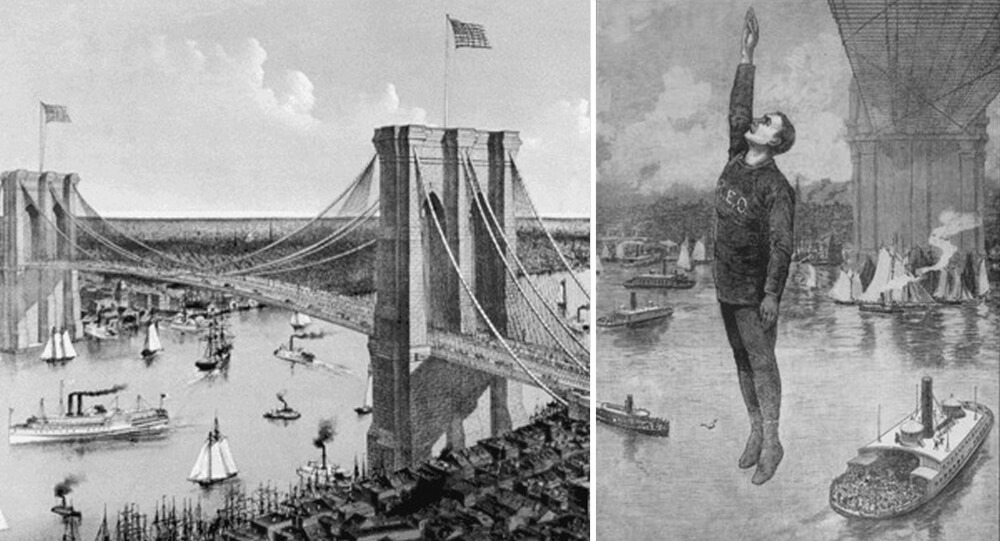
Robert Odlum, the first person to jump off the Brooklyn Bridge
The first person to jump off the Brooklyn Bridge was a professional high diver who "wanted to demonstrate that people did not die simply by falling through the air, thus encouraging people to be willing to jump from a burning building into a net." He proved himself correct by safely falling 135 feet through the air and dying only when he hit the water.

The incredible story of Julia "Butterfly" Hill and her legacy
American environmental activist Julia “Butterfly” Hill lived in a 1500-year-old California Redwood tree for 738 days to prevent it from being cut down by the Pacific Lumber Company. The Simpson’s episode “Lisa the Tree Hugger” was inspired by Hill’s story.

Terry Fox, a 21-year-old one-legged cancer patient who ran 143 days before dying
Terry Fox was a 21-year-old one-legged cancer patient who ran 3,339 miles across Canada in 143 days before dying.

Knockers-up: waking up the Industrial Britain's Workers in 1900-1941
Before alarm clocks were invented, there was a profession called a knocker-up, which involved going from client to client and tapping on their windows (or banging on their doors) with long sticks until they were awake. It lasted into the 1920s.
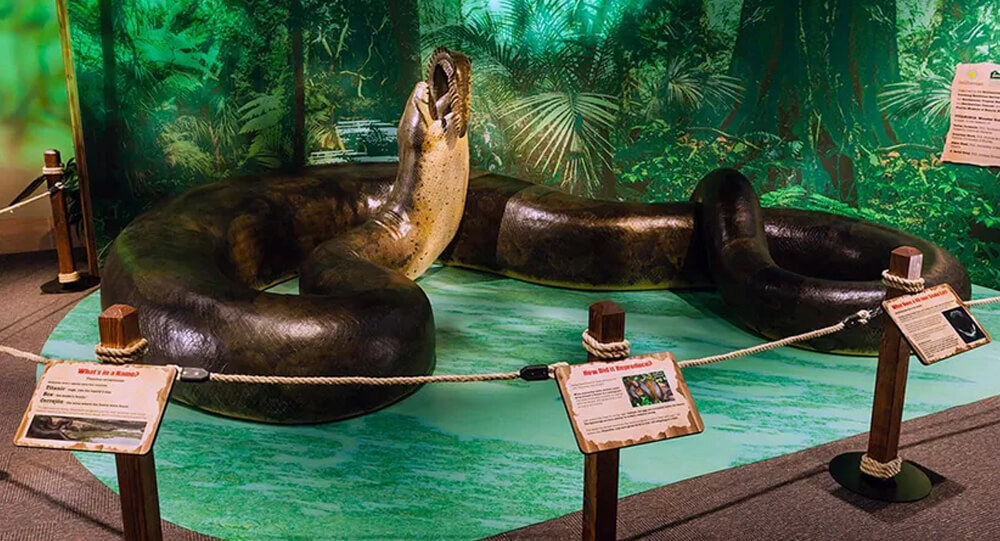
Titanoboa cerrejonensis, fossils of the world’s largest species of snake
In 2009 in a coal mine of Columbia, scientists discovered fossils of the world’s largest species of snake. The species is called “Titanoboa cerrejonensis,“and it is from around 60 million years ago. It would have had measured about 48 feet long and weighed about 2,500 pounds

The Day an Israeli F-15 Landed with One Wing: Zivi Nedivi’s Unbelievable Mid-Air Survival
Discover the astonishing true story of Israeli pilot Zivi Nedivi, who safely landed an F-15 after a mid-air collision tore off its entire right wing. Learn how skill, quick thinking, and the F-15’s unique design turned a disaster into a legendary feat in aviation history

The World’s First Seismograph: How Ancient China Detected Earthquakes 1,800 Years Ago
Over 1,800 years ago, long before modern technology, the ancient Chinese astronomer and inventor Zhang Heng created the world’s first seismograph in 132 AD. This ingenious bronze device could detect distant earthquakes by releasing small balls from dragons’ mouths into toads’ mouths—each indicating a different compass direction. Its historic detection of an earthquake 400 miles away astonished the imperial court and transformed the way societies understood and responded to seismic events.
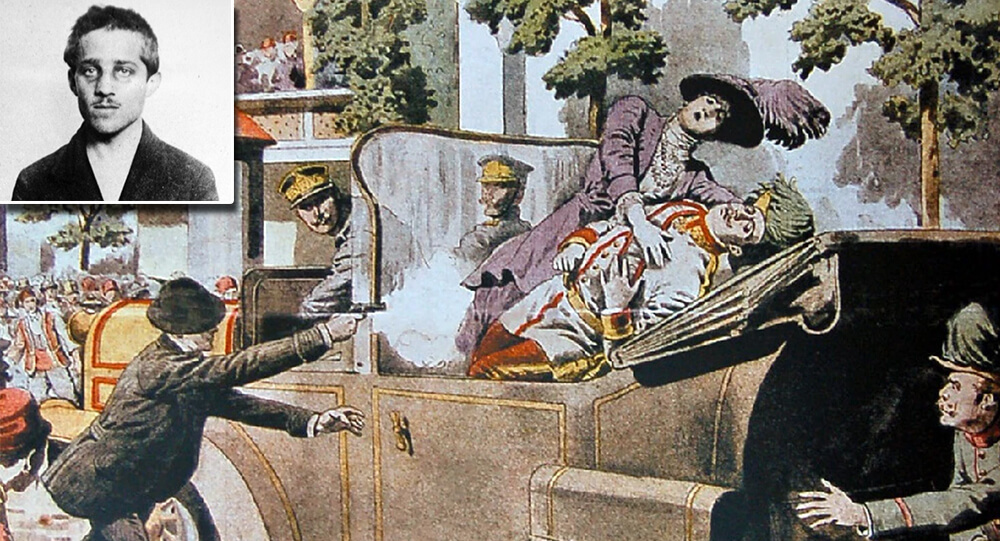
Franz Ferdinand’s Assassination that sparked World War I
Archduke Franz Ferdinand of Austria and his wife Sophie are shot to death by a Bosnian Serb nationalist during an official visit to the Bosnian capital of Sarajevo on June 28, 1914. The killings sparked a chain of events that led to the eruption of World War I by early August.
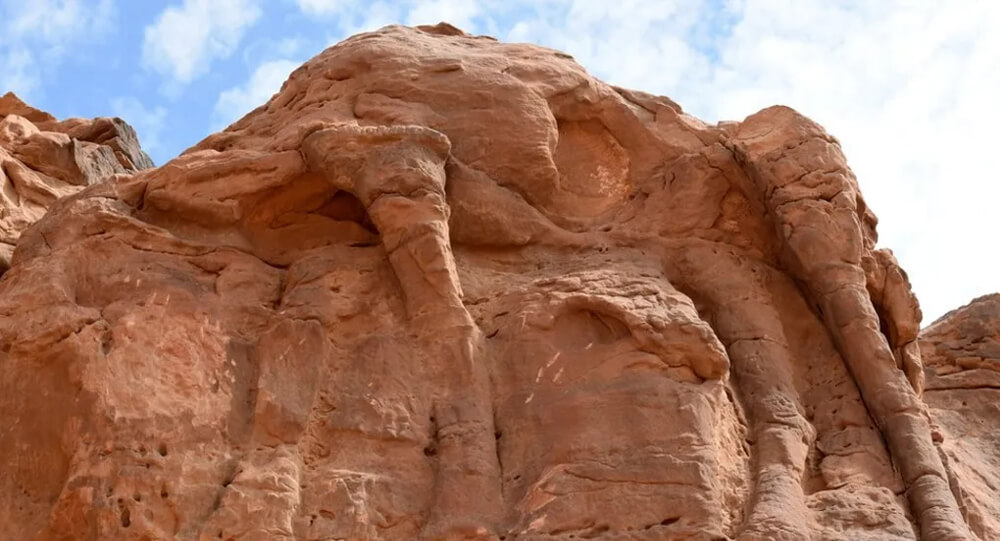
Saudi Arabia camel carvings dated to prehistoric era
Archaeologists were shocked to discover that a series of camels carved into desert rock faces in north-western Saudi Arabia are actually prehistoric, dating from 7,000-8,000 years ago - before either the Pyramids of Giza or Stonehenge were built.

Quaker Oats Fed Children with Radioactive Oatmeal
In the 1940s and 1950s, Quaker Oats and MIT conducted experiments on radioactive iron and calcium-containing cereal. The diet was part of a study to see if the nutrients in Quaker oatmeal traveled throughout the body. In January 1998, a $1.85 million settlement was reached for 30 victims who came forward.

The incredible story of a plane that lost its roof in mid-flight and the light signal that saved 94 lives.
On April 28, 1988, Aloha Airlines flight 243 was on the way to Honolulu from Hilo when a huge portion of the upper part of the fuselage blew off the airplane.
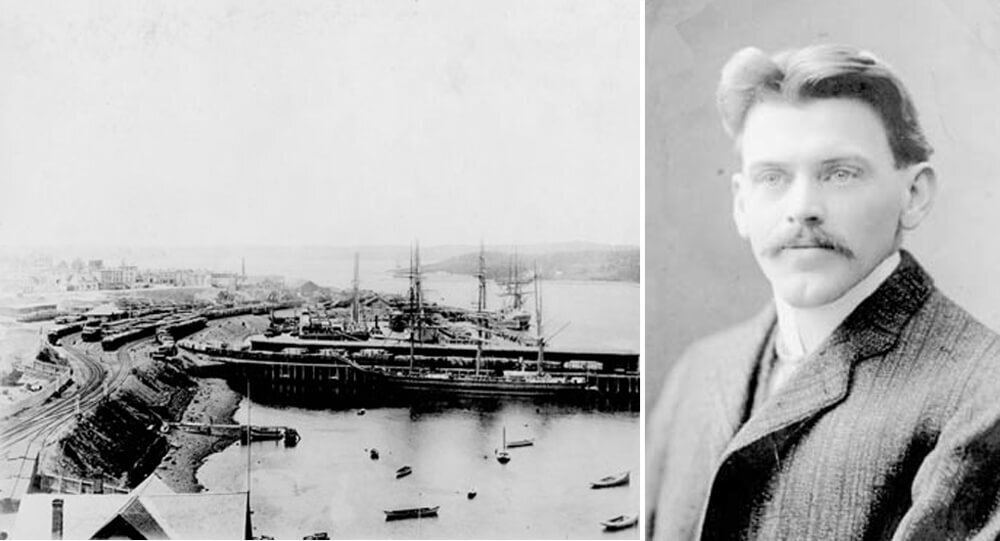
Vince Coleman, a railway dispatcher, sacrificed his own life
Vince Coleman, a railway dispatcher, sacrificed his life in order to warn an incoming train of an imminent explosion. His telegraph said “Hold up the train. Ammunition ship afire in harbor making for Pier 6 and will explode. Guess this will be my last message. Good-bye, boys.” He saved 300 lives.


From Flapper to Fashion Week: How 1920s Style Still Shapes Modern Trends
The roaring 1920s revolutionized fashion, introducing bold styles, daring cuts, and a spirit of freedom that still inspires today’s wardrobes. From flapper dresses to statement accessories, here’s how the Jazz Age lives on in modern fashion.

What exactly was the US's 'Ghost Army' during WWII?
During WW2, there was a special unit of men dubbed the ‘Ghost Army’. The unit was made of artists, creative and engineers and their job was to create deception about the enemy. From inflatable tanks to phony convoys to scripted conversations in bars intended to spread disinformation, they used all possible tricks to fool the enemy.

Why the Word ‘Pen’ Comes from the Latin ‘Penna’ Meaning Feather
The humble word “pen” carries a rich history rooted in ancient times, derived from the Latin word penna, meaning “feather.” Long before modern pens revolutionized writing, feather quills—especially from geese—were the essential tools of scribes, scholars, and artists. This article journeys through the origins of the pen, its evolution, and fascinating trivia about the timeless connection between feathers and writing.

Remembering the 1945 Empire State Building Disaster: When a Plane Met Skyscraper
An airplane crashed into the Empire State Building in 1945. Among other damage, plane parts severed the cables of an elevator and the woman inside fell over 70 stories. She lived and holds the world record for the longest survived elevator fall.

Hedy Lamarr, A Hollywood actress who also a mathematician and inventor
Hollywood actress Hedy Lamarr was also a mathematician and the inventor of frequency hopping spread spectrum, a technology still used for bluetooth and wifi

The day Iceland's women went on strike
Icelandic women went on strike for equal rights on October 24, 1975. 90% of women walked out of their jobs and homes, effectively shutting down the entire country. The men were struggling to keep up. The following year, Parliament passed a law requiring equal pay. Iceland elected the world's first female President five years later. Iceland now has the highest gender equality rate in the world.