It would take 19 minutes to fall from the North Pole to Earth’s core
It would take 19 minutes to fall from the North Pole to Earth’s core.
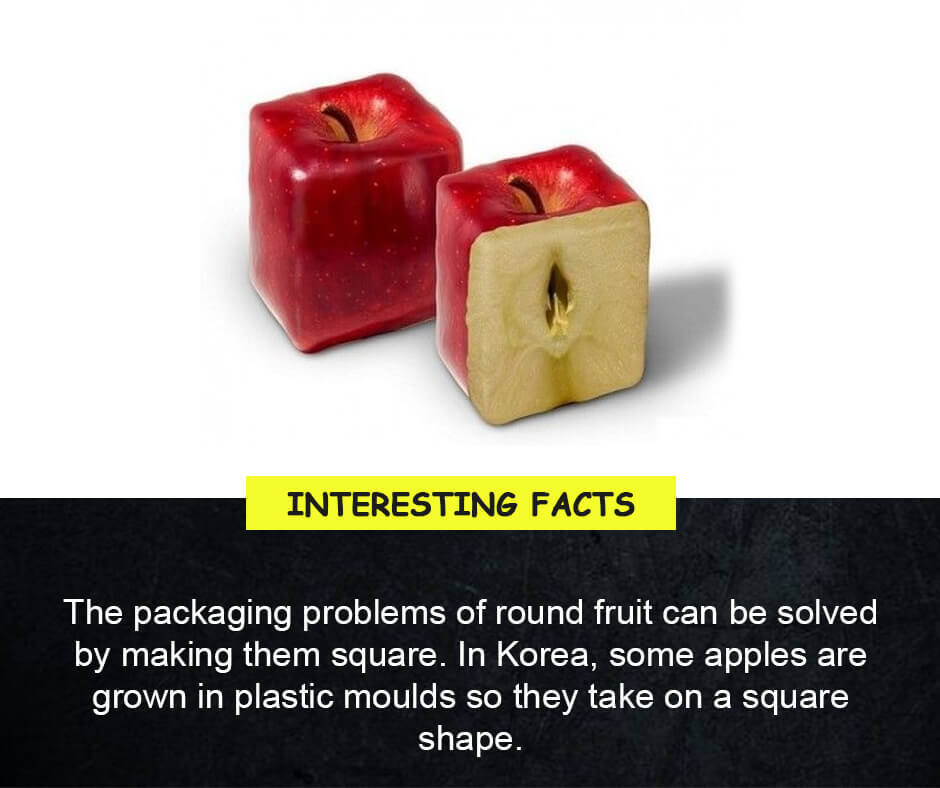
The packaging problems of round fruit can be solved by making them square. In Korea, some apples are grown in plastic moulds so they take on a square shape.

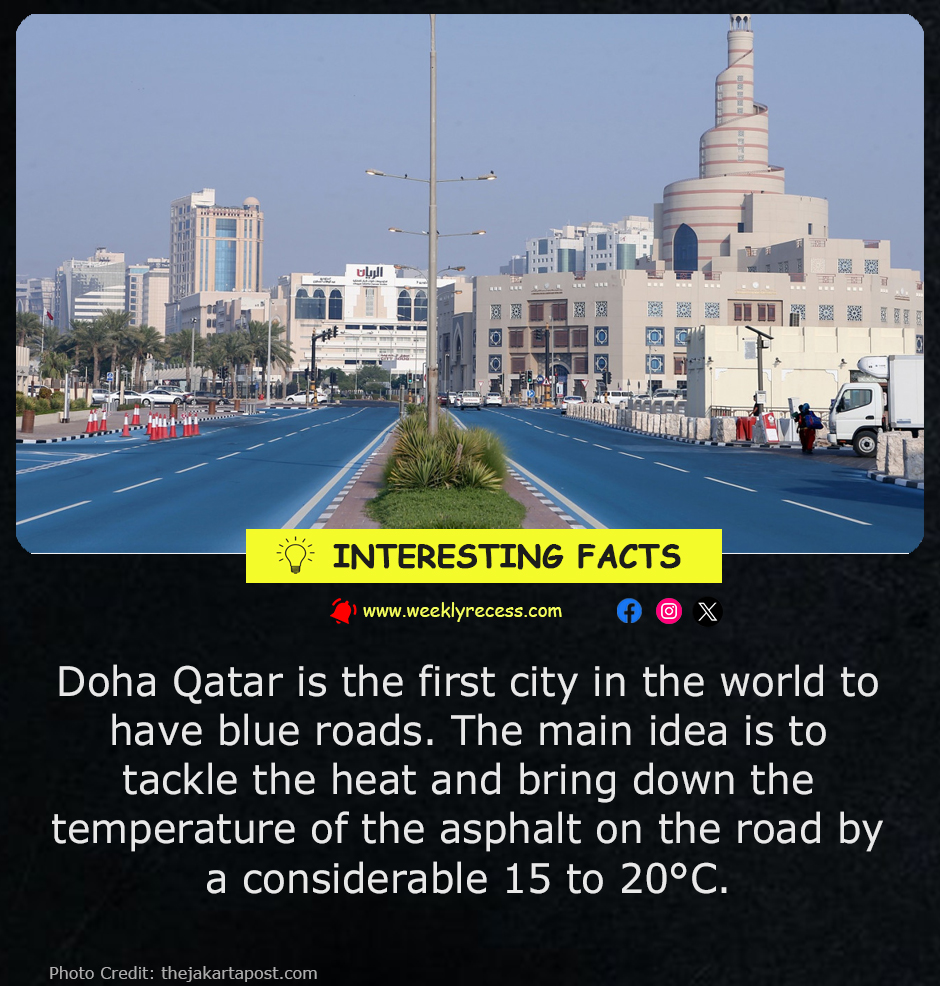
Doha, Qatar is the first city to use blue roads to lower asphalt temperatures by up to 20°C.


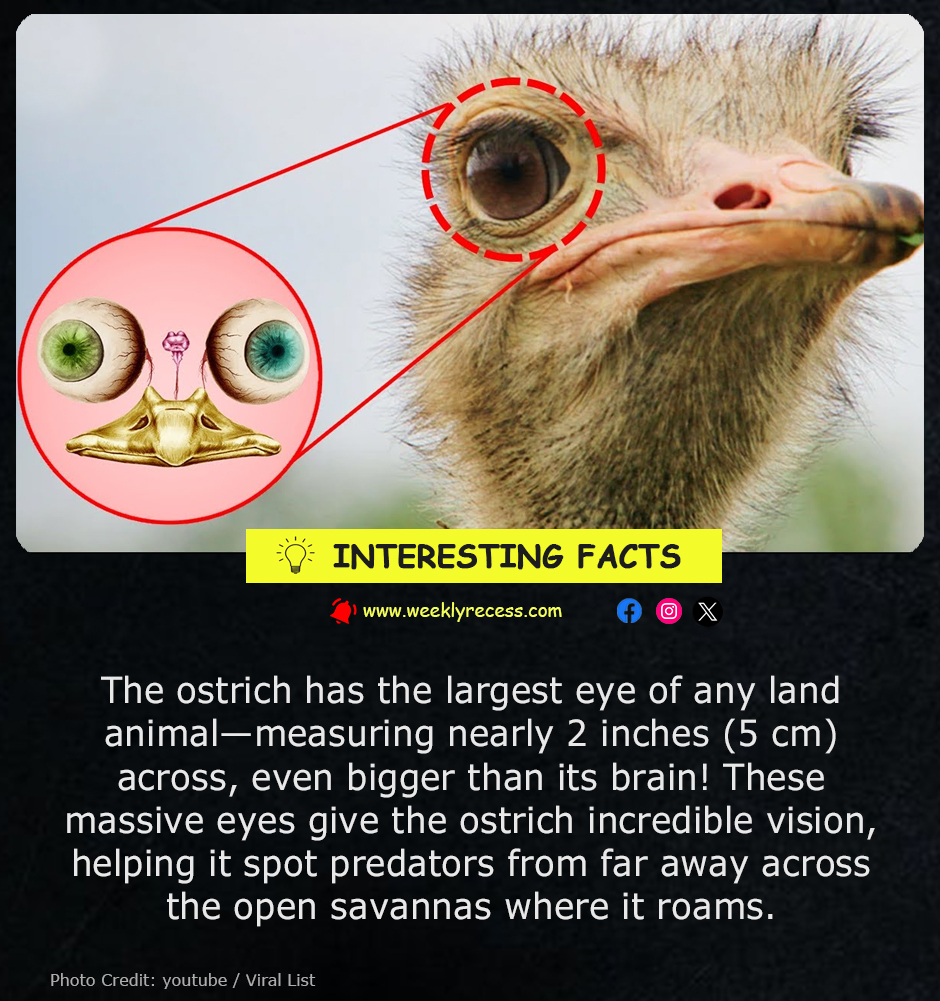
Ostriches have the largest eyes of any land animal—great for spotting danger on the savanna.
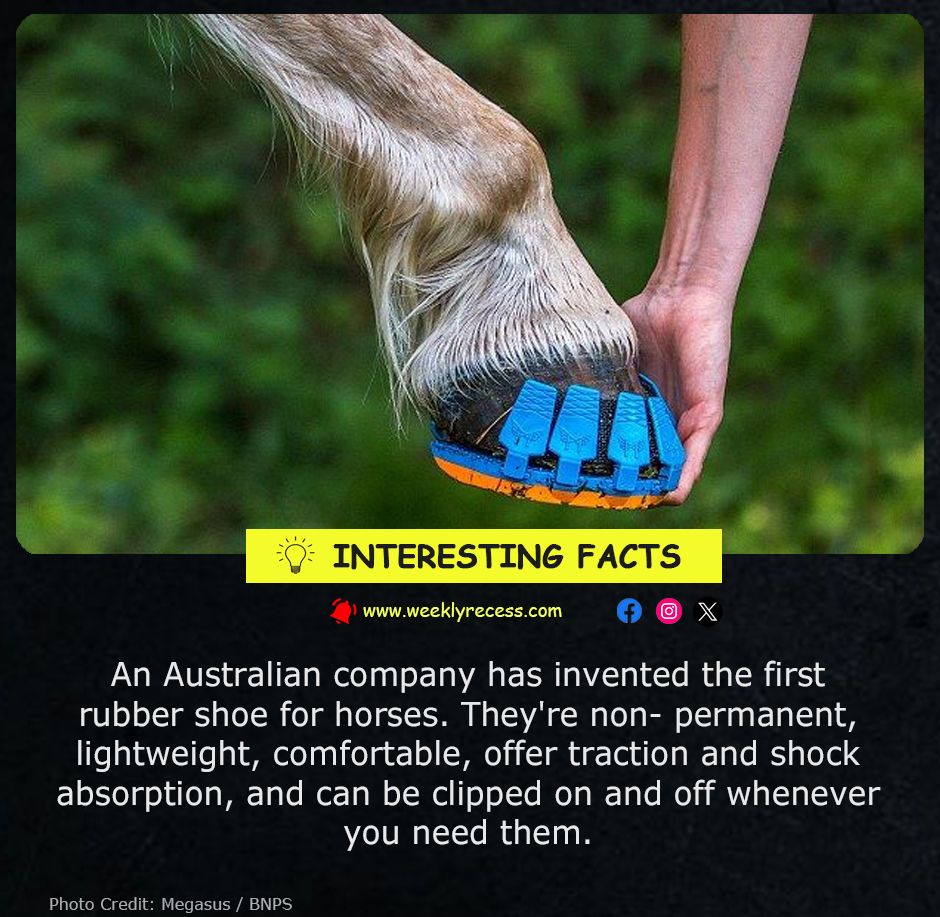
A new rubber horseshoe from Australia offers comfort, grip, and flexibility—no nails required
In 2018, a typo at Samsung Securities triggered a $100B stock error—causing chaos and a sharp price drop.

Innovative Pugedon machines in Istanbul let people recycle bottles and cans to dispense food and water for stray dogs and cats.

In Churchill, unlocked cars offer emergency shelter from unexpected polar bear encounters.

Messi sent a signed jersey to a boy who wore one made from a plastic bag.

Bolivia’s San Pedro Prison runs without guards inside—prisoners govern, work, and live with their families.

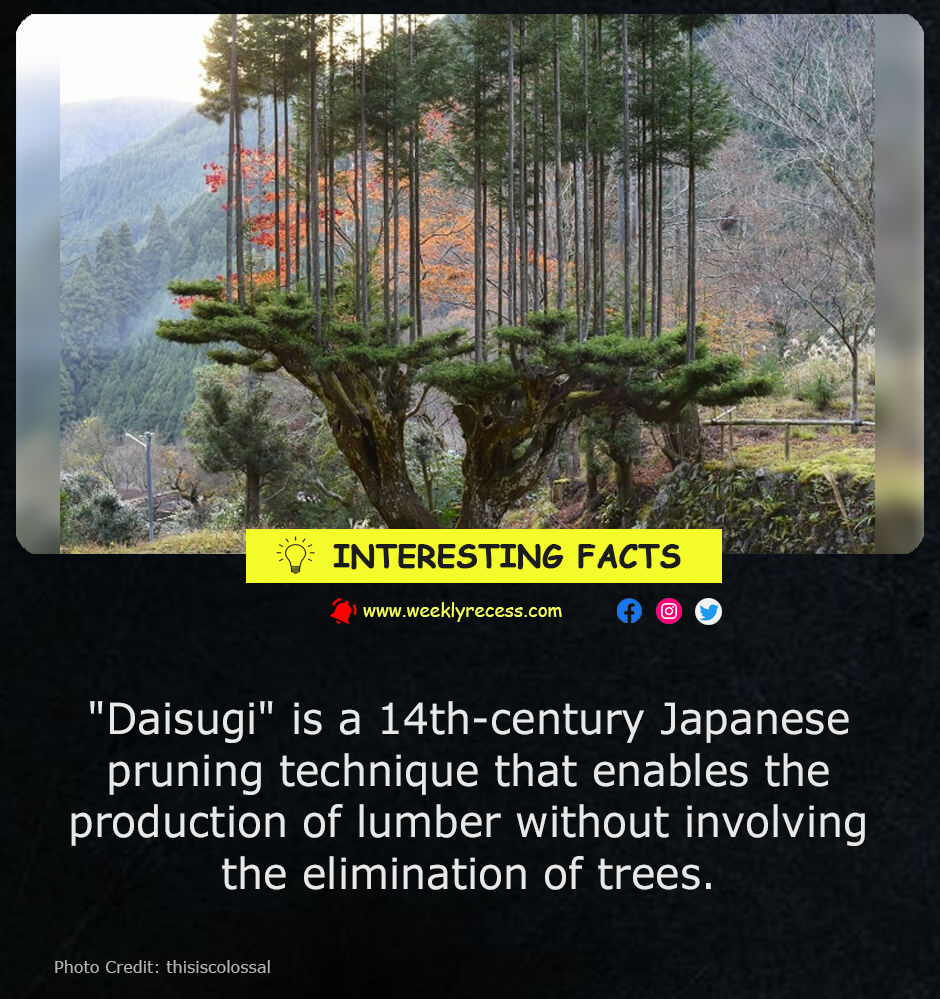
Daisugi is a 14th-century Japanese pruning method that produces straight lumber while keeping the parent tree alive and intact.
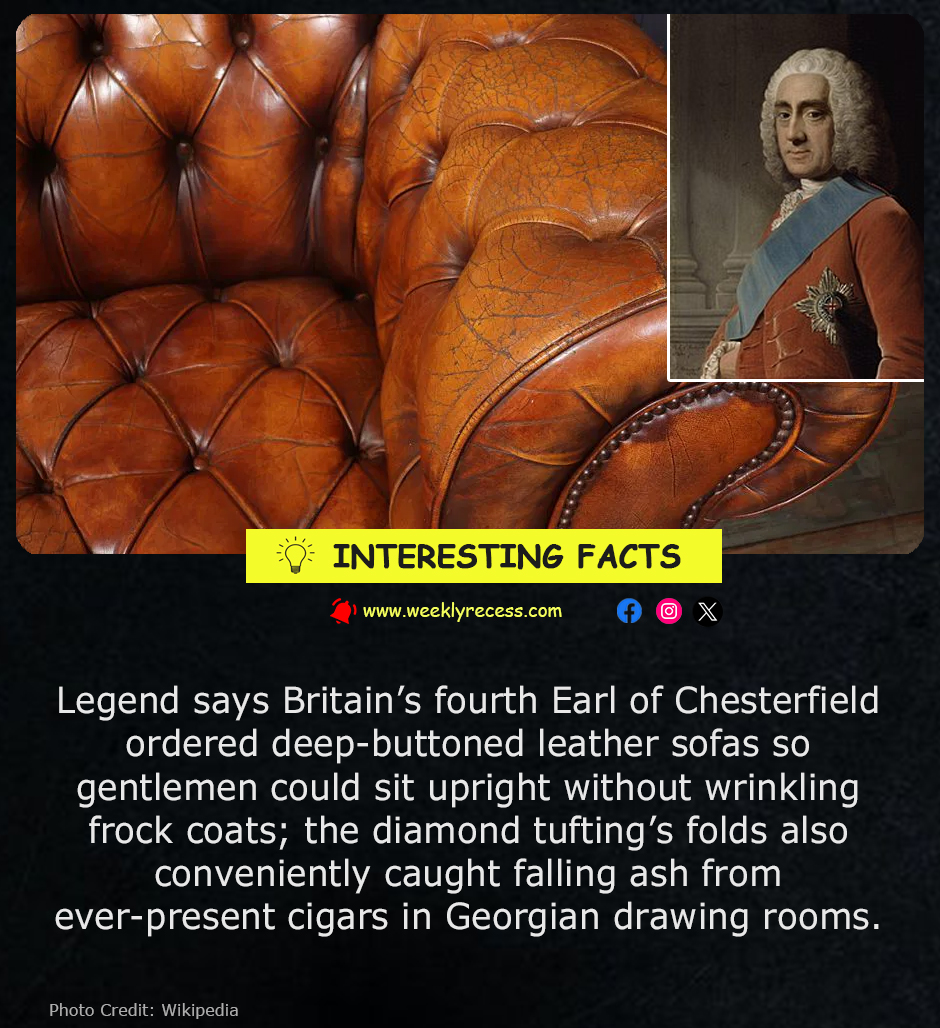
Legend says the Chesterfield was designed to keep coats crisp and catch cigar ash in its folds.
Dr. Dre disliked his voice and was hesitant to rap until N.W.A pushed him into it.

Erika Eiffel symbolically married the Eiffel Tower, highlighting objectophilia and challenging norms about love and identity.

Superstition leads many skyscrapers to skip labeling the 13th floor—though it still exists physically.

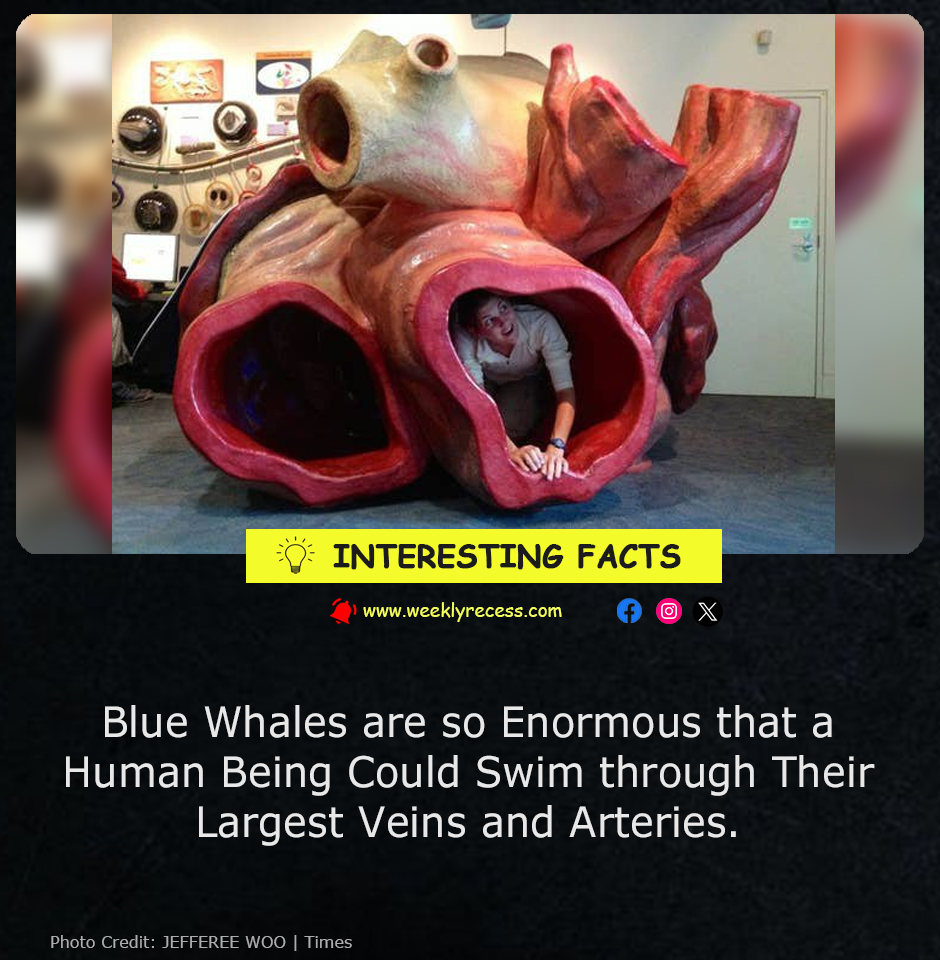
The arteries of a blue whale are so massive, a human could swim through the largest ones.
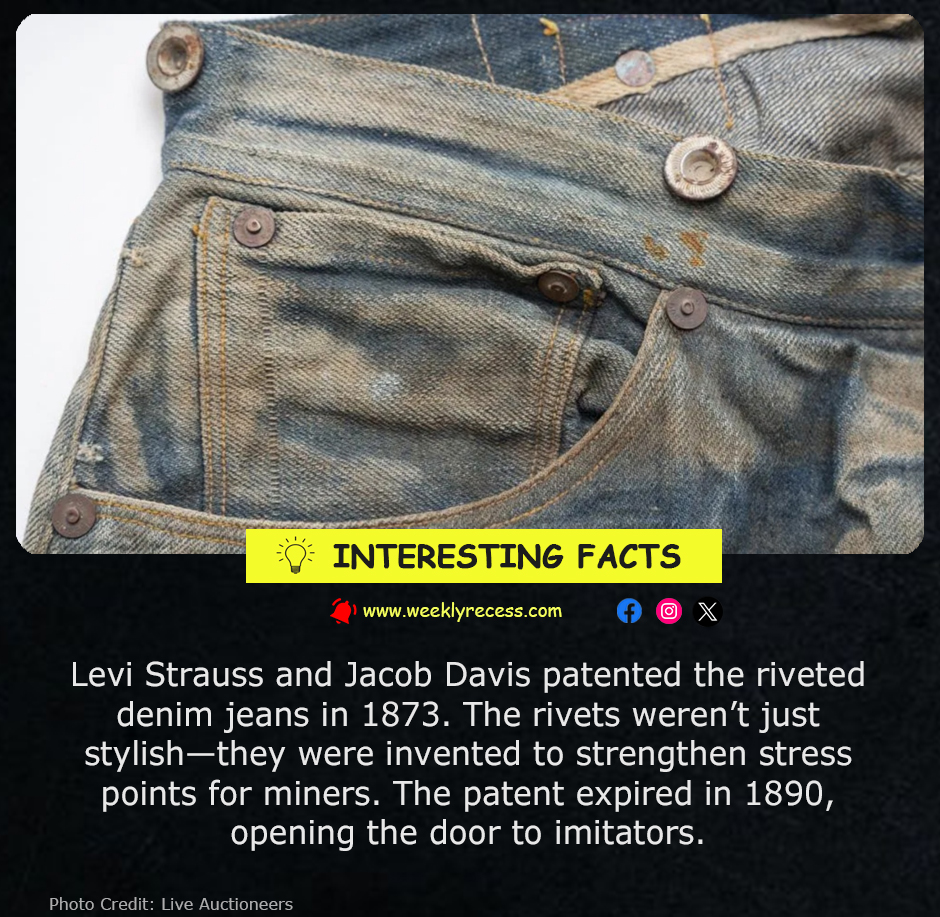
In 1873, Levi Strauss and Jacob Davis patented riveted jeans to reinforce stress points for hard-working miners.
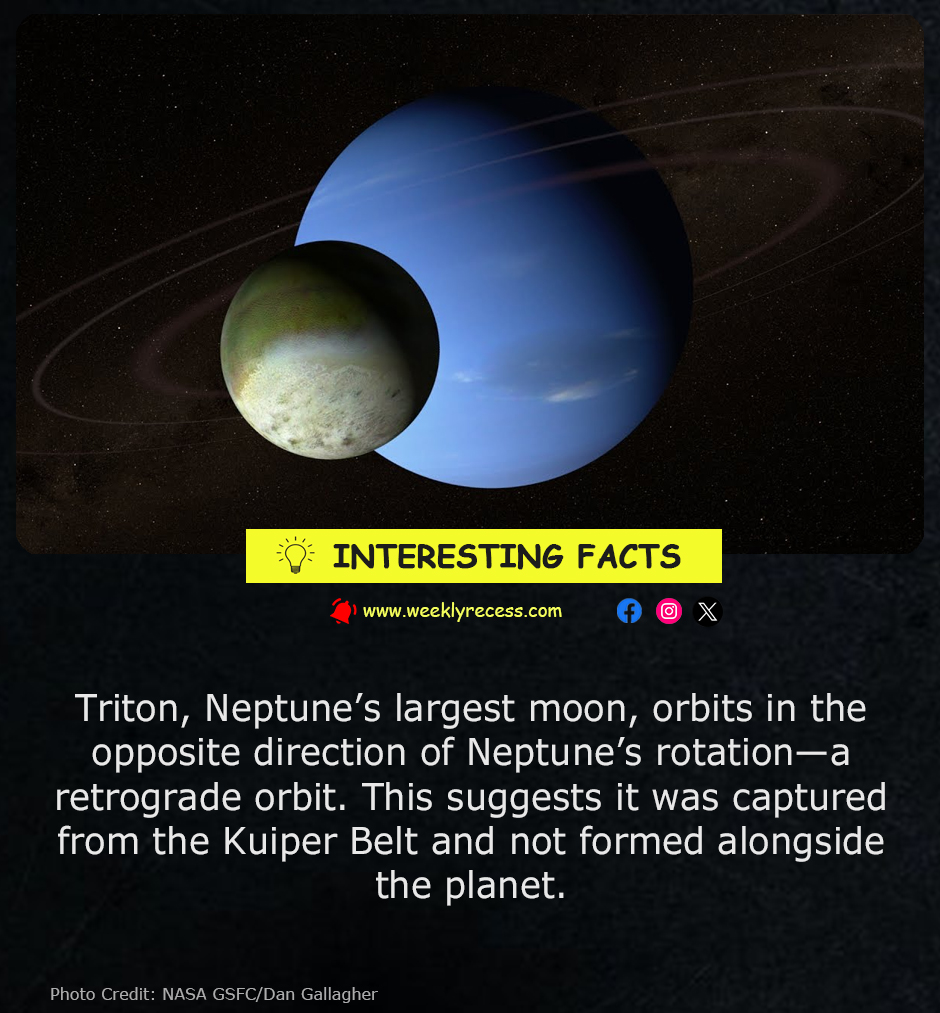
Triton’s backward orbit hints it was captured, not born with Neptune.
A Nigerian fisherman unknowingly caught a rare blue marlin—worth millions—but shared it with his village instead.

Tom Hanks is Abraham Lincoln’s third cousin, four generations removed.

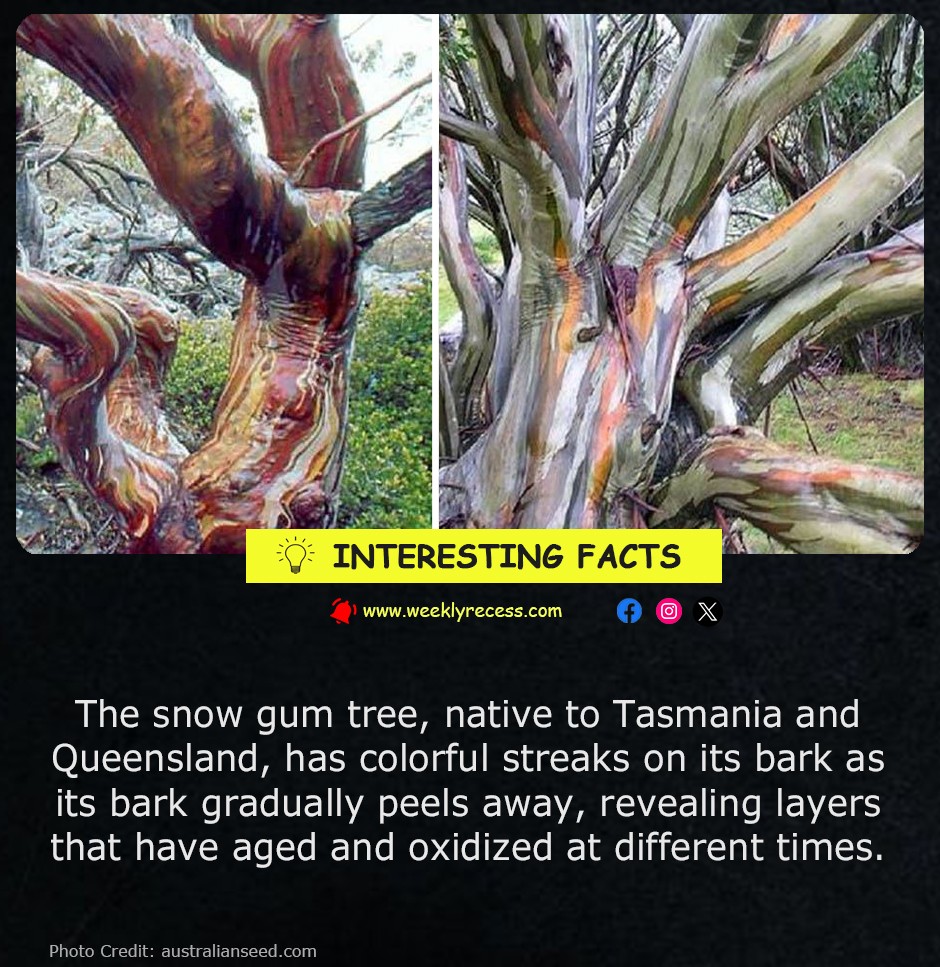
Snow gum trees reveal colorful bark streaks as outer layers peel and oxidize at different stages.
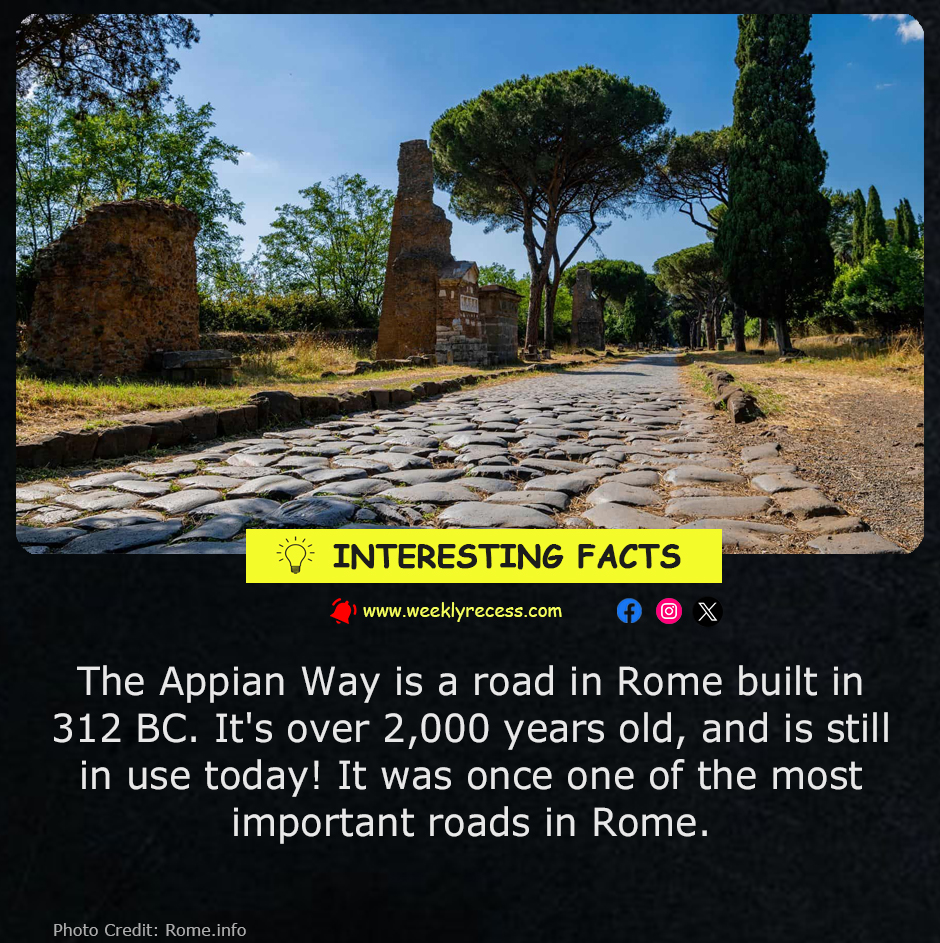
Built in 312 BC, this Roman road has stood the test of time.
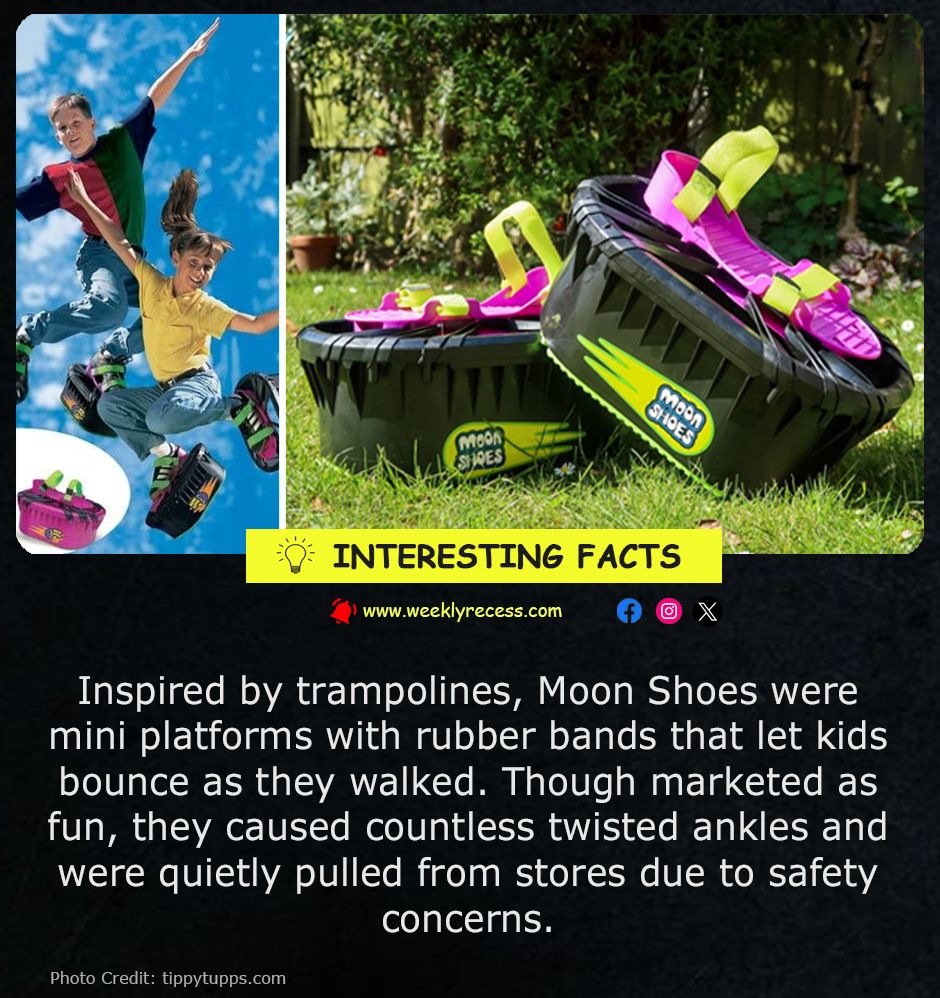
Inspired by trampolines, Moon Shoes let kids bounce—but led to twisted ankles and safety recalls.