


The 1976 April Fools' Pranks, Planetary Alignment
Sir Patrick Moore, a British astronomer, announced on BBC2 radio in 1976 that a remarkable and impending planetary alignment would momentarily weaken gravity.
According to Sir Patrick, the alignment of Pluto, Jupiter, and the Earth will counteract the gravitational pull of Earth at 947 a.m. The astronomer informed his audience that individuals could experience a brief sensation of weightlessness if they leaped into the air at the exact moment he instructed them to.
When Sir Patrick declared “now” at 9:47 a.m., people jumped all over the United Kingdom and even abroad. Hundreds of people called the radio station to report experiencing the effect.
A caller claimed that she and her spouse had experienced levitation; Sir Patrick had devised the April Fool’s Day joke to mock assertions that a planetary alignment in 1982 would result in significant earthquakes.


Poto And Cabengo: The Secret Language Of Twins
Poto and Cabengo, as the two girls called each other, communicated in their own language. The twins were ignored by their parents and secluded from the outside world because their father felt they were developmentally retarded, and their unique language evolved as a result of that neglect.

Mother who spent entire life savings for daughter’s cancer treatment won the lottery
A mother won $2 million from a $10 scratch-off lottery ticket after she spent all of her entire life savings to pay her daughter’s cancer treatment. She bought the winning ticket after her daughter’s last cancer treatment.
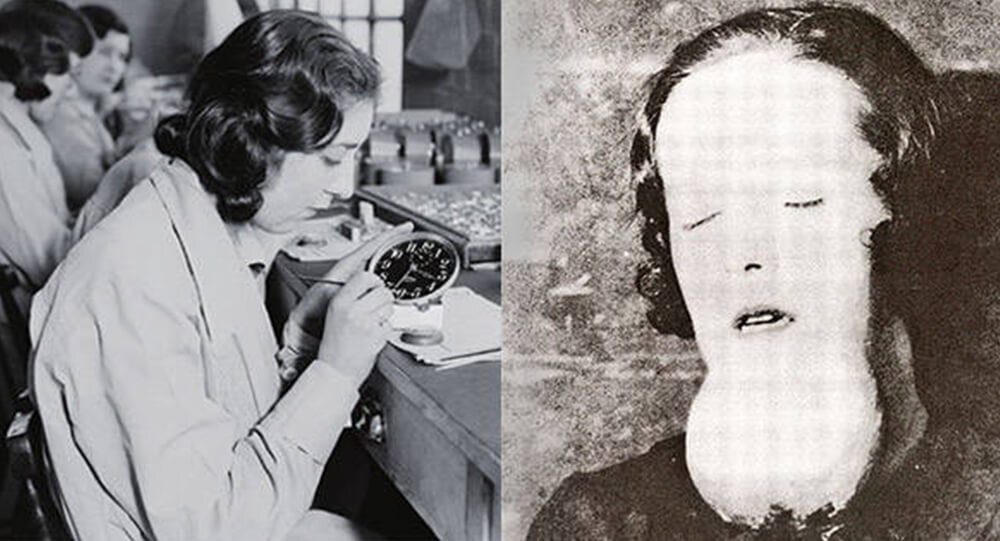
The true story Of The Radium Girls that change US labor laws
Hundreds of young women worked in clock factories during World War I, painting watch dials with luminous radium paint. The company lied about the risk of radiation, claiming there was no danger, which resulted in the death of the young women.
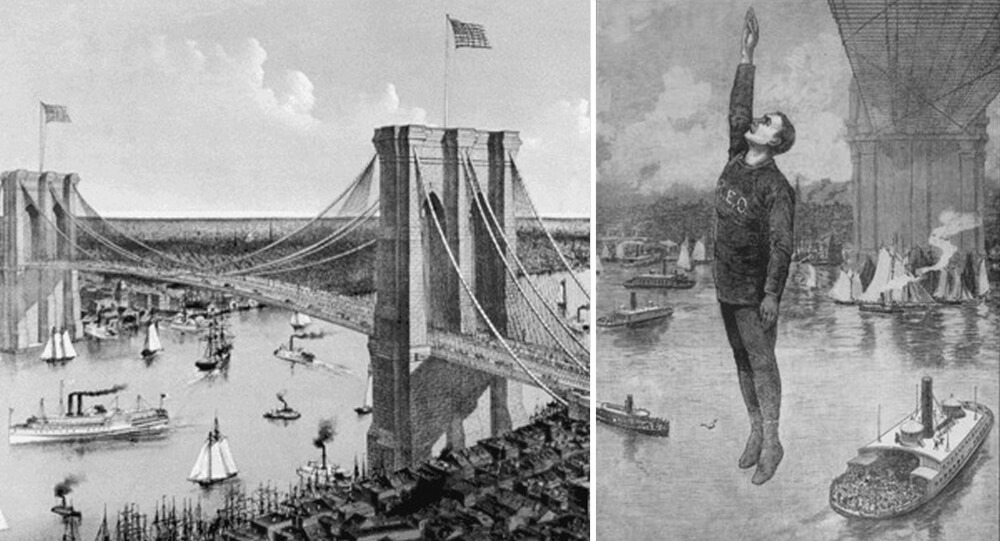
Robert Odlum, the first person to jump off the Brooklyn Bridge
The first person to jump off the Brooklyn Bridge was a professional high diver who "wanted to demonstrate that people did not die simply by falling through the air, thus encouraging people to be willing to jump from a burning building into a net." He proved himself correct by safely falling 135 feet through the air and dying only when he hit the water.

Xin Zhui And The Story Of The Stunningly Intact Lady Dai Mummy
A 2,000-year-old mummy of a Chinese woman, Xin Zhui, also known as “Lady Dai,” was preserved in 21 gallons of an “unknown liquid.” With her original hair, organs, eyebrows, and eyelashes intact, the mummy still has blood in her veins. Her skin and ligaments are soft and as flexible as that of a living person.
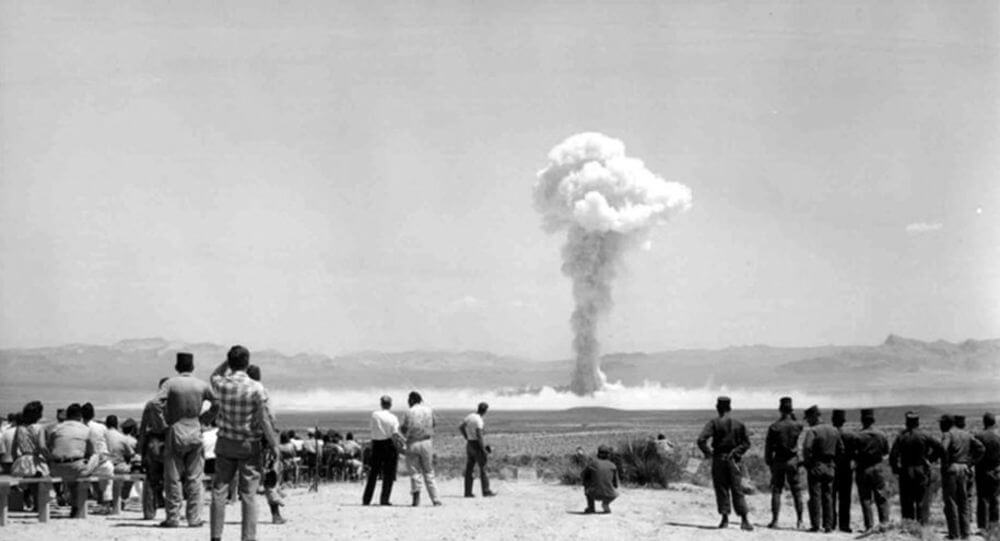
Atomic Tourism: In the 1950s, nuclear tests in Las Vegas served as a draw for tourists
Between 1950 and 1960, Las Vegas offered “Atomic Tourism” in which guests could watch atomic bombs being tested in the desert as a form of entertainment.

June and Jennifer Gibbons The silent twin who Only Spoke to Each Other
Identical twins June and Jennifer Gibbons were born on 11 April 1963 at a military hospital in Aden, Yemen where their father worked as part of the Royal Air Force.

The Littlest Skyscraper: How J.D. McMahon’s 480-Inch Con Fooled Investors in 1919
In 1919, J.D. McMahon convinced investors to fund a 480-foot skyscraper, but he labeled the plans as 480 inches, building a 40-foot structure instead. After taking $200,000, he won in court since the plans matched what he built.
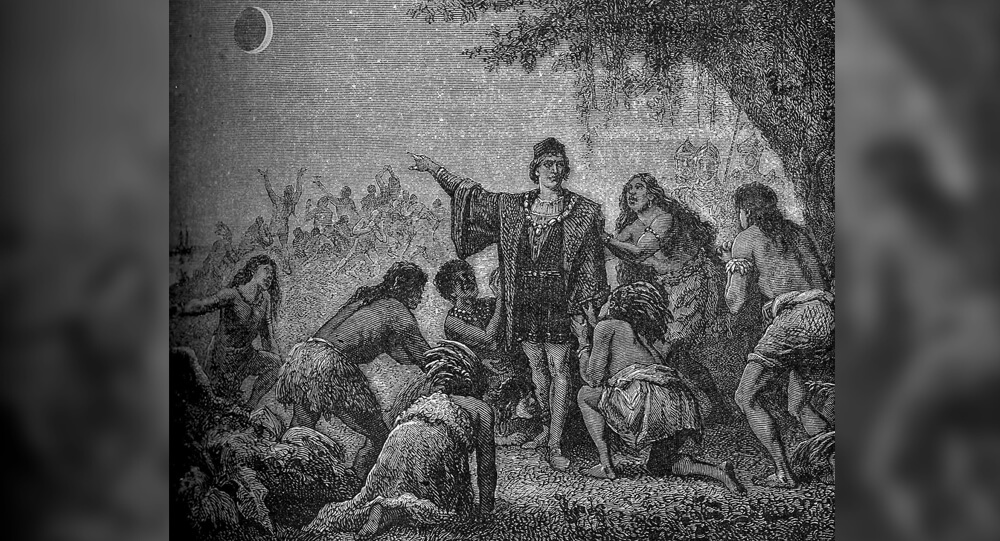
How a Total Lunar Eclipse Saved Christopher Columbus in 1504
In 1504, Christopher Columbus was stranded in Jamaica with natives who refused to give him food. But he knew the date and time of an upcoming lunar eclipse. So he told the natives that his gods were angry at their treatment of him, and would provide a clear sign. Once the eclipse started, the natives raced to give him food and begged for mercy.
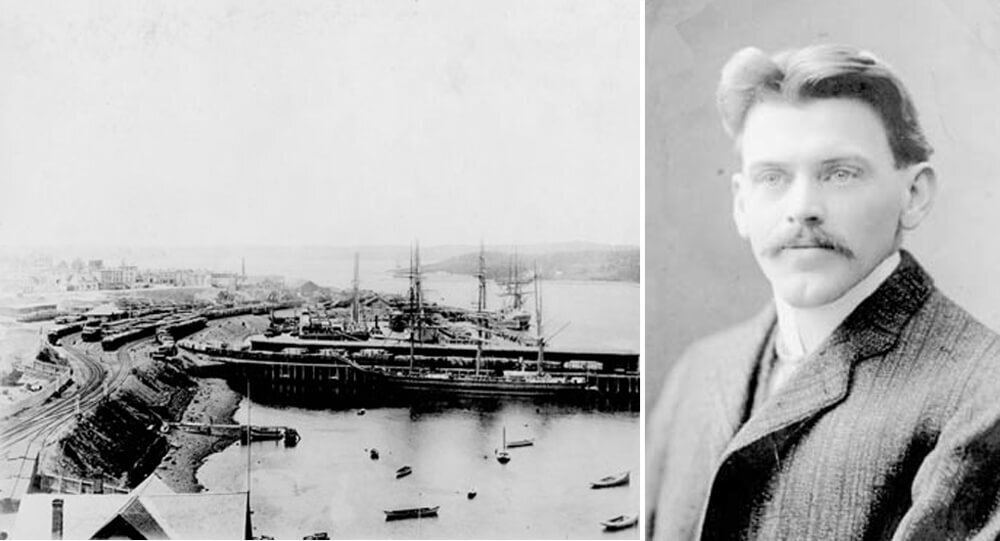
Vince Coleman, a railway dispatcher, sacrificed his own life
Vince Coleman, a railway dispatcher, sacrificed his life in order to warn an incoming train of an imminent explosion. His telegraph said “Hold up the train. Ammunition ship afire in harbor making for Pier 6 and will explode. Guess this will be my last message. Good-bye, boys.” He saved 300 lives.
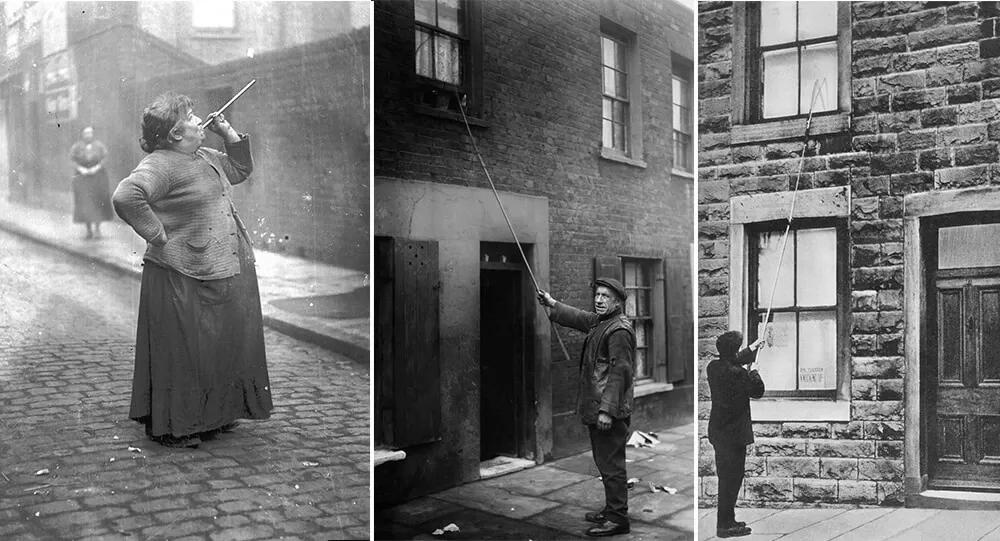
Knockers-up: waking up the Industrial Britain's Workers in 1900-1941
Before alarm clocks were invented, there was a profession called a knocker-up, which involved going from client to client and tapping on their windows (or banging on their doors) with long sticks until they were awake. It lasted into the 1920s.
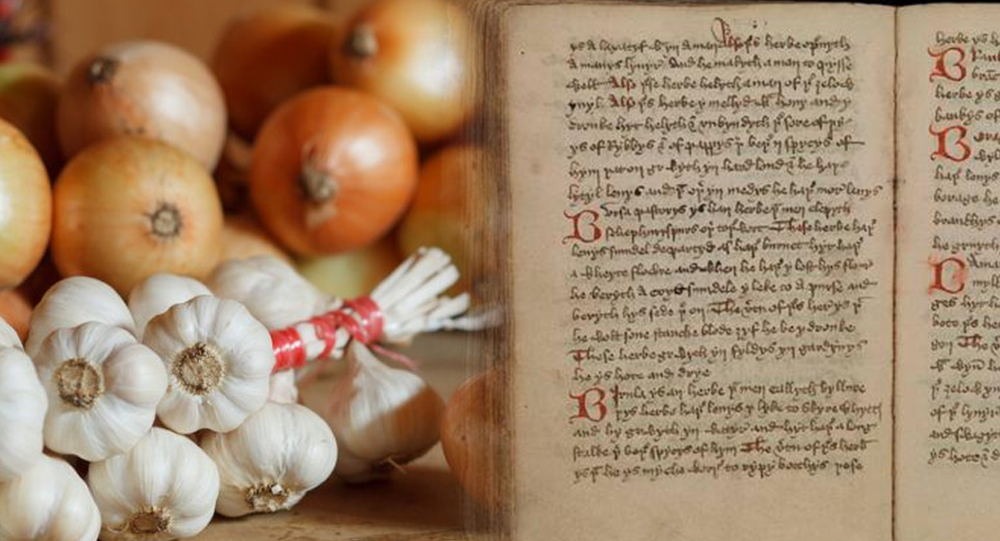
Medieval Medicine: A 1,000-year-old onion and garlic salve kills modern bacterial superbugs
Scientists recreated an Anglo-Saxon manuscript-based 9th century onion and garlic eye remedy and discovered that it killed 90% of antibiotic-resistant staph bacteria (MRSA).
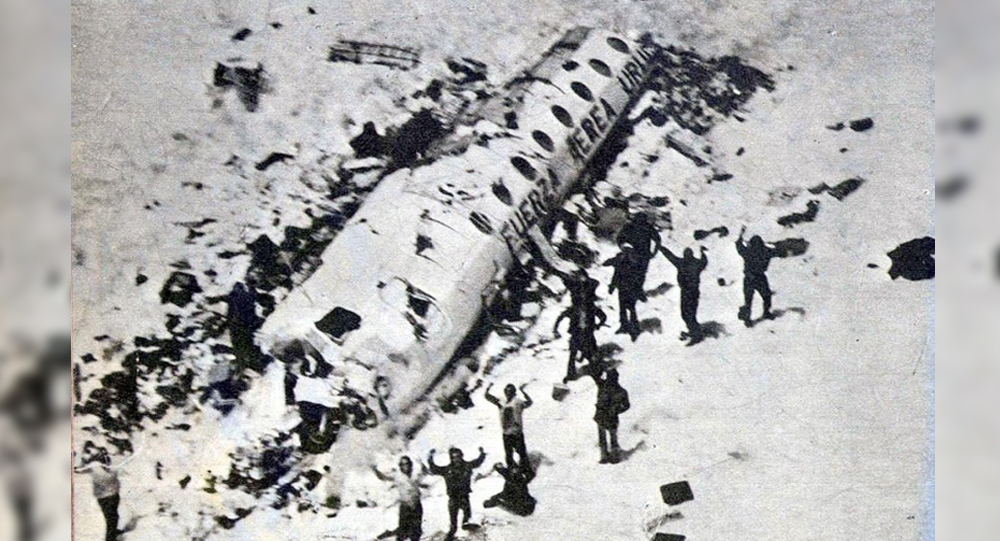
1972 Andes Plane Crash Survivor recall the terrifying Struggles to Stay Alive
On October 13, 1972, a plane carrying a rugby team from Uruguay crashed in the Andes between Chile and Argentina. The survivors were in brutal conditions - high altitude, bitter cold, and the lack of food—and faced the most terrible choice—eating the frozen flesh of their dead friends or starving to death themselves.

Titanoboa cerrejonensis, fossils of the world’s largest species of snake
In 2009 in a coal mine of Columbia, scientists discovered fossils of the world’s largest species of snake. The species is called “Titanoboa cerrejonensis,“and it is from around 60 million years ago. It would have had measured about 48 feet long and weighed about 2,500 pounds
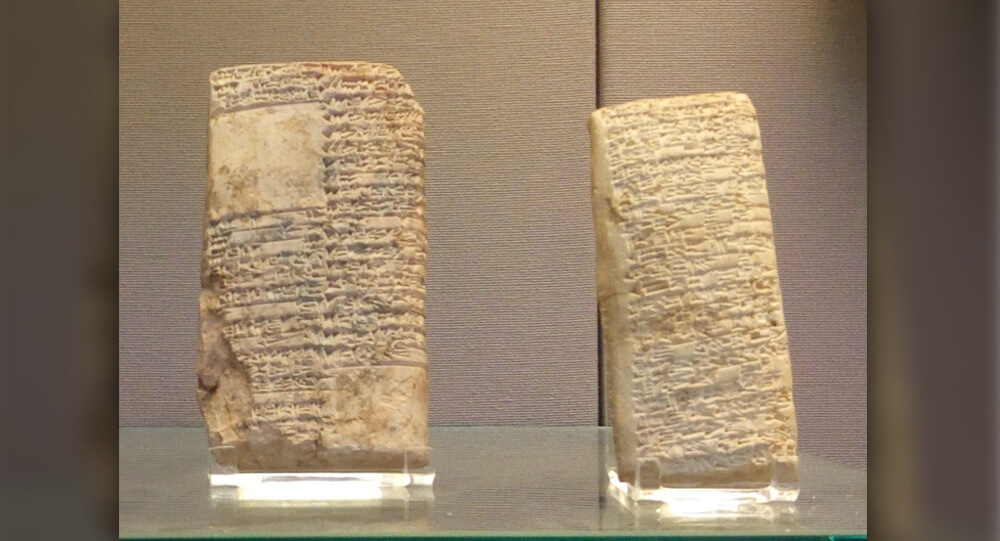
Ea-Nasir: world's oldest written customer complaint
This clay tablet, written in cuneiform, is the oldest known written customer complaint about the delivery of poor quality copper ingots. Originally from ancient Babylon, the tablet dates back to 1750 BCE, and it was written by a customer named Nanni to a merchant named Ea-Nasir. It is currently housed in the British Museum.

The History Behind the “No One Dies Alone” Program
In 1986, while doing a night shift at the hospital, Sandra Clarke, a registered nurse, was asked by an elderly patient to stay. She promised to be back after checking on her other patients, but by the time she returned, the gentleman had passed away. Clarke became one of the key figures in launching No One Dies Alone, a program that allows volunteers to sit with terminal patients who have no one else.
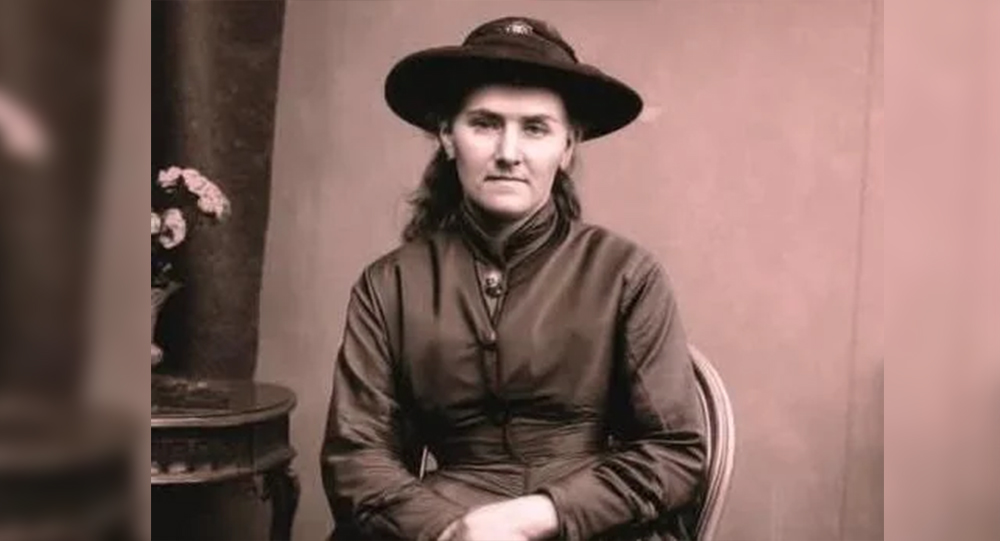
Why Comedians Failed to Make Sober Sue Laugh in the Early 1900s
In the bustling vaudeville scene of early 20th century New York, a mysterious performer known as "Sober Sue" captured public imagination not for jokes or songs, but for her unshakable stoicism—she never smiled or laughed. A local theater even offered a tempting reward of $1,000 to anyone who could make her laugh, drawing crowds and famous comedians eager to claim the prize. Despite countless hilarious attempts, Sue remained expressionless, a mystery that baffled performers and audiences until it was revealed that she suffered from facial paralysis, explaining her unchanging demeanor.
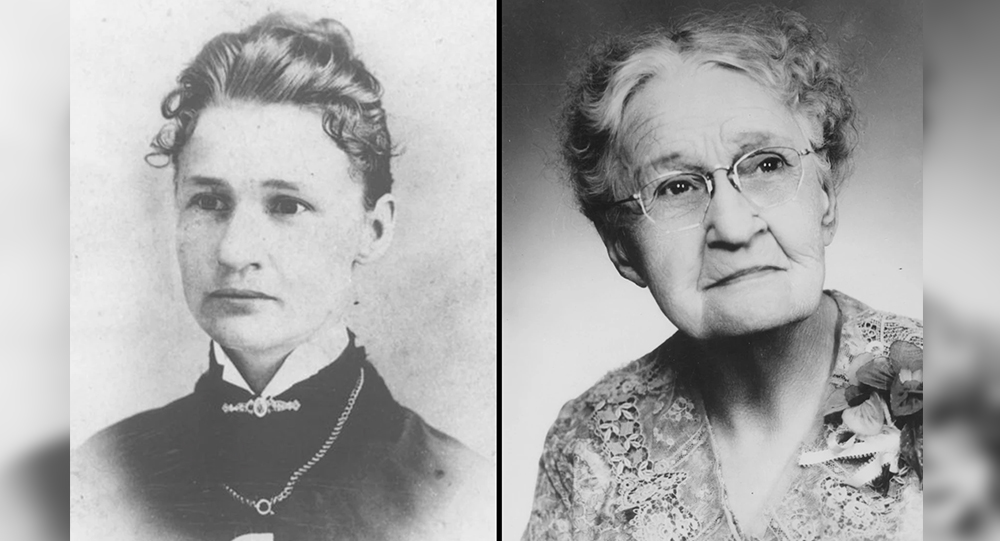
Susanna Salter: The Trailblazing Story of America’s First Female Mayor
In 1887, Susanna Salter became the first female mayor in the United States, elected in Argonia, Kansas. Her nomination was initially a prank by men opposing women in politics. However, she won by a landslide and served effectively, inspiring the women’s suffrage movement and breaking barriers for women in leadership.
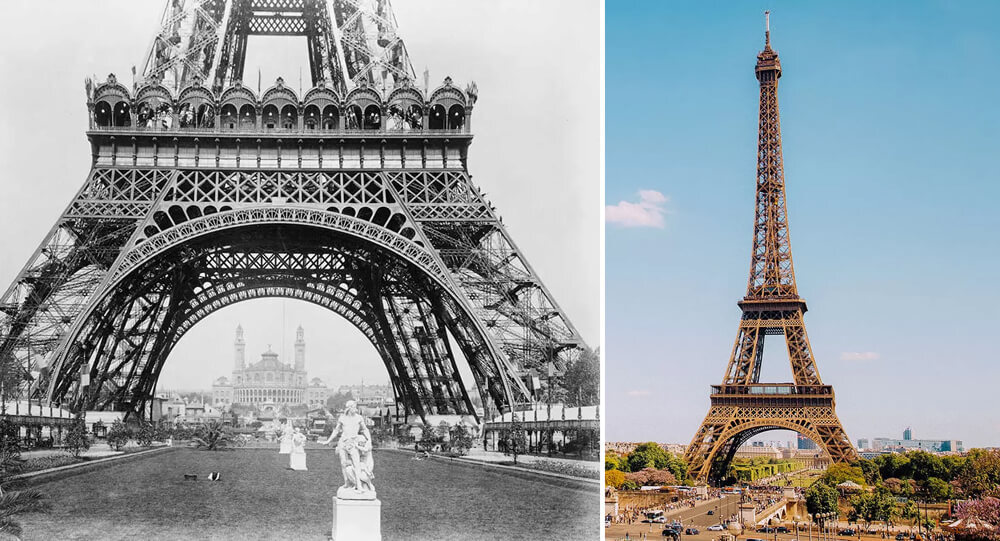
Why was the Eiffel Tower almost demolished
The Eiffel Tower was intended to be a temporary structure for the World's Fair in 1889, but it was nearly dismantled and sold for scrap metal. It was saved because of its potential use as a radio antenna, and it now serves as a tourist attraction as well as a working broadcast tower.
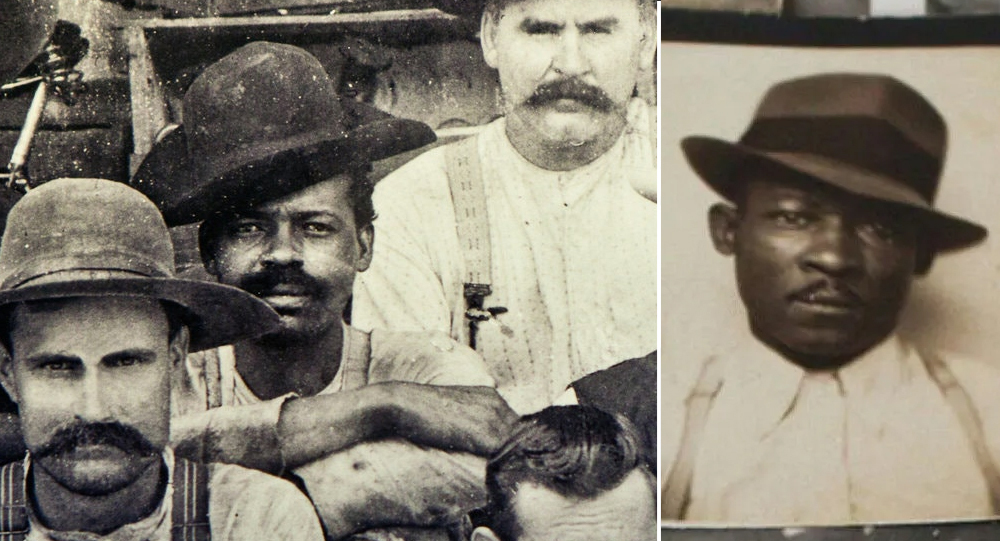
Nearest Green, America's first known Black master distiller
Nathan "Nearest" Green was an African-American head stiller who is now more frequently referred to as a master distiller. He was renowned for imparting his distilling knowledge to Jack Daniel, the creator of Jack Daniel's Tennessee whiskey distiller, after Jack Daniel was freed from slavery following the American Civil War.
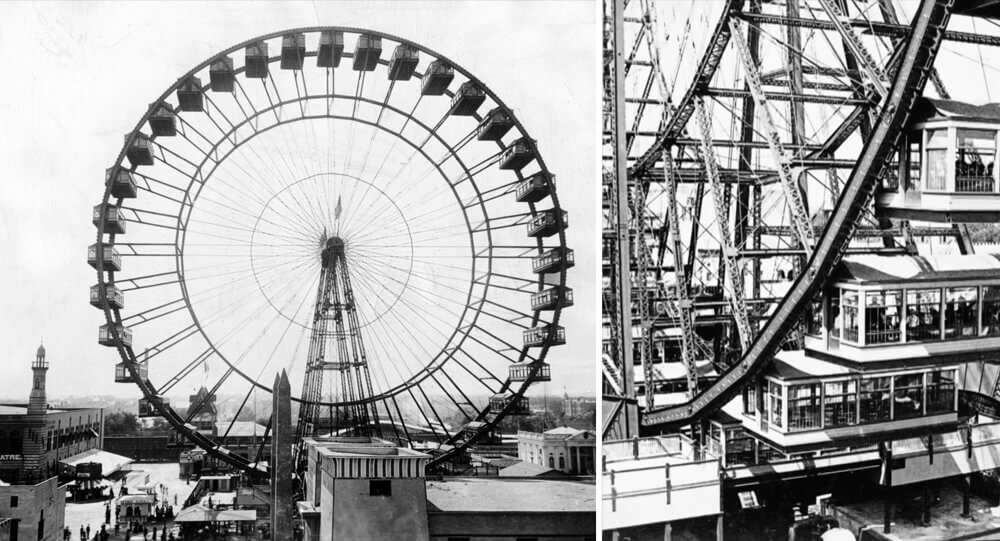
how Ferris wheel invented
In 1891, Chicago challenged engineers to create a structure to surpass the Eiffel Tower for the World's Columbian Exposition. George Washington Gale Ferris jr. responded with the original Ferris Wheel, a giant rotating structure elevating visitors above the city. This invention became an iconic attraction at the fair.

Saudi Arabia camel carvings dated to prehistoric era
Archaeologists were shocked to discover that a series of camels carved into desert rock faces in north-western Saudi Arabia are actually prehistoric, dating from 7,000-8,000 years ago - before either the Pyramids of Giza or Stonehenge were built.
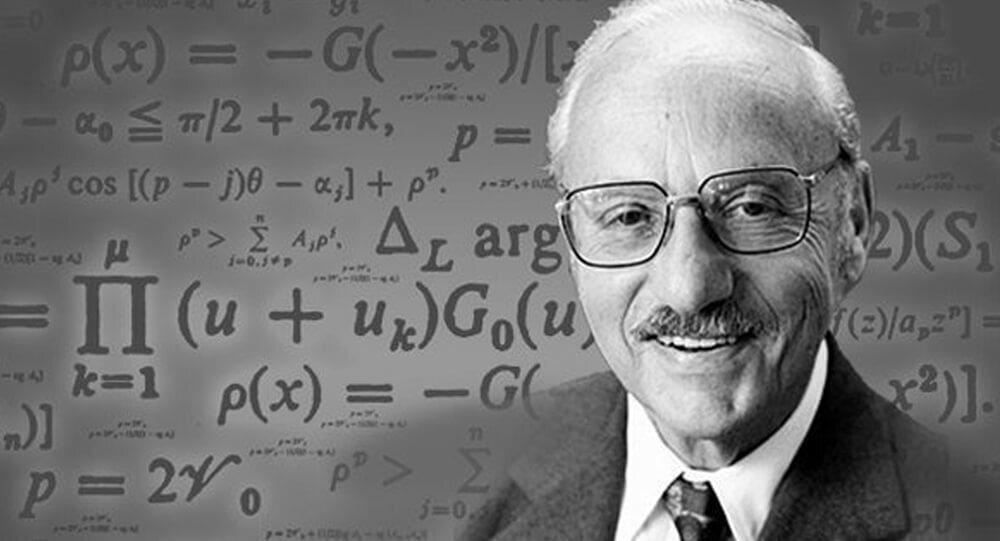
George Dantzig solved two famous “unsolved” problems in statistics mistakenly as assignment
In 1939, George Dantzig arrived late to his statistics class. On the board were two famous “unsolved” problems in statistics written as an example by his professor. Dantzig mistook the examples for homework assignments. He solved the “unsolved” problems and submitted the homework to his professor a few days later. His solutions earned him a doctorate.

How European Rabbits Took over Australia
In 1859, wealthy settler Thomas Austin released 13 wild rabbits on his Australian estate. By 1920, their population grew to 10 billion.

New London School Explosion, Deadliest school disaster which killed almost 300 children and teachers
In 1937, a gas leak in the basement at the local school in New London, Texas caused a massive explosion which killed almost 300 children and teachers, the deadliest school disaster in US history. Adolf Hitler even sent his condolences by telegram.